
By Futurist Thomas Frey
The Day Margaret Stopped Driving
Margaret is 76. She stopped driving last year after her doctor said her vision and reaction time weren’t safe anymore. She didn’t argue—she’d been feeling less confident behind the wheel for a while.
That decision made her a prisoner in her own home.
She lives in a nice house in suburban Phoenix. Her daughter lives 40 minutes away. Her doctor is 15 minutes away. The grocery store is 8 minutes away. Her church is 12 minutes away. Her friends from her book club are scattered across the metro area.
None of this is walkable. There’s no public transit. Uber costs $25-40 for a round trip to the grocery store, which is ridiculous for a 15-minute errand. She can’t ask her daughter to drive her everywhere—her daughter works full-time and has her own kids to worry about.
So Margaret sees her doctor less than she should. She misses church sometimes. She can’t attend book club anymore. She orders groceries online but it’s not the same as shopping herself. She’s lonely, isolated, and depressed.
This is the reality for millions of elderly Americans. About 25% of people over 65 don’t drive anymore. For people over 85, it’s closer to 50%. They lose independence precisely when they most need to maintain it.
But Margaret is 76 in 2025. If she were 76 in 2040, her life would be completely different. Because by then, she could summon an autonomous vehicle to take her anywhere, anytime, for a fraction of today’s ride-share costs.
She’d keep her independence into her 80s, maybe 90s. She’d stay connected to her community. She’d manage her own medical care. She’d remain active and engaged instead of isolated and declining.
This isn’t hypothetical. This is what autonomous vehicles will do for the elderly. And it’s one of the most unambiguously positive impacts of the technology.
The Scale of the Mobility Crisis
Let’s talk numbers.
About 46 million Americans are 65 or older. By 2040, that number will be over 75 million as Baby Boomers continue aging.
Current estimates suggest about 20-25% of people 65+ don’t drive due to vision problems, physical limitations, cognitive decline, or lack of confidence. That’s roughly 10-12 million people today, heading toward 15-20 million by 2040.
Then there are people with disabilities. About 25.5 million Americans have disabilities that make traveling outside the home difficult. Some can’t drive at all. Others can drive but only with expensive vehicle modifications.
Add it up: we’re talking about 20-30 million Americans whose mobility is severely limited or eliminated by inability to drive. These people:
- Miss medical appointments (leading to worse health outcomes)
- Can’t grocery shop independently
- Become isolated from friends and family
- Lose employment opportunities (for working-age disabled)
- Experience depression and faster cognitive decline
- End up in assisted living earlier than necessary
This is a massive quality-of-life crisis. And autonomous vehicles solve it almost completely.
How AVs Transform Elderly Life
Imagine being 82 years old in 2042. You haven’t driven a car in seven years. But that doesn’t matter.
You wake up and check your calendar. Doctor’s appointment at 10 AM. Lunch with friends at noon. Grocery shopping after that. Everything is manageable because you just summon AVs via a simple app.
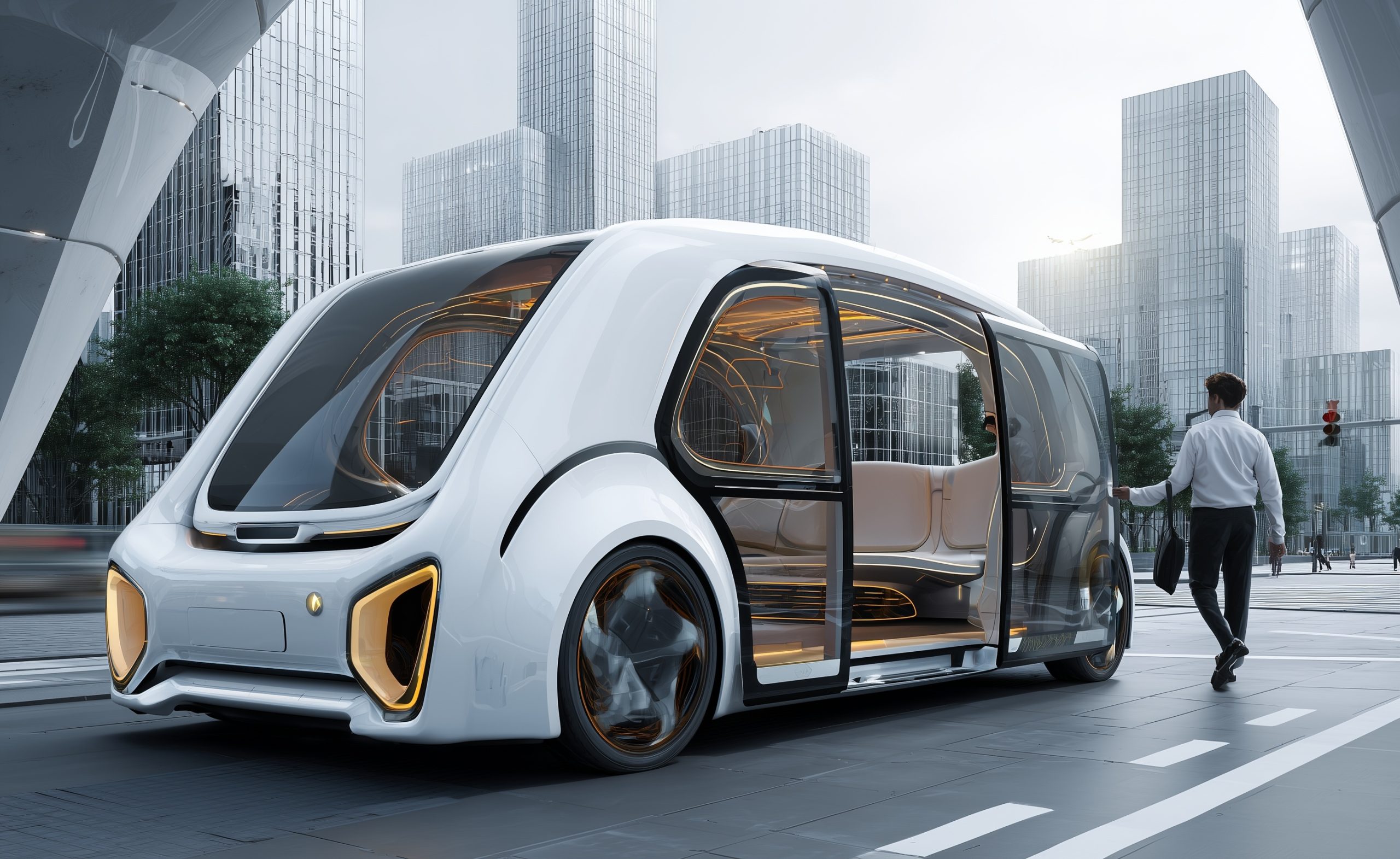
9:30 AM: You tap “Doctor’s Office” in your favorites. An AV arrives at 9:45. You walk to the curb, get in, and it drives you to your doctor. Total cost: $3 for the 10-minute trip.
11:45 AM: Doctor’s appointment done. You summon another AV to the restaurant where you’re meeting friends. Another $4.
1:30 PM: Lunch is over. AV to the grocery store: $2.
2:15 PM: Shopping done. AV home: $3.
Total cost for the day: $12. Total time you spent managing transportation: about 3 minutes tapping buttons. No stress. No depending on family. No feeling like a burden.
Compare this to your life if AVs didn’t exist:
You’d either depend on your daughter to drive you to all these places—requiring her to take time off work and feeling guilty about imposing. Or you’d skip the appointments and activities entirely because coordinating rides is too difficult and expensive.
The difference is profound. AVs mean you maintain independence, dignity, and quality of life years longer than previous generations.
The Medical Impact
Here’s something most people don’t realize: when elderly people lose mobility, their health deteriorates rapidly.
They miss regular checkups, so chronic conditions go unmanaged. They skip follow-up appointments after hospital stays, leading to readmissions. They can’t get to physical therapy. They don’t pick up prescriptions regularly.
Social isolation from lack of mobility contributes to depression, cognitive decline, and faster physical deterioration. People who feel trapped at home decline faster than people who stay active and connected.
AVs solve these problems:
Medical appointments become accessible: No need to coordinate rides with family or pay expensive medical transport services. Just summon an AV. Studies suggest elderly people with reliable transportation attend 30-40% more preventive care visits.
Hospital readmissions drop: When you can easily get to follow-up appointments, you’re less likely to end up back in the emergency room.
Medication compliance improves: Getting to the pharmacy regularly means you actually take your medications as prescribed.
Mental health benefits: Staying connected to friends, family, and community activities reduces depression and slows cognitive decline.
Physical activity increases: When you can get to senior centers, exercise classes, or social activities, you stay more physically active.
The net effect: Elderly people with AV access stay healthier longer, require fewer emergency interventions, and delay nursing home placement by 3-5 years on average.
That last point is huge.
The Nursing Home Economics
Here’s the math that really matters: Assisted living and nursing home care costs roughly $50,000-80,000 per year. If AVs help someone delay nursing home placement by even three years, that’s $150,000-240,000 in savings.
Multiply that across millions of elderly Americans, and we’re talking about hundreds of billions in healthcare cost savings.
But it’s not just about money. It’s about quality of life. Most elderly people desperately want to “age in place”—stay in their own homes as long as possible. Losing the ability to drive is often the event that forces them into assisted living because they can no longer manage daily errands.
AVs let them stay home years longer. They can:
- Shop for groceries themselves
- Attend religious services
- Visit friends independently
- Get to medical appointments
- Maintain social connections
- Feel autonomous and capable
This isn’t just convenient. It’s life-changing. The difference between independent living and assisted care is the difference between feeling like yourself and feeling like you’ve lost control of your life.
The Disabled Gain Access
The impact on people with disabilities is equally transformative but in different ways.
About 6-7 million working-age Americans (18-64) have disabilities that make travel difficult. Some are wheelchair users who need expensive vehicle modifications to drive. Some are blind or have vision impairments that prevent driving. Some have cognitive or physical disabilities that make driving impossible.
AVs eliminate these barriers:
Wheelchair users: Standard AVs will be required to have wheelchair-accessible versions—the ADA will mandate this. No expensive vehicle modifications needed. Just summon an accessible AV.
Blind and vision-impaired: Can travel independently for the first time without relying on others or expensive paratransit services.
Cognitive disabilities: Simplified interfaces make AVs usable for people who struggle with complex transportation systems.
Physical disabilities: No need for special hand controls or adaptive equipment. Just get in and the AV handles everything.
This opens up employment opportunities that were previously inaccessible. Twenty percent of working-age disabled people cite transportation as a barrier to employment. AVs eliminate that barrier.
Someone who couldn’t work because they couldn’t reliably get to a job site can now work. Income increases. Independence increases. Economic participation increases.
The societal benefit is huge—people who want to work but couldn’t because of transportation barriers become employed and productive.
The Geographic Divide
Not all benefits are evenly distributed. There’s a major geographic inequality here.
Urban and suburban elderly/disabled: Get AV service early (late 2020s to mid-2030s) because fleet operators focus on high-density areas first. Benefits arrive quickly.
Rural elderly/disabled: Wait much longer (2040s or beyond) because rural areas don’t have the trip density to support AV services economically. They remain mobility-constrained while urban counterparts gain freedom.
This creates a justice issue. The people who most need transportation help—isolated rural elderly—are the last to get it.
Some solutions being discussed:
- Government subsidies for rural AV service
- Lower-cost AV models specifically for low-density areas
- Volunteer AV networks (individuals provide their AVs for community use)
- Public AV fleets in rural counties
But realistically, rural areas lag by 10-15 years. Urban elderly get liberation in the 2030s. Rural elderly wait until the 2040s or 2050s.
The Family Dynamics Shift
AVs change family relationships in subtle but important ways.
Adult children and elderly parents:
Currently, adult children spend enormous time and emotional energy managing aging parents’ transportation needs. This creates:
- Guilt (when you can’t help as much as you should)
- Resentment (when elderly parents demand too much)
- Stress (coordinating schedules between your life and their needs)
- Difficult conversations (when to take away car keys)
AVs eliminate most of this. Your 80-year-old father doesn’t need you to drive him to appointments. He can manage his own transportation. You maintain a better relationship because you’re not his chauffeur—you’re his child.
The “when to take away the keys” conversation becomes easier. You’re not condemning him to immobility. You’re saying “you can still get everywhere you need to go, just let the AV drive instead.”
Elderly and grandchildren:
Currently, grandparents who don’t drive see grandchildren only when the adult children coordinate visits. AVs let grandparents visit grandchildren independently—assuming the grandkids aren’t too far away.
An 80-year-old grandmother can show up for her grandson’s soccer game without needing her daughter to pick her up. She can babysit at her daughter’s house and AV home afterward. The relationship becomes less constrained by logistics.
The Social Connection Restoration
Here’s what really matters: AVs restore social connections that mobility loss destroyed.
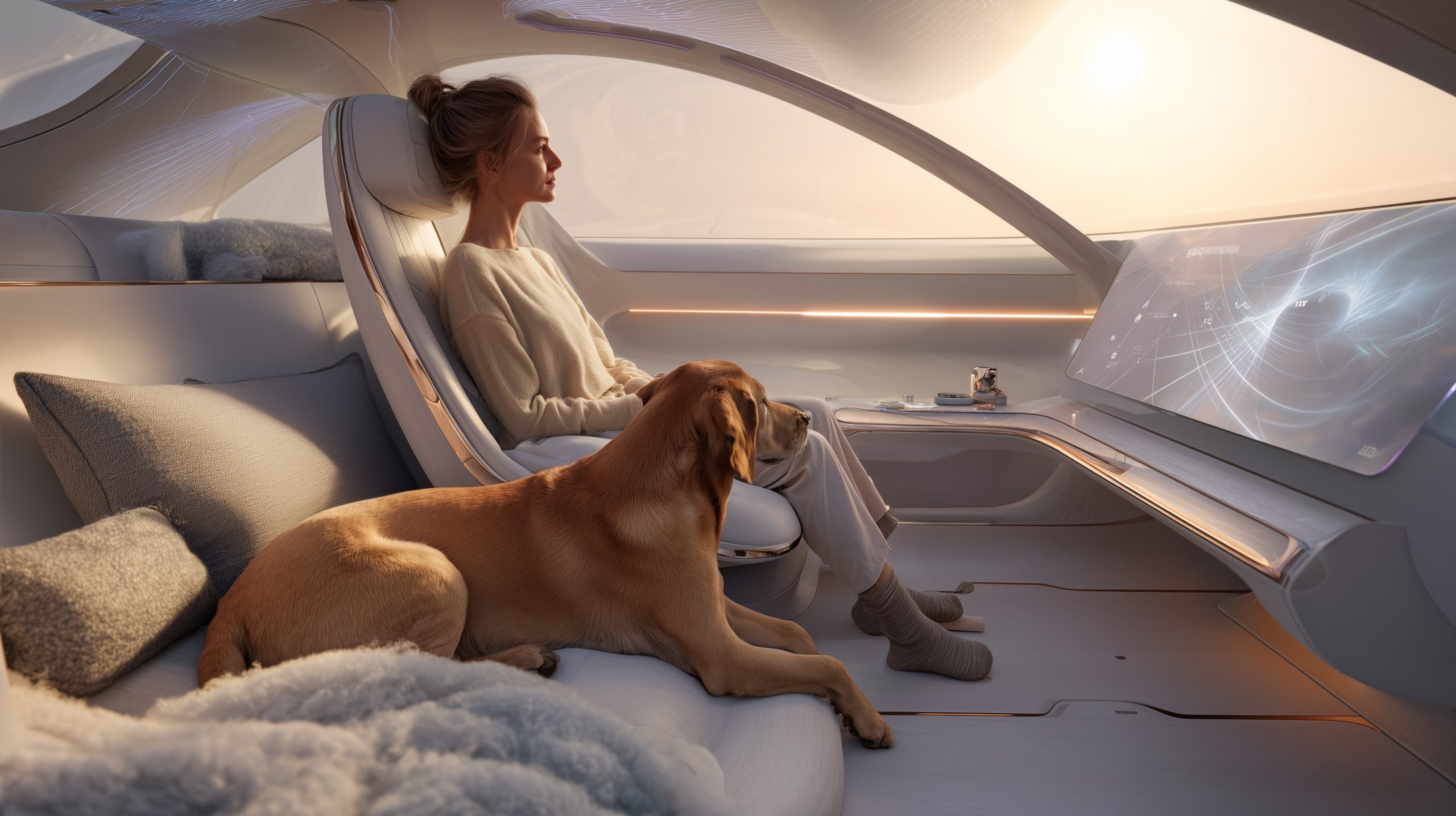
Margaret from the beginning of this column? In 2040, she’s still going to book club. She’s attending church. She’s having lunch with friends. She’s visiting her grandkids. She’s volunteering at the library.
She’s living, not just existing.
The research is clear: social connection is one of the strongest predictors of healthy aging. Loneliness and isolation accelerate cognitive decline, increase depression, and worsen physical health outcomes.
AVs don’t just provide transportation. They provide connection. Community. Purpose. Quality of life.
For a generation of elderly Americans who would otherwise spend their final decades trapped at home, AVs are genuinely liberating.
The Technology Barrier
There is one significant challenge: many elderly people struggle with technology.
Getting them to use an AV service requires:
- Downloading an app
- Creating an account
- Entering payment information
- Figuring out how to request rides
- Trusting the technology
For tech-savvy elderly, this is easy. For others, it’s a barrier.
Solutions being developed:
- Simplified interfaces designed for elderly users
- Voice-activated requests (“Alexa, send me an AV to the grocery store”)
- Family management (adult children can schedule rides for parents remotely)
- Human support hotlines for help
- Senior center training programs
But there will be a digital divide. Elderly people who can’t or won’t adopt the technology miss out on the benefits. This creates another inequality—tech-comfortable elderly thrive while tech-averse elderly remain isolated.
The 2045 Vision
By 2045, this is normal:
An 85-year-old manages her own transportation via simple app or voice commands. She sees her doctor regularly. She shops for her own groceries. She visits friends. She attends community events.
She lives independently in her own home years longer than her parents did. She’s healthier, happier, more connected. Her adult children don’t spend their weekends chauffeuring her around. Everyone’s relationship is better.
People with disabilities have the same mobility independence as everyone else. Employment rates for disabled people have increased significantly. Wheelchair-accessible AVs are common. Blind people travel independently.
The elderly and disabled are no longer trapped by lack of transportation. They’re full participants in community life.
Winners and Losers
Winners:
- Elderly who gain years of independence
- Disabled who gain mobility and employment access
- Adult children freed from chauffeur duty
- Healthcare system (fewer emergency visits, better outcomes)
- Society (productive elderly and disabled longer)
Losers:
- Some assisted living facilities (delayed entry)
- Some medical transportation services
- Rural elderly and disabled (delayed access)
- Tech-averse elderly (left behind)
The transformation is overwhelmingly positive. This is one area where autonomous vehicles create almost pure benefit.
The young gain time. The old gain freedom. And everyone gains from healthier, happier elderly neighbors who stay connected to their communities.
Next column: what happens when the 40,000 annual traffic deaths drop to nearly zero.
Related Articles:
Transportation and Aging – AARP research on elderly mobility
Autonomous Vehicles and Disability Access – DOT accessibility guidelines
The Health Impact of Social Isolation – NIH research on elderly isolation
