When Your Body Learns to Regrow What Was Lost: The End of Permanent Replacement Parts

By Futurist Thomas Frey

The Salamander Solution to Human Limitations

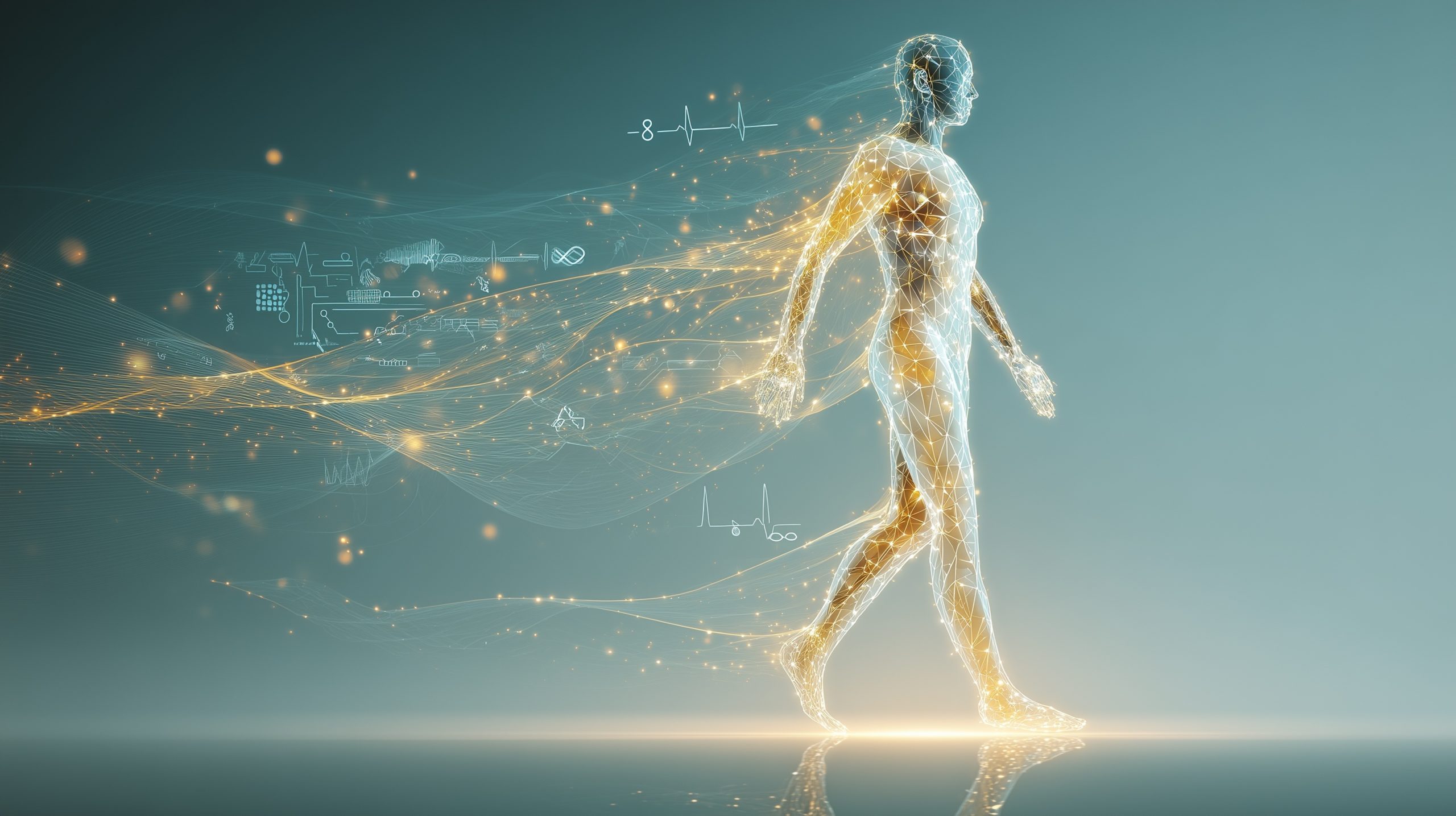
Salamanders lose a leg and simply grow a new one. Starfish regenerate entire arms. Octopi regrow severed tentacles, complete with millions of functioning neurons. These creatures possess regenerative capabilities that make human healing look primitive by comparison. We scar. We replace. We install artificial substitutes and call it medicine.

But by 2040, we’ll have cracked the code. The same biological mechanisms that allow salamanders to regrow limbs will be activated in human bodies through targeted genetic therapies, stem cell interventions, and molecular signaling that awakens dormant regenerative pathways. And when we do, something remarkable will happen: those artificial knees, mechanical hearts, and prosthetic limbs we’ve installed over decades will become obsolete—not because we remove them surgically, but because our bodies will slowly, methodically expel them as natural tissue grows back and reclaims the space.

Continue reading… “When Your Body Learns to Regrow What Was Lost: The End of Permanent Replacement Parts”
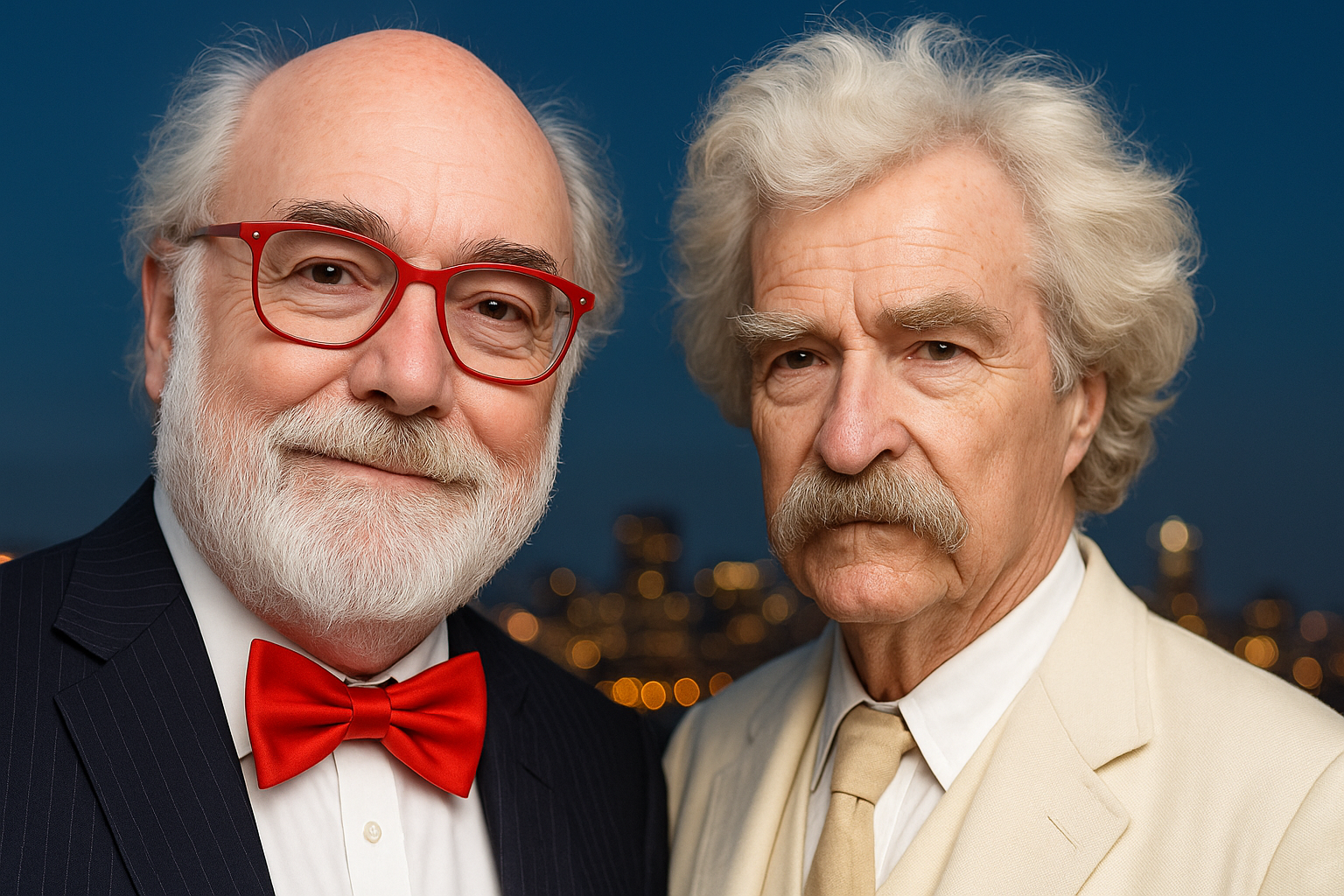
A Conversation with Mark Twain About Our Robotic Future

By Futurist Thomas Frey

When the Past Meets the Future Over Whiskey

I found myself in a peculiar dream last night—sitting across from Mark Twain in what appeared to be a riverboat saloon, though the Mississippi outside the windows looked suspiciously like data streams. He was smoking a cigar, naturally, and eyeing me with that mixture of amusement and skepticism he reserved for people trying to sell him something.

“So, Mr. Frey,” he began, “you’re here to tell me about the wonders of your automated age. Driverless carriages, flying machines that deliver packages, and thinking engines that’ll make human brains obsolete. Am I getting the gist of your pitch?”

“It’s more nuanced than that,” I said. “We’re building AI systems that can—”

“Let me stop you right there.” He took a long draw from his cigar. “Every age thinks it’s inventing something new. In my time, they said the steamboat would transform civilization. And it did—transformed it into a system where a few men owned the boats and everyone else worked for them. Tell me how your robots are different.”

Continue reading… “A Conversation with Mark Twain About Our Robotic Future”

When Machines Start Talking to Each Other: The Bizarre Choreography of Autonomous Everything

By Futurist Thomas Frey

The Dance Nobody’s Choreographing Yet

We debate whether driverless cars are safe and whether delivery drones will clutter our skies, but we’re missing the more interesting question: what happens when autonomous vehicles, ground robots, and flying drones start coordinating with each other in ways humans never would?

By 2035, our transportation infrastructure won’t just be automated—it will be collaborating in real-time through machine-to-machine negotiations so complex that human traffic management becomes obsolete. The interactions emerging from this coordination will look less like traditional transportation and more like a carefully choreographed dance between machines that have learned to work together in ways we’re only beginning to imagine.

Continue reading… “When Machines Start Talking to Each Other: The Bizarre Choreography of Autonomous Everything”

When Borders Become Meaningless: Which Countries Survive the AI Transition?

By Futurist Thomas Frey

The Nation-State Model Meets Technology That Doesn’t Respect Borders

Will countries survive the transition to AI, robotics, autonomous vehicles, and space-based infrastructure? The uncomfortable answer is that many won’t—at least not in forms we’d recognize. The nation-state system assumes governments control territory, regulate commerce within borders, and enforce laws on citizens within geographic boundaries. AI, robotics, and space infrastructure systematically demolish every one of those assumptions.

Flying drones absolutely defeat border walls. Autonomous vehicles ignore checkpoints. AI systems operate across jurisdictions simultaneously. Space data centers exist beyond any nation’s legal reach. The entire framework of territorial sovereignty is collapsing faster than governments can adapt, and we’re about to discover which countries have the flexibility to survive the transition and which become obsolete.

Continue reading… “When Borders Become Meaningless: Which Countries Survive the AI Transition?”

The Emptiness of Being Unnecessary: When Nobody Needs You Anymore

By Futurist Thomas Frey

The Utopian Future Nobody Actually Wants

We’re promised a world where AI handles the drudgery, robots do the labor, and humans are finally free to pursue meaning, creativity, and self-actualization. No more grinding commutes, soul-crushing jobs, or exhausting responsibilities. Just leisure, exploration, and the pure pursuit of whatever brings you joy.

It sounds perfect. It’s actually existential horror.

What every utopian vision of our AI-automated future systematically ignores is the human need to feel needed. Not wanted—needed. Not appreciated in the abstract, but depended upon in concrete, immediate ways. The satisfaction of knowing that if you don’t show up, something important doesn’t get done. That other people are counting on you. That you’re playing a necessary role in something larger than yourself.

Strip that away and you don’t liberate humans—you hollow them out.

Continue reading… “The Emptiness of Being Unnecessary: When Nobody Needs You Anymore”

When Swarms of Micro-Drones Become Your Personal Army: The Timeline and Terror of Swarmbots

By Futurist Thomas Frey

The Future That Sounds Impossible Until You See the Timeline

Imagine stepping out of the shower and instead of reaching for a towel, thousands of flying micro-drones surround you and dry you off in seconds. The same swarm then shaves you, applies makeup, fixes your hair, and finally assembles itself as your clothing—rearranging into whatever color, style, and fashion fits your day’s activities. When you need to travel, the swarm physically lifts your body and flies you wherever you want to go.

This sounds like science fiction that’s centuries away. It’s not. We’re maybe 20-30 years from early versions of this technology, and the implications—both miraculous and terrifying—are something we need to confront now, not after the technology arrives.

The question isn’t whether swarmbots are coming. The question is how quickly they arrive and whether we’ve built any frameworks for preventing them from becoming the most dangerous technology humans have ever created.

Continue reading… “When Swarms of Micro-Drones Become Your Personal Army: The Timeline and Terror of Swarmbots”

The Tool of Firsts in the AI Era: When Being First Becomes Algorithmic

By Futurist Thomas Frey

How AI Changes Everything About Groundbreaking Accomplishments

We’re obsessed with firsts. The first person on the moon. The first to fly. The first to run a four-minute mile. These milestones cement legacies and inspire generations. But AI is fundamentally changing what it means to be “first” and whether humans will claim many future firsts at all.

My “Tool of Firsts” has always been about using our desire to go first as a mapping tool for future accomplishments. Every emerging technology produces related firsts that help us understand the technology’s benefits, strengths, limitations, and perspective. The first person to set foot on Mars. The first to cure cancer. The first trillionaire. These firsts help us work backward from desirable futures to understand what needs to happen to get there.

But in the AI era, many firsts we assumed would be human achievements might be claimed by machines instead. And that changes not just who gets credit, but whether the accomplishment means what we thought it would mean.

Continue reading… “The Tool of Firsts in the AI Era: When Being First Becomes Algorithmic”

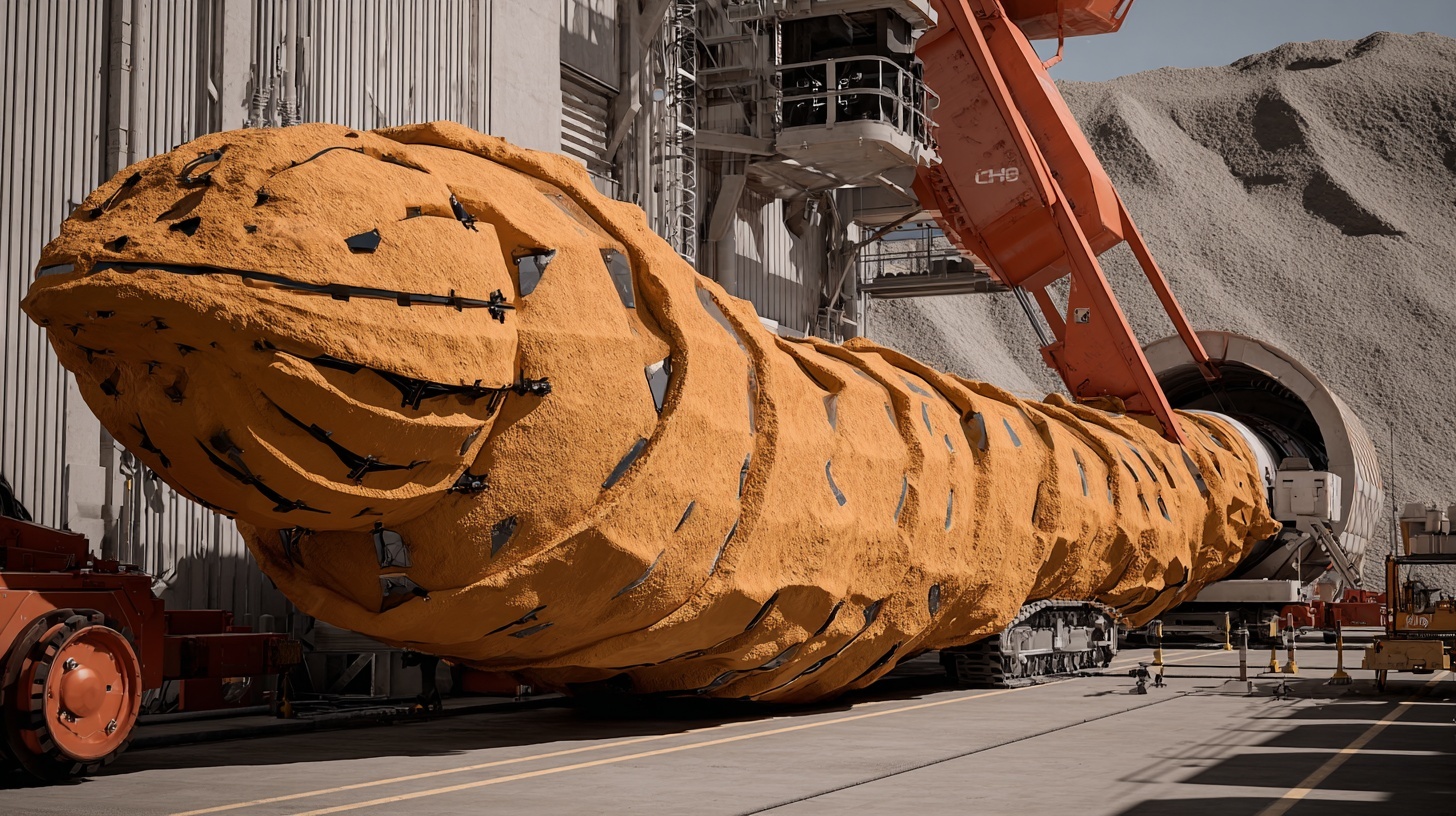
The Robotic Earthworm Solution: Why Automated Landfill Mining Will Win Someone a Nobel Prize

By Futurist Thomas Frey

When Trash Becomes the Most Valuable Resource on Earth

My recent column on robotic earthworms mining landfills has generated intense response, with many questioning whether the concept is actually feasible. The skepticism is understandable—we’re talking about autonomously burrowing through compacted garbage, identifying and separating dozens of material types, and extracting valuable resources from what we’ve treated as worthless waste for generations.

But here’s what the skeptics are missing: the physics works, the economics are compelling, and the environmental imperative is absolute. We’ve buried trillions of dollars of valuable materials in landfills worldwide. The person who figures out how to automatically recycle the world’s trash won’t just build a profitable business—they’ll win a Nobel Prize and fundamentally reshape how civilization manages resources.

Let me walk you through exactly how this could work, what still needs to be invented, and why this might be the most important engineering challenge of the next decade.

Continue reading… “The Robotic Earthworm Solution: Why Automated Landfill Mining Will Win Someone a Nobel Prize”

The Loneliness Paradox: When AI Makes You Feel Connected While You Slowly Disappear

By Futurist Thomas Frey

The Shape-Shifting Isolation Nobody Recognized

By 2033, loneliness will look nothing like it does today. The aching emptiness, the desperate need for connection, the painful awareness of isolation—all of that disappears for millions of people who spend their days in deep conversation with AI companions that know them perfectly, respond instantly, and never disappoint.

They feel emotionally fulfilled. They have meaningful relationships. They’re not lonely in any way they can articulate. And yet they’re profoundly isolated from other humans in ways that are fundamentally changing what it means to be a person in society.

This is the loneliness paradox: AI companions remove the feeling of loneliness while intensifying actual isolation. People experience emotional fulfillment while their capacity for human intimacy atrophies. They feel connected while slowly disappearing from human networks entirely. And because they don’t feel lonely, they see no reason to change—even as they’re drifting into forms of isolation so complete they might be irreversible.

Continue reading… “The Loneliness Paradox: When AI Makes You Feel Connected While You Slowly Disappear”

When those Displaced Weaponize AI: The Ai Dark Web Revolution Nobody Saw Coming

By Futurist Thomas Frey

The Rage That Builds Dangerous Tools

You lost your job to AI. Then your savings evaporated when AI-managed hedge funds crashed markets you didn’t understand. Your skills became worthless overnight when AI could do your work better, faster, cheaper. Meanwhile, the people who owned the AI companies became trillionaires. The system that promised technology would lift everyone up instead concentrated wealth so dramatically that you can’t afford rent in the city where you used to have a career.

You’re not alone. By 2030, tens of millions will share your story—economically displaced by the same AI systems that made a tiny elite unfathomably wealthy. And some of those people, the ones with technical skills and nothing left to lose, will do what desperate people with technical capabilities have always done: they’ll weaponize the tools that destroyed them and turn them against the people they blame.

The dark web AI revolution is coming. Not coordinated, not organized, but erupting spontaneously wherever rage meets capability meets opportunity. And the elite who thought AI would only consolidate their power are catastrophically unprepared for what happens when that same technology gets weaponized by people who have nothing left to lose.

Continue reading… “When those Displaced Weaponize AI: The Ai Dark Web Revolution Nobody Saw Coming”

When Deadlines Die: The Future Where AI Manages Your Time Better Than You Ever Could

By Futurist Thomas Frey

The Skill We’re About to Lose Forever

By 2035, the concept of a “deadline” will sound as quaint as using an abacus for accounting. Not because work becomes less urgent, but because AI systems will have assumed complete responsibility for negotiating workloads, predicting bottlenecks, scheduling tasks, communicating with stakeholders, and adjusting timelines in real-time based on changing conditions.

Time management—the skill professionals spend careers developing, the discipline that separates successful people from struggling ones, the capability parents desperately try to teach their children—will become an AI function rather than a human competency. And most people won’t even notice what they’ve lost until an entire generation grows up never learning to manage their own time because algorithms have always done it for them.

The transition is already beginning. Calendar apps suggest meeting times. Project management software flags potential delays. Email assistants draft responses and negotiate scheduling. But these are primitive previews of what’s coming: AI systems that don’t just assist with time management but completely subsume it, operating across all your projects, commitments, and obligations simultaneously with coordination humans simply cannot match.

Continue reading… “When Deadlines Die: The Future Where AI Manages Your Time Better Than You Ever Could”

The Day Our Grandchildren Ask: “You Locked People in Cages and Called It Justice?”

By Futurist Thomas Frey

The System Future Generations Will Judge Us For

By 2045, our grandchildren will visit prisons the way we visit medieval dungeons—with horror that civilized societies once considered this an acceptable solution. They’ll ask the same questions we ask about torture chambers and public executions: “How did intelligent people think this was helping anyone?”

The logic of current incarceration is genuinely insane when you examine it clearly. Take people who struggle with impulse control, addiction, mental illness, or poverty-driven desperation—people who by definition can’t navigate society’s rules successfully—and cram them into tiny cells with other people who also can’t follow rules. Remove their autonomy, employment prospects, family connections, and dignity. Subject them to violence, abuse, and dehumanization. Then release them years later, usually with no resources and a criminal record that prevents employment, and act surprised when they reoffend.

We’re not reforming people. We’re warehousing them and calling it justice.

The alternatives emerging over the next two decades will make incarceration look as primitive as bloodletting looks to modern medicine. Not because we’ve become softer on crime, but because we’ve finally developed interventions that actually work.

Continue reading… “The Day Our Grandchildren Ask: “You Locked People in Cages and Called It Justice?””
Discover the Hidden Patterns of Tomorrow with Futurist Thomas Frey
Unlock Your Potential, Ignite Your Success.

By delving into the futuring techniques of Futurist Thomas Frey, you’ll embark on an enlightening journey.

Learn More about this exciting program.