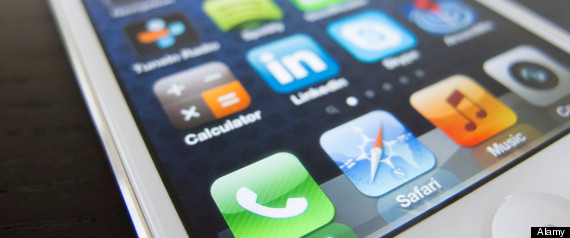
Android is the world’s most popular smartphone platform — with nearly 70 percent of the market.
In 2012, nearly 80 percent of all mobile malware found was written for phones running Google’s mobile Android operating system, according to a report from security firm F-Secure.
70 billion apps will be downloaded worldwide in 2013.
Ten apps will be downloaded for every single woman, man, and child on the planet in 2013. According to ABI Research, half of those apps will be Android apps, which will have 58 percent smartphone app share and 41 percent of those will be iOS apps. Thirty-three percent of smartphone app downloads will be for the Apple iPhone while the iPadwill take 75 percent of tablet app downloads. Windows Phone and tablet devices will account for the majority of the rest, with BlackBerry taking about a 2 percent share.
There are seven innovative strategies to monetize mobile apps.
For mobile developers, monetization is not a simple process. Ads, paid installs, and in-app purchases can all generate revenue for mobile app developers, but they are not the only methods available.
Traditional retailers are successfully using mobile apps to attract the lion’s share of consumer attention. The retailers’ share of consumer time spent in shopping apps grew to 27 percent of the total in December, up from 15 percent a year prior, according to Flurry.
“Paid apps work because they provide the great experience people deserve as customers.”
Time is money, and apps don’t last forever. All the weeks you spent on your apps and you’re never going get back all those hours you spent on them. And all of the free apps are dangerous, yet free is the dominant business model most mobile apps are taking these days. The idea is to grow as quickly as possible then insert ads of some kind or get acquired. For consumers it offers a crummy set of choices: either losing the countless hours you put into the app or have your private data sold to marketers — since as well all know, when the product is free, you are the product.
Apple’s best of 2012 section has been launched for the year, listing the top apps, iBooks, movies, music and TV Shows for the year. The section is an annual event that features both Editor’s Choices hand-picked by Apple and the top sellers in every category.
In the first 20 days of November 2012 $120 million was generated by app downloads and in-app purchases, but $60 million of that total went to 25 companies.
More than 1.4 million apps combined are offered through Apple and Google’s app stores, but there are only 25 U.S. developers that generate half of the revenue from app sales, says a new study by the research firm Canalys.
Black Friday still reigns supreme on mobile devices.
When it comes to Black Friday and Cyber Monday, it looks like Black Friday still reigns supreme on mobile devices. According to data compiled by the mobile data compression company Onavo, when it comes to increases in usage, mobile apps from Amazon, Newegg, and Gilt all saw significantly higher gains on Black Friday compared to Cyber Monday.
Software engineers now outnumber farmers and have almost caught up with lawyers.
Over the last two years Shawn and Stephanie Grimes have spent much of their time in pursuing their dream of doing research and development for Apple, the world’s most successful corporation.
Mobile health becoming more popular among smartphone owners.
Mobile health is starting to become popular in the U.S.. In 2010, the Pew Internet and American Life Project reported that just 17 percent of cell phone owners used their devices to look up health information. But the organization said that figure has climbed to 31 percent in a new study released last week.
For people who are colorblind, daily life can be a challenge. Daily challenges range from not knowing whether meat is fully cooked to not being able to read whether a horizontal traffic light is showing green or red. More serious repercussions include being shut out of a dream job, like piloting planes, because misreading landing-strip lights can have life-or-death consequences.