
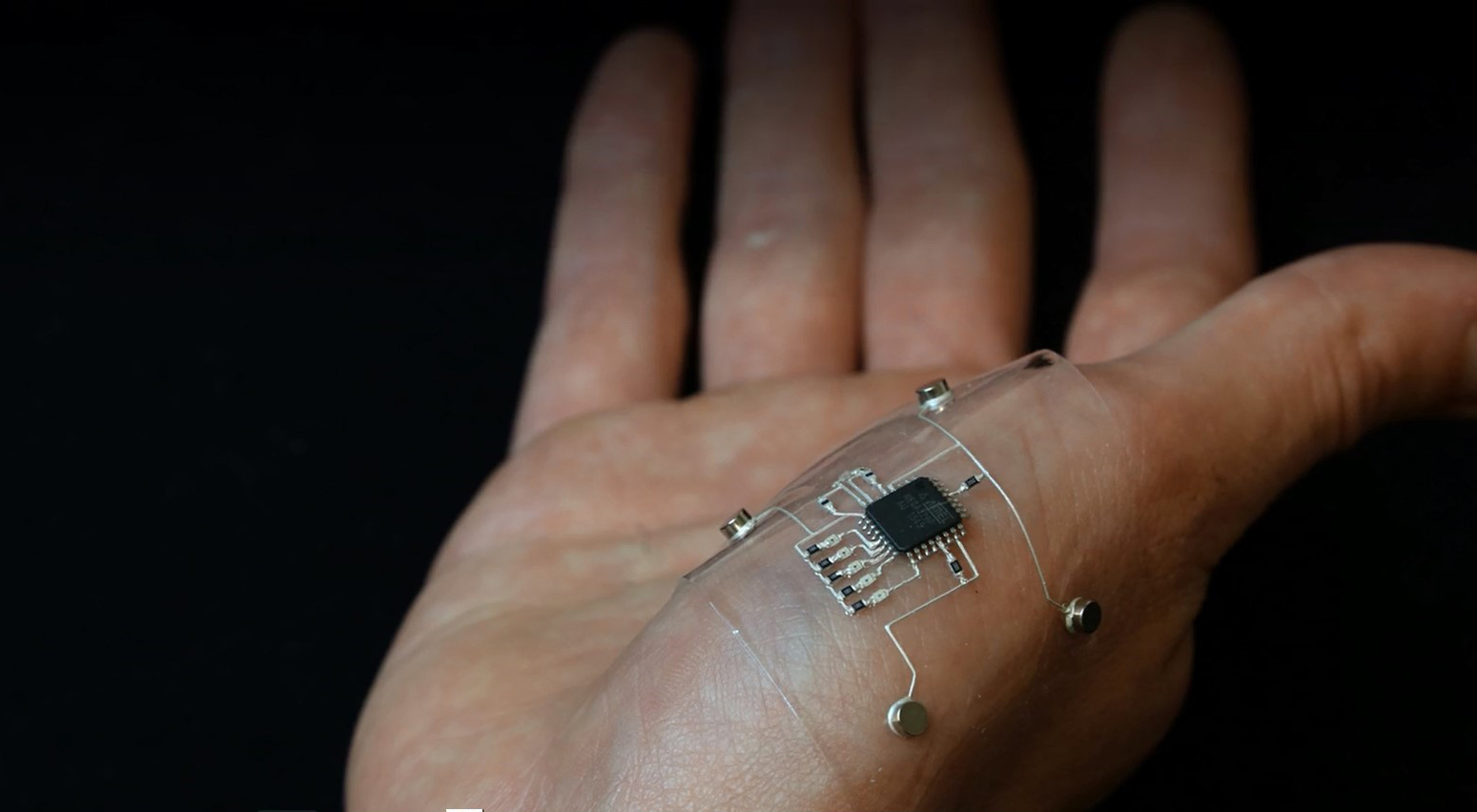
The future of sensing technology may not lie in better electronics, but in stranger geometry. Auxetic metamaterials—structures that do the opposite of what we expect when squeezed—are now stepping into the spotlight. Instead of bulging outward when compressed, they contract inward, concentrating strain in ways nature almost never does. For decades, this quirk of physics was a lab curiosity. Now, thanks to 3D printing, auxetic designs are powering a new class of tactile sensors with applications in robotics, healthcare, and wearable technology.
Continue reading… “3D-Printed Auxetic Sensors: Redefining Touch for Wearables, Robotics, and Healthcare”The Antenna That Refuses to Sit Still
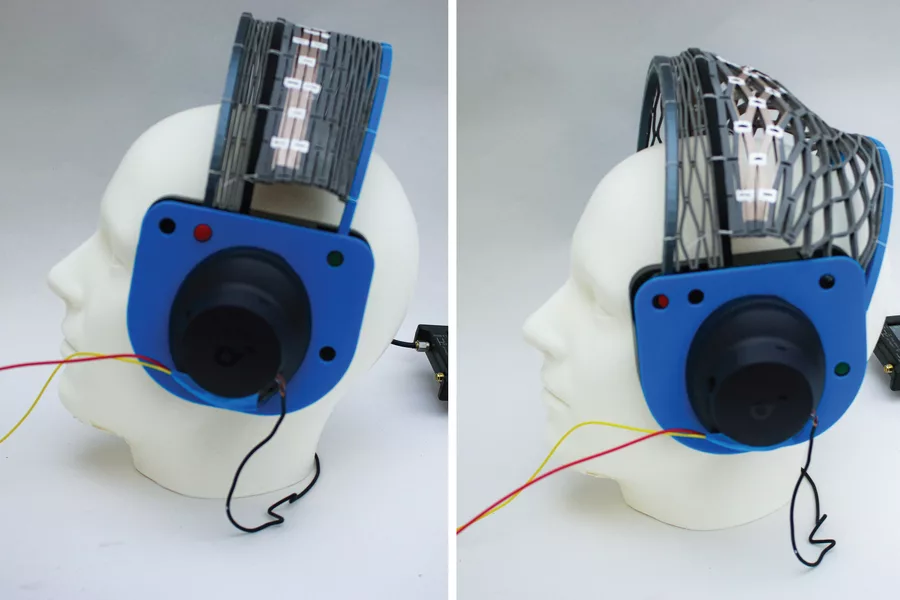
For decades, antennas have been dumb pieces of metal—rigid, fixed, and locked into a single job. MIT engineers just blew that idea apart. Their new “meta-antenna” doesn’t sit idle—it bends, stretches, and contorts itself like a gymnast to switch frequencies, sense motion, and reconfigure itself on demand. No gears. No motors. Just geometry and raw ingenuity.
This isn’t just a better antenna—it’s an entirely new category of technology. Imagine headphones that adjust their wireless mode by flexing their structure, AR glasses that track your movement through tiny shifts in resonance, or wearable gadgets that beam energy wirelessly without swapping hardware. In the future, your antenna won’t just send and receive—it will think, adapt, and respond.
Continue reading… “The Antenna That Refuses to Sit Still”