
By Futurist Thomas Frey
The Day Margaret Stopped Driving
Margaret is 76. She stopped driving last year after her doctor said her vision and reaction time weren’t safe anymore. She didn’t argue—she’d been feeling less confident behind the wheel for a while.
That decision made her a prisoner in her own home.
She lives in a nice house in suburban Phoenix. Her daughter lives 40 minutes away. Her doctor is 15 minutes away. The grocery store is 8 minutes away. Her church is 12 minutes away. Her friends from her book club are scattered across the metro area.
None of this is walkable. There’s no public transit. Uber costs $25-40 for a round trip to the grocery store, which is ridiculous for a 15-minute errand. She can’t ask her daughter to drive her everywhere—her daughter works full-time and has her own kids to worry about.
So Margaret sees her doctor less than she should. She misses church sometimes. She can’t attend book club anymore. She orders groceries online but it’s not the same as shopping herself. She’s lonely, isolated, and depressed.
This is the reality for millions of elderly Americans. About 25% of people over 65 don’t drive anymore. For people over 85, it’s closer to 50%. They lose independence precisely when they most need to maintain it.
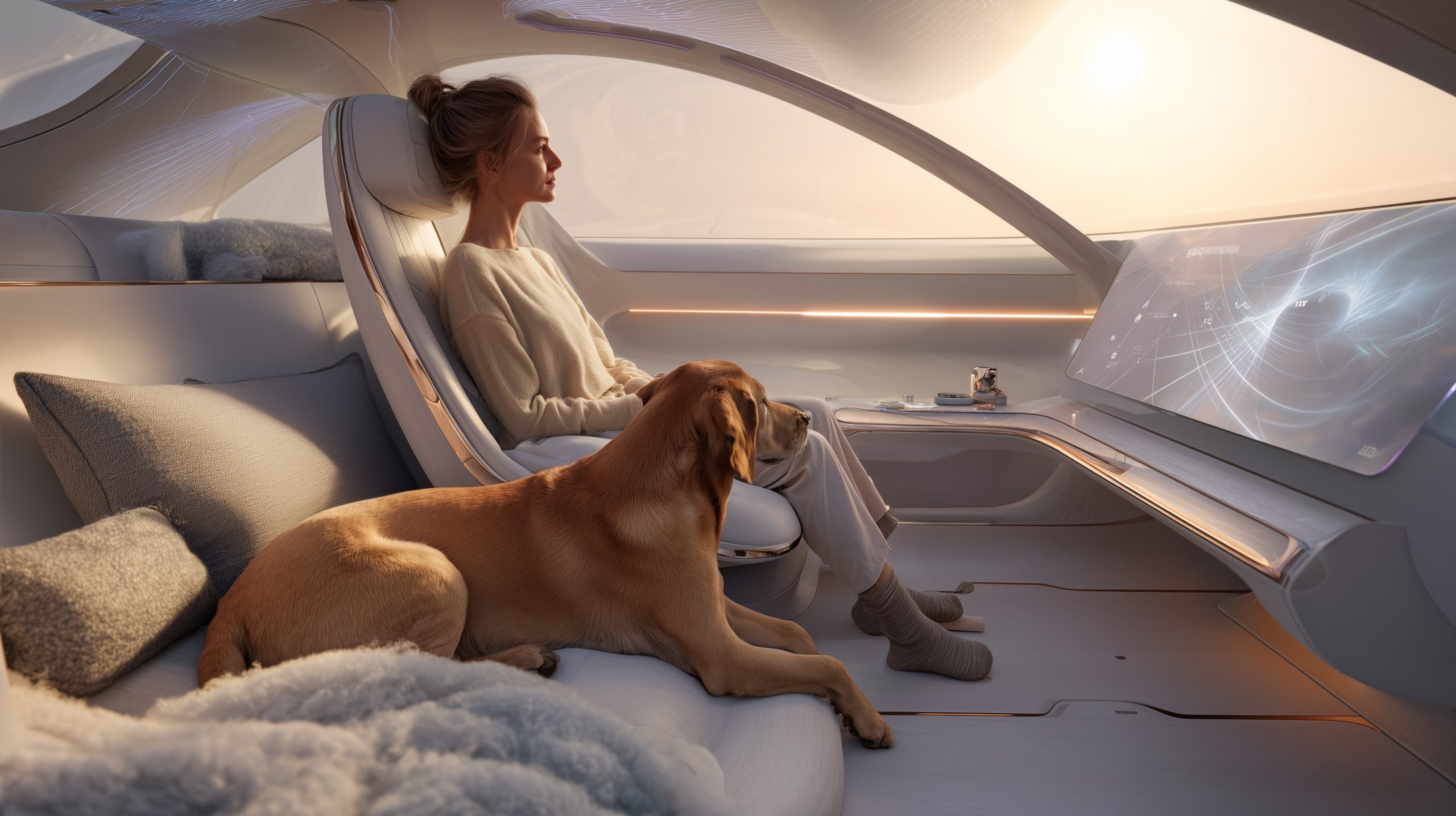
But Margaret is 76 in 2025. If she were 76 in 2040, her life would be completely different. Because by then, she could summon an autonomous vehicle to take her anywhere, anytime, for a fraction of today’s ride-share costs.
She’d keep her independence into her 80s, maybe 90s. She’d stay connected to her community. She’d manage her own medical care. She’d remain active and engaged instead of isolated and declining.
This isn’t hypothetical. This is what autonomous vehicles will do for the elderly. And it’s one of the most unambiguously positive impacts of the technology.
Continue reading… “The Driverless Revolution Series Part 4: Freedom at Last—How AVs Liberate the Elderly, Disabled, and Mobility-Constrained”