
By Futurist Thomas Frey
The Silent Extinction Event Nobody’s Preparing For
We are on the brink of the fastest occupational extinction in human history. Not a slow decline. Not a gradual transformation. A sharp, irreversible collapse of entire job categories—millions of livelihoods gone within a single generation. The trigger has already been pulled. The automation is deployed. The economics are unforgiving. By 2040, five major professions that once defined the working class will no longer exist—not diminished or reshaped, but fully extinct. Governments know it’s coming. Schools know it’s coming. But preparation? None. What we’re facing isn’t a labor shift—it’s a labor collapse.
1. Truck Drivers – The Rolling Extinction (3.5 Million Jobs)
Autonomous freight is no longer science fiction—it’s an economic inevitability. Self-driving trucks are now operating commercial routes in Texas, Arizona, and California. They drive twice as long per day as humans, cut costs nearly in half, and never rest. When you multiply that by the logistics needs of companies like Amazon, Walmart, and UPS, the outcome is obvious: the death of the long-haul driver. By 2030, autonomous freight corridors will dominate major routes, and by 2036, human truckers will be as rare as telegraph operators. This collapse won’t just erase 3 million jobs—it will annihilate small-town economies built around truck stops, motels, diners, and service stations. The real tragedy isn’t the technology—it’s the vacuum that follows.
2. Retail Cashiers – The Vanishing Frontline (3.4 Million Jobs)
“Just walk out” technology—perfected by Amazon Go—is spreading across the retail world. Cameras, sensors, and AI-powered vision now handle checkout faster and more accurately than humans. Within the next decade, the word “cashier” will sound as outdated as “switchboard operator.” Self-checkout isn’t the future; it’s the bridge. The real transformation is AI-managed retail—stores with no lines, no human oversight, and no tolerance for inefficiency. What vanishes with this job isn’t just employment—it’s the entry point into the economy. Cashier roles were the first rung on the employment ladder for millions of teenagers and new immigrants. That ladder is about to be pulled away.
3. Data Entry Clerks – The Silent Casualty (2.1 Million Jobs)
This job is already a ghost. AI can extract, clean, and process data with nearly perfect accuracy at a fraction of the cost. Optical character recognition, machine vision, and language models now do in seconds what took humans days. By 2030, manual data entry will be obsolete. The tragedy here is invisible—data entry was one of the few accessible jobs for people with disabilities, caregivers, or those needing flexible hours. Those roles aren’t being replaced—they’re being erased. AI “supervisors” require higher skills, leaving millions who once worked quietly from home suddenly locked out of the workforce.
4. Bank Tellers – The End of the Counter (0.5 Million Jobs)
Bank branches are vanishing faster than shopping malls. For anyone under 35, stepping inside a bank is already a rare experience. With 90% of transactions handled digitally, there’s no economic justification for human tellers. Over 3,000 branches close annually in the U.S., and by 2035, the few remaining will cater exclusively to high-net-worth clients or serve ceremonial functions. For older workers—mostly women in their late 40s and 50s—this is a dead end. The skills they’ve honed over decades don’t transfer to a digital banking world. The cruel irony is that automation doesn’t just remove the job; it erases the social infrastructure that once supported them.
5. Travel Agents – The Disappearing Intermediaries (0.2 Million Jobs)
The AI travel revolution is total. Today, anyone can plan a complex, personalized itinerary across multiple countries in 60 seconds—with no human assistance. The few surviving agents now serve niche luxury markets or elderly clients resistant to change. But they are the early warning for something larger: the extinction of intermediary professions. Real estate agents, insurance brokers, ticket sellers, and even loan officers are following the same curve. When algorithms can negotiate, verify, and transact, human middlemen lose their value. The “advisor economy” of the 20th century is collapsing under the weight of 21st-century computation.
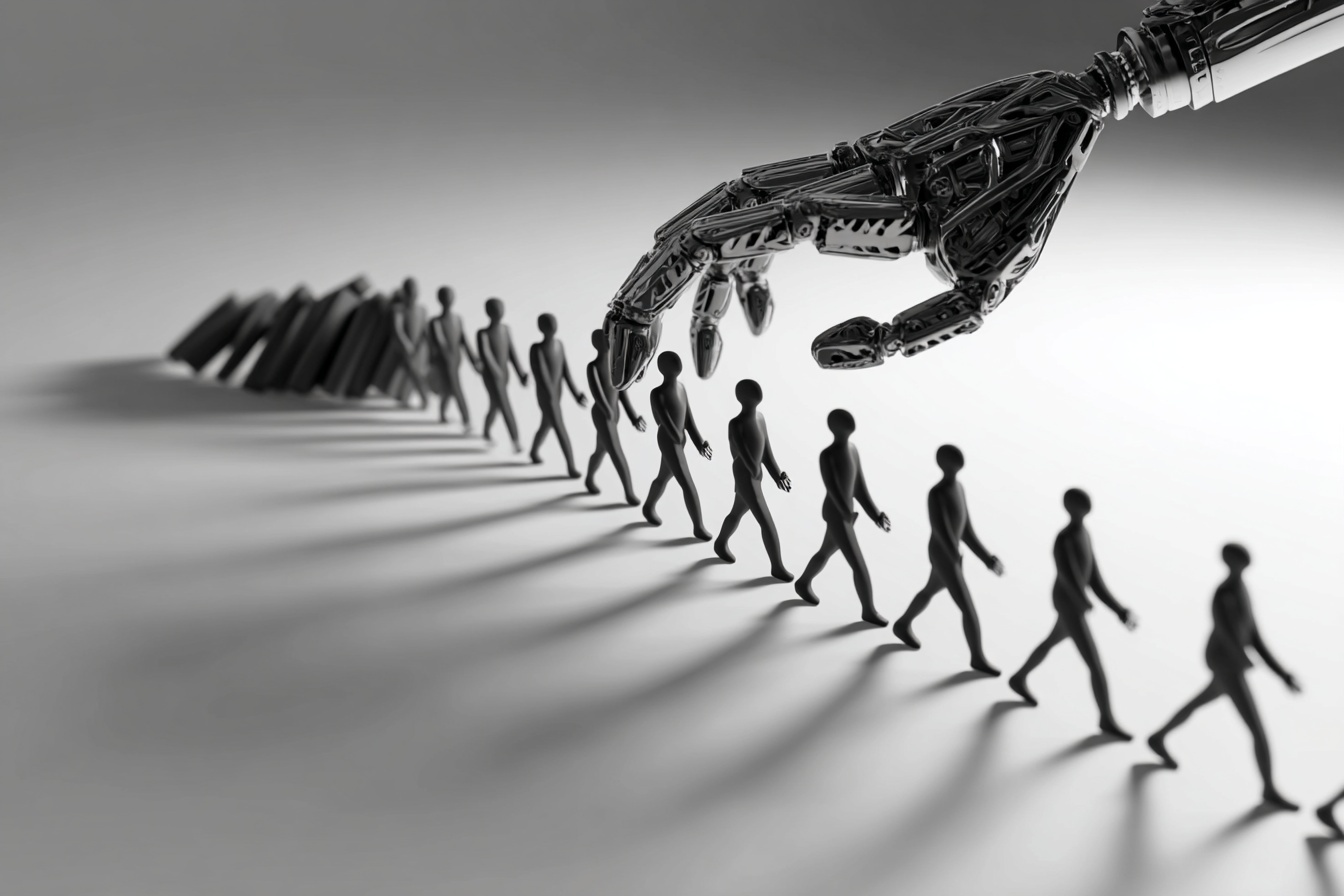
The Domino Effect
Together, these five categories represent over 9 million direct jobs—and at least 4 million more in dependent industries. Between 2028 and 2036, the U.S. could see 13 million workers displaced—nearly 8% of the total labor force. The losses won’t be evenly spread. Rural regions will face 25–30% unemployment as trucking and retail collapse simultaneously. Urban areas will adapt faster but still absorb millions of service job losses. The social fallout will be enormous: depopulated towns, mental health crises, and the rise of economic “ghost zones.”
The Questions Nobody Wants to Answer
What happens to the 55-year-old truck driver in Nebraska when his $65,000 job vanishes and there’s no new employer within 200 miles? What happens to the single mother who once worked as a cashier when every store in her town is fully automated? What happens to teenagers entering a labor market with no entry-level jobs left? We’ve replaced “employment ladders” with “AI platforms,” but we’ve built no bridges between them. Policymakers talk about retraining, but retraining for what? There’s no coherent national strategy for reabsorbing millions of displaced workers.
The Uncomfortable Truth
This is not theoretical. It’s measurable. It’s visible. It’s already happening. The collapse of truck driving, cashiering, and data entry isn’t a prediction—it’s a process. By 2040, these occupations will be as extinct as switchboard operators, milkmen, or elevator attendants. We’re not debating if it happens, only how soon and how painfully. We have perhaps five years left before the first wave of job loss hits in full force. Without aggressive preparation—income safety nets, retraining pipelines, and regional transition plans—millions will be left behind in the largest labor reorganization since the Industrial Revolution.
Final Thoughts
Automation isn’t evil, but indifference is. The future doesn’t arrive overnight—it erodes slowly, invisibly, until one day we realize the world no longer needs what we know how to do. The greatest challenge of the 21st century won’t be building smarter machines. It will be finding meaningful lives for the people they replace.
Related: The Algorithmic Allocator: When AI Decides Who Gets Funded — ImpactLab
Related: The Death of Job Interviews: When Work Proves Itself — ImpactLab
