
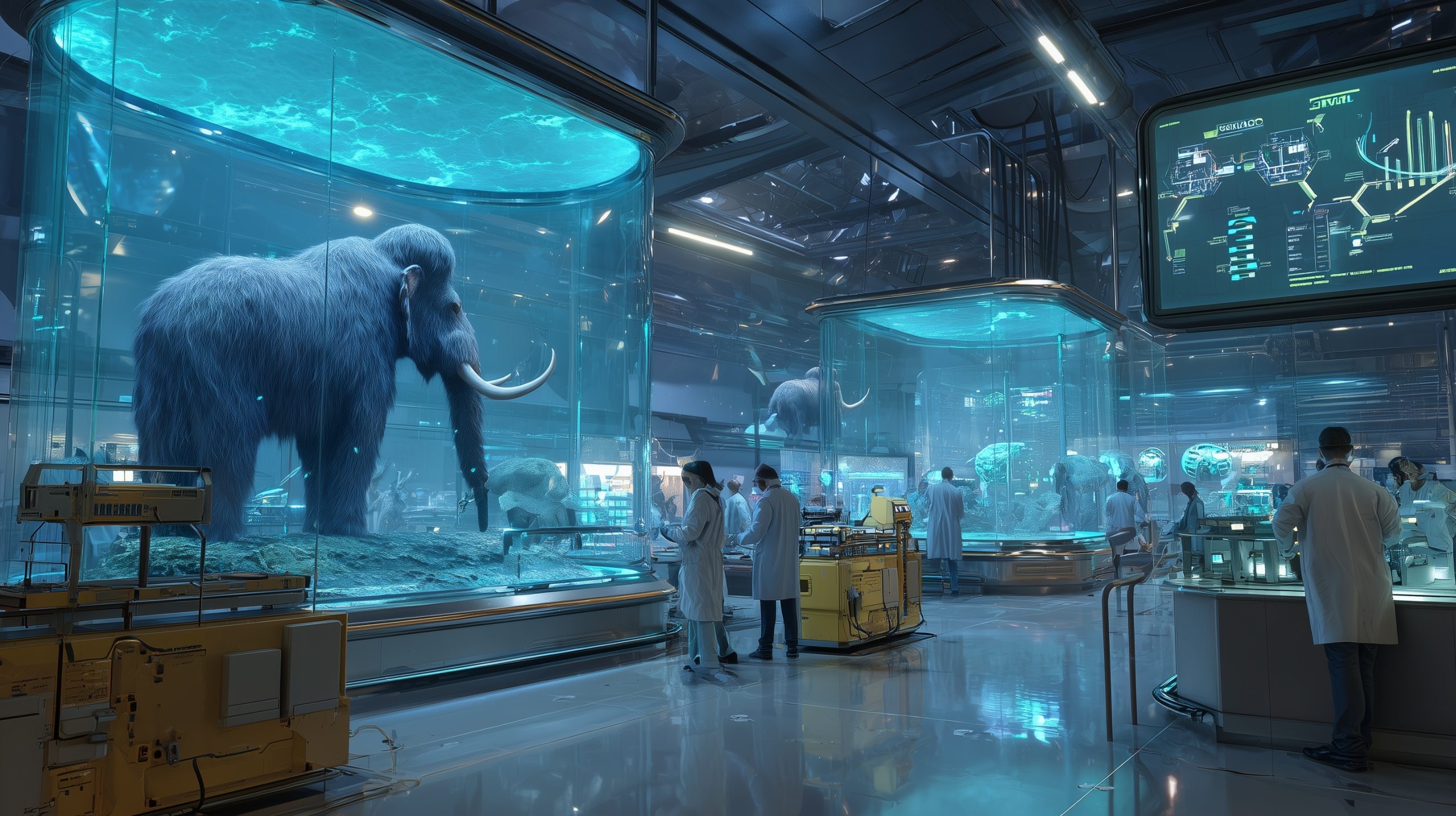
By Futurist Thomas Frey
When electricity transformed civilization in the late 1800s, we built science museums to help people understand it. When flight became possible, we built aviation museums. When space exploration began, we built planetariums and space centers. These weren’t just tourist attractions—they were cultural infrastructure that helped society understand, embrace, and participate in transformative technologies.
Now we’re living through changes more rapid and profound than anything in history—AI, robotics, autonomous systems, quantum computing, synthetic biology. Technologies that will reshape every aspect of human civilization within decades.
And we have almost no cultural institutions helping people understand them.
No robotics arenas where families can watch humanoid robots demonstrate capabilities and limitations. No halls showcasing companies that achieved billion-dollar valuations through breakthrough innovations. No museums of future inventions where children can interact with technologies that will define their careers. No AI discovery centers explaining how these systems actually work and why they matter.
This is a massive gap—and a massive opportunity. We need an entire generation of new cultural institutions: Exploratorium-style centers that make cutting-edge technology accessible, inspiring, and understandable.
The Exploratorium Model: A Brief History
In 1969, physicist Frank Oppenheimer opened the Exploratorium in San Francisco’s Palace of Fine Arts with a revolutionary idea: science museums should be about doing, not just looking. Traditional museums displayed artifacts behind glass. The Exploratorium created hundreds of hands-on exhibits where visitors could directly experience scientific phenomena.
Oppenheimer, who was the brother of Robert Oppenheimer and had also worked on the Manhattan Project and later been blacklisted during the McCarthy era, believed deeply in democratizing science. His vision was a “museum of science, art, and human perception” where anyone—regardless of education or background—could explore fundamental principles through direct interaction.
The impact was immediate and transformative. Visitors didn’t read about optics—they manipulated light and shadow. They didn’t study sound waves—they created them and observed the results. Children and adults alike became active experimenters rather than passive observers.
By the 1980s, the Exploratorium model had influenced science centers globally. Interactive science museums proliferated, all following Oppenheimer’s insight: people understand through experience, not just explanation.
Now, fifty-five years later, we need to apply that same philosophy to the technologies defining our era. Not museums where you look at robots behind barriers, but arenas where you interact with them. Not exhibits explaining AI through text panels, but experiences where you train models and see how they learn.
The Exploratorium proved that complex science becomes accessible through hands-on experience. We need that same approach for AI, robotics, and quantum computing—technologies far more complex and consequential than anything the original Exploratorium addressed.
Why Cultural Institutions Matter
Museums, science centers, and cultural institutions serve purposes that education systems and media can’t:
Experiential learning: You don’t read about robots—you interact with them. You don’t watch videos about AI—you train models yourself and see how they work. Hands-on experience creates understanding that abstract explanation never achieves.
Inspiration and recruitment: Generations of scientists and engineers trace their career origins to childhood visits to science museums, planetariums, and research centers. These institutions don’t just educate—they create vocations.
Public literacy: Complex technologies require informed citizens to make good policy decisions. Cultural institutions build baseline understanding that enables democratic participation in technological governance.
Cultural legitimization: When society builds institutions around a technology, it signals that this matters, this is important, this deserves attention and resources. Museums legitimize technologies as worthy of cultural investment.
Intergenerational connection: Grandparents and grandchildren experience new technologies together, creating shared understanding and reducing generational divides around innovation.
We had this infrastructure for previous technological revolutions. We don’t have it for the current one. That needs to change.

The Robotics Arena
Imagine a facility where visitors watch humanoid robots navigate obstacle courses, perform delicate manipulations, interact with humans, and demonstrate the cutting edge of robotic capability—live, in person, not in videos.
Think robot competitions meets educational theater. Boston Dynamics-style demonstrations alongside hands-on workshops where children program simple robots. Exhibits showing the evolution from industrial arms to humanoid assistants to the robots that will care for aging populations.
The goal isn’t entertainment alone—it’s demystification. People fear robots because they don’t understand them. Let them interact with robots, see their limitations, understand their programming, and fear transforms into informed engagement.
These arenas become recruitment centers. The child who programs a robot to navigate a maze at age ten becomes the robotics engineer at age twenty-five. The pathway from curiosity to career needs institutional support—and robotics arenas provide it.
The Unicorn Hall of Fame
Every industry has halls of fame celebrating achievement. Technology needs one celebrating companies that achieved breakthrough success—not just for founders’ egos, but to inspire the next generation and document innovation patterns.
Displays showing how companies like OpenAI, SpaceX, Stripe, and others went from ideas to billion-dollar valuations. Interactive exhibits letting visitors explore the decisions, pivots, and breakthroughs that made success possible. Founder interviews, early pitch decks, product evolution, failure stories alongside successes.
The goal: demystify entrepreneurship. Show that breakthrough companies aren’t magical—they’re the result of specific decisions, persistent iteration, and learning from failure. Make the pathway visible so others can follow.
This becomes pilgrimage destination for entrepreneurs globally—the place you visit to understand what breakthrough innovation actually looks like and how it happens.
The Future Careers Discovery Center
As AI and automation reshape work, children need to understand what jobs will exist when they enter the workforce. A museum dedicated to future careers provides that roadmap.
Interactive exhibits showing emerging professions: AI orchestrator, robot maintenance specialist, synthetic biology designer, space infrastructure builder, longevity therapist, quantum algorithm developer. Simulations letting visitors “try out” future jobs. Connections to educational pathways and skill requirements.
Critical addition: exhibits on jobs that humans will retain because they require life, not just intelligence. Care work, creative work, relationship-based professions, meaning-making roles. Helping young people understand that human value doesn’t disappear—it concentrates in areas machines can’t replicate.
This institution addresses the anxiety around automation by making the future legible. Fear comes from uncertainty. Show people what’s coming and how to prepare, and anxiety transforms into agency.
The AI Intelligence Nexus
AI is transforming everything, yet most people have no idea how it actually works. The Intelligence Nexus changes that.
Hands-on exhibits where visitors train simple AI models and watch them learn. Demonstrations showing AI’s capabilities and spectacular failures. Transparent explanations of how language models, computer vision, and recommendation systems function. Ethical dilemmas visitors can explore—should AI be used here? Who benefits? What could go wrong?
Most importantly: exhibits distinguishing intelligence from life, capability from consciousness, tools from beings. The cultural confusion around AI threatens both overregulation and insufficient oversight. An institution dedicated to AI literacy helps society make better decisions.
This becomes required field trip destination for every school, the place where citizens learn enough about AI to participate meaningfully in governance decisions.
The Quantum Discovery Center
Quantum computing is coming. Almost nobody understands it. That’s a problem when quantum technologies will reshape cryptography, drug discovery, materials science, and financial modeling.
A center dedicated to making quantum mechanics and quantum computing accessible—not easy, but approachable. Interactive demonstrations of quantum phenomena. Explanations of why quantum computing matters. Simulations showing what becomes possible.
This institution doesn’t need to make everyone a quantum physicist. It needs to make enough people quantum-literate that society can have informed conversations about quantum technology governance, investment, and application.
The Global Language Archive
As AI translation approaches human quality, preserving linguistic diversity becomes both more possible and more urgent. A living archive documenting every human language—spoken, signed, written—with AI-powered tools making them accessible.
Not just preservation but celebration: exhibits showing linguistic diversity, cultural contexts, endangered languages being documented before they disappear. Tools letting visitors compare how different languages express similar concepts, revealing different ways of thinking embedded in language structures.
This institution serves dual purposes: cultural preservation and AI training data. The most comprehensive language archive in history, open to researchers, essential for developing truly multilingual AI systems, celebrating human linguistic achievement.
Why This Matters Now
We’re at an inflection point. The technologies reshaping civilization are real, deployed, affecting lives—but most people don’t understand them. That gap creates fear, resistance, and poor policy.
Cultural institutions bridge understanding gaps. They make the complex accessible. They inspire next generations. They legitimize technologies as worthy of public engagement.
Most importantly: they’re joyful. Museums, science centers, discovery centers—these are places people want to visit, experiences they remember, institutions that create positive associations with technologies that otherwise seem threatening.
We built museums for electricity, for flight, for space exploration. We need to build them for AI, robotics, quantum computing, and synthetic biology. Not someday—now, while these technologies are still novel enough that institutions can shape public understanding rather than just document it.
Final Thoughts
The rapid pace of technological change creates enormous challenges for cultural adaptation. But it also creates opportunities to build institutions that help society navigate transformation successfully.
These aren’t luxury amenities for wealthy tech hubs. They’re essential infrastructure for helping humanity understand and participate in technologies that will define our collective future.
Every major city should have at least one of these institutions. Smaller cities should have traveling exhibits and partnerships. Schools should treat visits as essential educational experiences.
The generation growing up now will work with AI daily, collaborate with robots routinely, and rely on quantum technologies constantly. They need cultural institutions that help them understand, embrace, and shape those technologies rather than just submit to them.
We have the opportunity to build the Exploratoriums of the AI age—institutions that make transformative technologies accessible, inspiring, and comprehensible. Institutions that turn fear into curiosity, resistance into engagement, and confusion into competence.
The question isn’t whether we need these institutions. The question is whether we’ll build them fast enough to matter.
Related Stories:
https://www.smithsonianmag.com/innovation/future-science-museums-180984128/
