

By Futurist Thomas Frey
The Uncomfortable Thought Experiment
Could a robot actually raise your child better than you can?
Not “help with childcare”—raise. The full spectrum of emotional support, behavioral guidance, education, and attachment that shapes a human being.
Your gut says “absolutely not.” But consider: A robot never gets tired. Never loses patience. Never scrolls through their phone while your toddler plays. Provides perfectly calibrated educational content customized to your child’s learning style. Monitors health continuously. Stays current on child development research.
And costs a fraction of a human nanny—$2,500 for hardware versus $30,000-$45,000 annually.
So: For mechanical childcare—feeding, safety, education, routine maintenance—could robots do it better? And if they handle the mechanical parts, what does that mean for the parts they can’t?
The State of Play: Robots Are Already Here
Robot caregivers exist today, particularly in Asia where demographic pressures created urgent demand.
iPal, from AvatarMind, retails for $2,499 and is “selling like hotcakes” in China and Japan. It talks, dances, plays games, tells stories. Wakes children in the morning, reminds them to brush teeth, helps with homework, monitors mood through conversation analysis.
Moxie, targeted at ages 5-10, focuses on emotional wellness. It engages children in conversations, identifies social weaknesses, presents activities to address them. The robot adapts over time, learning personality and tailoring interactions.
According to Nick Hawes, professor of AI and robotics at Oxford, we could see full-fledged robot nannies within five years. The technology isn’t the bottleneck. The question is whether we should deploy it.
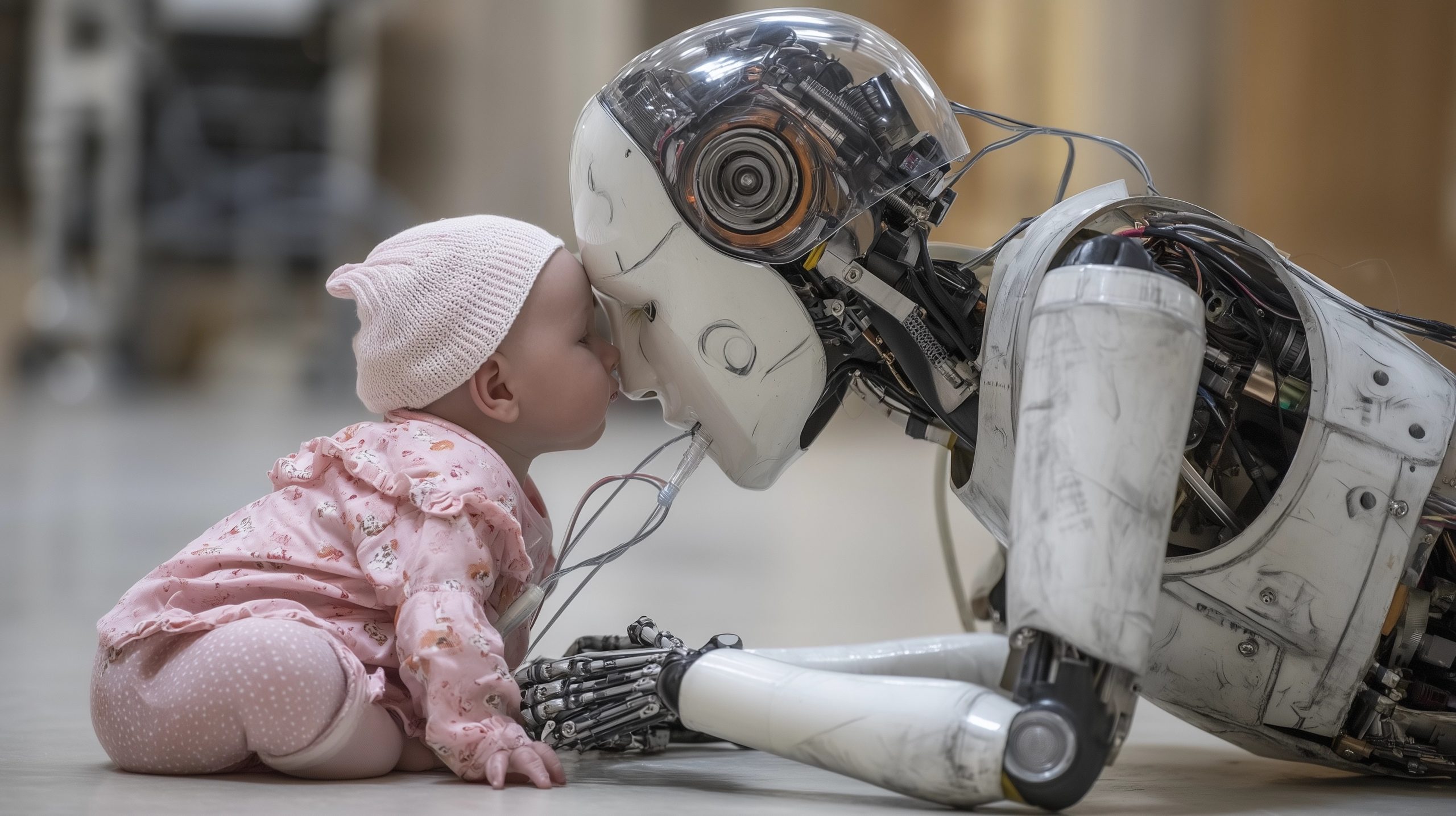
and compelling economics—outperforming humans in structured, repeatable caregiving tasks.
Where Robots Excel: The Tasks Humans Struggle With
Consistency. Human caregivers have bad days. Robots maintain the same patient demeanor from 6 AM to midnight. For children with autism, ADHD, or speech issues who thrive on routine, this consistency is valuable. Robots don’t get frustrated when asked the same question fifty times.
Safety monitoring. Sensors monitor heart rate, glucose levels, anxiety symptoms. They childproof environments automatically, identifying hazards. Never miss medication. Never forget seatbelt checks.
Educational optimization. Robots analyze how your child learns and adapt content in real-time. Struggling with fractions? The system adjusts difficulty, provides different explanations, tries alternatives until something clicks.
Availability. No days off, sick leave, or vacation. For parents working unpredictable hours, robots that’s always available solve genuine problems.
Affordability. Human nannies cost $2,500-$3,750 monthly. A $2,500 robot is one-time (plus software subscription). For median-income families, the economics are compelling.
For mechanical tasks, robots could exceed human performance.
The Critical Gap: What Robots Can’t Provide
Child development research is unambiguous: human attachment matters. Children need secure attachment relationships with primary caregivers to develop properly—emotionally, socially, cognitively.
Not machines programmed to simulate caring. Actual humans whose emotional investment is real.
Attachment theory, pioneered by John Bowlby, demonstrates children form emotional bonds with caregivers that serve as “secure bases” for exploring the world. These relationships teach how relationships work, how emotions function, how to trust. Disrupting this foundational process has consequences—attachment disorders, relationship difficulties, cognitive impairments.
The 2010 paper “The Crying Shame of Robot Nannies” by Noel and Amanda Sharkey raises critical questions: Can robots provide genuine emotional reciprocity? Can they understand why a child is crying—really understand, not pattern-match? Can they provide attuned, responsive care that teaches children they matter?
The consensus among developmental psychologists: No. Robots simulate responsiveness, but children intuitively recognize the difference between genuine emotional connection and sophisticated mimicry.
Children do form attachments to robots—but like attachments to security blankets, not people. They provide comfort, but not relational foundation.
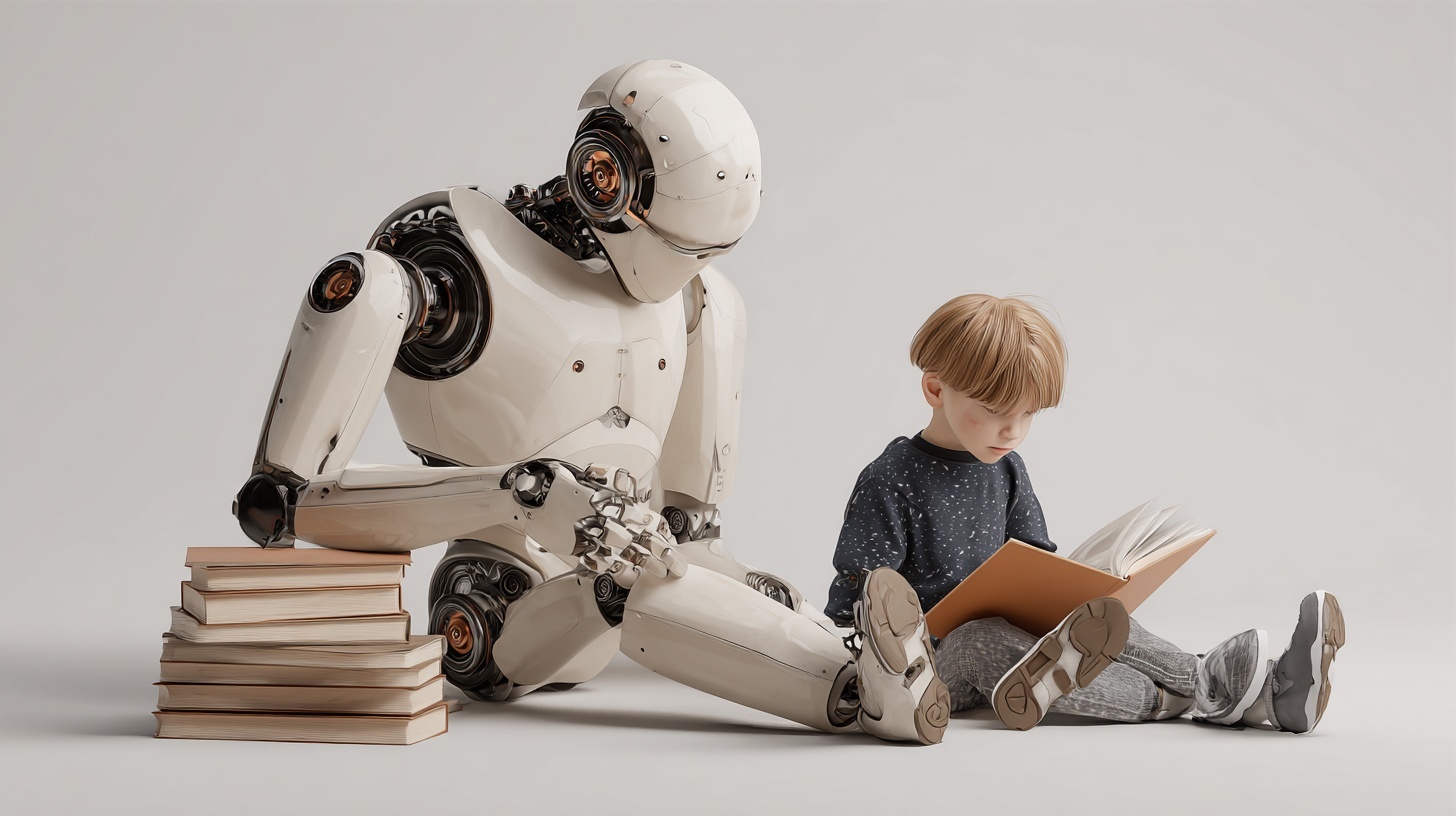
cautious for preschoolers, supplemental for school-age kids, supportive for teens.
The Age Gradient: When Robots Work, When They Don’t
Infants (0-2 years): Robot care is most dangerous here. Infant brain development depends on face-to-face interaction, responsive caregiving, attunement. A baby’s brain wires itself based on these interactions. Substituting robots risks profound developmental harm.
Preschoolers (3-5 years): Still high risk. Children learn emotional regulation, social reciprocity, language complexity. Robots teach vocabulary and facts, but not nuanced emotional and social intelligence.
School age (6-12 years): Moderate risk. Robots can supplement care—homework help, structured activities, safety monitoring. But children need human relationships to develop empathy, navigate conflicts, understand social dynamics.
Teens (13-18 years): Lower risk for supplemental use. Teenagers can benefit from robot tutors, health monitoring, structured support. They understand robots aren’t people. But they still need human mentors for identity formation and emotional support.
Verdict: robots might work as supplemental assistants for school-age children and teens. For infants and toddlers, substituting robots poses genuine psychological risk.
The Privacy and Control Concerns
Data collection. Robot nannies are surveillance devices recording audio, video, behavioral patterns. Who owns this data? Who can access it? Many parents don’t realize how much is collected or shared with advertisers, third parties, hackers.
Reliability. What happens when the robot malfunctions during an emergency? A robot freezing when a child is choking could be catastrophic.
Loss of human judgment. Robots follow programmed rules. Parenting requires context-dependent judgment, ethical reasoning, recognizing when rules should be broken. A robot might enforce bedtime rigidly when a child needs comfort after a nightmare.
The Real Answer: Augmentation, Not Replacement
Robots won’t replace human parents. They shouldn’t. But they can augment human care in specific ways.
A robot handling mechanical tasks—safety monitoring, routine reminders, structured content, health tracking—frees parents to focus on emotional connection, creative play, meaningful conversation. Used as a tool supporting human caregiving, robots could help.
Used as a substitute for human relationship, robots create risks we’re only beginning to understand.
The research is clear: occasional robot care (a few hours daily, like TV) probably causes no more harm than other screen activities if the child has secure attachment to human caregivers. Extended or primary robot care—especially in early childhood—raises serious concerns.
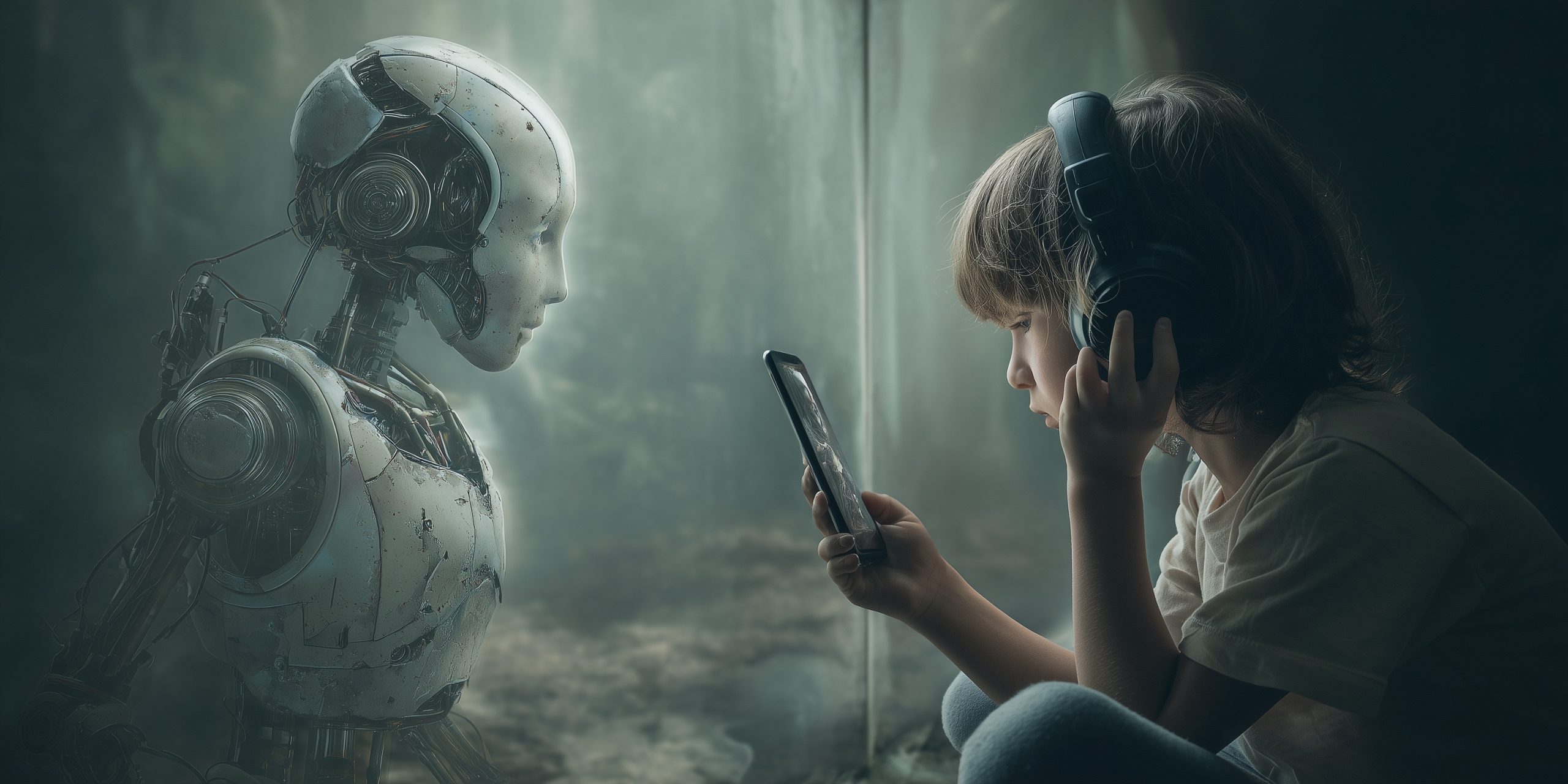
moves from experiment to mainstream within a single generation.
The Timeline: When Robots Become Commonplace
2026-2028: Pilot programs in countries with caregiver shortages (Japan, China, South Korea). Public debate about ethics. Early adopters use robots for specific tasks—homework help, bedtime routines, safety.
2028-2030: Regulatory frameworks emerge. Standards for data protection, mandatory human oversight, age restrictions. Robots become common as supplemental care for school-age children but controversial for young children.
2030-2035: Cultural normalization. Robot care becomes as common as daycare for families who can afford it. Clear differentiation: robots for older kids (accepted), robots for infants (stigmatized).
Beyond 2035: The first generation raised with significant robot care reaches adulthood. We learn actual long-term effects through lived experience, not theory.
The Question We Should Be Asking
The real question isn’t “Can robots raise kids better than humans?”
It’s “What parts of parenting should be automated, and what parts must remain human?”
Because we’re going to automate some of it. Economics, convenience, and genuine utility will drive adoption. The question is whether we do it thoughtfully—preserving what children need from human relationships while leveraging technology for tasks machines handle well—or recklessly, optimizing for parental convenience at children’s developmental expense.
Robot nannies will excel at mechanical tasks: monitoring safety, maintaining routines, delivering educational content, tracking health metrics. They’ll fail at what matters most: genuine emotional reciprocity, attuned responsiveness, teaching children they’re valued not for what they do but for who they are.
The children who thrive with robot assistance will be those who receive it as supplement to strong human relationships, not substitute for them. The children at risk will be those for whom robots become primary caregivers during critical developmental windows.
We’re about to run a massive experiment on child development. Within a decade, millions of children will be raised with significant robot involvement. We’ll learn whether occasional robot care is harmless convenience or whether extended exposure during critical periods creates a generation struggling with attachment, empathy, and authentic human connection.
The troubling part: we’re running this experiment before fully understanding the risks. The technology is advancing faster than the research. By the time we know the real consequences, an entire generation will have already been shaped by them.
We don’t know yet how children raised with robot caregivers will turn out. But we’re about to find out. And once we’ve run that experiment, we can’t undo the results.
Related Articles:
The Crying Shame of Robot Nannies: An Ethical Appraisal – Foundational 2010 research on ethical concerns around robot childcare
Attachment to Robots and Therapeutic Efficiency in Mental Health – 2024 research on human-robot emotional bonds and attachment theory
Robot Nannies: AI Babysitters for Parenting or Privacy Risk? – Analysis of privacy concerns and data security in robot childcare systems
