By Futurist Thomas Frey
The Parent Taxi Problem
My neighbor Sarah spends at least 90 minutes every weekday driving her kids around. School drop-off. Soccer practice pickup. Piano lessons. Friend’s house. Back home. Grocery run with kids in tow because there’s no time otherwise.
She’s exhausted. Her career is limited because she can’t commit to late meetings—she’s got pickup duty. Her evenings are fractured into 15-minute segments between driving trips. She jokes that she sees more of her car’s interior than her living room.
This is normal for American parents. The average parent with kids in activities spends 1-2 hours daily as a chauffeur. It’s unpaid work. It’s stressful. It’s necessary.
Until it isn’t.
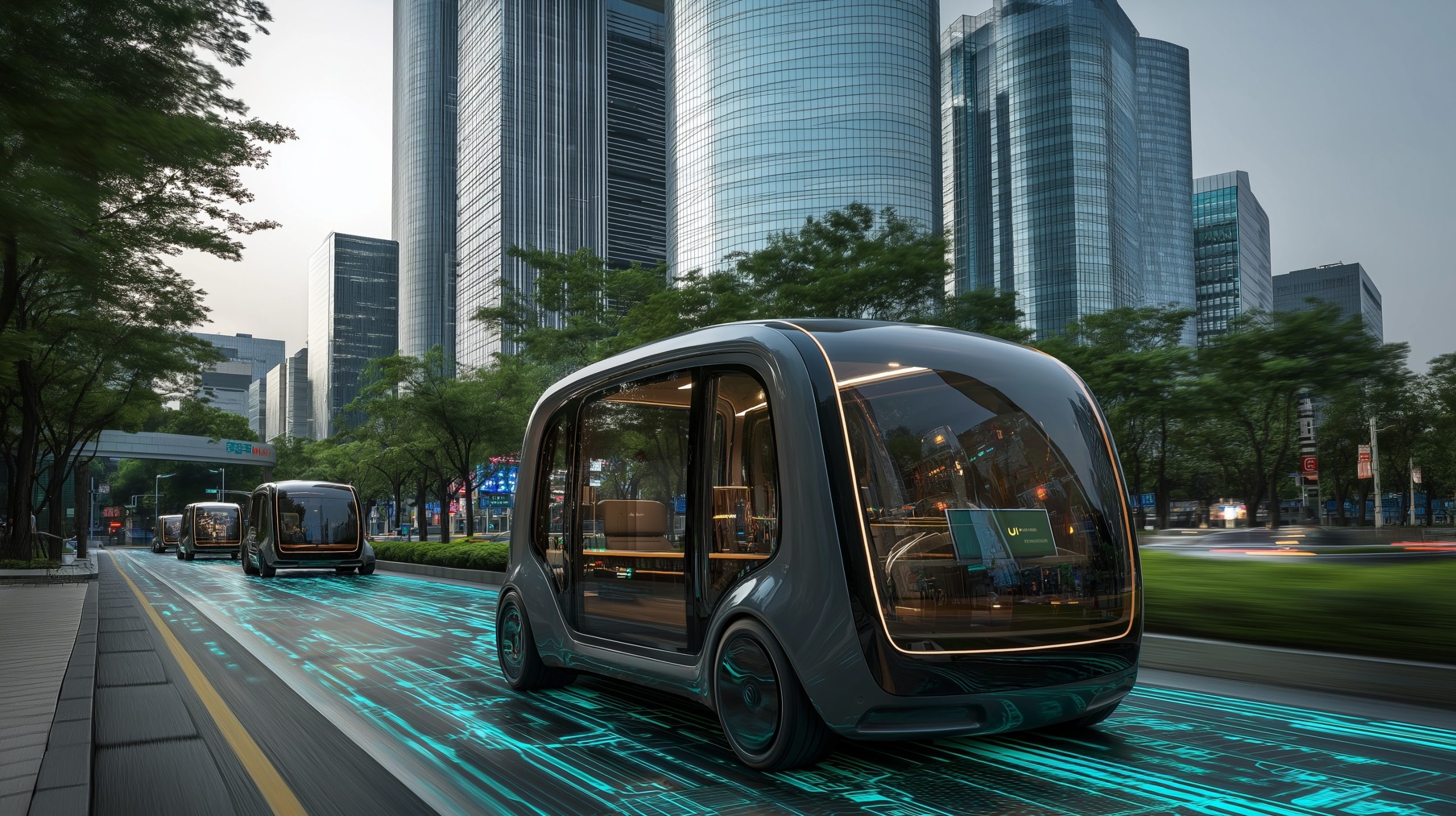
Imagine Sarah’s life when her 10-year-old can summon an autonomous vehicle to take him to soccer practice. When her 13-year-old can get herself to piano lessons. When both kids can visit friends across town without Sarah driving them.
This isn’t some distant future. This is the late 2030s. And it changes everything about childhood, parenting, and family life.
Continue reading… “The Driverless Revolution Series Part 3: Children Will Drive Themselves—How AVs Transform Childhood, Parenting, and Independence”