Submarine Medicine: Steering Microscopic Robots Through Your Bloodstream to Fight Disease

By Futurist Thomas Frey

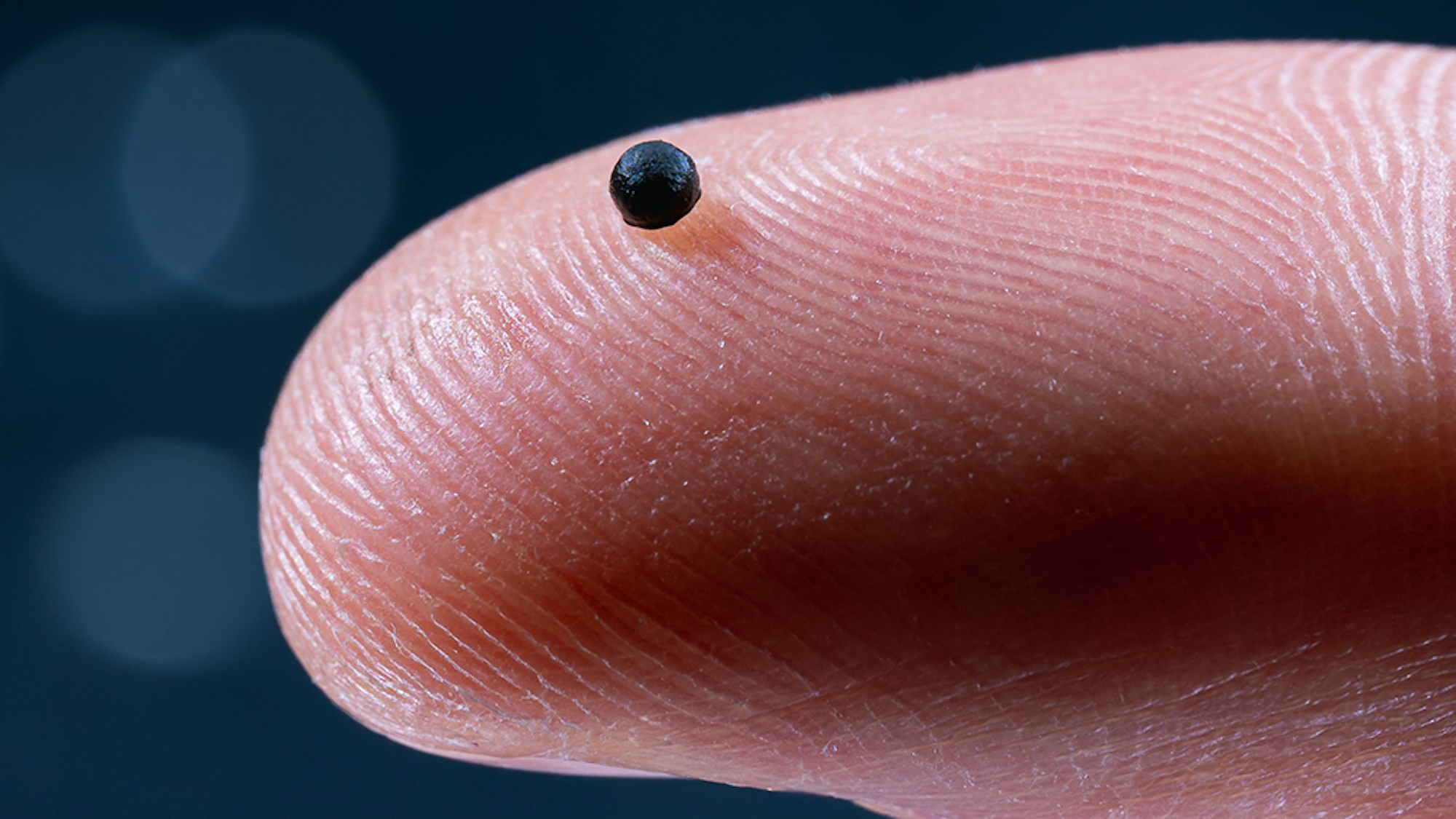
Imagine this: You’re having a stroke. Instead of flooding your entire body with massive doses of clot-busting drugs—which could cause dangerous internal bleeding—doctors inject a microscopic robot smaller than a grain of sand into your bloodstream. Using external magnets, they steer it through your arteries like a tiny submarine, navigating precisely to the blood clot blocking oxygen to your brain. Once there, it releases its medication payload directly at the blockage, dissolving the clot with minimal side effects.

This isn’t science fiction. It’s happening now. Researchers at Switzerland’s ETH Zurich have developed magnetically-guided microrobots that successfully navigate through blood vessels, delivering medication with unprecedented precision. In 95% of test scenarios using pigs, these tiny devices reached their intended destinations, demonstrating that the era of medical microrobots has arrived.

This represents a fundamental shift in how we think about medicine—from systemic treatments affecting the entire body to targeted interventions at cellular and molecular scales. And stroke treatment is just the beginning.

Continue reading… “Submarine Medicine: Steering Microscopic Robots Through Your Bloodstream to Fight Disease”
AI-Engineered Nanolattices: Stronger Than Steel, Lighter Than Foam

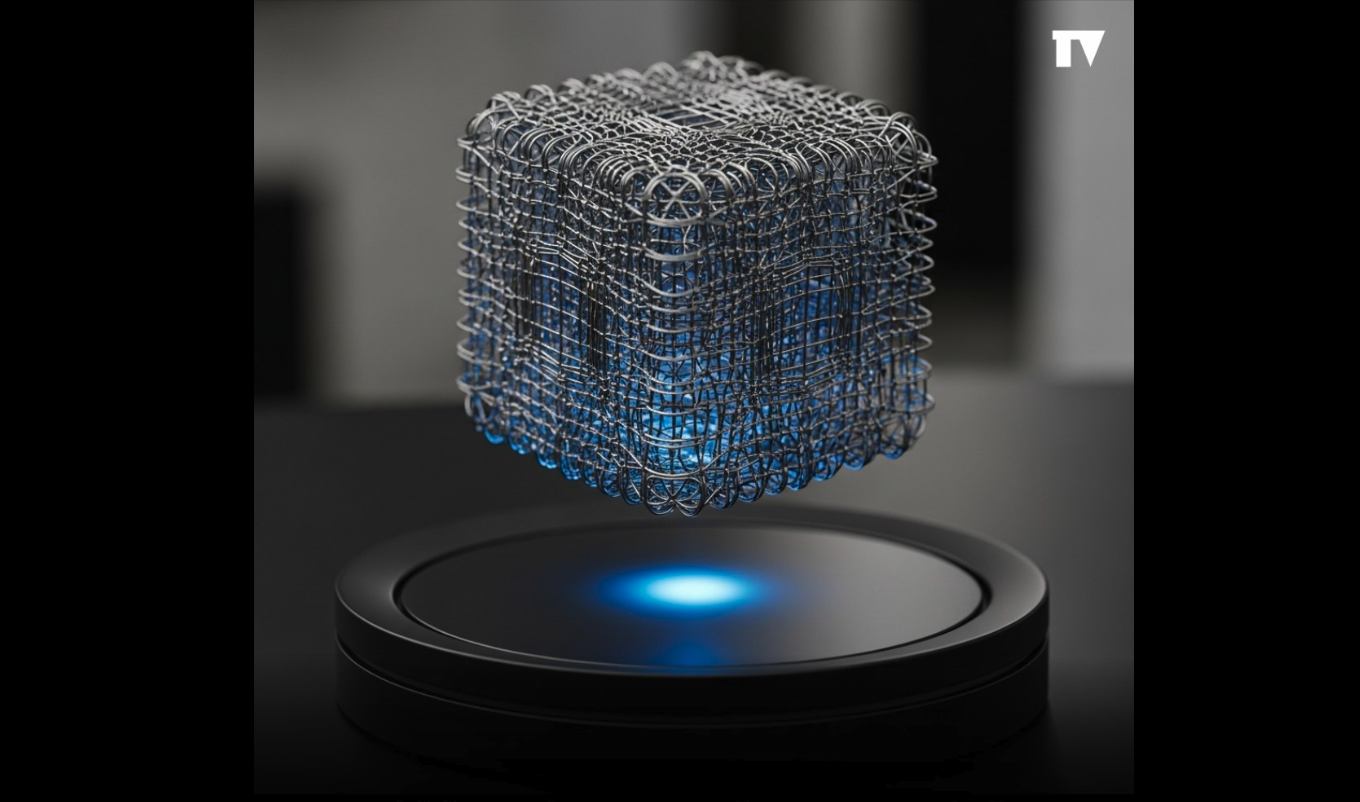
The strongest materials of the last century were discovered with hammers, furnaces, and patience. The strongest materials of the next century will be discovered with prompts. In labs where lasers etch features thinner than a red blood cell and algorithms hunt Pareto fronts, researchers have now taught artificial intelligence to design a carbon nanolattice that carries the compressive punch of carbon steel while weighing about as much as Styrofoam. That is not a metaphor. It’s a new class of matter—architected by code, born in light, and refined in heat—that could remake aerospace, mobility, construction, sport, and any place where every gram and every Newton matter.

Continue reading… “AI-Engineered Nanolattices: Stronger Than Steel, Lighter Than Foam”

The future of manufacturing technology

D943438F-6A49-4A8E-AA29-68B11BCC9D55

The global manufacturing market reached $38 trillion in 2018, contributing a 15% increase in global production output. Within this market, a broad range of goods is produced and processed, spanning from consumer goods, heavy industrials to storage and transportation of raw materials and finished products.

To sustain ongoing growth, today’s manufacturers are hyper-focused on three key mandates. First is to improve utilization rates of expensive fixed assets that are below optimal capacity. Second is to fill the current and increasing void of specialized labor. Deloitte estimates that by 2028, the skills gap in the US will result in 2.4 million unfilled seats out of a total of 16 million manufacturing jobs. Lastly, manufacturers must protect operating profit as industry average EBITDA margin continues to decline from 11.2% in 2015 to 8.6% in 2018.

Many startups are now starting to offer tailored products and services to help traditional manufacturers meet these goals. Until recently, hardware components such as sensors were expensive and had unclear ROI. Data was siloed, and no solution to scale insight was available. However, since the AI revolution in the early 2010s, startups are finding ways to overcome these challenges through technical innovation.

Continue reading… “The future of manufacturing technology”

Fiber-reinforced hydrogel is 5 times stronger than steel

composite-hydrogel-1

Hydrogels have shown significant potential in everything from wound dressings to soft robots, but their applications have been limited from their lack of toughness – until now. A team of scientists at Hokkaido University have developed a new set of hydrogel composites or “fiber-reinforced soft composites” that combine hydrogels with woven fiber fabric to create a material that is five times stronger than carbon steel.

Continue reading… “Fiber-reinforced hydrogel is 5 times stronger than steel”

Capsules of stem cells placed on injured bones works to heal the bones

broken bone

Materials science may be a big help in healing broken bones.

How do medical researchers best cultivate certain kinds of cells and spur them to function in the body? The details are still being worked out. Materials science may be a big help, according to University of Rochester researchers.


Continue reading… “Capsules of stem cells placed on injured bones works to heal the bones”

Discover the Hidden Patterns of Tomorrow with Futurist Thomas Frey
Unlock Your Potential, Ignite Your Success.

By delving into the futuring techniques of Futurist Thomas Frey, you’ll embark on an enlightening journey.

Learn More about this exciting program.