
By Futurist Thomas Frey
The smartphone may go down as one of the most transformative devices in human history. It collapsed cameras, calculators, maps, radios, books, and computers into a device small enough to slip into a pocket. But as revolutionary as it has been, the smartphone is not the final form factor of personal technology. Something new is waiting to replace it—and all signs point to smart glasses.
Already, companies like Meta, Apple, and others are racing to perfect wearable devices that overlay data onto the real world. But what if smart glasses are not just the next interface for calls and texts, but the gateway to something far more radical: recording, storing, and replaying the entire human experience?
The Smartphone on Your Face
At first, smart glasses may look like a more convenient smartphone. They will let us capture photos and videos hands-free, translate conversations in real time, and call up information without ever looking down. Instead of tapping screens, we’ll control them with gestures, neural wristbands, or even direct brain signals.
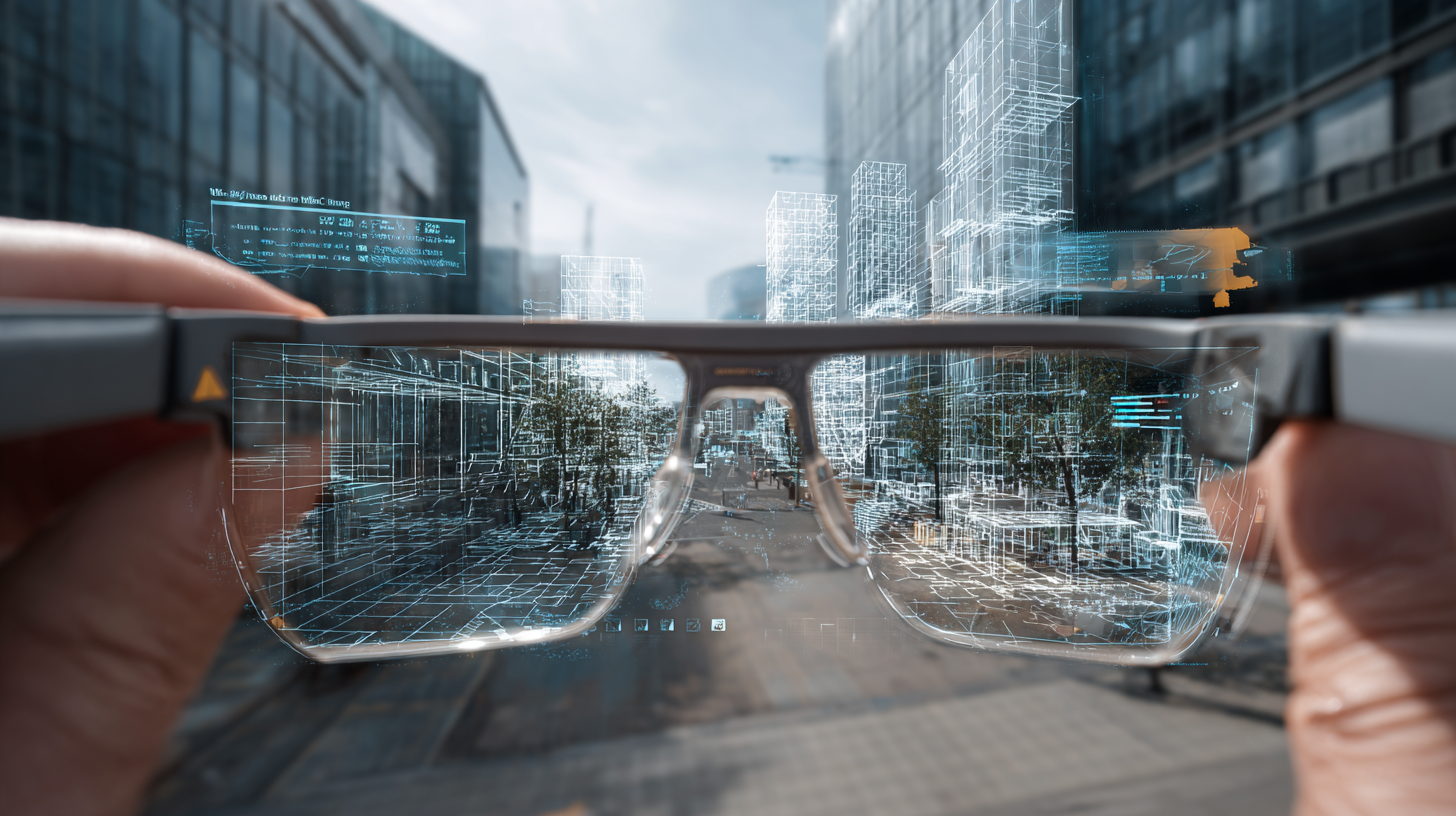
But once embedded with the right sensors, smart glasses could evolve into something more profound. They could record everything we see and hear, and with added biometric sensors, even elements of what we taste, smell, and feel. Imagine an augmented reality device that doesn’t just show you the world—it archives it.
Recording the Human Experience
If a person could record their entire lifetime of experiences, memory itself would change. No more struggling to recall the details of a childhood birthday or the exact words of a mentor. Every moment, every conversation, every sensation could be replayed with perfect fidelity.
The implications are staggering:
- Instant recall: A student could replay a lecture word-for-word years later. A doctor could review a procedure they performed decades earlier.
- Enhanced relationships: Couples could revisit their happiest moments with clarity beyond nostalgia. Families could share memories across generations.
- Total accountability: Every action could be documented. Misunderstandings, crimes, and disputes could be resolved by replaying the record.
- New creativity: Artists and storytellers could remix lived experiences into entirely new forms of media.
This would effectively create a lifelong, externalized memory—a database of existence. Humanity would gain the ability to look backward with as much precision as we look forward.
How Would Humanity Change?
Such technology would be both a gift and a burden. The ability to replay everything might erode the natural function of forgetting, which helps us move on from trauma and mistakes. The balance between privacy and transparency would be tested at levels society has never experienced. Would governments or corporations demand access to our personal archives? Would friendships and marriages survive when every word could be recalled in courtlike detail?
On the other hand, imagine the acceleration of knowledge. Human memory would no longer be confined to fragile neurons but expanded into searchable, shareable archives. Generations could inherit not only stories but the direct experiences of their ancestors. The collective memory of humanity could expand exponentially.
Smart Glasses as the On-Ramp
In this light, smart glasses are not just the next smartphone. They are the on-ramp to a future in which memory itself becomes technology. What starts as hands-free texting and video recording could evolve into the digitization of consciousness. The glasses on your face may become the portal to your second brain.
Final Thoughts
The big question is not whether smart glasses will replace the smartphone. They almost certainly will. The bigger question is what happens when they become more than a communication tool—when they evolve into a recorder of life itself.
If humanity gains the ability to perfectly recall everything we experience, the way we think, learn, love, govern, and create will be forever transformed. Smart glasses may be remembered not as a gadget, but as the first step toward humanity’s most audacious invention: the technology of memory.
Read more on related topics:
- The Future of Wearables and the End of the Smartphone Era
- Why Memory Technology Will Redefine Human Identity
