
By Futurist Thomas Frey
In 2025, a curious pattern began emerging in cities like Seoul, Amsterdam, and San Francisco. About 1–2% of adults under 35 had quietly achieved full independence without ever owning a car—not because they couldn’t afford one, but because they realized car ownership simply didn’t make sense anymore. Between ride-sharing, car-sharing, short-term rentals, and public transit, they discovered they could live comfortably, move freely, and save money without the burdens of maintenance, parking, or insurance.
Economically, their transportation costs were 60–75% lower than owning a personal vehicle. Psychologically, they were freer. They no longer thought about oil changes, parking tickets, or whether they should trade in for a newer model. In the language of economists, car ownership had gone from asset to liability. In the language of culture, it had gone from dream to inconvenience.
By 2040, this small fringe had become the mainstream. In major metropolitan regions, car ownership among adults had fallen to 22%—mostly hobbyists, suburban families, and older drivers nostalgic for the freedom they once associated with the open road.
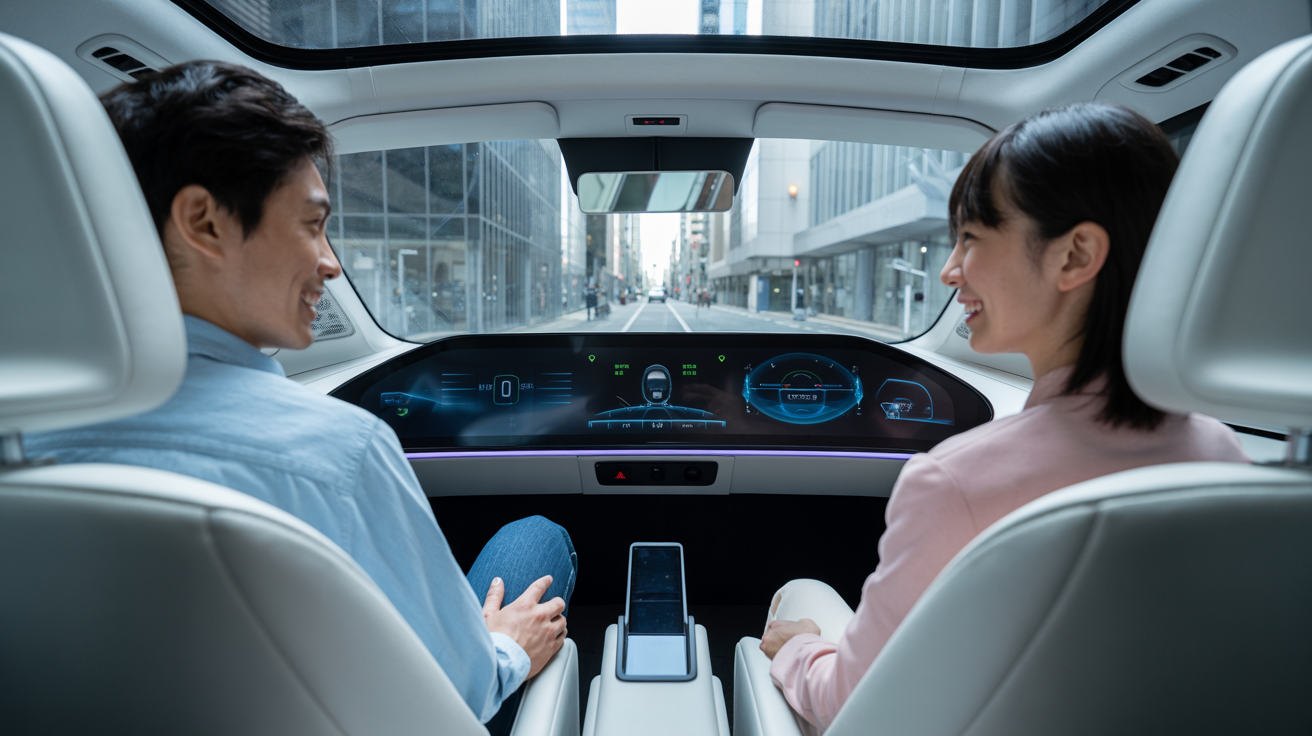
For everyone else, “mobility subscriptions” replaced private ownership entirely. For $200 a month, users gain unlimited access to fleets of autonomous vehicles, public transit networks, micro-mobility options, and even premium upgrades—like an autonomous sports car for a weekend getaway. The idea of owning a $45,000 depreciating hunk of metal that sits idle 95% of the time now sounds absurd.
The economics are clear, but the social implications are even more striking. Cities once designed around parking lots and traffic lanes are rapidly transforming. Massive concrete garages are being torn down and replaced with housing, gardens, or retail spaces. Former driveways are now patios and micro-parks. The DMV, once a symbol of bureaucratic endurance, has downsized by 80% as most people no longer need a driver’s license. Car dealerships, once ubiquitous fixtures of American suburbia, now exist only for specialty collectors and enthusiasts. Even car insurance companies are reinventing themselves to focus on mobility service coverage rather than individual policies.
But perhaps the biggest cultural shift is psychological. The car has long been a symbol of identity—freedom, status, adulthood. For most of the 20th century, getting a car meant getting control over your life. Now, control comes from opting out of ownership entirely. People no longer brag about what they drive; they brag about how little they spend getting around. The social status once tied to horsepower is now tied to efficiency and adaptability. The new mantra: “I can get anywhere, anytime, in anything I need—and I don’t own a single vehicle.”
The car-free generation is also redefining urban design. Residential zones are denser yet greener, as parking minimums disappear from building codes. Streets are narrower, safer, and quieter. Autonomous shuttles glide seamlessly through shared corridors while mixed-use neighborhoods thrive without congestion. Even suburban life is evolving—families subscribe to community-based mobility networks, and cul-de-sacs that once overflowed with parked cars now host playgrounds and gardens. The automobile, once the engine of suburbia, has been replaced by mobility on demand.
Of course, not everyone embraces this future. Some still cling to their vehicles as expressions of individuality. Car enthusiasts organize “manual driving zones” in rural areas—dedicated lanes and weekends where they can still drive the old-fashioned way. But even these have become like horseback riding: a recreational pursuit, not a necessity. The phrase “daily driver” has vanished from the lexicon, replaced by “shared mobility preference.” The open road remains romanticized—but only in museums, movies, and weekend nostalgia trips.
The final collapse of car ownership didn’t happen because people fell out of love with driving. It happened because convenience, economics, and technology aligned against it. Once autonomous systems became affordable and reliable, ownership simply stopped being rational. The same way streaming made DVD collections feel outdated, mobility subscriptions made car keys feel like relics.
Final Thoughts
The generation that never owns a car will grow up in cities without traffic jams, parking hunts, or roadside service stations. They’ll measure freedom not by the vehicles they own, but by the seamlessness of their movement. The car was once the symbol of autonomy; now, not owning one is. Humanity didn’t lose its love of motion—we just traded horsepower for optionality.
Read the original article on ImpactLab
Similar stories:
The Death of Gas Stations: What Happens When Refueling Goes Digital
The City Without Traffic Lights: How AI Is Redesigning Urban Flow
