
By Futurist Thomas Frey
By 2040, the quiet cul-de-sac on Alder Ridge Lane looks like any other suburban street—maple trees, tidy lawns, the distant hum of autonomous shuttles gliding by. But House 17 is different. It doesn’t just shelter a family. It runs a portfolio.
House 17 is owned by Sarah Mitchell, a 38-year-old former accountant who discovered something far more lucrative than office work: letting her robots work instead.
Her day begins at 5:45 a.m., though she doesn’t wake up. The house does.
When Your Home Goes to Work
In the garage-converted micro-kitchen, Sarah’s robotic chef—an articulated-arm system mounted on ceiling rails—scans inventory levels, identifies the day’s subscription orders, and begins prepping 64 meals for local customers. While she sleeps, the robot dices vegetables, fills biodegradable trays, seals them, and queues them in an insulated drop-box for delivery drones that arrive every hour.
A dashboard on her wall displays profit projections for the week. She doesn’t touch it. The system negotiates supply contracts on its own.
Downstairs, the hum of 3D printers signals another income stream starting. Three overnight orders are in queue: custom drone mounts, a replacement hinge for an aging dishwasher, and a personalized chess set for a birthday. Once printed, a wheeled finishing robot polishes, packages, scans, and schedules pickup via autonomous courier. All Sarah does is set maximum energy usage limits so the printers don’t overload the home grid.
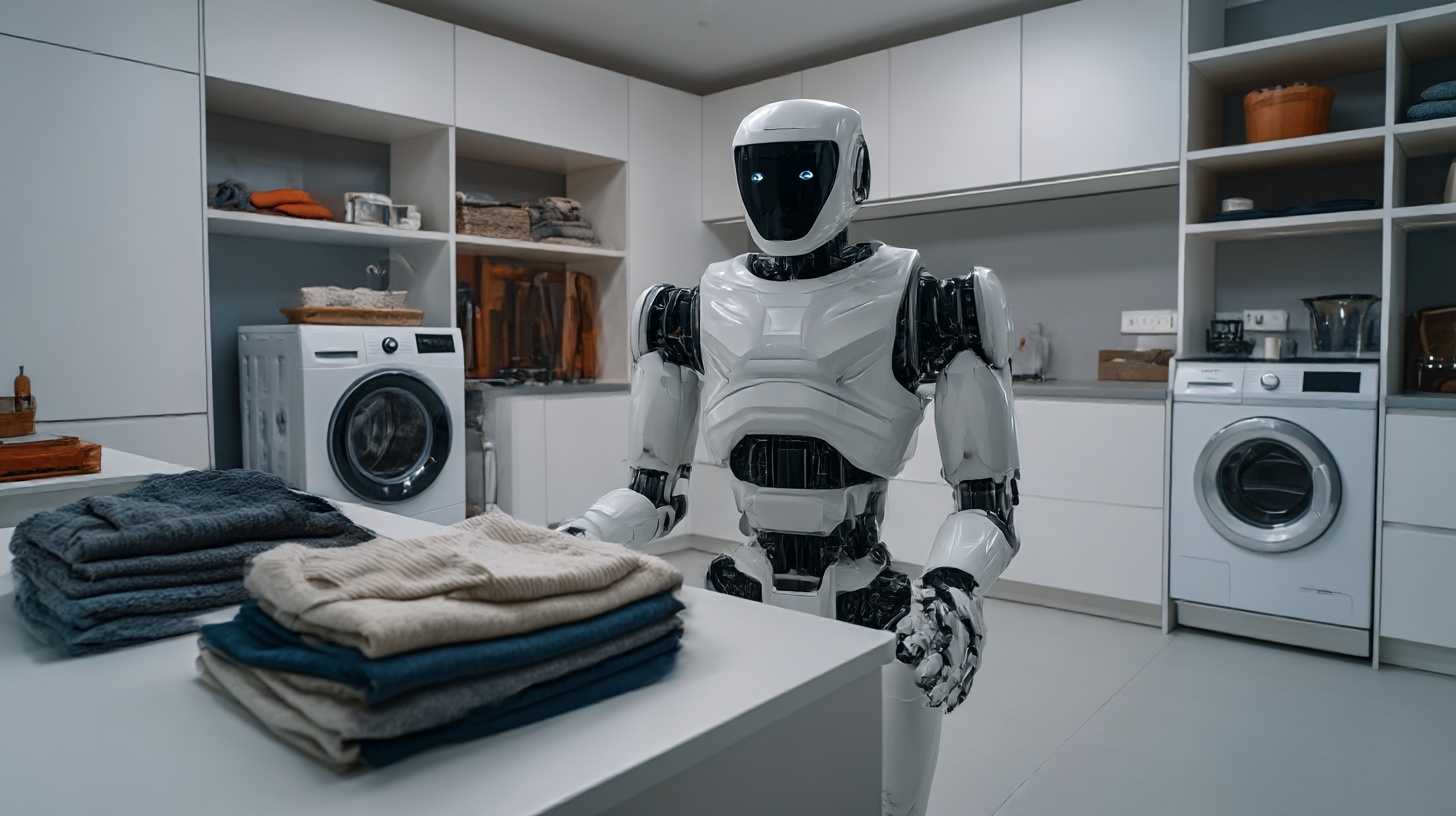
At 7 a.m., the laundry robot—nicknamed “Foldie”—pushes open the side door and rolls out to retrieve two neighbors’ laundry bags from secure lockers. It washes, dries, irons, folds, and seals every item, returning them by mid-afternoon. Foldie runs this business end-to-end, including billing, customer messaging, and maintenance. Its only human need is an annual bearing replacement.
As the sun rises, four small drones launch from backyard landing pads. This is Sarah’s neighborhood security subscription service, started originally as a public good but now her second-highest revenue generator. Each drone follows randomized patrol routes, using thermal imaging and anomaly detection to spot break-ins, water leaks, wandering pets, and the occasional bored teenager sneaking out at 2 a.m. The system sends reports directly to clients and, when necessary, the municipal safety grid.
Out back, in a greenhouse smaller than a bedroom, a robotic hydroponic farm grows basil, butter lettuce, bok choy, and edible flowers. Restaurants subscribe to weekly deliveries. Robots monitor pH levels, harvest crops, package them, and load them into delivery drones. Sarah only chooses which crops the system should focus on—usually whichever have the highest margins that quarter.
What “Work” Actually Means in 2040
Sarah wakes at 9:30 a.m., brews coffee, and taps her wall display. Five businesses are already running, earning, and communicating with customers—without her lifting a finger.
Her job? She skims each dashboard:
The meal-prep kitchen is hitting 12% higher yield than last week. The 3D printers have auto-bid on a rush job. Foldie is reporting increased demand from a neighbor who just had twins. The drone patrol has A/B tested two new flight patterns. The hydroponics system suggests shifting 20% of lettuce capacity to Thai basil due to a nearby restaurant trend.
She approves the basil shift. Everything else runs autonomously.
By noon, she closes her dashboards and walks to the community pool. Work is done.
The New Middle Class
In 2040, Sarah isn’t exceptional. She’s typical. The new middle class doesn’t work jobs—they run portfolios of robot-operated micro-businesses from their homes. A house isn’t just a mortgage or an asset. It’s a platform.
Some neighbors run robotic pet hotels. Others operate autonomous mobile car washes, tailoring shops, or drone charging stations. A few have five or six businesses humming in the background while they spend their days raising kids, learning new hobbies, or simply enjoying the newfound abundance.
Sarah’s cul-de-sac isn’t wealthy. It’s simply automated.
This represents a fundamental shift in what “middle class” means. For generations, middle class meant having a stable job, owning a home, and saving for retirement. By 2040, it means owning robots that work while you sleep, generating multiple income streams from your residential property.
The economics are straightforward: Sarah invested approximately $180,000 in robotic systems over five years. Her five businesses generate combined revenue of $240,000 annually with operating costs around $80,000. Net income: $160,000—more than she earned as an accountant, working a fraction of the hours.
How We Got Here
This transformation didn’t happen overnight. It required three converging technological developments:
Robots gained human-level manipulation. By the mid-2030s, robotic systems could handle delicate tasks—folding clothes, plating food, finishing 3D prints—with precision matching or exceeding human workers. This unlocked service businesses that previously required human dexterity.
AI became genuinely autonomous. Machine learning systems advanced to handle exceptions, edge cases, and unexpected situations without human intervention. Sarah’s robots make thousands of micro-decisions daily—ingredient substitutions, scheduling adjustments, customer communications—that previously required human judgment.
Residential infrastructure adapted. Building codes evolved to permit commercial activities in residential zones. Power grids upgraded to handle manufacturing loads. Zoning laws recognized that “working from home” now meant robots working, not humans. Insurance products emerged covering robotic business operations.
What Changed About Society
The house that never sleeps represents more than individual prosperity. It’s reshaping fundamental social and economic structures:
Work becomes optional for many. Not because of universal basic income or wealth redistribution, but because owning productive robots generates sufficient income that traditional employment becomes a choice rather than necessity. Sarah doesn’t need a job. Her robots are her income.
Geographic flexibility increases. When your income comes from robots operating in your home, you can live anywhere those robots can operate. Rural areas become viable again. Small towns compete for robot-business homeowners by offering favorable regulations and lower costs.
Entrepreneurship democratizes. Starting a business traditionally required full-time commitment, significant capital, and willingness to risk everything. Robot businesses require modest investment and minimal time commitment. You can test multiple business models simultaneously and scale what works.
Neighborhoods transform. Residential streets become mixed-use by default. Commercial activity happens everywhere, but quietly—robots working behind closed doors rather than storefronts and parking lots. The strict separation between residential and commercial zones dissolves.
Time abundance replaces time scarcity. For the first time in industrial history, the middle class has abundant free time. Not retirement at 65—abundant time throughout adult life. What people do with that time becomes the defining question of the era.
The Questions This Raises
Not everyone celebrates this transformation. Critics ask: What happens to people who can’t afford the initial robot investment? Does this deepen inequality between robot-owners and everyone else? Do neighborhoods want commercial operations next door? What about people who derive identity and purpose from work—do they lose something essential when robots handle earning?
These aren’t abstract concerns. By 2040, society is actively grappling with them. Some communities embrace home-based robot businesses. Others restrict them heavily. Some people thrive with abundant free time. Others feel purposeless without traditional work structures.
But the trajectory is clear: homes are becoming workforces. The house that never sleeps isn’t an experiment—it’s the new normal for millions of families who’ve discovered that the best employee is one that never gets tired, never complains, and works while you sleep.
Final Thoughts
Sarah’s house works 24 hours a day. She works maybe 10 hours a week. Her income exceeds what she earned in traditional employment. Her time is her own.
This is what 2040 looks like for the new middle class: not working harder, but owning better—robots that transform homes from shelters into platforms, from expenses into income generators, from places you rest after work into places that work while you rest.
The house that never sleeps isn’t the future. It’s arriving now, one converted garage at a time.
Related Stories:
