
By Futurist Thomas Frey
The Commute That Isn’t
It’s 2042. James lives in Boulder, Colorado. He works in downtown Denver—35 miles away.
Every morning at 6:30 AM, an autonomous vehicle arrives at his house. He gets in with his coffee, opens his laptop, and starts working. By the time he arrives at his office at 7:45 AM, he’s already answered emails, reviewed documents, and attended a virtual meeting.
His evening commute? Same thing. He leaves the office at 5:00 PM, works in the AV until 6:15 PM, then walks in his front door having completed a full workday plus 90 minutes of commute-time productivity.
His wife Sarah does something different. She sleeps during her morning commute—the AV picks her up at 7:00 AM, she naps for 45 minutes, and wakes up refreshed when the car announces arrival at her office at 7:45 AM. Evening commute? She reads novels. Watches shows. Catches up with friends via video chat. Her commute time is leisure time.
Their teenage daughter Emma takes an AV to high school. She does homework during the 20-minute ride.
Here’s what changed: The family moved from a small apartment near Denver to a large house in Boulder. Why? Because commute time stopped being wasted time. When you can work or sleep or read during your commute, distance matters less.
This is what autonomous vehicles do to daily life. They don’t just change transportation—they change where we live, how we work, when we travel, and what we do with our time.
The Commute Transformation
Let’s start with the obvious: the average American commute is 27 minutes each way. That’s 54 minutes daily, roughly 225 hours annually—about 5.5 full work weeks per year.
Currently, that time is mostly wasted. You can’t work while driving. You can’t sleep. You can’t read. You just sit in traffic, stressed and bored.
When AVs take over, commute time becomes productive time:
Option 1 – Work: Your commute becomes an extension of your workday. You start working the moment you get in the car. Companies adapt—meetings can be scheduled during commute windows. “Let’s have a call during your commute home.”
Option 2 – Sleep: Your commute becomes recovery time. Wake up later, sleep during the ride, arrive at work refreshed. Or work late, sleep going home, wake up in your driveway.
Option 3 – Leisure: Your commute becomes entertainment time. Watch movies, read books, play games, video chat with friends.
Option 4 – Personal care: Your commute becomes grooming time. More elaborate AV interiors might include mirrors, better lighting, maybe even shower facilities for longer commutes.
The point is: commute time stops being dead time. It becomes whatever you want it to be.
And when commute time has value, acceptable commute distance increases dramatically.
The Geography Revolution
This is where things get really interesting.
Currently, people pay premium prices to live close to work because commuting is painful. The closer you live to your job, the less time you waste commuting.
When commute time becomes productive or restful, proximity matters less.
The math changes:
Today: Living 15 minutes from work is way better than living 60 minutes away. You save 90 minutes daily.
With AVs: Living 60 minutes away costs you… nothing. You work or sleep during that time anyway. The time isn’t lost.
What changes? Where people choose to live.
Instead of cramming into expensive urban cores to minimize commute time, families spread out to suburbs and exurbs where housing is cheaper and larger.
The exodus pattern:
- Dense urban cores lose residents (especially families)
- Suburbs 30-60 minutes from city centers boom
- Exurban areas become viable (90-minute commutes acceptable if you’re working/sleeping)
- Rural areas near cities become desirable
- Real estate values shift dramatically
Cities don’t die—they become spaces for young singles, childless professionals, and people who prioritize walkability over space. But families with kids increasingly choose larger homes further out.
Why squeeze into a $800,000 two-bedroom condo downtown when you can have a $400,000 four-bedroom house with a yard 40 miles away and your commute time is productive anyway?
The Overnight Travel Revolution
Here’s where AVs directly compete with airlines: overnight travel for distances of 400-600 miles.
Current model: You want to go from Los Angeles to San Francisco (380 miles). You fly—1 hour flight plus 3 hours airport time = 4 hours total, arriving tired and stressed.
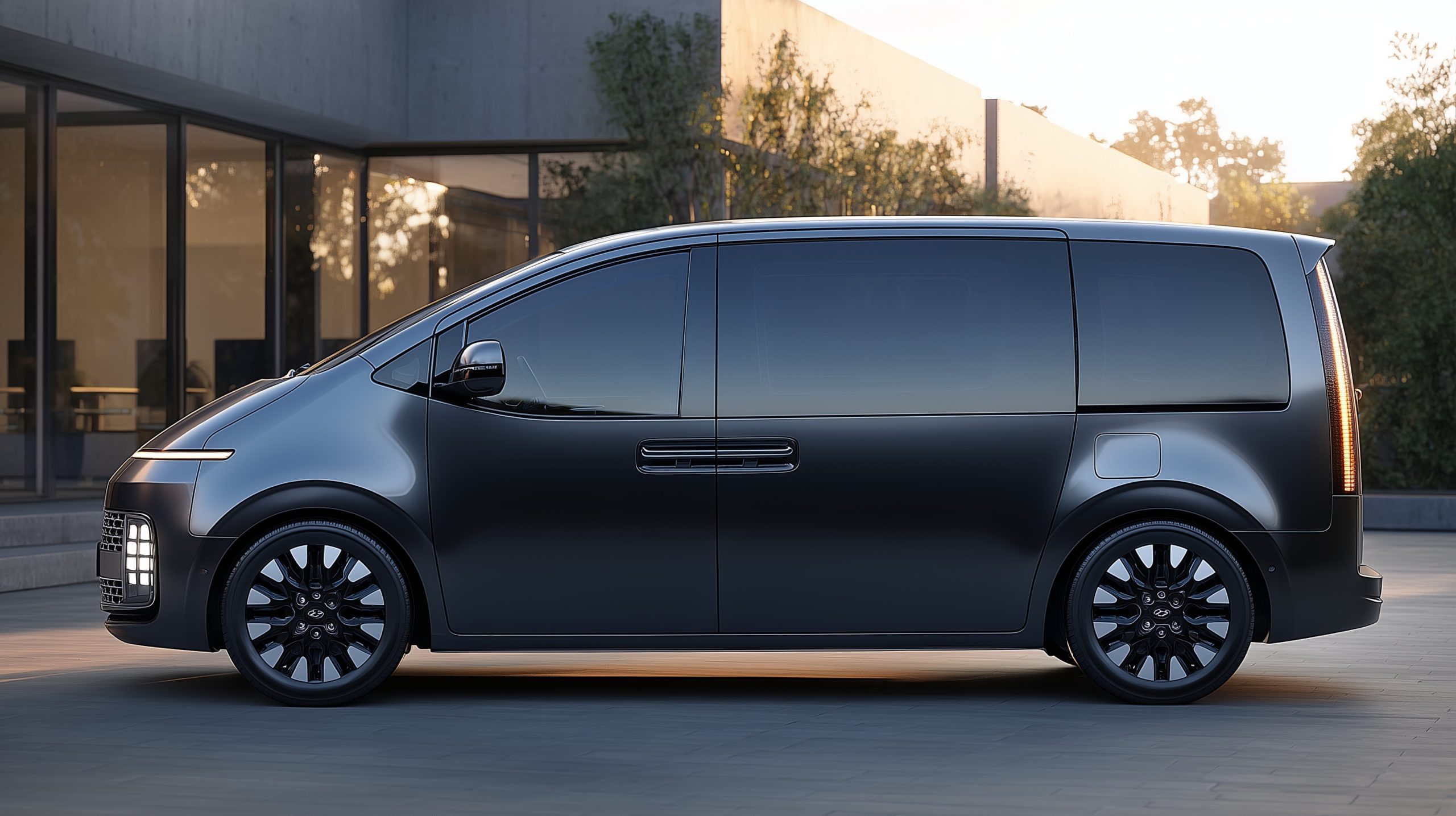
AV model: You get in an AV at 10:00 PM. The interior converts to a bed. You sleep. You wake up at 6:00 AM in San Francisco, rested and ready to start your day.
Total time: 8 hours. Time you were awake and dealing with travel: maybe 15 minutes getting in and out.
Why this works:
- Cheaper than flying (no airport infrastructure costs)
- More comfortable (sleeping in a bed vs. airplane seat)
- No airport security hassles
- No luggage restrictions
- Door-to-door service (no getting to/from airports)
- Better arrival condition (rested vs. tired)
For business travelers especially, overnight AVs become preferable for anything under 600 miles. You arrive rested, shower at your hotel, and start working immediately. Way better than airport stress and airplane exhaustion.
Impact on airlines: Routes under 500 miles lose 40-60% of traffic to overnight AVs. Regional airlines shrink dramatically. Airports serving these routes struggle.
The Work-Life Blur
When your commute is also your workspace, the boundary between work and home blurs even further.
Potential benefits:
- Flexible work hours (start working earlier, finish later, all from the car)
- Better work-life balance (errands during traditional commute times)
- Reduced office time needed (productive elsewhere)
Potential problems:
- Always-on culture intensifies (expected to be working during commute)
- Harder to disconnect (your commute is work time now)
- Employers expect longer hours (since commute time is “free”)
- Mental health impacts (never really “off the clock”)
Some workers will love this flexibility. Others will hate the expectation that they’re always available.
Companies will struggle with policies: Can we schedule mandatory meetings during commute times? Do we pay for commute-time work? How do we prevent exploitation?
Labor laws will need updating. Currently, commute time isn’t work time—you’re not paid for it. But if employers expect you to work during commutes, is that compensable time?
These legal questions won’t be resolved quickly.
The Death of Rush Hour
When commute time becomes productive, departure time becomes flexible.
Currently: Everyone leaves for work at roughly the same time (7-9 AM) and goes home at roughly the same time (4-7 PM) because they want to minimize commute time, which is worst during peak traffic.
With AVs: Traffic is always smooth (coordinated AV flow), and you can work during the ride anyway, so why leave at the same time as everyone else?
Result: Commute times spread across more hours.
- Some people start working at 6 AM in their AV, arrive at 7:30 AM
- Some leave at 10 AM, work during the ride, arrive at 11:30 AM
- Evening departures spread from 3 PM to 8 PM
Peak traffic flattens. Roads operate near capacity all day instead of overcrowding during peaks and sitting empty at other times.
This means existing road infrastructure handles more total traffic without building new lanes.

The Errand Integration
When AVs handle driving, errands can happen during your commute.
Your AV can:
- Stop at the grocery store (you run in for 10 minutes)
- Pick up dry cleaning
- Drop off packages
- Get coffee
- Stop at the pharmacy
All of this gets integrated into your commute route. Your total travel time barely increases (maybe 15 extra minutes), but you’ve accomplished errands that previously required separate trips.
Time savings: Instead of making three separate trips on the weekend, you fold errands into commute time. Save hours per week.
This changes retail strategy. Stores optimize for quick AV-passenger stops rather than long browsing sessions. Grab-and-go becomes the dominant format.
The Mobile Living Room/Office/Bedroom
AV interiors evolve to maximize the value of travel time.
Early AVs (2028-2035): Basically current car interiors with better seats facing each other.
Mid-period AVs (2035-2045): Optimized for specific uses:
- Work pods: Desks, monitors, great lighting, video conferencing setup
- Sleep pods: Beds, blackout windows, white noise, alarm integration
- Entertainment pods: Large screens, gaming systems, premium audio
- Social pods: Seating for 4-6 people for group travel
Late-period AVs (2045+): Highly customized:
- Some people subscribe to different AV types depending on need (work pod for weekdays, entertainment pod for weekends)
- Some luxury AVs include bathrooms, showers, small kitchens
- Mobile hotel rooms for overnight trips
The car becomes an extension of your living space, not just a vehicle.
The Real Estate Cascade
All of these changes reshape urban geography:
What loses value:
- Downtown parking lots (already covered)
- Urban office buildings (less need for physical presence)
- Commuter rail routes (AVs more convenient)
- Short-haul airports
What gains value:
- Suburban housing (more attractive with productive commute time)
- Exurban property (newly viable)
- Rural land near cities (weekend/remote work)
- Highway corridors (where AVs travel)
Cities don’t collapse, but they restructure. They become cultural and social centers rather than necessary places to live for work proximity.
Some cities adapt well—converting office buildings to housing, creating walkable amenities. Others struggle as residents and businesses leave for cheaper, more spacious suburbs.
The Environmental Question
Does this sprawl pattern help or hurt the environment?
Arguments it helps:
- AVs are electric (lower emissions per mile)
- Optimized routing reduces total miles driven
- Fewer cars needed overall (shared AVs)
- Less infrastructure needed (no parking)
Arguments it hurts:
- More sprawl = more total miles driven
- Suburban/exurban living = larger houses, more heating/cooling
- Reduced density = harder to support public transit
- Induced demand = people travel more because it’s easier
Net result: Probably slightly worse for the environment despite electric vehicles. The convenience induces more total travel and more sprawl.
But carbon emissions still drop compared to today (electric vs. gas) even if they don’t drop as much as they could with denser development.

The 2050 Vision
Walk through daily life in 2050:
You wake up in your large suburban home 50 miles from the city. An AV arrives at 7:00 AM. You sleep during the commute, waking at 8:15 AM at your office.
Work until 3:00 PM. AV picks you up for errands—stop at grocery store, pharmacy, dry cleaning—arriving home at 4:30 PM having accomplished everything.
Your spouse worked during their commute and is already home. Your kids took AVs to their after-school activities and will AV home at 6:00 PM.
Weekend plans: Take an overnight AV to San Diego Friday night (sleep during the drive), spend Saturday and Sunday there, return Sunday night (sleep again), wake up Monday ready for work.
Total driving time you personally handled: zero. Total stress from traffic: zero. Total time spent managing transportation logistics: maybe 5 minutes approving trips via app.
Your life is more flexible, more mobile, more productive than your parents’ generation. You live in a nicer house farther from work without penalty. You travel more and stress less.
Winners and Losers
Winners:
- Families seeking space (can live further out)
- Remote workers (location totally flexible)
- People who value productivity (work during commute)
- Suburban real estate (increased demand)
- Overnight travel industry (AVs replace short flights)
- People who value sleep (commute becomes rest time)
Losers:
- Dense urban cores (some population loss)
- Commercial real estate (less office space needed)
- Short-haul airlines (lost to overnight AVs)
- Commuter rail (can’t compete with AVs)
- Work-life balance (boundary blurs further)
- Some city budgets (parking revenue gone)
The Transformation Complete
We started this series with parking lots. We’re ending with daily life.
The infrastructure changes—parking lots gone, gas stations closed, drive-thrus eliminated. The jobs disappear—5 million drivers unemployed. The freedoms expand—kids and elderly gain mobility. The deaths stop—40,000 lives saved annually.
And daily life transforms completely. Where we live. How we work. When we sleep. What we do with our time.
Transportation fades into the background of life. You don’t think about driving any more than you think about electricity—it’s just there, working, invisible.
The commute becomes productive time. Geography becomes flexible. The city-suburb divide reshapes. Work and life blur together. Overnight travel replaces short flights.
By 2050, a generation grows up never having driven. They can’t imagine wasting hours sitting in traffic. They can’t imagine 40,000 people dying in crashes annually. They can’t imagine not being able to work or sleep during travel.
The driverless revolution isn’t just about cars. It’s about time. Freedom. Life itself.
And it’s closer than most people realize.
Related Articles:
The Future of Commuting – McKinsey analysis on work and travel patterns
Urban Sprawl and Autonomous Vehicles – Research on geographic impacts
The Economics of Time Use – Bureau of Labor Statistics on how Americans spend time
