

By Futurist Thomas Frey
The skills that will define tomorrow’s best founders — and the honest signals that this path may not be the right one
Marc Andreessen said something recently on the Founders podcast with David Senra that I haven’t been able to stop thinking about. He made the case that the best entrepreneurs tend to have poor introspective skills. They don’t sit around replaying their mistakes. They fail, they process it fast, and they’re already thinking about the next move before most people have even finished feeling bad about what just happened.
That sounds almost backwards when you first hear it. We live in a culture that celebrates the post-mortem. The lessons-learned debrief. The founder memoir loaded with hard-won wisdom. We’re told to sit with failure, unpack it carefully, and build scar tissue from it. And yet here is one of the most influential investors in history saying the people most likely to build great companies are the ones doing the least of that.
I’ve spent decades studying how the future gets built — who builds it and what actually separates the people who finish from the ones who stop. What Andreessen is describing is something I recognize immediately. He’s not saying great founders are reckless or oblivious. He’s saying they don’t let failure stick. They extract what’s useful, discard what isn’t, and move. The mistake becomes data, not a story they carry around. That cognitive style — light on rumination, heavy on forward motion — turns out to be extremely well suited to the reality of building something from nothing.
So if that’s the baseline, what does the full picture look like? And maybe more importantly — what are the honest signals that someone isn’t actually built for this path, even if they’re completely convinced they are?
The skills that are going to matter most in the years ahead
Knowing how to actually use AI — not just dabble in it. This is the defining skill of the next generation of founders, and most people are still massively underestimating what it really requires. There’s a world of difference between someone who uses AI tools occasionally and someone who understands how to build around them in a serious way. The founders who pull ahead are going to be the ones who can look at their product, their team, their operations, and figure out where AI creates genuine leverage — and where it just creates the illusion of progress. That’s a judgment skill, not a tool skill. It also means knowing where AI gets things wrong, where it oversimplifies, and when to keep a human firmly in the loop. This kind of fluency compounds over time in ways that are very hard for competitors to catch up to.
Building systems, not just solving problems. Every early-stage startup rewards the person who can just get things done. You hustle, you figure it out, you personally make it happen. That phase is real and necessary. But the founders who scale are always the ones who eventually make the transition from doing the work to designing how the work gets done. They think in processes, incentives, and feedback loops. They ask not “how do I solve this?” but “what system would make this solve itself?” With AI and automation dramatically changing what small teams can realistically accomplish, this kind of systems thinking is becoming critical earlier in a company’s life than it ever used to be.
Communicating clearly and with real conviction. In a startup you’re constantly asking people to bet on you — customers before your product is proven, employees before you’re a sure thing, investors before you have much hard evidence. All of that runs on your ability to make people understand why this matters, why now, and why you’re the one to do it. Not in a polished, over-rehearsed pitch deck way. In a way that feels genuine and specific. Founders who can do this earn trust in weeks. Founders who over-qualify and hedge take quarters, and in startups, time is the one resource you can never recover.
Being comfortable deciding without all the information. You will almost never have everything you want to know before making an important call. Markets move. Competitors act. Windows open and close faster than most plans can account for. Great founders learn to make good-enough decisions with whatever information exists right now — especially when the decision is reversible, which most decisions are. The instinct to wait for more data is completely understandable and very human. In a startup it usually costs more than the data was ever worth.
Genuinely caring about the customer — not just performing it. Every founder says they’re customer-obsessed. Very few actually are. The real version isn’t about running surveys or sitting in on user interviews, though those things matter. It’s a constant, almost compulsive curiosity about what people are actually trying to accomplish, what workarounds they’ve already built because the right solution doesn’t exist yet, what frustrations they can’t even fully name. That depth of understanding is where real product insight comes from. In a world rapidly filling up with AI-generated products that are competent but generic, that kind of raw human insight is going to be one of the few genuinely durable advantages a founder can hold onto.
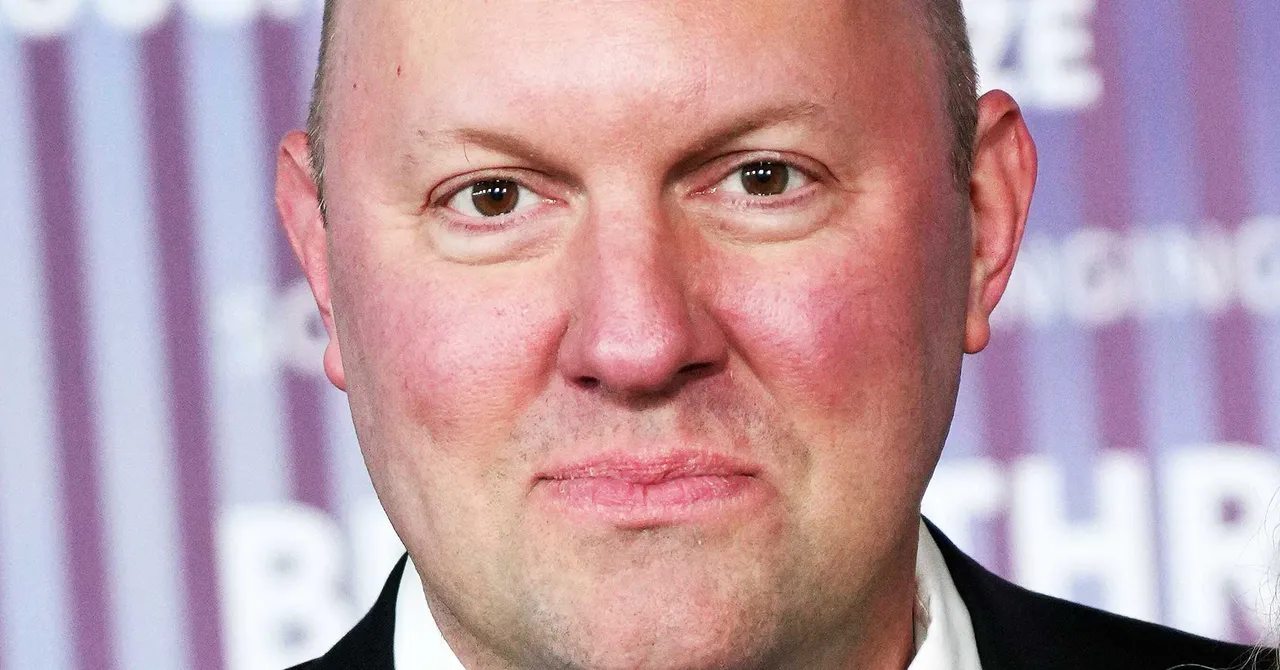
Great founders, like Marc Andreesen, don’t dwell on failure—they mine it for data, discard the weight, and move forward faster than everyone else.
The quiet signals it might not be the right fit
None of these are character flaws. They’re patterns that tend to make startup life genuinely difficult — not in the ordinary way startup life is always difficult, but in a grinding, sustained way that wears people down over time even when they don’t realize it’s happening.
You need the plan to feel solid before you can start moving. Some people are wired to need a plan that feels airtight before they’re comfortable taking action. In most professional environments, that’s a genuine strength. In a startup it tends to be a problem. The plan is going to be wrong. The customer you thought you were building for will turn out to be someone slightly different. The market will surprise you in ways you didn’t model for. The founders who survive and adapt fastest treat a plan as a working hypothesis rather than a commitment. They hold it loosely, update it constantly, and never confuse the map for the territory.
You find it hard to make a call without the team aligned behind it. Collaboration matters. Building a team where people feel genuinely heard matters. But there’s a meaningful difference between a leader who gathers input, considers different perspectives, and then owns a direction — and one who cannot move until everyone agrees. Startups require a constant stream of decisions made quickly, often with mixed signals and smart people who disagree. If you consistently need the room’s approval before you can own a call, that will slow everything down in ways that compound badly over time.
Failure starts to become part of how you explain yourself. This is the heart of what Andreessen was pointing at. Every good founder fails — often, visibly, and sometimes in very expensive ways. The question isn’t whether you fail. It’s what failure does to the narrative you carry internally. When a setback starts becoming a reason not to try a similar approach again, when “we tried that and it didn’t work” becomes a permanent entry in the ledger rather than a data point to work from, when the loss hardens into a story — that’s the tell. People who thrive in startups process failure empirically. They extract what’s useful and reload. People who aren’t wired for it tend to process failure more personally. Both responses feel completely reasonable in the moment. They diverge dramatically over the course of building a company.
Uncertainty drains you rather than energizes you. Startups are structurally chaotic environments. Priorities shift overnight. Key people leave at the worst possible times. Revenue that seemed certain evaporates. Products that looked ready turn out not to be. Some people find this genuinely energizing — every day is a new problem to navigate, and there’s a real aliveness in that. Others find it quietly exhausting, even when they don’t admit it out loud. That’s not a personal failing — it’s a real and measurable temperament difference. But it matters enormously for whether someone can sustain their performance through the long stretches of ambiguity that every startup passes through.

The honest version of the question
There’s an obvious irony in writing a long column about self-reflection and founder fit when the whole thesis starts with “the best founders don’t spend much time on self-reflection.” I know. I feel it too.
But I think there’s a useful distinction between honestly assessing whether you’re suited for a particular path before you commit to it, and ruminating endlessly on past mistakes while you’re already deep in the middle of building something. The first is just smart thinking. The second is exactly what slows people down and what Andreessen is really pointing at when he talks about the founders who stop examining and just go build things.
So take an honest look at the list. Sit with it for a minute. And then move on. If you’re actually built for this, that last part should come naturally.
The Founding Team’s Personality Mix Matters to Startup Success
Inc.com — Research from 21,000+ startups on how founder personality types determine survival
New Google Study of 900 Founders: All Effective Leaders Do These 7 Things
Inc.com — Google for Startups’ Effective Founders Project, across 40 countries
My Conversation With Marc Andreessen — Full Notes from the Founders Podcast
Podcast Notes — Key takeaways from the episode that sparked this column
