Researchers at the University of Sydney have developed a transformative method for producing ammonia using electricity and plasma—mimicking the effect of artificial lightning. This innovation offers a cleaner, decentralized alternative to the traditional Haber-Bosch process, which currently dominates global ammonia production but carries a heavy environmental cost.
Ammonia is a critical ingredient in fertilizers and plays a vital role in supporting nearly half of global food production. However, conventional ammonia production relies on high heat, high pressure, and fossil fuels, making it one of the most carbon-intensive industrial processes in existence.
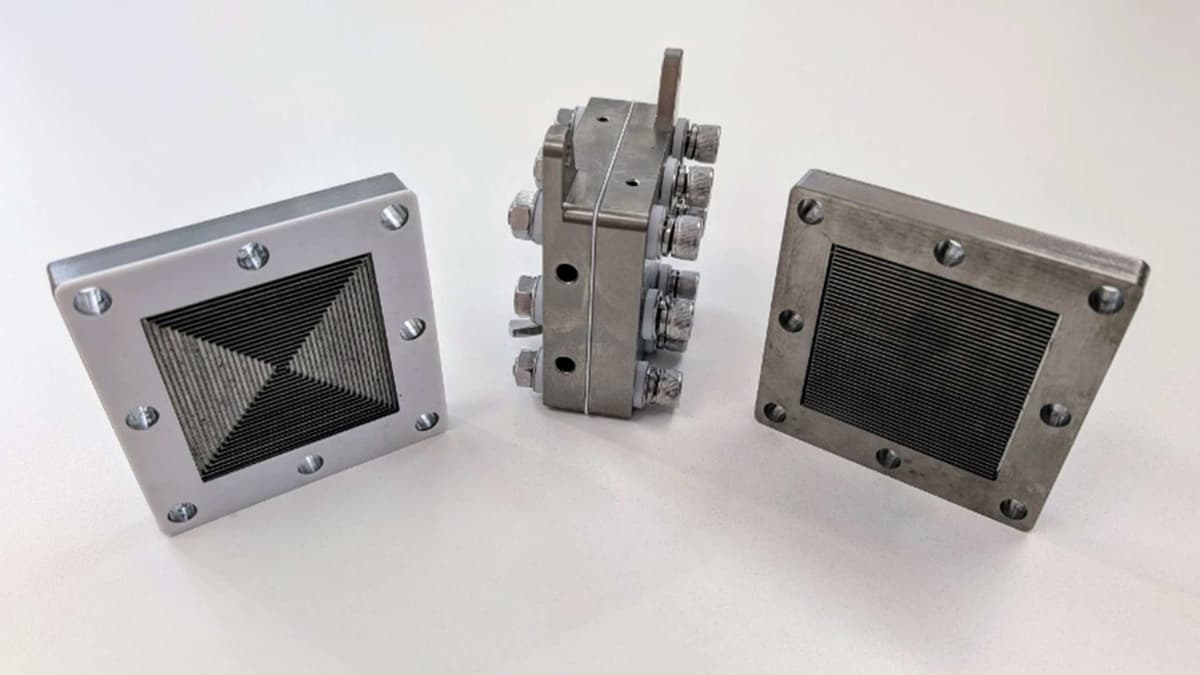
The Sydney team’s breakthrough uses plasma to excite nitrogen and oxygen from the air, which are then converted into ammonia gas through a membrane-based electrolyzer. This two-step process overcomes a major limitation in previous research efforts, where most attempts only produced ammonia in liquid form—ammonium—which requires further processing. Producing ammonia directly in its gaseous form streamlines the process and reduces energy loss.
Unlike the centralized Haber-Bosch systems, this new method is compact, scalable, and suitable for decentralized or off-grid applications. It could be particularly beneficial in rural regions where access to industrial infrastructure is limited.
The setup involves a plasma column that energizes air molecules, followed by a compact electrolyzer unit where the actual ammonia formation takes place. This modular design opens the door to local, low-emission ammonia production without the need for fossil fuels.
Beyond its agricultural applications, ammonia is also gaining traction in the energy sector. Its three hydrogen atoms make it an efficient carrier for hydrogen fuel. Industries are exploring how to extract hydrogen from ammonia for clean energy use, including applications in shipping—a sector responsible for about 3% of global emissions. Ammonia’s carbon-free combustion potential makes it a strong candidate for powering vessels without contributing to climate change.
The University of Sydney team has spent six years advancing green ammonia technologies, with a particular focus on improving the energy efficiency of the plasma system. While the plasma stage is now considered viable, researchers are working to enhance the electrolyzer’s energy performance to create a fully optimized process.
As global demand for ammonia rises, this new approach could redefine how the world produces one of its most essential chemicals—offering a cleaner, more sustainable solution to feed and fuel the future.
By Impact Lab