Newly Discovered Stem Cell Resembles Cells in Early Human Embryo

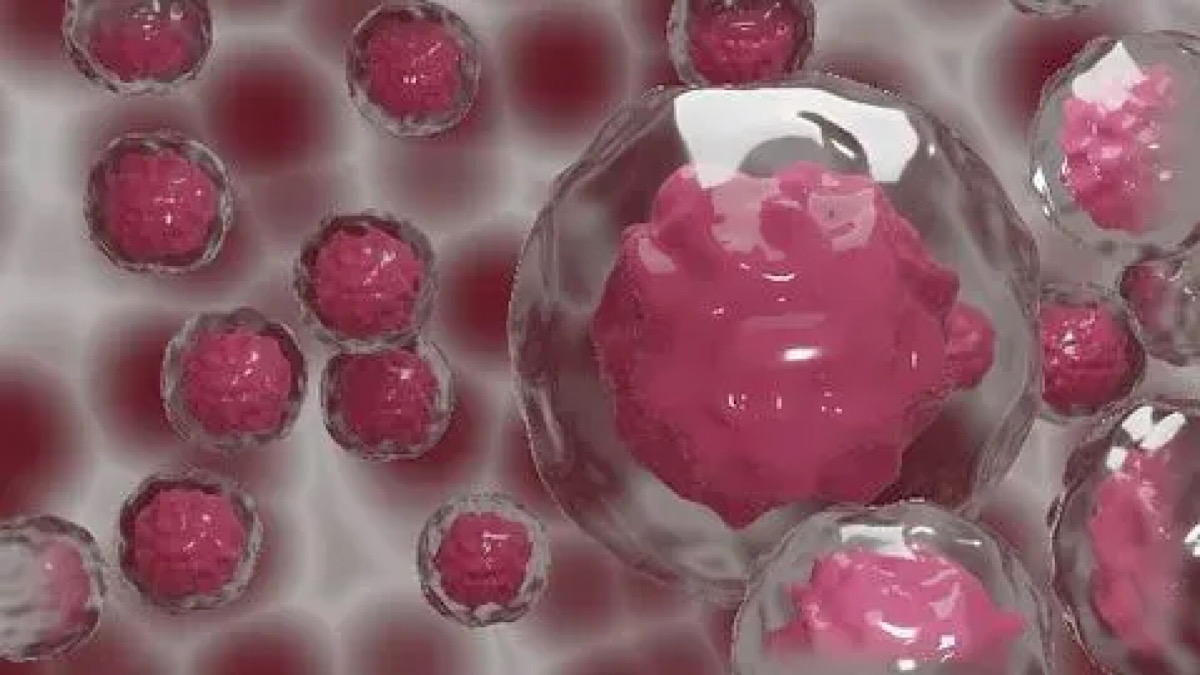
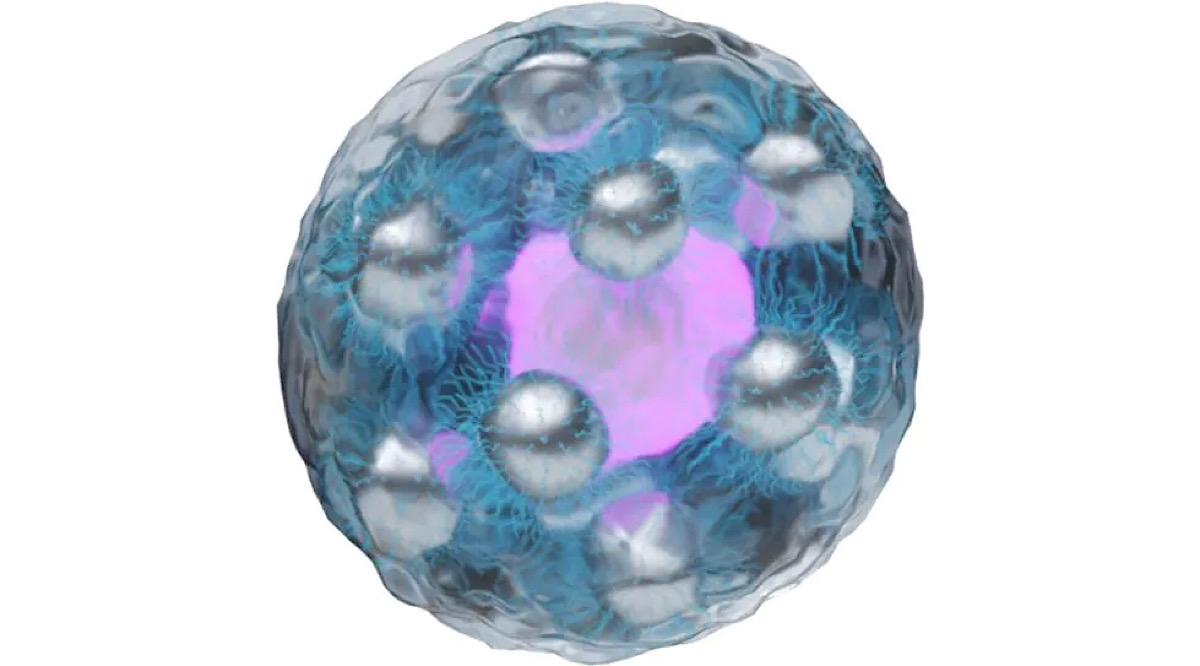
Researchers from the Reik lab have today published their latest work describing a new subset of human embryonic stem cells that closely resemble the cells present at the genomic ‘wake up call’ of the 8-cell embryo stage in humans. This new stem cell model will allow researchers to map out the key genomic changes during early development, and  help move towards a better understanding of the implications of genome activation errors in developmental disorders and embryo loss.

In all mammals, the early embryo undergoes a number of molecular events just after fertilisation that set the stage for the rest of development. During this key ‘wake up call’ the genome of the embryo takes over control of the cell’s activities from the maternal genome. In humans, this happens at the 8-cell stage and is called zygotic genome activation (ZGA). 

Before the findings of this study, investigating the details of human ZGA could only be done in human embryos; existing human stem cell models represented the embryo only at later stages of the developmental process. In the UK, experiments using embryos are permitted but highly regulated, meaning that research into early development relied in part on alternative, non-human models.

Continue reading… “Newly Discovered Stem Cell Resembles Cells in Early Human Embryo”
Stem cells instead of drugs? Northwestern trial testing a way to help strengthen transplant patients’ immune systems

By MADELINE BUCKLEY

Before her mother’s kidney transplant, Arianna Barrett watched a medical professional carefully extract stem cells from her own neck with a feeling that she was observing scientific developments in real time.

Since her mother was diagnosed with kidney disease, Barrett, a 36-year-old Chicago teacher, always knew she wanted to donate a kidney to her mother, even though her mother, Margaret Rainey, had reservations about her daughter having a major surgery.ADVERTISEMENT

But the mother-daughter pair did more than share an organ. Doctors transplanted stem cells from Barrett into her mother to teach Rainey’s immune system to recognize her new kidney.

“It was a little daunting, but so cool to see how far the medicine has come,” Barrett said.

Continue reading… “Stem cells instead of drugs? Northwestern trial testing a way to help strengthen transplant patients’ immune systems”

Decades of research show common stem cells could fuel advances in regenerative medicine

Adult stem cells (indicated by the white arrows) show promise in treating a variety of conditions, according to research by Dr. Eckhard Alt of the School of Medicine. These cells were obtained from adult adipose, or fat tissue. Credit: Dr. Eckhard Alt

by  Tulane University

Could naturally occurring stem cells throughout the body hold the key to unlocking the next generation of advances in regenerative medicine?

Absolutely, according to Tulane University Professor of Medicine Dr. Eckhard Alt, who recently published a perspective in the journal Cells that outlines how a type of adult stem cell holds tremendous promise to fuel advances in treating everything from knee joint restoration to helping paraplegics regain mobility after severe spinal cord injuries.

The article provides strong evidence supporting the existence of a small, vascular-associated, pluripotent stem cell type (vaPS cells) that is ubiquitously distributed throughout all organs of the adult body. Pluripotent stem cells can transform into any type of cell.

Continue reading… “Decades of research show common stem cells could fuel advances in regenerative medicine”

Using Young Stem Cells to Restore Old Stem Cells

The restored cells regain many, but not all, of their youthful abilities.

By Josh Conway

In a study published in Aging, researchers have found that younger hematopoietic cells can restore older hematopoietic cells through microvesicles, which are facilitators of intercellular communication.

WHY WE AGE: ALTERED INTERCELLULAR COMMUNICATION.

Altered intercellular communication, as described in the Hallmarks of Aging, is the change in signals between cells that can lead to some of the diseases and disabilities of aging.


Continue reading… “Using Young Stem Cells to Restore Old Stem Cells”

Building Stronger Anti-Cancer Therapies With Stem Cells

Cancer therapies have seen great development over the decades. Radiotherapies and chemotherapies have saved countless lives, but the latest arsenal, adoptive cell therapies (ACT), has stirred most excitement. In ACT, cells are processed to enhance their anti-cancer immune effects and injected into the patient. A new study by CiRA Professor Shin Kaneko and colleagues shows how iPS cell technology can produce some of the most potent anti-cancer immune cells for ACT yet.

T cells are the primary cells used in ACT, as they are the immune cells in the body most capable of killing cancer. However, current strategies using T cells have several, limiting the number of patients who can benefit from ACT. The Kaneko lab is exploring iPS cell technology as a solution.

“We have to process the T cells before injecting them into the patient. This processing affects the quality. If we first process the cells as iPS cells and then differentiate them into T cells, we can avoid many of these problems,” he said.

Continue reading… “Building Stronger Anti-Cancer Therapies With Stem Cells”

Scientists Use Nanotechnology To Detect Bone-Healing Stem Cells

Researchers at the University of Southampton have developed a new way of using nanomaterials to identify and enrich skeletal stem cells — a discovery which could eventually lead to new treatments for major bone fractures and the repair of lost or damaged bone.

Working together, a team of physicists, chemists, and tissue engineering experts used specially designed gold nanoparticles to ‘seek out’ specific human bone stem cells — creating a fluorescent glow to reveal their presence among other types of cells and allow them to be isolated or ‘enriched’.

The researchers concluded their new technique is simpler and quicker than other methods and up to 50-500 times more effective at enriching stem cells.

The study, led by Professor of Musculoskeletal Science, Richard Oreffo and Professor Antonios Kanaras of the Quantum, Light and Matter Group in the School of Physics and Astronomy, is published in ACS Nano — an internationally recognized multidisciplinary journal.

Continue reading… “Scientists Use Nanotechnology To Detect Bone-Healing Stem Cells”

New Blood: Lab-Grown Stem Cells Bode Well for Transplants, Aging Research

Newswise — Hematopoietic stem cells — the precursors to blood cells — have been notoriously difficult to grow in a dish, a critical tool in basic research. Scientists at University of California San Diego School of Medicine have identified the underlying issue and developed a method to keep cultured cells healthy. These findings, they say, are positive news for patients seeking stem cell transplants — and may hint at a new way to ward off aging.

The findings will be published in the August 12, 2021 online issue of Cell Stem Cell.

In bone marrow transplants, hematopoietic stem cells are infused intravenously to reestablish blood production in patients whose bone marrow or immune system is damaged. The procedure is used to treat diseases such as leukemia, lymphoma, aplastic anemia and immune deficiency disorders. However, donor stem cells are not always available for patients who need them.

Continue reading… “New Blood: Lab-Grown Stem Cells Bode Well for Transplants, Aging Research”

Magnetically-guided delivery of therapeutic stem cells into the brain

A minimally invasive method holds promise for the treatment of neurological disorders and injury. 


by Sue Min Liu 

Iron oxide nanoparticles are incorporated into stem cells to create Cellbots

Korean researchers have devised a way to remotely direct stem cells to specific areas of the brain to promote neural tissue regeneration. They loaded iron oxide nanoparticles into the cells, which are then guided to the target site by an external magnetic source.

The research team, co-led by Professor Hongsoo Choi and Professor Sung Won Kim, report in Advanced Healthcare Materials that incorporating nanoparticles did not interfere with the viability or function of these stem cells, including their ability to differentiate into neurons.

Named Cellbots, the nanoparticle-containing stem cells were created using human stem cells harvested from the folds of tissue inside the nose — nasal turbinates — that are usually discarded after surgical procedures to alleviate nasal obstructions.

“Considering the frequency of this type of surgery, sufficient amounts of stem cells could be obtained for clinical trials. Characteristics of stem cells derived from nasal turbinate — including proliferative and differentiation potential, and immunophenotype — are not affected by passage number or the donor’s age, whereas other types of stem cells can be,” said Choi.

Continue reading… “Magnetically-guided delivery of therapeutic stem cells into the brain”

In new study, stem cells self-organize into a mini model of a beating heart

A collection of cardioids


By
 Shraddha Chakradhar  

Researchers have worked for years to create organoids — miniature cellular structures that recapitulate features of larger organs — for nearly every organ in the body, in the hope that these tissue samples can serve as models in which to study everything from how diseases develop to which drugs could potentially work to combat a host of conditions.

In a new study published Thursday in Cell (and previously posted to the preprint server bioRxiv), researchers describe a new mini model of the heart, one they call a cardioid. In a departure from other efforts to recreate heart muscles and function in a dish, this latest attempt did not use external scaffolding around which heart cells organized themselves.

Instead, scientists relied on self-organization, in which stem cells that usually precede the creation of heart muscle were coaxed into becoming heart cells, also known as cardiomyocytes, with the help of six known signaling pathways. 

To the scientists’ surprise, not only did this approach yield heart cells, but the cells organized themselves into a three-dimensional structure, complete with a single chamber reminiscent of a human heart (although a real one has four chambers) and a heartbeat that showed liquid being pumped around the chamber. The proof of concept came when the team injured these structures to mimic a heart attack: Cells tasked with repair migrated to the site of the injury to rebuild damaged tissue, much like what happens with full-fledged hearts. 

Continue reading… “In new study, stem cells self-organize into a mini model of a beating heart”

3D biomaterial used as ‘sponge’ for stem cell therapy to reverse arthritis

A new biomaterial scaffold, designed to slowly release stem cells, has worked to ensure implanted stem cells can stick around to relieve pain and reverse arthritis in mice knee joints.

This treatment reduces the quantity of stem cells needed by 90%, thus avoiding the problems of redness, swelling and scar tissue that can arise from large doses of such stem cells. In the near future, it could potentially lead to reversal of osteoarthritis in humans for the first time.

At present, no treatment is currently available that can reverse the course of osteoarthritis, and the sole options are to try to relieve pain. Stem cell therapy potentially offers hope and has been shown to alienate the disease. However, a ‘goldilocks’ dose of stem cells remains out of reach. Too much of a dose and the subject suffers redness, swelling and scar tissue. Too little and the therapy is only successful for a limited period due to gradual cell loss.

To overcome this challenge, researchers from the Department of Orthopedics at Huazhong University of Science and Technology, China, seeded umbilical cord mesenchymal stem cells on a ‘cryogel’ biomaterial.

Mesenchymal stem cells (MSCs) are adult stem cells that can differentiate themselves into other types of cells. MSCs are sourced from bone marrow, fat, or umbilical cord tissue. Umbilical cord-derived MSCs (UCMSCs) have emerged in recent years as popular therapeutic transplant cells due to their abundant supply, high proliferative capacity, and non-invasive harvesting procedure, and because they pose relatively minor ethical issues.

Cryogels, meanwhile, are gel matrices formed at sub-zero temperatures. They have interconnected macropores (pores larger than 10 micrometres in diameter), much like a sponge. Because these holes can allow mass transport of small particles in them, cryogel biomaterials potentially have a range of biomedical uses. 

Continue reading… “3D biomaterial used as ‘sponge’ for stem cell therapy to reverse arthritis”

PATIENT’S OWN STEM CELLS MAY REPAIR SPINAL CORD INJURY

“The idea that we may be able to restore function after injury to the brain and spinal cord using the patient’s own stem cells has intrigued us for years,” says Stephen G. Waxman. “Now we have a hint, in humans, that it may be possible.”

Intravenous injection of bone marrow derived stem cells in patients with spinal cord injuries led to significant improvement in motor functions, according to anew study.

For more than half of the patients, researchers observed substantial improvements in key functions—such as ability to walk, or to use their hands—within weeks of stem cell injection with no reported side effects.

Continue reading… “PATIENT’S OWN STEM CELLS MAY REPAIR SPINAL CORD INJURY”

Research dispels fears human stem cells contain cancer-causing mutations

by University of Exeter

research-dispels-fears-human-stem-cells-contain-cancer

Pioneering new research has made a pivotal breakthrough that dispel concerns that human stem cells could contain cancer-causing mutations.

A team of scientists from the University of Exeter’s flagship Living Systems Institute has shown that stem cells contain no cancer mutations when they are grown in their most primitive or naïve state.

The ground-breaking advances made by the research team should help allay fears surrounding recent controversy about the genetic stability of human embryonic stem cells.

The study is published in leading peer review journal Cell Stem Cell on Monday, December 14th 2020.

Continue reading… “Research dispels fears human stem cells contain cancer-causing mutations”
Discover the Hidden Patterns of Tomorrow with Futurist Thomas Frey
Unlock Your Potential, Ignite Your Success.

By delving into the futuring techniques of Futurist Thomas Frey, you’ll embark on an enlightening journey.

Learn More about this exciting program.