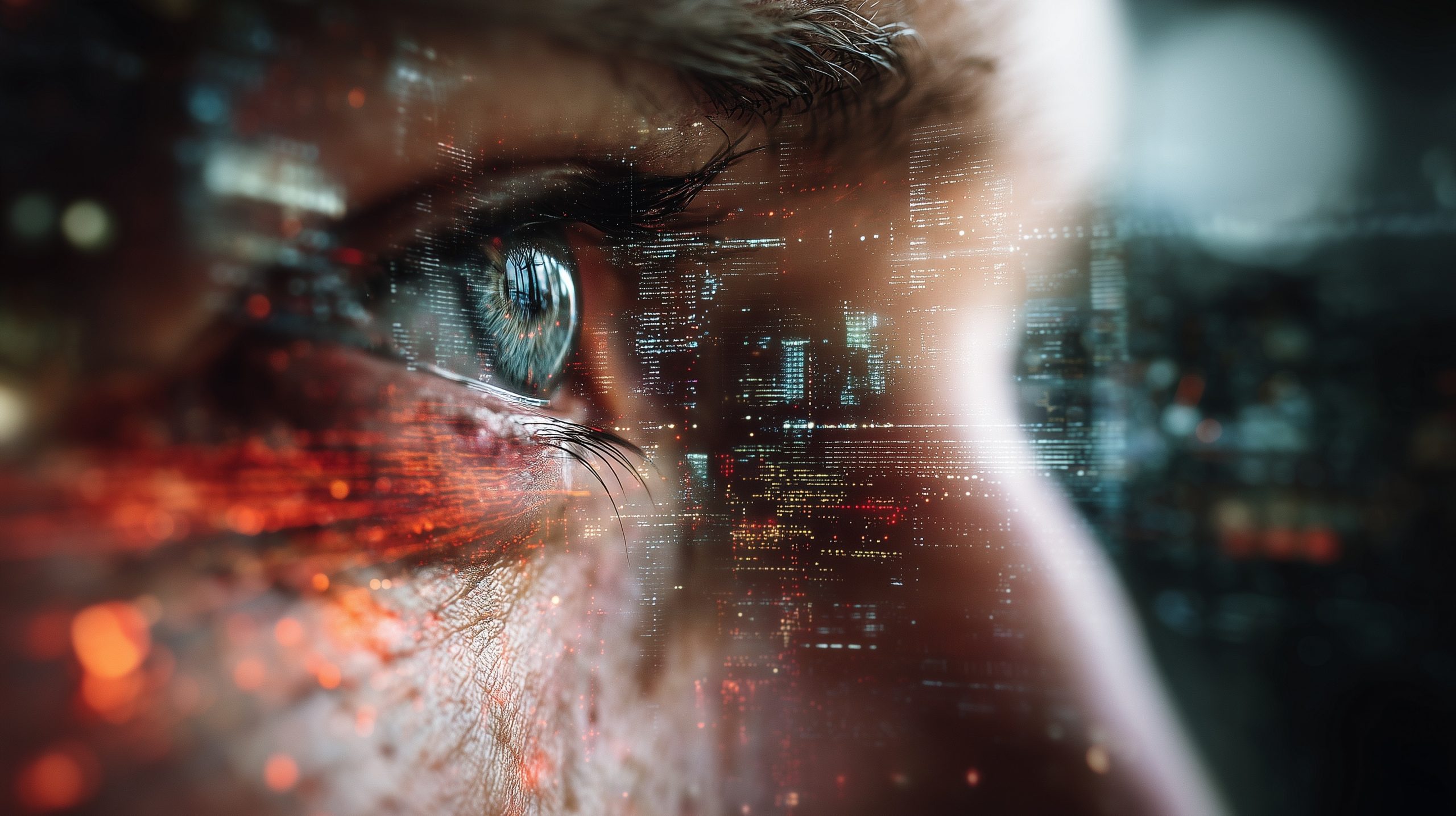
When Seeing Is No Longer Believing: How Justice Survives the Deepfake Era

By Futurist Thomas Frey

The Courtroom That Changed Everything

Imagine it’s 2031. A prosecutor stands before a jury and plays a video. It shows a man — clear as daylight, full color, perfect audio — confessing to a crime he says he never committed. His lawyer stands up and says four words that have become the most powerful legal phrase of the decade:

“That could be fake.”

And here’s the problem: she’s right. It could be. The jury knows it. The judge knows it. The prosecutor knows it.

So does everyone watching.

The video is thrown out. Not because it was proven false — but because it couldn’t be proven true. And in a world where synthetic media has become indistinguishable from reality, courts in a dozen countries have quietly reached the same conclusion: video and audio evidence, once the gold standard of courtroom proof, can no longer be trusted.

This isn’t science fiction. It’s the logical endpoint of a technology curve we’re already on. And it forces one of the most important questions of the coming decade:

When seeing is no longer believing, how do truth, trust, and justice survive?

Continue reading… “When Seeing Is No Longer Believing: How Justice Survives the Deepfake Era”

An artificial-intelligence first: Voice-mimicking software reportedly used in a major theft

8E43E024-384B-4C4F-805A-A5EC6CCF07F0

A fake video featuring former president Barack Obama. A new worry: fake voice recordings that can be used to persuade people that they’re being asked to do something by an authority. (AP/AP)

Thieves used voice-mimicking software to imitate a company executive’s speech and dupe his subordinate into sending hundreds of thousands of dollars to a secret account, the company’s insurer said, in a remarkable case that some researchers are calling one of the world’s first publicly reported artificial-intelligence heists.

The managing director of a British energy company, believing his boss was on the phone, followed orders one Friday afternoon in March to wire more than $240,000 to an account in Hungary, said representatives from the French insurance giant Euler Hermes, which declined to name the company.

The request was “rather strange,” the director noted later in an email, but the voice was so lifelike that he felt he had no choice but to comply. The insurer, whose case was first reported by the Wall Street Journal, provided new details on the theft to The Washington Post on Wednesday, including an email from the employee tricked by what the insurer is referring to internally as “the false Johannes.”

Continue reading… “An artificial-intelligence first: Voice-mimicking software reportedly used in a major theft”

Discover the Hidden Patterns of Tomorrow with Futurist Thomas Frey
Unlock Your Potential, Ignite Your Success.

By delving into the futuring techniques of Futurist Thomas Frey, you’ll embark on an enlightening journey.

Learn More about this exciting program.