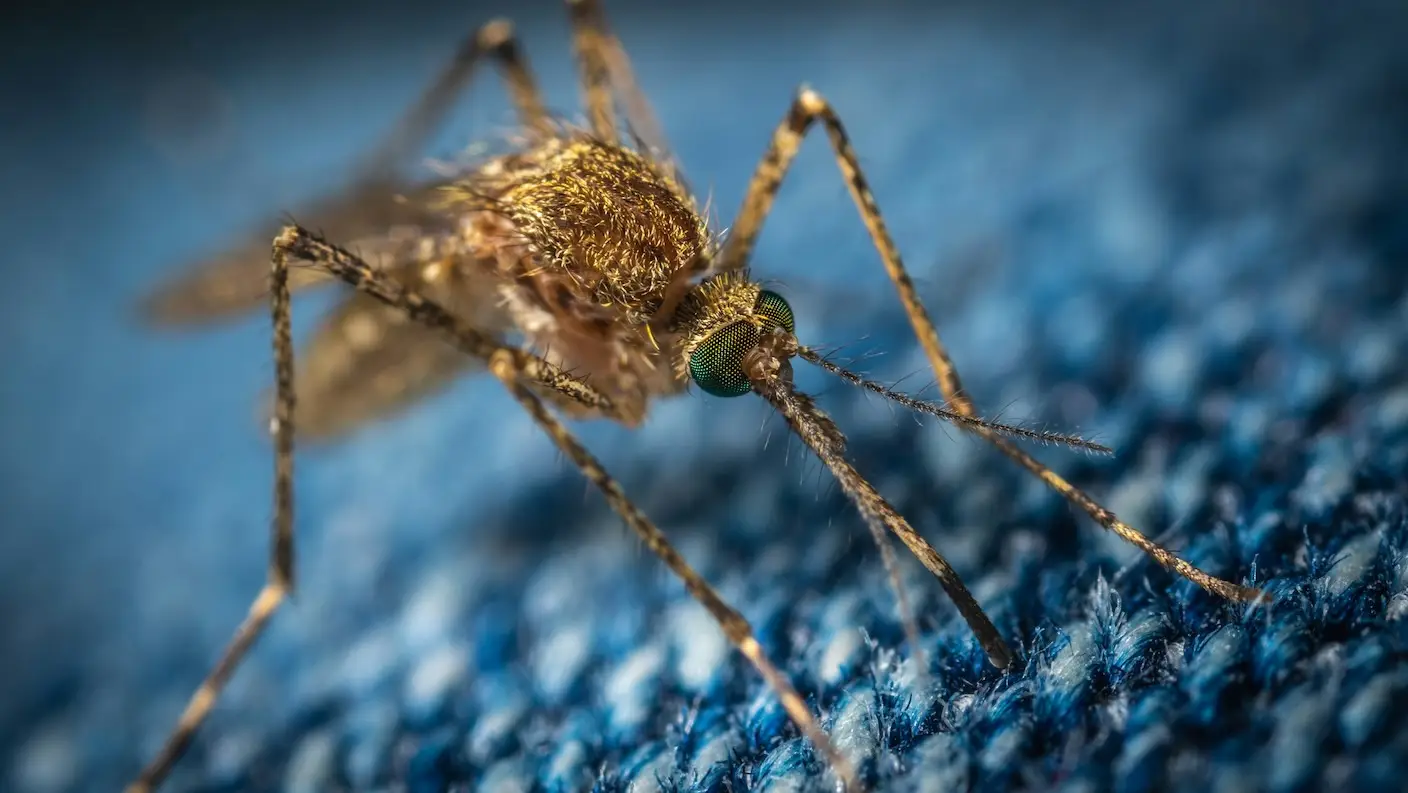
The deadliest animal on Earth isn’t a lion or a shark. It’s the mosquito.
These tiny, winged parasites are responsible for more deaths throughout human history than all wars combined. Every year, malaria alone kills over half a million people—most of them children. But now, scientists have unveiled a radical twist in the fight against these flying disease factories: don’t kill the mosquitoes. Reprogram them.
In a breakthrough that could change global health forever, researchers have genetically engineered mosquitoes to become immune to malaria—and then passed that immunity down through generations using a gene drive that rewrites the rules of evolution itself.
Welcome to the age of biological counterinsurgency.
On its surface, the plan was simple: gene-hack mosquitoes so their offspring immediately die, mix them with disease-spreading bugs in the wild, and watch the population drop off. Unfortunately, that didn’t quite pan out.
The genetically-altered mosquitoes did mix with the wild population, and for a brief period the number of mosquitoes in Jacobino, Brazil did plummet, according to research published in Nature Scientific Reports last week. But 18 months later the population bounced right back up, New Atlas reports — and even worse, the new genetic hybrids may be even more resilient to future attempts to quell their numbers.
They slaughtered our ancestors and derailed our history. And they’re not finished with us yet.
The insects are estimated to have killed more people than any other single cause.
In 1698, five ships set sail from Scotland, carrying a cargo of fine trade goods, including wigs, woollen socks and blankets, mother-of-pearl combs, Bibles, and twenty-five thousand pairs of leather shoes. There was even a printing press, with which the twelve hundred colonists aboard planned to manage a future busy with contracts and treaties. To make space for the luxuries, the usual rations for food and farming were reduced by half. But farming wasn’t the point. The ships’ destination was the Darien region of Panama, where the Company of Scotland hoped to create a trading hub that would bridge the isthmus and unite the world’s great oceans, while raising the economic prospects of a stubbornly independent kingdom that had just struggled through years of famine. The scheme was wildly popular in the desperate country, attracting a wide range of investors, from members of the national Parliament down to poor farmers; it has been estimated that between one-quarter and one-half of all the money in circulation in Scotland at the time followed the trade winds to Panama.
The expedition met with ruin. Colonists, sickened by yellow fever and strains of malaria for which their bodies were not prepared, began to die at the rate of a dozen a day. “The words that are repeated to the point of nausea in the diaries, letters, and accounts of the Scottish settlers are mosquitoes, fever, ague, and death,” the historian Timothy C. Winegard writes in his sprawling new book, “The Mosquito: A Human History of Our Deadliest Predator” (Dutton). After six months, with nearly half their number gone, the survivors—except those too weak to move, who were left behind on the shore—returned to their ships and fled north. Still, they kept dying in droves, their bodies thrown overboard. When a relief mission arrived in Darien, they found, of all the wigs and combs and shoes and ambition that had left Scotland, only a deserted printing press on an empty beach.
The mosquito is a delicate insect, with spindly legs and a graceful proboscis. The parasitic, single-celled organisms that spread malaria are even smaller and more fragile, and scientists are trying their hardest to remove them from the planet. More than 400,000 lives every year are at stake—that’s more people than die of international terrorist attacks, lightening strikes and shark attacks combined.
Drone packing a shortwave infrared camera to find the pools where larvae are
Mosquitoes are a big problem that plagues the world. We have recently seen a sticker that will render the wearer invisible to mosquitoes. Now, Florida, the paradise of marshy wetlands i.e. mosquito breeding grounds, is gearing up for an experiment involving aerial drones to fight mosquitoes.
Everyone hates mosquitoes, and the market is flooded with products aimed at getting you rid of the nuisance. A new product, the Kite patch claims to contain natural ingredients that, when worn, make you undetectable to the insects for 48 hours. Better yet, it doesn’t have to be worn on the skin, but will work just fine on clothing. We’re not sure what’s in it, but if it works as advertised, it should become an instant hit. Currently doing the crowdfunding dance on IndieGogo, the plan is for the makers to test the first batch in Uganda, where malaria is common. Once that’s done, and once they’ve received US EPA approval, Kite will become available stateside.