AI Set to Transform Retail Shopping by 2025, With Personalized Experiences and New Challenges

Tech executives and investors predict that artificial intelligence will dramatically reshape the retail shopping landscape by 2025, with AI assistants offering highly personalized experiences and handling up to 20% of eCommerce tasks, ranging from product recommendations to customer service. Industry leaders from Citi, Google Cloud, and global tech investment firms envision a future where shopping becomes more intuitive, efficient, and tailored to individual preferences. However, they stress the importance of careful AI implementation to ensure security and accessibility.

AI is expected to make shopping feel almost “Black Mirror”-like, with virtual assistants predicting consumer needs with startling accuracy. Lars Nyman, Chief Marketing Officer at CUDO Compute, suggests that AI-driven personalization could lead to eerily prescient interactions, such as a virtual assistant reminding a shopper about hiking boots before a trip. While AI’s ability to forecast demand may help retailers reduce inventory costs by up to 10%, it also raises concerns about data privacy as consumers will expect greater transparency regarding how their data is being used.

Continue reading… “AI Set to Transform Retail Shopping by 2025, With Personalized Experiences and New Challenges”
Backflip Revolutionizes 3D Design with AI-Powered Model Creation

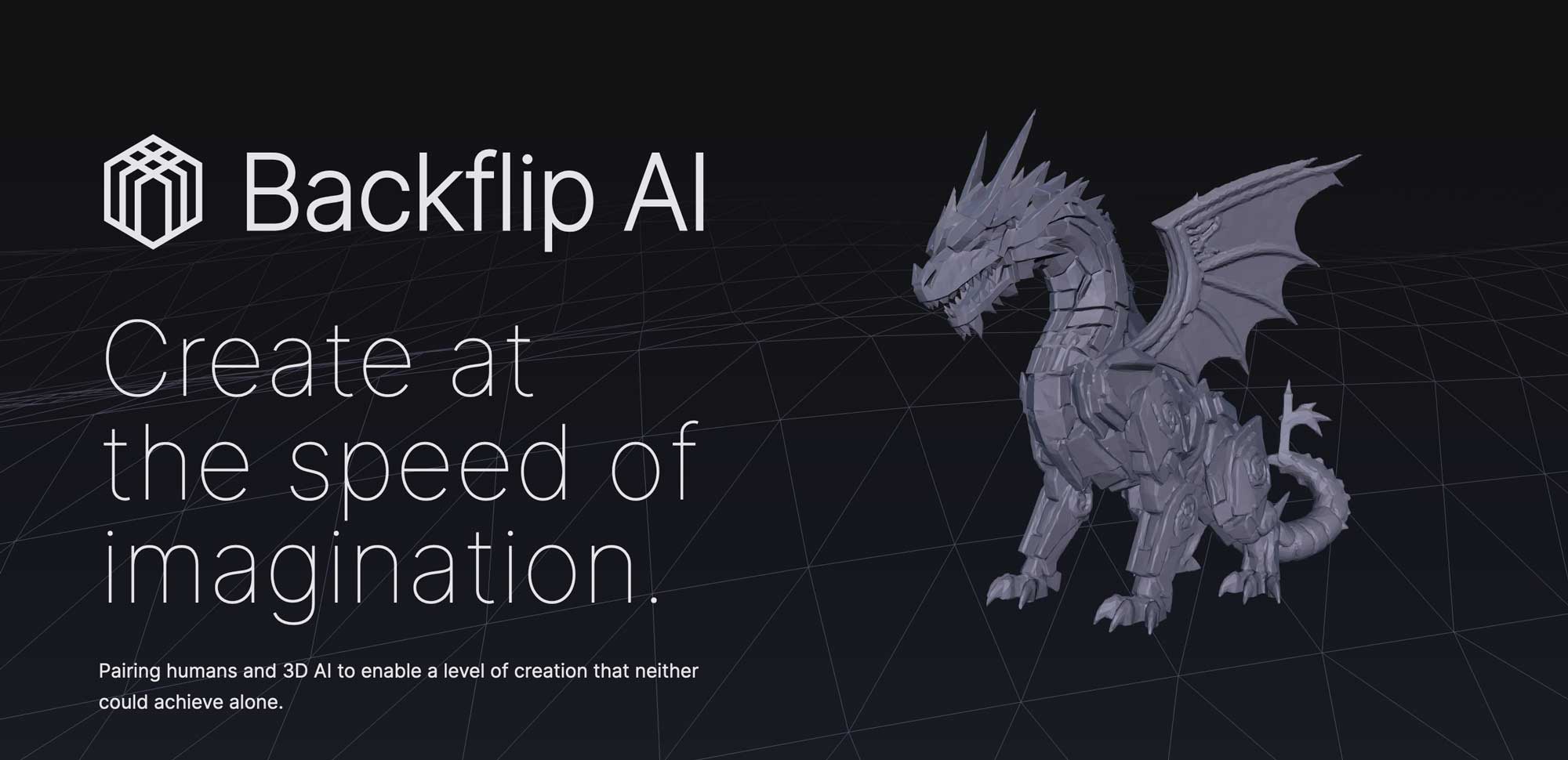
Backflip’s innovative platform leverages a newly developed AI model to streamline the process of converting ideas into 3D printable models. Users can generate high-resolution, printable designs with just a text command or a photo, making it easier and faster to bring concepts to life. According to Backflip’s CTO, David Benhaim, their technology offers a significant performance boost, providing up to 60 times more efficient training, 10 times faster processing speeds, and 100 times higher spatial resolution compared to traditional methods.

“Our breakthrough involves a new type of neural representation that enables AI to think in 3D,” explains Benhaim. “By starting with basic 3D models, we are laying the foundation for a new category of tools that can bring physical products to life more quickly and efficiently.”

Continue reading… “Backflip Revolutionizes 3D Design with AI-Powered Model Creation”

Draganfly Launches Drone Delivery Pilot with Mass General Brigham to Revolutionize Healthcare Logistics

Draganfly Inc. announced last week that it has completed the initial flights for a proof-of-concept drone delivery project in collaboration with Mass General Brigham (MGB) Home Hospital. The initial phase of this research and development initiative focused on evaluating and mapping potential drone delivery routes, in partnership with MGB and regulatory bodies. The test flights, which included takeoffs and landings within the hospital’s infrastructure, marked a significant milestone, though they were not yet involved in actual care delivery.

The primary goal of this initiative is to explore how drone deliveries can provide timely access to critical medical supplies and laboratory samples, thus minimizing the delays typically caused by traditional logistics methods. The first phase of the project, concentrated around the greater Boston metropolitan area, is designed to test Draganfly’s proprietary drone technology in addressing key healthcare logistics challenges, particularly in reducing delays caused by traffic congestion and outdated delivery processes.

Continue reading… “Draganfly Launches Drone Delivery Pilot with Mass General Brigham to Revolutionize Healthcare Logistics”

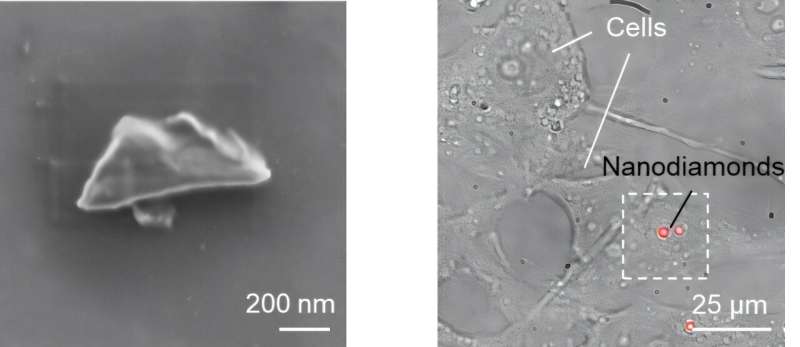
Breakthrough in Quantum Sensing: Nanodiamonds with Exceptional Spin Properties Show Promise for Bioimaging and Biosensing

Quantum sensing is an emerging field that leverages the unique quantum properties of particles, such as superposition, entanglement, and spin, to detect subtle changes in physical, chemical, or biological systems. A particularly promising class of quantum sensors is nanodiamonds (NDs) equipped with nitrogen-vacancy (NV) centers, which offer high sensitivity to various environmental factors, including magnetic fields, electric fields, and temperature. These NV centers, created by replacing a carbon atom with nitrogen near a lattice vacancy in a diamond structure, emit photons that preserve stable spin information. By using optically detected magnetic resonance (ODMR), researchers can detect changes in these spin states, making NDs ideal for applications in quantum biosensing.

In a groundbreaking study published on December 16, 2024, in ACS Nano, scientists from Okayama University in Japan have developed a new class of nanodiamond sensors that are not only bright enough for bioimaging but also exhibit spin properties comparable to bulk diamonds. The study, led by Research Professor Masazumi Fujiwara from Okayama University, in collaboration with Sumitomo Electric Company and the National Institutes for Quantum Science and Technology, marks a significant advancement in the field of quantum sensing. “This is the first demonstration of quantum-grade NDs with exceptionally high-quality spins, a long-awaited breakthrough in the field,” says Prof. Fujiwara. “These NDs possess properties that have been highly sought after for quantum biosensing and other advanced applications.”

Continue reading… “Breakthrough in Quantum Sensing: Nanodiamonds with Exceptional Spin Properties Show Promise for Bioimaging and Biosensing”

China Breaks Records with Completion of World’s Largest-Diameter Underwater Shield Tunnel

Workers in China have set a new world record by completing the construction of the world’s largest-diameter underwater shield tunnel, marking a major milestone in infrastructure development. A two-mile section of the tunnel, with an impressive diameter of 55.8 feet (17 meters), has been finished, featuring 500 pipe rings of underwater shielding. The work is part of an ambitious project to build a 3.6-mile tunnel beneath the Yellow River in Jinan, the capital of Shandong Province, East China.

Currently under construction 98 feet below the surface, the tunnel will be a critical north-south route connecting key areas in Jinan. It will feature a two-way road with three lanes in each direction, designed to accommodate vehicles at a speed of 37.2 miles per hour (60 km/h). The project aims to enhance the region’s connectivity and is set to be completed by late 2025.

Continue reading… “China Breaks Records with Completion of World’s Largest-Diameter Underwater Shield Tunnel”

Ambient Scientific Unveils Sparsh AI Module: Revolutionizing Battery-Powered On-Device AI

Ambient Scientific has introduced its innovative AI module, the Sparsh board, which operates on a coin cell battery, enabling a wide range of on-device AI applications. The module is designed to power tasks such as human activity recognition, voice control, and acoustic event detection, all while offering the remarkable capability to run for months without the need for frequent battery replacements.

The Sparsh board is equipped with a variety of components, including motion sensors, a digital microphone, a Bluetooth Low-Energy (BLE) module, and more. This makes it an ideal tool for developers looking to quickly prototype battery-operated AI applications.

Continue reading… “Ambient Scientific Unveils Sparsh AI Module: Revolutionizing Battery-Powered On-Device AI”

Cyanobacteria Pave the Way for Sustainable Plastics Production Using CO2

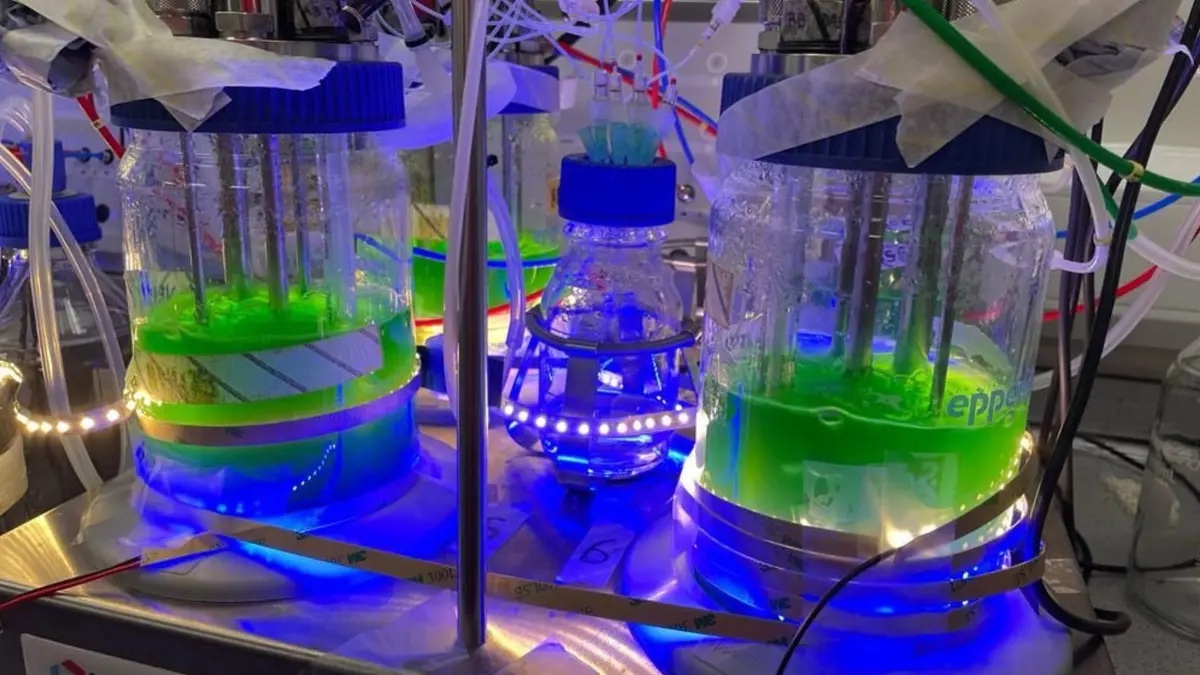
Cyanobacteria, also known as blue-green algae, have emerged as a promising tool in the development of sustainable plastics, such as Perspex, by producing citramalate—a key component in plastic production. Researchers from the University of Manchester have demonstrated that these photosynthetic microorganisms can convert CO2, a major greenhouse gas, into valuable materials. This breakthrough could accelerate the creation of eco-friendly plastic alternatives traditionally made from fossil fuel-derived chemicals, supporting the transition to a circular bioeconomy that reduces waste and carbon emissions.

Cyanobacteria are tiny organisms that harness sunlight to convert CO2 into organic matter, offering a sustainable method to produce valuable products without relying on agricultural resources like sugar or corn. Despite their potential, the slow growth and limited efficiency of cyanobacteria have hindered their large-scale industrial use.

Continue reading… “Cyanobacteria Pave the Way for Sustainable Plastics Production Using CO2”

Groundbreaking Quantum Communication Discovery Could Revolutionize Network Infrastructure

Imagine trying to float a soap bubble through a sandstorm without it popping. This is a rough analogy for the extraordinary achievement of Northwestern University researchers in the field of quantum communications. Instead of a delicate soap bubble, these scientists have successfully protected individual particles of light—carrying quantum information—from being overwhelmed by conventional internet traffic.

For years, experts believed that quantum communications would require a completely separate infrastructure, isolated from the busy highways of traditional internet traffic. However, these researchers have proven otherwise, demonstrating that quantum and classical signals can coexist on the same fiber optic cables without disrupting each other. This breakthrough is poised to accelerate the development of quantum networks, offering a more practical and cost-effective route for the future of communication.

Continue reading… “Groundbreaking Quantum Communication Discovery Could Revolutionize Network Infrastructure”

South Korean Researchers Develop Microrobots That Collaborate Like Ants for Complex Tasks

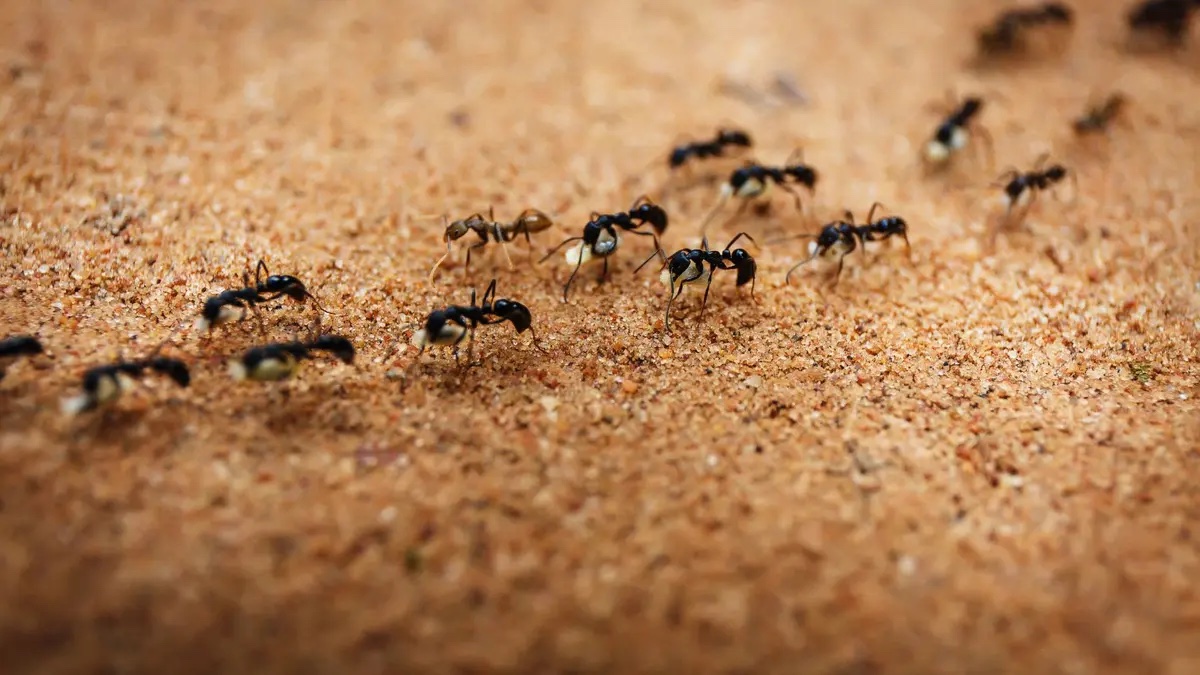
In a remarkable breakthrough, researchers at Hanyang University in Seoul, South Korea, have developed tiny magnetic robots that work together like ants to accomplish impressive tasks—moving and lifting objects much larger than themselves. This innovative system of microrobot swarms, powered by rotating magnetic fields, could open up new possibilities for a variety of complex applications, including minimally invasive medical treatments and environmental tasks in challenging conditions.

The research team, led by Jeong Jae Wie from the Department of Organic and Nano Engineering at Hanyang University, is harnessing the collective power of these robots, drawing inspiration from nature’s own cooperative workers: ants. “The high adaptability of microrobot swarms to their surroundings and their ability to perform tasks autonomously were surprising,” said Wie. “These robots work together to accomplish goals, much like how ants collaborate to build bridges or survive floods.”

Continue reading… “South Korean Researchers Develop Microrobots That Collaborate Like Ants for Complex Tasks”

Florida Atlantic University Develops AI System to Recognize American Sign Language with 98% Accuracy

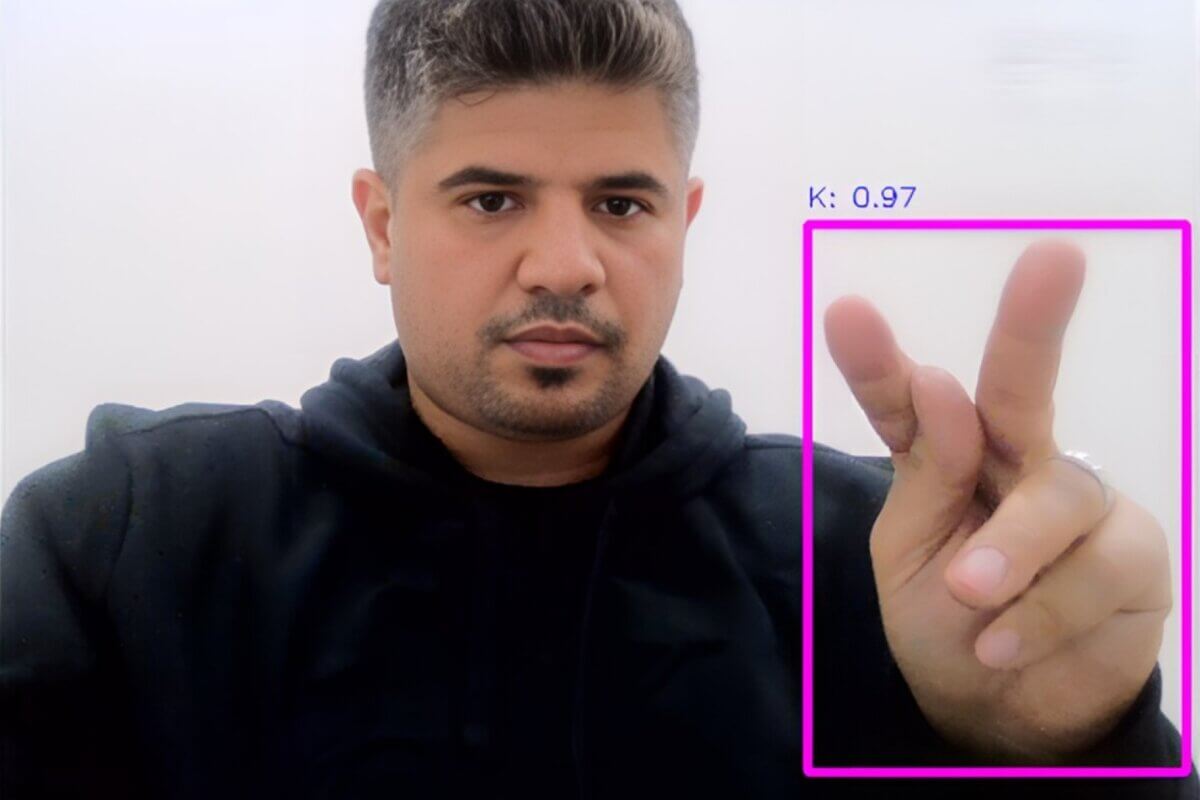
In a groundbreaking advancement for communication technology, researchers at Florida Atlantic University (FAU) have developed an artificial intelligence (AI) system capable of recognizing American Sign Language (ASL) with remarkable precision. This innovation could revolutionize how deaf and hard-of-hearing individuals interact with both technology and the world around them, breaking down communication barriers that have long existed.

Imagine a world where every hand gesture is instantly understood—a world where the complex, nuanced language of ASL is as easily readable as spoken words. This vision is no longer a distant dream. By leveraging cutting-edge computer vision technology, the research team at FAU has created an AI model that can interpret ASL alphabet gestures with an astounding 98% accuracy.

Continue reading… “Florida Atlantic University Develops AI System to Recognize American Sign Language with 98% Accuracy”

Innovative Drug Delivery System Uses Metal-Biomolecule Networks for Safer, More Effective Therapies

A team of researchers from the University of Melbourne’s Caruso Nanoengineering Group has developed an innovative drug delivery system with significant potential to revolutionize drug development. The new system, known as a metal–biomolecule network (MBN), consists of a coordination network made up entirely of metal ions and biomolecules, eliminating the need for complex drug “carriers.” This breakthrough could offer a simpler, more efficient, and safer alternative for a wide range of biomedical applications.

Published in Science Advances, the research was led by Melbourne Laureate Professor and NHMRC Leadership Fellow Frank Caruso, from the Department of Chemical Engineering, along with Research Fellows Dr. Wanjun Xu and Dr. Zhixing Lin, who share first authorship. The MBN nanoparticles are created by combining non-toxic metal ions (such as calcium and iron, which are naturally absorbed through the diet) with phosphonate biomolecules like DNA. These nanoparticles are chemically and metabolically stable, and have demonstrated antiviral, antibacterial, antifungal, anti-inflammatory, and anti-cancer properties.

Continue reading… “Innovative Drug Delivery System Uses Metal-Biomolecule Networks for Safer, More Effective Therapies”

Breakthrough in Human Stem Cell Research: Scientists Create Notochord Model for Studying Early Human Development

Scientists at the Francis Crick Institute have made a groundbreaking advancement in developmental biology by creating human stem cell models that, for the first time, incorporate the notochord. This rod-shaped tissue plays a crucial role in guiding the formation of the spine and nervous system in developing embryos. The research, published on December 18 in Nature, marks a significant step forward in understanding how the human body forms during early stages of development.

The notochord is a defining feature of all vertebrates, serving as a structural guide in the developing body. It plays a key role in organizing tissues as the embryo grows, but due to its complexity, it has been notably absent in previous lab-grown models of human trunk development. This new breakthrough offers the potential to further our understanding of both normal and abnormal human development.

Continue reading… “Breakthrough in Human Stem Cell Research: Scientists Create Notochord Model for Studying Early Human Development”
Discover the Hidden Patterns of Tomorrow with Futurist Thomas Frey
Unlock Your Potential, Ignite Your Success.

By delving into the futuring techniques of Futurist Thomas Frey, you’ll embark on an enlightening journey.

Learn More about this exciting program.