Harnessing the Power of Algae: A New Era of Micro-Photosynthetic Power Cells

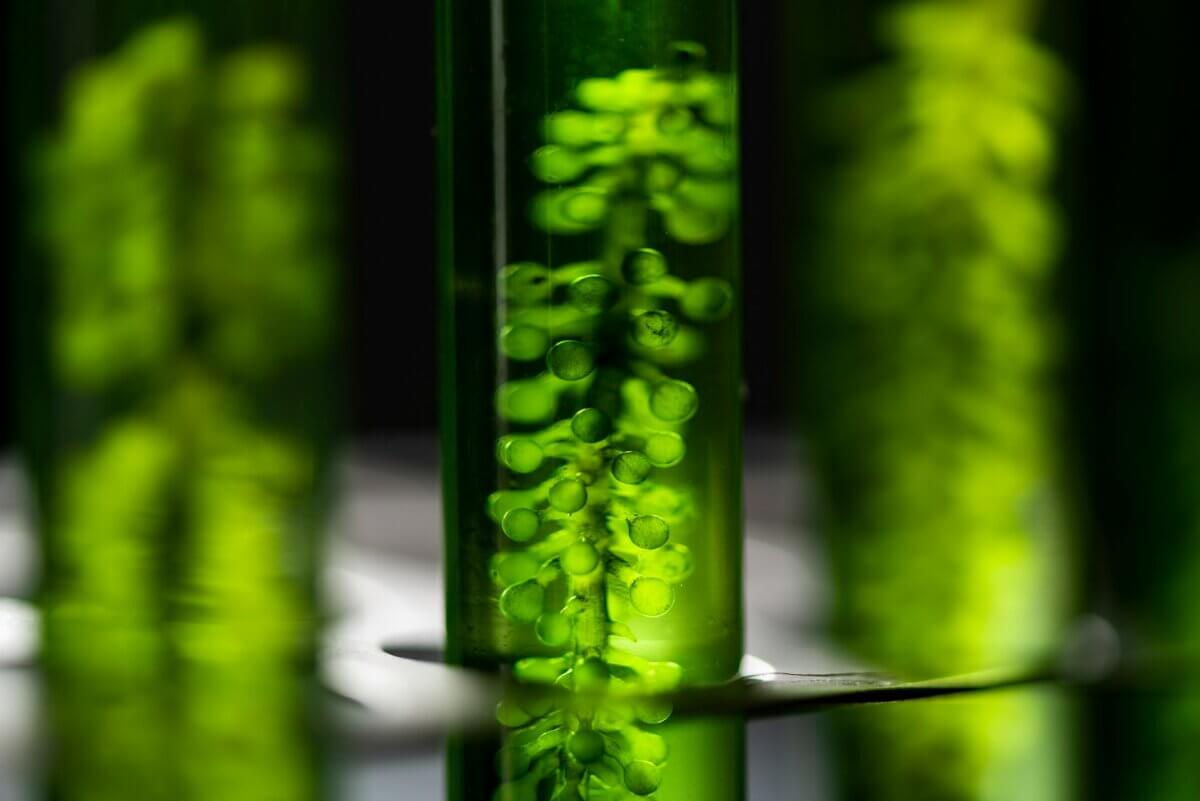
In a world increasingly hungry for sustainable energy sources, scientists are turning to some unlikely heroes: microscopic algae. Researchers at Concordia University have developed a promising new technology called micro-photosynthetic power cells (μPSCs) that harness the natural processes of these tiny organisms to generate electricity. They’ve now discovered a way to dramatically increase the power output of these miniature green energy factories.

At the heart of this innovation is a deceptively simple idea: connecting multiple μPSCs together, much like linking batteries in a flashlight. By arranging these biological power sources in various configurations, the team has unlocked new levels of performance, bringing us one step closer to practical applications for this eco-friendly technology. What makes this technology particularly exciting is its potential to not only produce clean energy but also remove carbon from the atmosphere in the process.

Continue reading… “Harnessing the Power of Algae: A New Era of Micro-Photosynthetic Power Cells”
Discovery of Deep-Sea Oxygen Source Could Revolutionize Scientific Understanding

The recent discovery of a deep-sea oxygen source has stunned marine researchers and may necessitate a radical rethinking across several scientific fields, including the search for extraterrestrial life. Unlike the oxygen produced by photosynthesis, this oxygen is generated by minerals on the ocean floor.

High school science classes often teach that our oxygen comes from plant photosynthesis, particularly in tropical rainforests. However, scientists have long known that this is only partly true. While plants do produce a significant portion of the oxygen we breathe, phytoplankton in oceans and lakes contribute substantially as well. In both cases, the basic process involves living organisms using sunlight to convert carbon dioxide and water into necessary molecules, producing oxygen as a byproduct. This oxygen is crucial for sustaining life on Earth, including human life.

Continue reading… “Discovery of Deep-Sea Oxygen Source Could Revolutionize Scientific Understanding”

Revolutionizing Long-Distance Cargo Transport: TUM’s Breakthrough in Battery-Powered Trucks

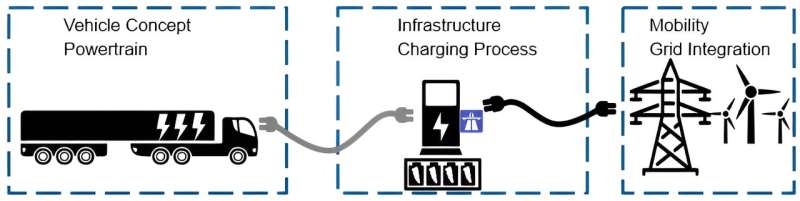
In collaboration with industry partners and research institutions, the Technical University of Munich (TUM) is pioneering efforts to make battery-powered trucks a viable option for long-distance cargo transport. A significant advancement in this mission is the introduction of megawatt charging technology. On Friday, at the Plattling Technology Campus, the first prototypes were unveiled to the public, with the Bavarian Minister of Economic Affairs, Hubert Aiwanger, in attendance. This new technology allows for a truck’s battery to be charged within the regulatory rest period, providing 4.5 hours of operation without additional waiting time.

In Germany, approximately 70% of freight transport, in terms of volume and distance, relies on road transportation, predominantly using diesel-powered trucks. This reliance contributes significantly to environmental pollution, with 40% of the transport-related CO2 emissions (148 million tons) stemming from freight transport. Transitioning from diesel to electric power presents substantial environmental benefits. Under the leadership of the Chair of Automotive Technology at TUM, the NEFTON research consortium is developing the necessary technical and infrastructure solutions to facilitate this switch.

Continue reading… “Revolutionizing Long-Distance Cargo Transport: TUM’s Breakthrough in Battery-Powered Trucks”

Young Americans Prioritize Climate Change, Weapons Control, and Anti-Terrorism in Foreign Policy

A recent Pew Research Center survey reveals that majorities of U.S. adults under 30 consider dealing with global climate change (59%), preventing the spread of weapons of mass destruction (56%), and protecting the United States from terrorist attacks (55%) as top foreign policy priorities. These three issues stand out as the only ones that young adults see as top priorities among the 22 long-term foreign policy goals surveyed.

In contrast, fewer young adults prioritize other significant issues:

  • Reducing the spread of infectious diseases (45%)
  • Reducing the flow of illegal drugs into the country (39%)
  • Promoting and defending human rights in other countries (36%)

While these foreign policy goals are important to young adults, they place less emphasis on climate change when considering domestic priorities. A separate survey conducted in January shows that young adults prioritize strengthening the economy, improving education, and reducing health care costs over climate change.

Continue reading… “Young Americans Prioritize Climate Change, Weapons Control, and Anti-Terrorism in Foreign Policy”

Digital Decay: The Fleeting Nature of Online Content

The internet, with its hundreds of billions of indexed webpages, serves as a vast repository of modern life. However, despite its immense utility, online content frequently disappears from view. A new analysis by the Pew Research Center highlights the transient nature of the web:

  • Disappearing Content: As of October 2023, a quarter of all webpages that existed between 2013 and 2023 are no longer accessible. Most often, this happens when an individual page is deleted from an otherwise functional website. Older content is even more affected; 38% of webpages from 2013 are no longer available, compared to 8% of pages from 2023.

This phenomenon, known as “digital decay,” affects various online spaces. The Pew analysis examined links on government and news websites, as well as the “References” section of Wikipedia pages as of spring 2023, and found:

Continue reading… “Digital Decay: The Fleeting Nature of Online Content”

The Impact of Video Games on Teens: A Comprehensive Look

The impact of video games on youth has long been a topic of debate. While some argue that gaming helps young people form friendships, learn teamwork, and develop problem-solving skills, others believe that video games expose teens to violent content, disrupt their sleep, and can lead to addiction. To explore these differing views, the Pew Research Center surveyed 1,423 U.S. teens aged 13 to 17 about their video game habits, the friends they’ve made through gaming, and whether gaming interferes with their academic performance or sleep.

Gaming Prevalence and Identity Among Teens

Video gaming is widespread among U.S. teens, with 85% reporting they play games. Only 15% say they never engage in gaming. Interestingly, not all teen gamers consider themselves “gamers.” Overall, 40% of U.S. teens identify as gamers, while 45% play video games but do not label themselves as such.

Continue reading… “The Impact of Video Games on Teens: A Comprehensive Look”

Breakthrough in Cochlear Implants: MIT and Partners Develop Implantable Microphone

Cochlear implants, small electronic devices that provide a sense of sound to those who are deaf or hard of hearing, have improved hearing for over a million people worldwide, according to the National Institutes of Health. However, current cochlear implants are only partially implanted, relying on external hardware that sits on the side of the head. This external component restricts users, preventing them from swimming, exercising, or sleeping with the device, leading some to forgo the implant altogether.

A multidisciplinary team of researchers from MIT, Massachusetts Eye and Ear, Harvard Medical School, and Columbia University has made significant progress toward creating a fully internal cochlear implant. They have developed an implantable microphone that performs as well as commercial external hearing aid microphones, addressing one of the largest hurdles in achieving a fully internalized cochlear implant.

Continue reading… “Breakthrough in Cochlear Implants: MIT and Partners Develop Implantable Microphone”

NOAA Launches Final GOES-R Satellite, Enhancing Environmental Monitoring with AI

On June 25, the National Oceanic and Atmospheric Administration (NOAA) launched GOES-U, the fourth and final satellite of the Geostationary Operational Environmental Satellites (GOES)-R program. This launch continues and extends the program’s mission to serve as the Western Hemisphere’s most advanced system for observing weather and monitoring the environment, as endorsed by the World Meteorological Organization.

Since the first GOES-R satellite launch in November 2016, these satellites have equipped NOAA with sophisticated imagery and atmospheric measurements, real-time lightning activity mapping, space weather observations, and other critical data collected by an array of sensors and imagers.

Continue reading… “NOAA Launches Final GOES-R Satellite, Enhancing Environmental Monitoring with AI”

Leveraging Online Videos for Advanced Robot Training

To be effectively utilized in real-world scenarios, robots must reliably perform a variety of everyday tasks, from household chores to industrial processes. Tasks such as manipulating fabrics, folding clothes, or assisting individuals with mobility impairments in knotting ties, are particularly challenging for robotic systems. Training robots to handle these tasks often involves imitation learning, which uses videos, motion capture footage, and other data of humans completing the tasks. However, this method requires substantial amounts of human demonstration data, which can be costly and difficult to obtain. Existing open-source datasets also tend to lack sufficient data compared to those used for training other computational techniques like computer vision or generative AI models.

Researchers at the National University of Singapore, Shanghai Jiao Tong University, and Nanjing University have recently proposed an alternative approach to enhance and simplify the training of robotics algorithms using human demonstrations. This approach, detailed in a paper pre-published on arXiv, utilizes the vast number of videos posted online daily as sources of human demonstrations for various tasks.

Continue reading… “Leveraging Online Videos for Advanced Robot Training”

South Korean Kim Young-hoon Recognized as Highest IQ Holder in History

South Korean Kim Young-hoon has been recognized as the individual with the highest IQ in history, scoring an impressive 276 at the World Memory Championships. The announcement was made by the competition’s organizer, the World Mind Sports Council, on Thursday.

“The World Mind Sports Council hereby recognizes Young-hoon Kim from South Korea as the person with the highest IQ in the world and congratulates him,” stated the event organizer.

Previously, the title of the highest IQ holder belonged to Chinese-Australian professor Terence Tao, who has an IQ of 230.

Following the announcement, Kim expressed his aspirations: “I want to research and help improve people’s brainpower around the world using my talents in the future.”

Continue reading… “South Korean Kim Young-hoon Recognized as Highest IQ Holder in History”

TeraNet Advances Space Communication with Laser Signal Success

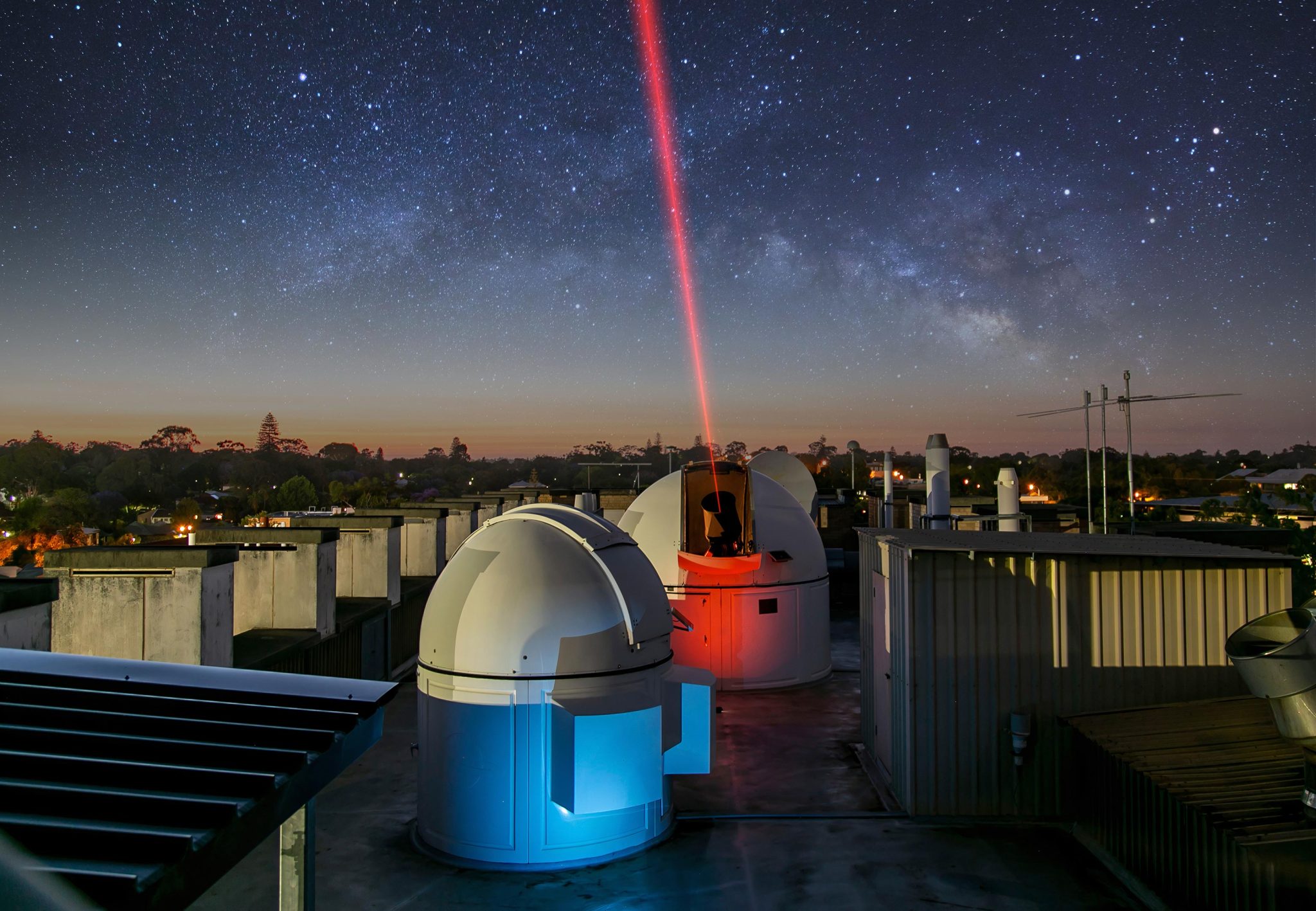
The TeraNet team, led by Associate Professor Sascha Schediwy from the UWA node at the International Centre for Radio Astronomy Research (ICRAR), successfully received laser signals from OSIRISv1, a laser communication payload developed by the Institute of Communications and Navigation of the German Aerospace Center (DLR). The signals, transmitted from the University of Stuttgart’s Flying Laptop satellite, were detected using two of TeraNet’s optical ground stations during satellite flybys last Thursday.

“This demonstration is the critical first step in establishing a next-generation space communications network across Western Australia. The next steps include joining this network to other optical ground stations currently being developed in Australia and across the world,” said Associate Professor Schediwy.

Continue reading… “TeraNet Advances Space Communication with Laser Signal Success”

Transforming Organic Waste into Fertilizer: A Sustainable Approach Using Hydrothermal Liquefaction and Fungal Treatment

Creating fertilizers from organic waste can significantly reduce fossil fuel consumption and promote sustainable agricultural production. One innovative method is hydrothermal liquefaction (HTL), which converts biomass into biocrude oil through a high-temperature, high-pressure process. Two studies from the University of Illinois Urbana-Champaign explore the use of a fungal treatment to convert the leftover wastewater from HTL into fertilizer for agricultural crops.

“HTL uses wet biomass from organic sources such as swine manure or food waste. The process yields wastewater, called hydrothermal liquefaction aqueous phase (HTL-AP), which is usually discarded. We know it contains nutrients that can be used for fertilizer, but they are mostly in organic forms that plants can’t access. HTL-AP may also contain toxic heavy metals, depending on the type of biowaste,” said co-author Paul Davidson, an associate professor in the Department of Agricultural and Biological Engineering (ABE), part of the College of Agricultural, Consumer and Environmental Sciences and The Grainger College of Engineering at Illinois.

Continue reading… “Transforming Organic Waste into Fertilizer: A Sustainable Approach Using Hydrothermal Liquefaction and Fungal Treatment”
Discover the Hidden Patterns of Tomorrow with Futurist Thomas Frey
Unlock Your Potential, Ignite Your Success.

By delving into the futuring techniques of Futurist Thomas Frey, you’ll embark on an enlightening journey.

Learn More about this exciting program.