Private Space Stations: The Future Portals for Commerce, Tourism, and Human Expansion

by Futurist Thomas Frey

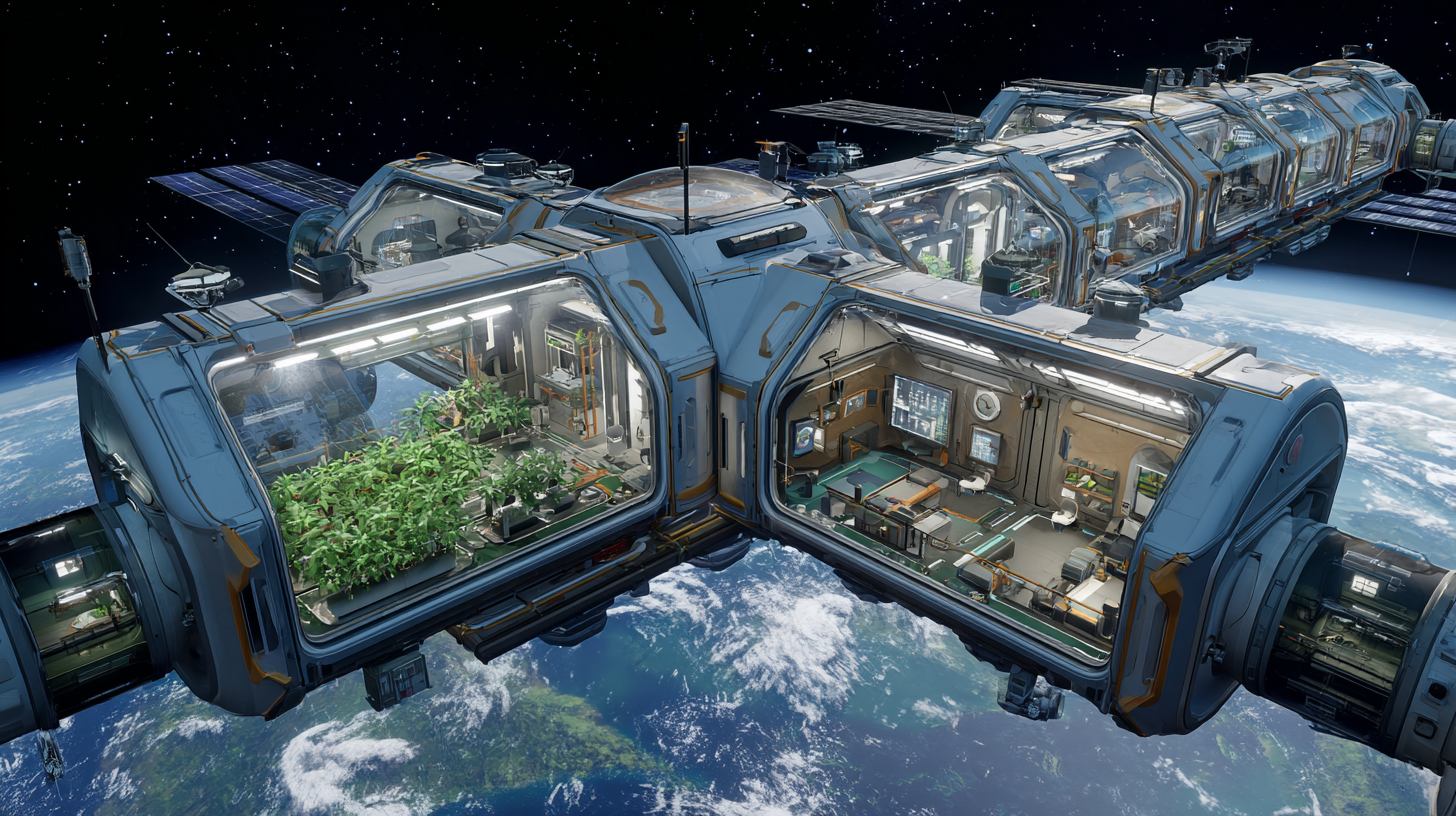
The age of government-run space stations is drawing to a close. The International Space Station, humanity’s orbiting laboratory, is approaching the end of its usable life. By the end of this decade, it will likely be decommissioned, leaving a massive gap in our presence in low-Earth orbit. But this gap won’t stay empty for long. Private enterprise is already stepping in, and the result will be the rise of private space stations—commercial hubs that will act as portals to the next era of space commerce and tourism.

Continue reading… “Private Space Stations: The Future Portals for Commerce, Tourism, and Human Expansion”

The Unwritten Rules of Driverless Cars

By Futurist Thomas Frey

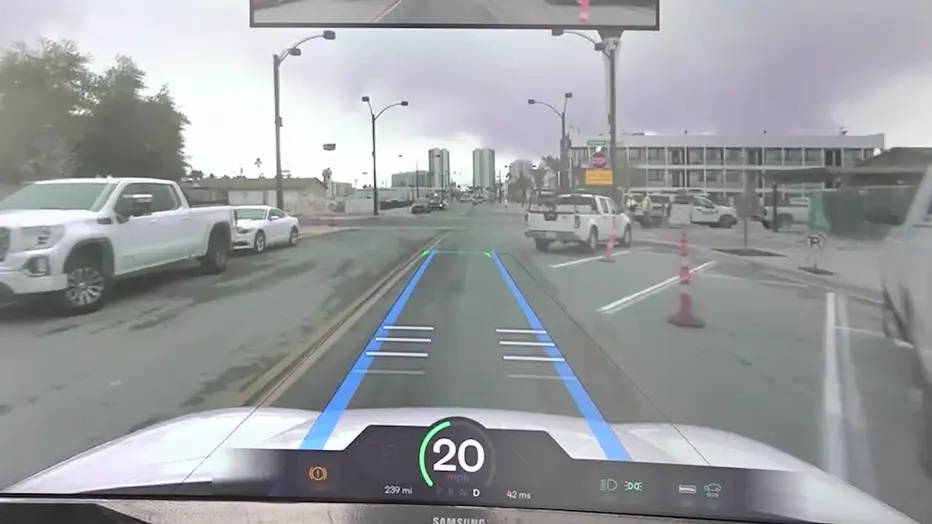
The driverless car is no longer science fiction—it’s here, humming quietly in test fleets, edging into city streets, and waiting for regulators to catch up. But while engineers have solved many of the mechanical and digital challenges, society hasn’t even begun to grapple with the social ones.

Here’s a simple but unsettling question: How young is too young to ride alone in a driverless car? Imagine a six-year-old, buckled into a fully autonomous pod at home, ferried ten minutes to school, and greeted by a waiting teacher at the other end. Is that safe? Is it ethical? Is it legal? And if ten minutes seems fine, what about thirty? What about an hour-long commute across town?

We don’t have answers yet—because the rules haven’t been written.

Continue reading… “The Unwritten Rules of Driverless Cars”

China Achieves 22% reduction in aerodynamic drag: High-Speed Trains at 248 mph and Beyond

When a train pushes past 200 miles per hour, it stops being just a train. It becomes a battle with the air itself. At these speeds, aerodynamic drag is no longer a minor nuisance—it is the single largest force standing in the way of efficiency, safety, and speed. Now, a team of engineers in China has made a breakthrough that could reshape the future of high-speed rail: a 22% reduction in aerodynamic drag at 248 mph (400 km/h).

That number may not sound dramatic at first glance, but in the world of transportation engineering, it is staggering. At 248 mph, drag increases by nearly 30% compared with trains running at the more common 217 mph. Every bit of resistance translates into massive amounts of wasted energy, higher operating costs, and limits on how fast and far these machines can run. Reducing drag by 22% is like unlocking a secret door into the future of rail travel.

Continue reading… “China Achieves 22% reduction in aerodynamic drag: High-Speed Trains at 248 mph and Beyond”

Over-Honking: The Future of Indirect Influence in a Networked World

How a traffic light revelation reveals the hidden architecture of 21st-century communication

By Futurist Thomas Frey

Picture this: You’re at a red light. It turns green. The car directly in front of you sits motionless, but you can see there’s another vehicle ahead blocking the way. Logic says wait. Your horn finger says otherwise. You press down, sending your frustration sailing over the immediate obstacle toward its true target—a perfect example of what I call “over-honking.”

This seemingly trivial traffic moment reveals something profound about how influence actually works in our hyperconnected age. Over-honking isn’t just about cars—it’s become the dominant communication paradigm of our time, reshaping everything from social movements to corporate strategy to personal relationships. And understanding it might be the key to navigating the complex influence networks that will define our future.

Continue reading… “Over-Honking: The Future of Indirect Influence in a Networked World”

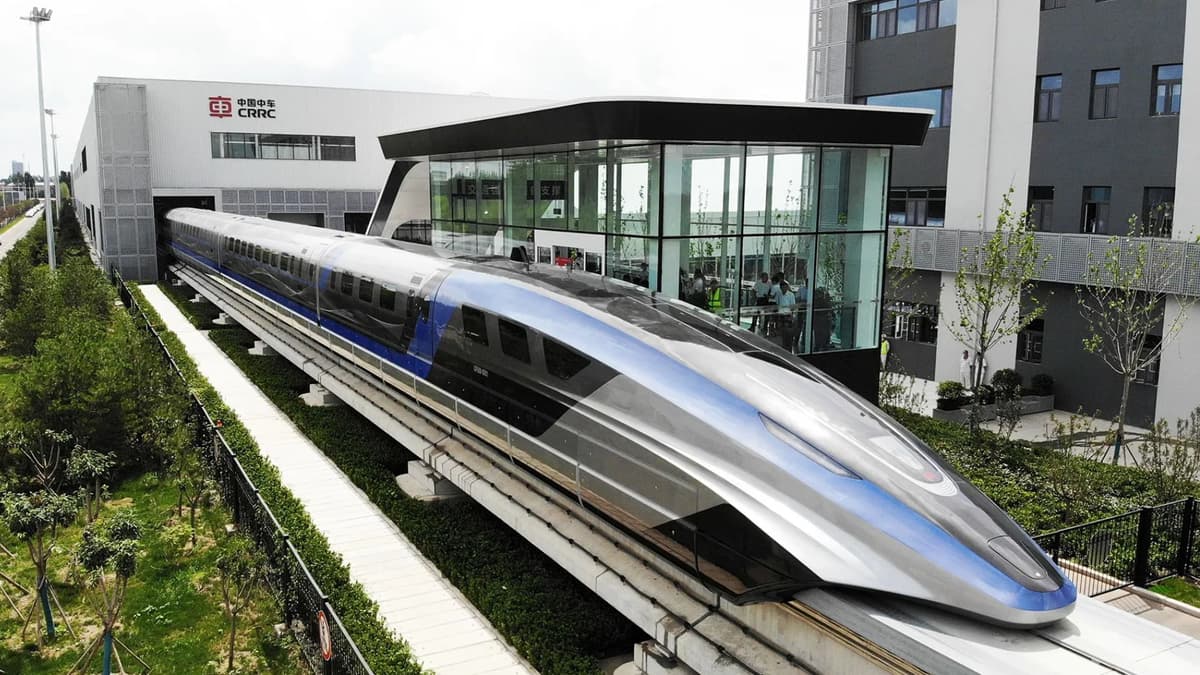
China’s Maglev ‘Silencer’ Could Rewrite the Rules of Ultra-Fast Travel

For decades, high-speed rail engineers have been wrestling with an invisible troublemaker—compressed air. When a train explodes out of a tunnel at blistering speed, it unleashes a low-frequency “tunnel boom” that can rattle windows, startle wildlife, and irritate entire neighborhoods. The faster the train, the louder the boom. At the extreme speeds planned for next-generation magnetic levitation trains, the problem threatened to derail progress.

Now, China’s railway engineers claim they’ve cracked the code. Their solution? A 328-foot (100-meter) sound-absorbing buffer at the tunnel mouth, acting like a silencer for the world’s fastest trains. Made from lightweight, porous material with a matching porous coating along the tunnel’s interior, this barrier lets compressed air bleed off gradually rather than explode outward in a sonic punch. Early tests show it slashes pressure fluctuations by up to 96%—nearly eliminating the boom altogether.

Continue reading… “China’s Maglev ‘Silencer’ Could Rewrite the Rules of Ultra-Fast Travel”

Aurora Rolls Into the Future: Launches Nation’s First Commercial Self-Driving Trucking Service

The future of freight transportation has officially arrived — and it no longer includes a driver behind the wheel. Aurora, a Pittsburgh-based autonomous vehicle startup, has launched the first-ever commercial self-driving trucking service on public roads in the United States.

The company’s autonomous trucks are now actively transporting goods between Dallas and Houston, Texas. This groundbreaking development marks a pivotal moment in transportation history, as Aurora becomes the first to commercially operate heavy-duty self-driving trucks over long distances. So far, the company has logged more than 1,200 miles (1,930 kilometers) in real-world traffic conditions.

Continue reading… “Aurora Rolls Into the Future: Launches Nation’s First Commercial Self-Driving Trucking Service”

How Emerging Technology Could Revolutionize Road Safety in the Coming Decade

As the holiday season approaches, many drivers hit the road with an ever-present concern: the risk of accidents and unsafe drivers. With the National Highway Traffic Safety Administration reporting approximately 40,000 fatalities on U.S. roads each year, the urgency to improve road safety has never been greater. Experts believe that technology could play a key role in keeping drivers safer in the years ahead. In the next 12 to 15 years, the majority of vehicles in the U.S. could be equipped with C-V2X, or Cellular Vehicle-to-Everything communications—a technology that could transform the way cars interact with each other and their environment.

C-V2X enables cars to “talk” to one another in real-time, helping prevent collisions before they happen. “It’s cars communicating with each other so they don’t crash into each other,” explained Dr. Billy Kihei, an Assistant Professor at Kennesaw State University in the Department of Electrical and Computer Engineering. He believes this technology has the potential to significantly reduce accidents, especially those involving impaired drivers.

Continue reading… “How Emerging Technology Could Revolutionize Road Safety in the Coming Decade”

Electro-Biodiesel: A Game-Changing Solution for Decarbonizing Transportation

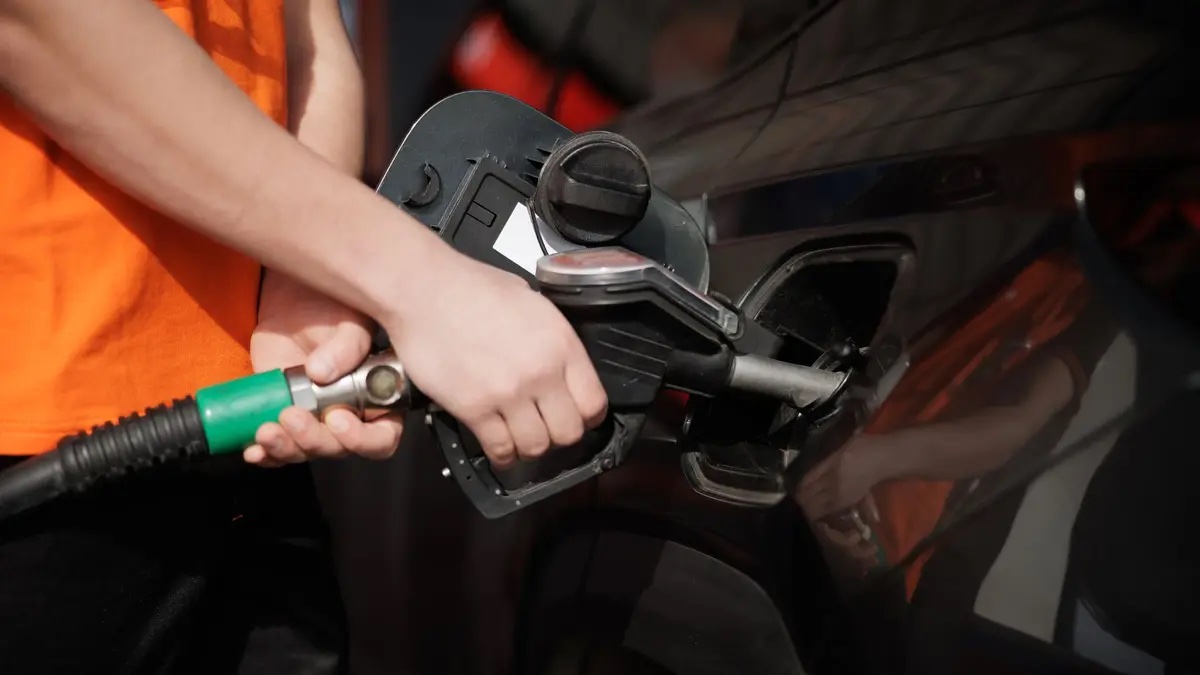
Vehicles powered by diesel are a significant source of carbon emissions, posing a considerable challenge on the path to decarbonization. In 2022, diesel fuel was responsible for roughly 25% of carbon dioxide emissions from transportation in the U.S. and about 10% of overall energy-related emissions, according to the U.S. Energy Information Administration. To tackle this problem, researchers have developed a groundbreaking method to convert carbon dioxide into a cleaner, more sustainable fuel—electro-biodiesel.

Joshua Yuan, from the Department of Energy, Environmental, and Chemical Engineering at Washington University, and Susie Dai, a professor at the University of Missouri, have pioneered a process that uses electrocatalysis to convert carbon dioxide into electro-biodiesel. This new method is 45 times more efficient and requires 45 times less land compared to traditional soybean-based biodiesel production, offering a more sustainable alternative.

Continue reading… “Electro-Biodiesel: A Game-Changing Solution for Decarbonizing Transportation”

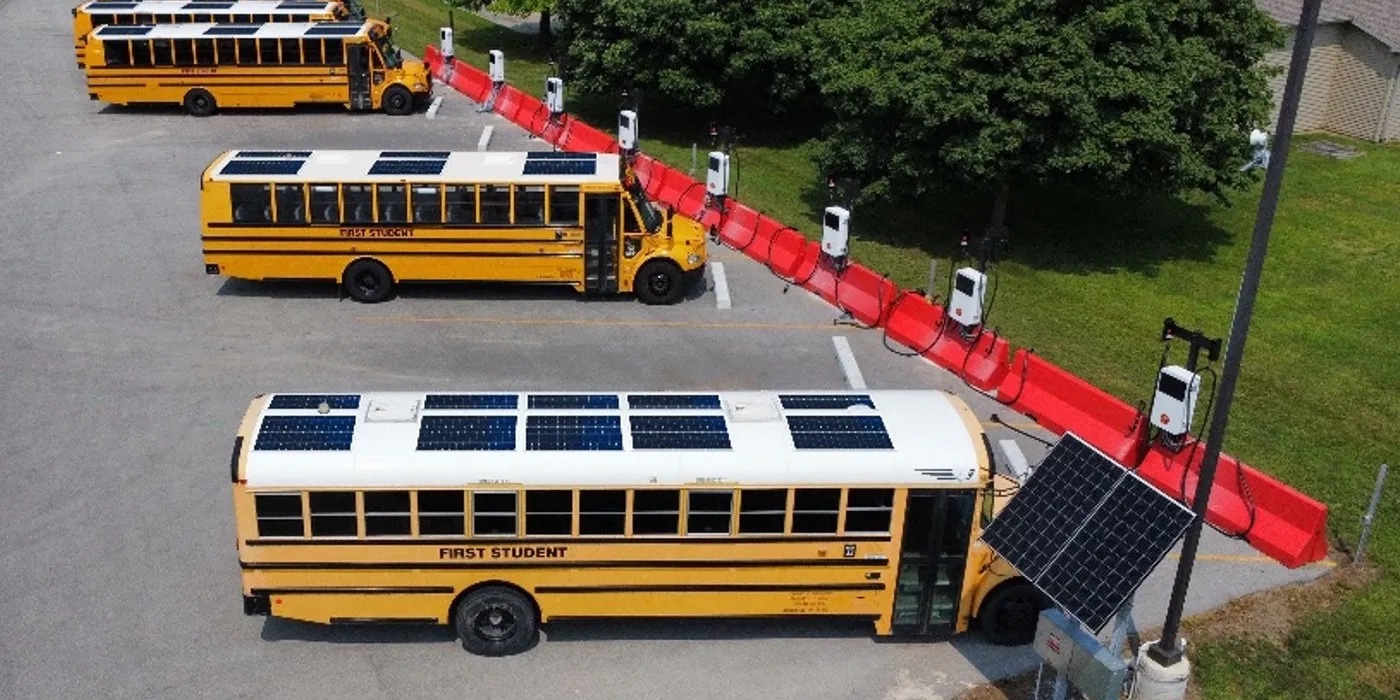
First Student and Con Edison Unveil Solar-Powered V2X Smart Energy Hub with Electric School Buses in Brooklyn

Student transportation leader First Student and utility company Con Edison have launched an innovative vehicle-to-everything (V2X) Smart Energy Hub in Brooklyn, featuring 12 solar-roofed electric school buses. Located at First Student’s Malta Street site, the project is set to replace traditional diesel buses with clean energy-powered alternatives. Solar panels on the buses and rooftop arrays at the facility combine to create a sustainable system for energy generation, battery storage, and power delivery.

First Student has employed its trenchless First Charge deployment method, which eliminates the need for extensive digging, cuts construction costs by at least 30%, and simplifies future charging system upgrades. This technology provides a faster, more efficient rollout, minimizing disruption and expense.

Continue reading… “First Student and Con Edison Unveil Solar-Powered V2X Smart Energy Hub with Electric School Buses in Brooklyn”

Reinventing Mobility: Korean Researchers Develop Adaptive Wheels for Off-Road Navigation

Wheels are essential for cars, trucks, bikes, and wheelchairs, yet their limitations on uneven surfaces often confine wheelchair users to smooth, flat terrain. The same challenge applies to mobile robots. Recognizing this, a team of Korean researchers has developed a groundbreaking adaptive wheel that changes shape in real-time, allowing for smoother travel over obstacles and rough terrains, revolutionizing off-road mobility.

Reimagining the Wheel

While the idea of “reinventing the wheel” might seem like an exaggeration, this innovation builds on a history of transformative wheel designs. Years ago, Hankook, in collaboration with Seoul National University and Harvard, created origami-inspired wheels that could change shape. Earlier still, graduate student Ackeem Ngwenya developed the “Roadless” wheel system, where the tread adjusted from narrow to wide with a simple screw turn. Even NASA contributed with its nickel-titanium alloy tires, which could deform under pressure and return to their original shape.

Continue reading… “Reinventing Mobility: Korean Researchers Develop Adaptive Wheels for Off-Road Navigation”

Revolutionizing Long-Distance Cargo Transport: TUM’s Breakthrough in Battery-Powered Trucks

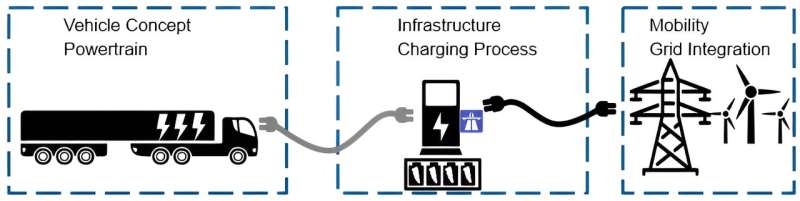
In collaboration with industry partners and research institutions, the Technical University of Munich (TUM) is pioneering efforts to make battery-powered trucks a viable option for long-distance cargo transport. A significant advancement in this mission is the introduction of megawatt charging technology. On Friday, at the Plattling Technology Campus, the first prototypes were unveiled to the public, with the Bavarian Minister of Economic Affairs, Hubert Aiwanger, in attendance. This new technology allows for a truck’s battery to be charged within the regulatory rest period, providing 4.5 hours of operation without additional waiting time.

In Germany, approximately 70% of freight transport, in terms of volume and distance, relies on road transportation, predominantly using diesel-powered trucks. This reliance contributes significantly to environmental pollution, with 40% of the transport-related CO2 emissions (148 million tons) stemming from freight transport. Transitioning from diesel to electric power presents substantial environmental benefits. Under the leadership of the Chair of Automotive Technology at TUM, the NEFTON research consortium is developing the necessary technical and infrastructure solutions to facilitate this switch.

Continue reading… “Revolutionizing Long-Distance Cargo Transport: TUM’s Breakthrough in Battery-Powered Trucks”

UK’s First Intercity Battery Train Trial Paves the Way for Sustainable Rail Travel

A groundbreaking collaboration between Angel Trains, TransPennine Express (TPE), Turntide Technologies, and Hitachi Rail has led to the retrofitting of a TransPennine Express ‘Nova 1’ Class 802 train with a cutting-edge battery system. Developed by Turntide Technologies in Sunderland, the battery unit boasts a peak power of over 700 kilowatts and is designed to replace one of the train’s three diesel engines. Impressively, the battery matches the acceleration and performance levels of the diesel engine it replaces, without adding extra weight to the train.

Hitachi Rail projects that this battery technology could reduce emissions and fuel costs by up to 30%. This substantial reduction in environmental impact and operational expenses marks a significant advancement in the rail industry’s efforts to combat climate change and enhance sustainability.

Continue reading… “UK’s First Intercity Battery Train Trial Paves the Way for Sustainable Rail Travel”
Discover the Hidden Patterns of Tomorrow with Futurist Thomas Frey
Unlock Your Potential, Ignite Your Success.

By delving into the futuring techniques of Futurist Thomas Frey, you’ll embark on an enlightening journey.

Learn More about this exciting program.