Groundbreaking Test Assesses Earthquake Resistance of 3D-Printed Concrete

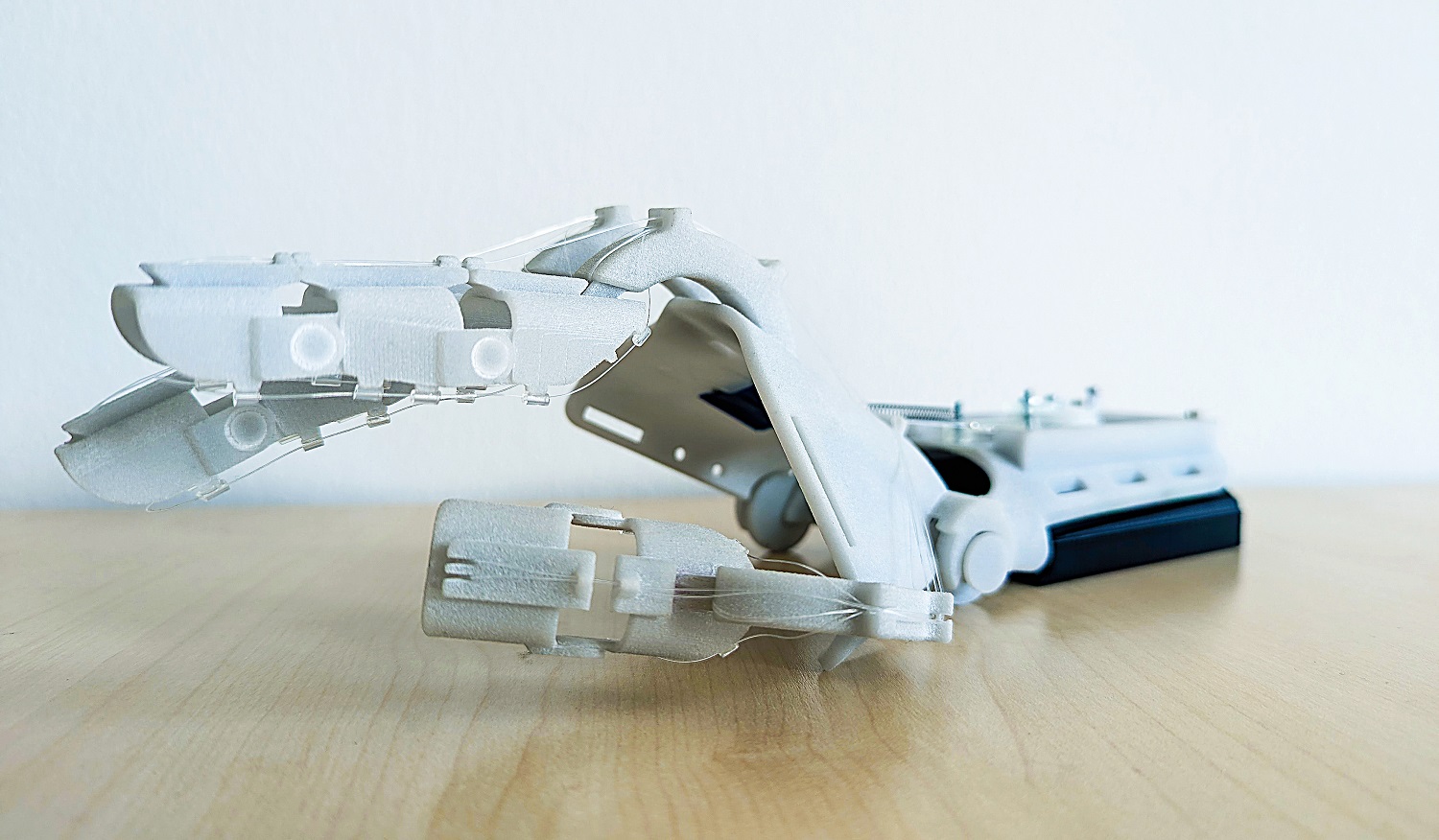
An interdisciplinary team from the University of Bristol has successfully tested a nearly full-scale 3D-printed concrete structure under realistic earthquake conditions, marking a significant milestone in evaluating the seismic performance of additively manufactured construction elements.

The test was conducted using the UK’s largest vibration platform, capable of simulating ground movements with a payload of up to 50 tons. This experiment aimed to better understand how 3D-printed concrete behaves under seismic loads—an area that has remained largely unexplored until now.

Continue reading… “Groundbreaking Test Assesses Earthquake Resistance of 3D-Printed Concrete”

Unlocking the Future of Wind Energy: University of Glasgow Advances Bladeless Wind Power Design

Researchers at the University of Glasgow are pioneering the next generation of renewable energy with a focus on bladeless wind turbines (BWTs), using advanced computer simulations to pinpoint the most efficient designs yet.

This marks the first time simulations have successfully identified the optimal balance between power output and structural strength in BWTs. These bladeless systems, still in the early stages of development, may soon progress from small-scale trials to grid-level electricity generation.

Continue reading… “Unlocking the Future of Wind Energy: University of Glasgow Advances Bladeless Wind Power Design”

SS Innovations Completes First Robotic Cardiac Surgery in the Americas Using SSi Mantra 3 System

SS Innovations International Inc. has successfully completed the first robotic cardiac surgery in the Americas using its SSi Mantra 3 surgical robotic system. The procedure took place on June 8 at Interhospital in Guayaquil, Ecuador, and marked a major milestone for robotic surgery in the Western Hemisphere.

Dr. Juan Zuniga, a cardiothoracic surgeon at Interhospital, performed the groundbreaking procedure, which involved a robotic Atrial Septal Defect (ASD) closure. This type of surgery repairs a hole between the heart’s upper two chambers. Following the surgery, a transesophageal echocardiogram confirmed the effective closure of the defect, and the patient began recovery with positive results.

Continue reading… “SS Innovations Completes First Robotic Cardiac Surgery in the Americas Using SSi Mantra 3 System”

tiny patch with microscopic needles could spell the end of painful biopsies

Scientists at King’s College London have developed a nanoneedle-studded patch that can painlessly collect detailed molecular information from tissues, without cutting, scarring, or removing a single cell. The development could be a game-changer for patients who currently endure invasive procedures to diagnose conditions like cancer and Alzheimer’s. Traditional biopsies are a common procedure performed worldwide. It involves removing small chunks of tissue, often with a needle or scalpel, causing pain, risk of complications, and delays in diagnosis.

For organs like the brain, repeat biopsies are rarely possible. But this new patch with tens of millions of nanoneedles 1,000 times thinner than a human hair offers a pain-free alternative. For many, this could mean earlier diagnosis and more regular monitoring, transforming how diseases are tracked and treated.
“We have been working on nanoneedles for twelve years, but this is our most exciting development yet. It opens a world of possibilities for people with brain cancer, Alzheimer’s, and for advancing personalised medicine,” said Dr Ciro Chiappini, the lead author of the study.

Continue reading… “tiny patch with microscopic needles could spell the end of painful biopsies”

The Third State of Life: How Cells Continue to Function After Death

In science fiction films like Frankenstein and Re-Animator, the idea of reviving the dead has fascinated audiences for generations. While these tales were once purely fantastical, recent scientific research suggests a similar phenomenon may be occurring in real life—a “third state” of existence that lies between life and death.

Researchers have found that after an organism dies, some of its cells can continue functioning. Even more remarkably, these cells can sometimes acquire new capabilities they never exhibited while the organism was alive.

Continue reading… “The Third State of Life: How Cells Continue to Function After Death”

Stanford Breakthrough Speeds Up Design and 3D Printing of Vascular Networks for Bioprinted Organs

Researchers at Stanford University have developed a cutting-edge computational platform that can rapidly design and 3D print complex vascular networks—an essential step toward building functional bioprinted organs. Published in Science on June 12, the platform generates vascular structures that resemble natural human blood vessel networks up to 200 times faster than previous methods.

This innovation tackles a major bottleneck in tissue engineering: creating vascular systems capable of delivering oxygen and nutrients to every cell within a bioprinted organ. Without this critical network, scaling up tissue constructs to full organ size has remained out of reach.

Continue reading… “Stanford Breakthrough Speeds Up Design and 3D Printing of Vascular Networks for Bioprinted Organs”

Drones with AI and Gas Sensors to Aid Forest Fire Detection in São Carlos

Forest fire prevention and control agencies in São Carlos, a city in the interior of São Paulo, Brazil, will soon benefit from advanced aerial technology to detect and combat fires more rapidly.

Researchers at the São Carlos Engineering School of the University of São Paulo (EESC-USP) are developing drones equipped with gas sensors and artificial intelligence to identify forest fires in their early stages. The project was introduced during the aeronautics session of FAPESP Week Toulouse, held from June 10 to 12 in Toulouse, southern France.

Continue reading… “Drones with AI and Gas Sensors to Aid Forest Fire Detection in São Carlos”

Revolutionizing Timekeeping: A Low-Entropy Quantum Clock

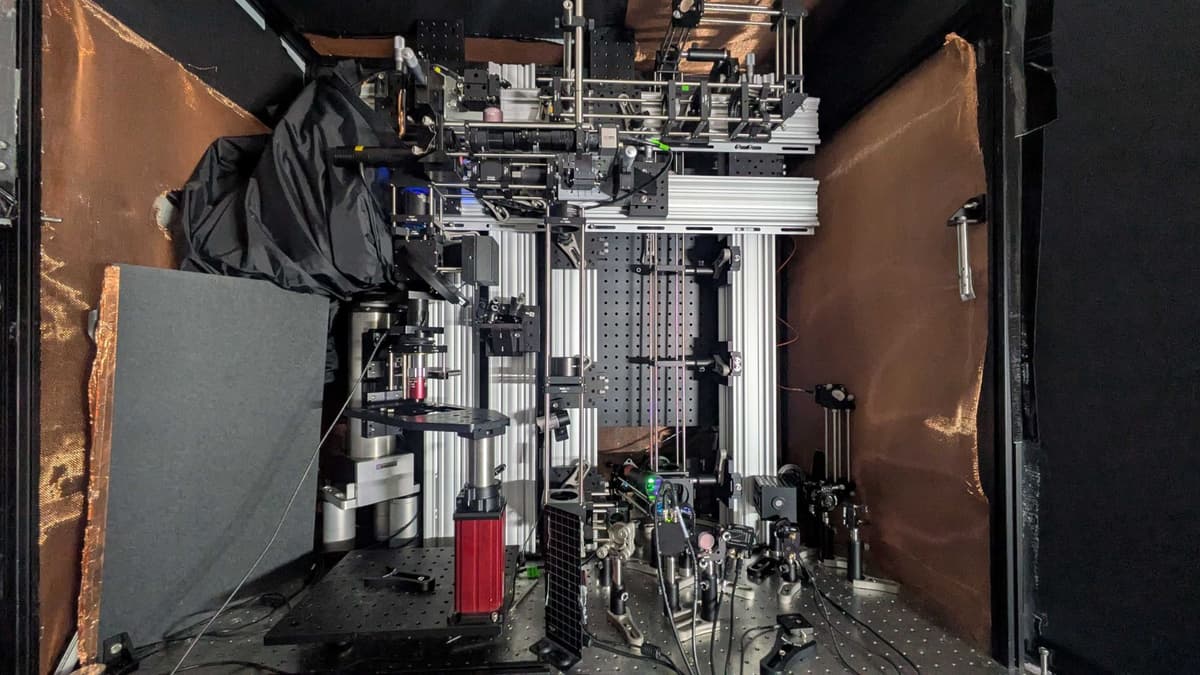
For years, physicists have worked to design clocks capable of measuring incredibly small durations of time with extreme precision. Quantum clocks, in particular, have advanced this goal by using the strange and powerful principles of quantum mechanics to reach astonishing levels of accuracy.

Yet, there has always been a trade-off. As these clocks become more precise, they consume more energy and generate more entropy—essentially, disorder and wasted heat. This link between precision and thermodynamic cost has long been considered unavoidable.

Continue reading… “Revolutionizing Timekeeping: A Low-Entropy Quantum Clock”

Breakthrough Brain-Computer Interface Restores Real-Time Speech for ALS Patient

A cutting-edge brain-computer interface (BCI) system has enabled a patient with Amyotrophic Lateral Sclerosis (ALS) to communicate with his family in real time using a synthesized voice. ALS is a progressive neurological disorder that affects nerve cells in the brain and spinal cord, leading to the loss of muscle control and, eventually, the ability to speak.

Developed at the University of California, Davis, the new BCI system was designed to support faster and more natural communication for individuals with severe paralysis. Unlike previous speech neuroprostheses that often introduce delays of several seconds, this new system enables near-instantaneous voice synthesis, making conversation feel much more natural and interactive.

Continue reading… “Breakthrough Brain-Computer Interface Restores Real-Time Speech for ALS Patient”

Simple Acid Vapor Technique Extends Lifespan of Carbon Capture Systems

Carbon capture and utilization (CCU) technologies are playing a growing role in efforts to address climate change by trapping carbon dioxide emissions and converting them into useful fuels or chemicals. However, for these systems to be commercially viable, they must run continuously for thousands of hours—a goal that has been hampered by persistent technical issues like salt buildup inside electrochemical reactors.

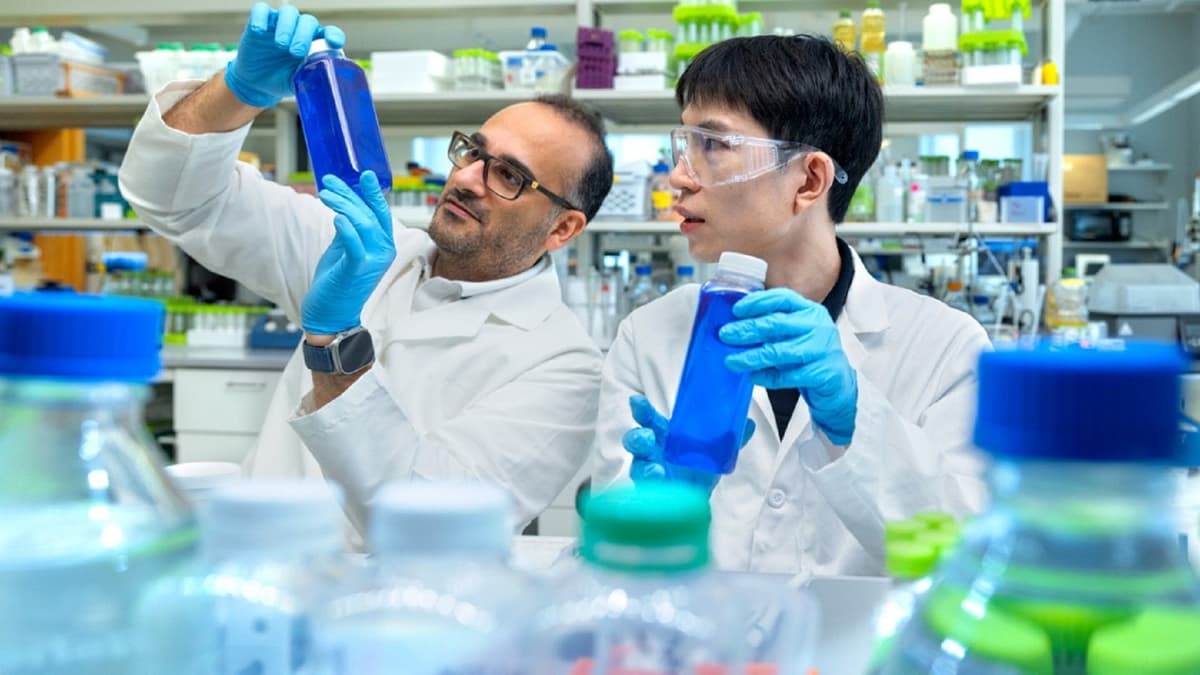
Researchers at Rice University have discovered a surprisingly straightforward solution to one of the most critical bottlenecks in CO₂ electroreduction systems. Instead of using water to humidify carbon dioxide gas before it enters the reactor, the team bubbled the gas through a mild acid solution. This small change allowed the system to remain stable for over 4,500 hours—more than 50 times longer than standard water-based setups.

Continue reading… “Simple Acid Vapor Technique Extends Lifespan of Carbon Capture Systems”

Oxford Physicists Achieve Record-Breaking Precision in Quantum Bit Control

Physicists at the University of Oxford have achieved the most accurate control of a quantum bit (qubit) ever recorded, making just one mistake in 6.7 million single-qubit operations—an error rate of 0.000015 percent. This breakthrough, nearly ten times more precise than their previous world record set a decade ago, will be published in Physical Review Letters under the title Single-qubit gates with errors at the 10⁻⁷ level.

To illustrate how rare these errors now are, the team notes that a person is more likely to be struck by lightning in a given year (a probability of 1 in 1.2 million) than for one of their quantum logic gates to fail. This leap in reliability addresses one of the biggest obstacles to building practical quantum computers: maintaining accuracy across millions of operations.

Continue reading… “Oxford Physicists Achieve Record-Breaking Precision in Quantum Bit Control”

Ample Launches Battery Swapping Stations in Madrid to Boost Urban EV Adoption

Ample, a U.S.-based company specializing in battery swapping technology, has launched its first European deployment by installing modular battery swap stations in Madrid. The first operational stations are now live, with additional installations planned throughout the city center as part of an ongoing rollout.

Designed for fast urban integration, Ample’s battery swap stations can be deployed in just three days. The goal is to address key challenges to electric vehicle adoption in cities—such as long charging times, range anxiety, and the limited availability of space for traditional charging infrastructure.

Continue reading… “Ample Launches Battery Swapping Stations in Madrid to Boost Urban EV Adoption”
Discover the Hidden Patterns of Tomorrow with Futurist Thomas Frey
Unlock Your Potential, Ignite Your Success.

By delving into the futuring techniques of Futurist Thomas Frey, you’ll embark on an enlightening journey.

Learn More about this exciting program.