Every Drive Becomes a Tour: How Geography-Overlay Apps Will Transform Self-Driving Cars Into Time Machines

By Futurist Thomas Frey

The Commute That Changed Everything

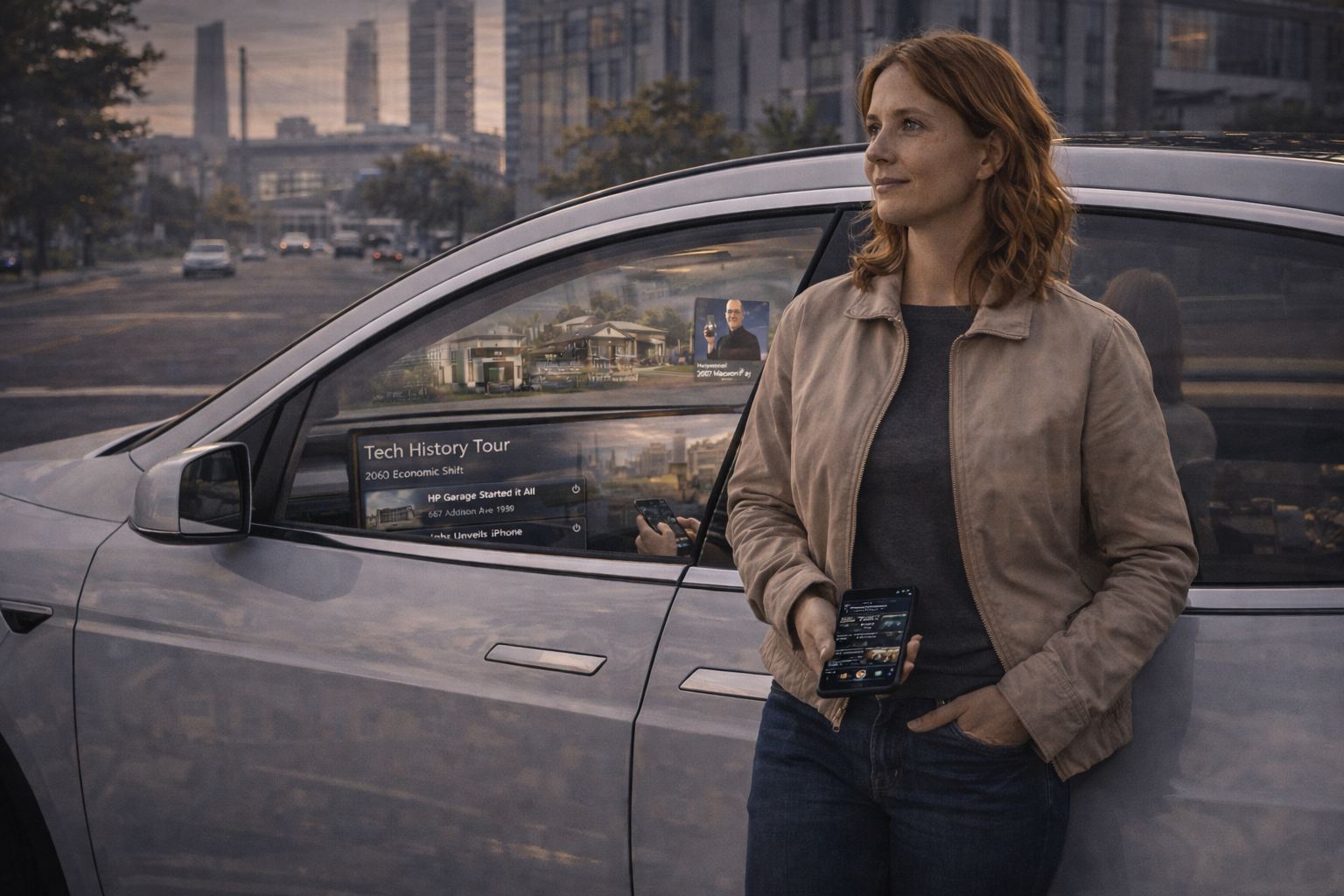
It’s Tuesday morning, 2031. Jennifer Mitchell climbs into her autonomous Tesla for the daily commute from Oakland to San Francisco. But instead of scrolling through email or zoning out to a podcast, she taps her phone and selects “1906 Earthquake Tour.”

The car’s audio system comes alive with the voice of a narrator as they cross the Bay Bridge.

“Just ahead, beneath these waters, lies the wreckage of the ferry terminal that collapsed during the quake. Over there—” the system highlights a point on her window with a subtle AR overlay “—that’s where the fire started that would burn for three days, consuming more of the city than the earthquake itself.”

As they enter the city, the overlay intensifies. Ghostly outlines of destroyed buildings appear on her screen, superimposed over the modern skyline. Historical photos fade in and out. Survivor testimonies play as they pass locations where people huddled in refugee camps.

Fifteen minutes later, Jennifer switches to “Tech History Tour.” Now the same streets tell a different story: the garage where Hewlett and Packard started their company, the hotel where Steve Jobs unveiled the iPhone, the coffee shop where Instagram was conceived.

Same geography. Infinite narratives.

This is the future of driving. Or rather, the future of being driven.

Continue reading… “Every Drive Becomes a Tour: How Geography-Overlay Apps Will Transform Self-Driving Cars Into Time Machines”
The Driverless Car Paradox: Why Your Robot Taxi Knows Everything About You and Your Dog (Unless You Can Afford Privacy)

By Futurist Thomas Frey

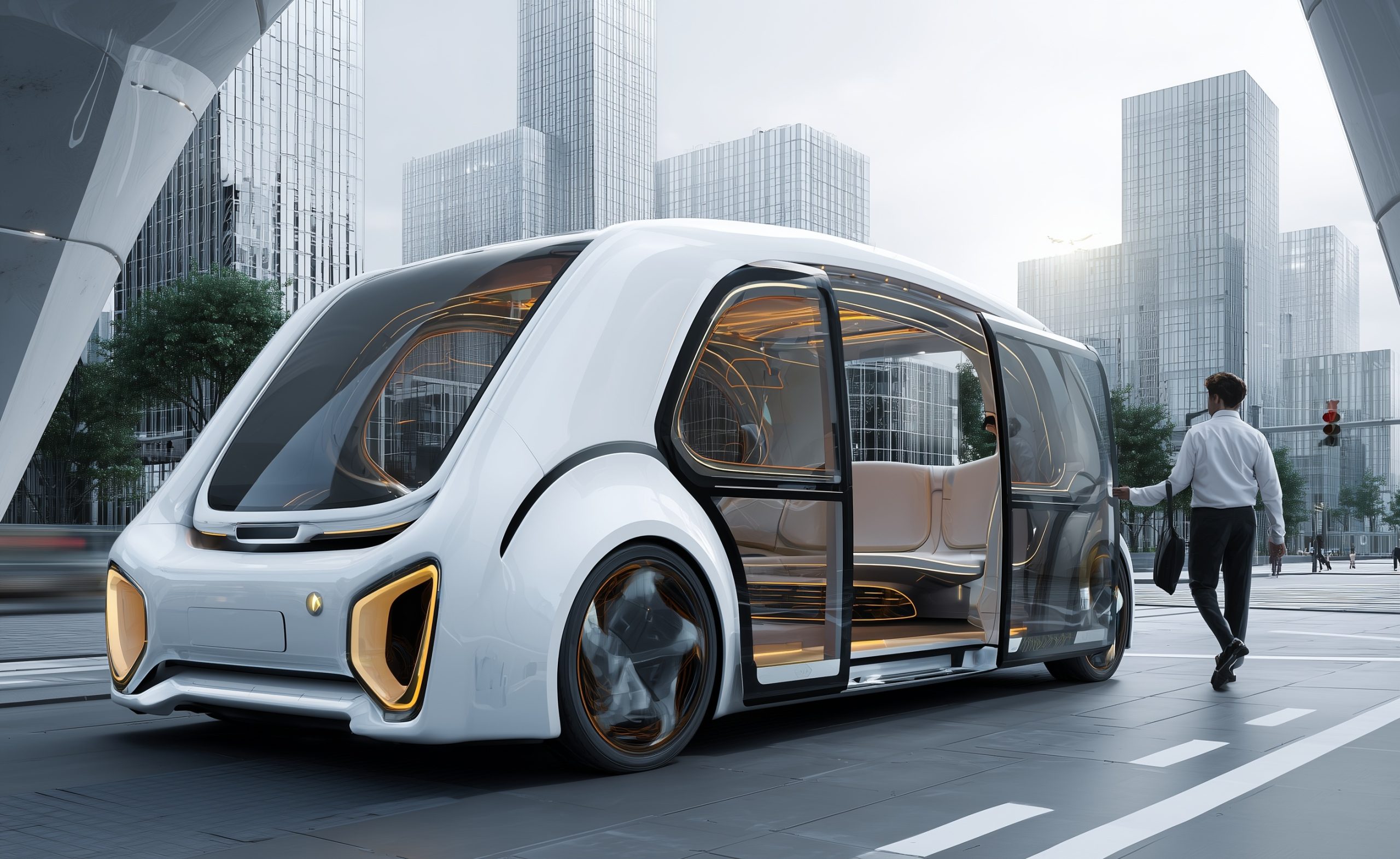
You slide into a Tesla Robotaxi at 11 PM with your golden retriever. Your spouse thinks you’re working late. You tell the destination—your colleague’s apartment across town. Your dog settles on the seat beside you. The doors close. No driver. No witnesses. Just you, your dog, and your secret rendezvous, right?

Wrong. Catastrophically, documentably, permanently wrong.

That driverless car isn’t a private space. It’s a rolling surveillance platform with cameras recording interior and exterior, microphones capturing audio (including your dog’s barking), sensors monitoring every movement—human and canine—GPS tracking precise routes, and AI analyzing passenger behavior for safety, liability, and—here’s the part nobody’s talking about—pet-related cleaning fees.

Tesla just announced their Robotaxi cleaning fee structure: $50 for moderate messes like food spills, $150 for severe issues like biowaste or smoking. But here’s what the fine print reveals: pet-related fees start at $75 for dog hair and dander requiring extra cleaning, escalate to $200 for pet accidents, and hit $350 for damage like scratched seats or chewed interior components. Every standard Robotaxi ride with pets is recorded, reviewed, and analyzed. Your dog’s behavior? Documented. Your affair? Recorded. Your pet’s anxiety episode that destroyed the seat fabric? Catalogued, timestamped, billed, and stored.

Welcome to the quirky reality of driverless cars: they’re public transportation masquerading as private space. But here’s the twist—privacy might still exist. You and your pet will just have to pay for it.

Continue reading… “The Driverless Car Paradox: Why Your Robot Taxi Knows Everything About You and Your Dog (Unless You Can Afford Privacy)”
Discover the Hidden Patterns of Tomorrow with Futurist Thomas Frey
Unlock Your Potential, Ignite Your Success.

By delving into the futuring techniques of Futurist Thomas Frey, you’ll embark on an enlightening journey.

Learn More about this exciting program.