
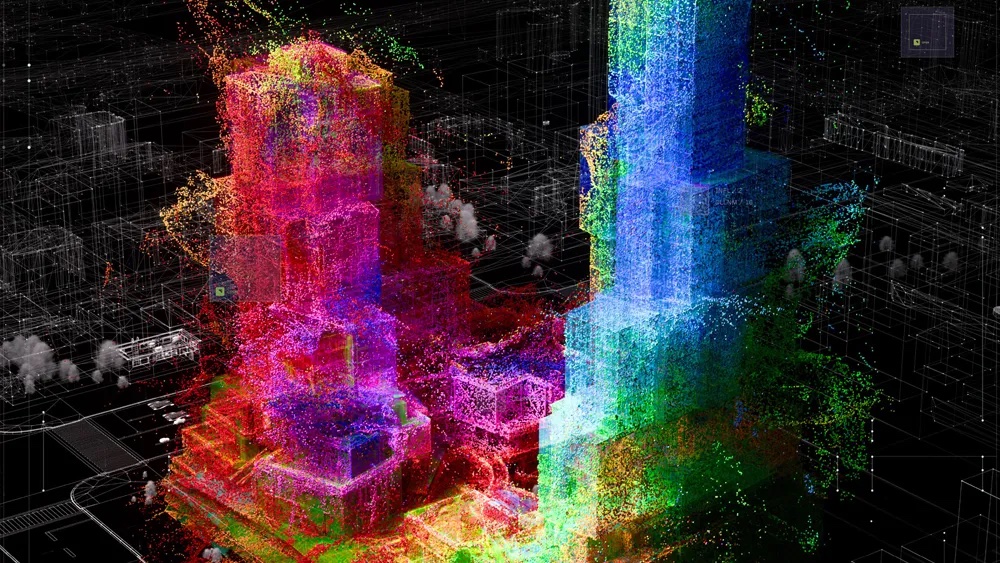
The emergence of AI-generated art has raised numerous questions, particularly around its legality and artistic value. Can AI-generated works be copyrighted if they’re created using image generators trained on existing art? Does this process turn art into a free-for-all, allowing anyone to reproduce an AI-generated image for any purpose? And, perhaps most fundamentally, is AI-generated art truly “art,” or is it merely an imitation—a pastiche?
While the legal aspects of AI art are being debated in courts, the question of whether people actually appreciate and want to engage with AI-generated art will soon be tested in a more public arena. Los Angeles is set to become home to the world’s first permanent museum dedicated entirely to AI art. Dubbed Dataland, the museum is expected to open next year in a prime location, neighboring the Museum of Contemporary Art and The Broad Museum, placing it at the heart of the city’s thriving art scene.
One of Dataland’s co-founders is AI artist Refik Anadol, a design professor at the University of California, Los Angeles. Anadol is no stranger to controversy; his past shows at the Museum of Modern Art (MoMA) in New York and the Serpentine Gallery in London stirred debate, partly due to his use of both AI and NFTs. With Dataland, Anadol aims to explore the “intersection of human imagination and the creative potential of machines.”
In addition to assessing public interest in AI-generated art, Anadol hopes to demonstrate that AI art can be created ethically. The museum’s first exhibitions will only feature works generated using Anadol’s Large Nature Model, an open-source AI model built with data from natural sources, including datasets from the Smithsonian and the UK Natural History Museum. By doing so, Anadol intends to avoid the controversial use of datasets that include copyrighted works by other artists without their consent.
One of the major criticisms of AI, particularly in the art world, is its significant energy consumption. To counter this, Dataland will rely on renewable energy. Anadol has committed to powering the museum’s AI tools through a sustainable energy park in Oregon, reducing the museum’s reliance on fossil fuels and addressing concerns about the environmental impact of AI.
As Dataland prepares to open its doors, it may provide answers to some of the most pressing questions surrounding AI-generated art. Will the public embrace AI as a new form of artistic expression, or will skepticism prevail? And can AI art truly carve out a place for itself, both ethically and creatively, in the broader art world? With its blend of cutting-edge technology and sustainable practices, Dataland is poised to become a focal point in the ongoing conversation about the future of art in the age of artificial intelligence.
By Impact Lab
