Designing the Future of Interstellar Travel: A Competition for Generation Ships

The dream of exploring the far reaches of space and establishing human civilization on distant planets has captivated our imagination for generations. For centuries, we’ve known that most stars likely have their own planetary systems, and many have argued that humanity should not only explore these worlds but also settle on them. With the advent of the Space Age, this once fantastical notion has transformed into a scientific pursuit. However, the challenges of reaching another star system are immense, and the task of sending crewed missions beyond our solar system remains a distant, albeit tantalizing, goal.

When it comes down to it, there are two primary ways to make crewed interstellar travel a reality: the development of advanced propulsion systems capable of achieving relativistic speeds (a significant fraction of the speed of light), or the creation of spacecraft designed to sustain human life over multiple generations—also known as Generation Ships or Worldships.

Continue reading… “Designing the Future of Interstellar Travel: A Competition for Generation Ships”


The Reinvention of the Automobile: The Impact of Self-Driving Technology

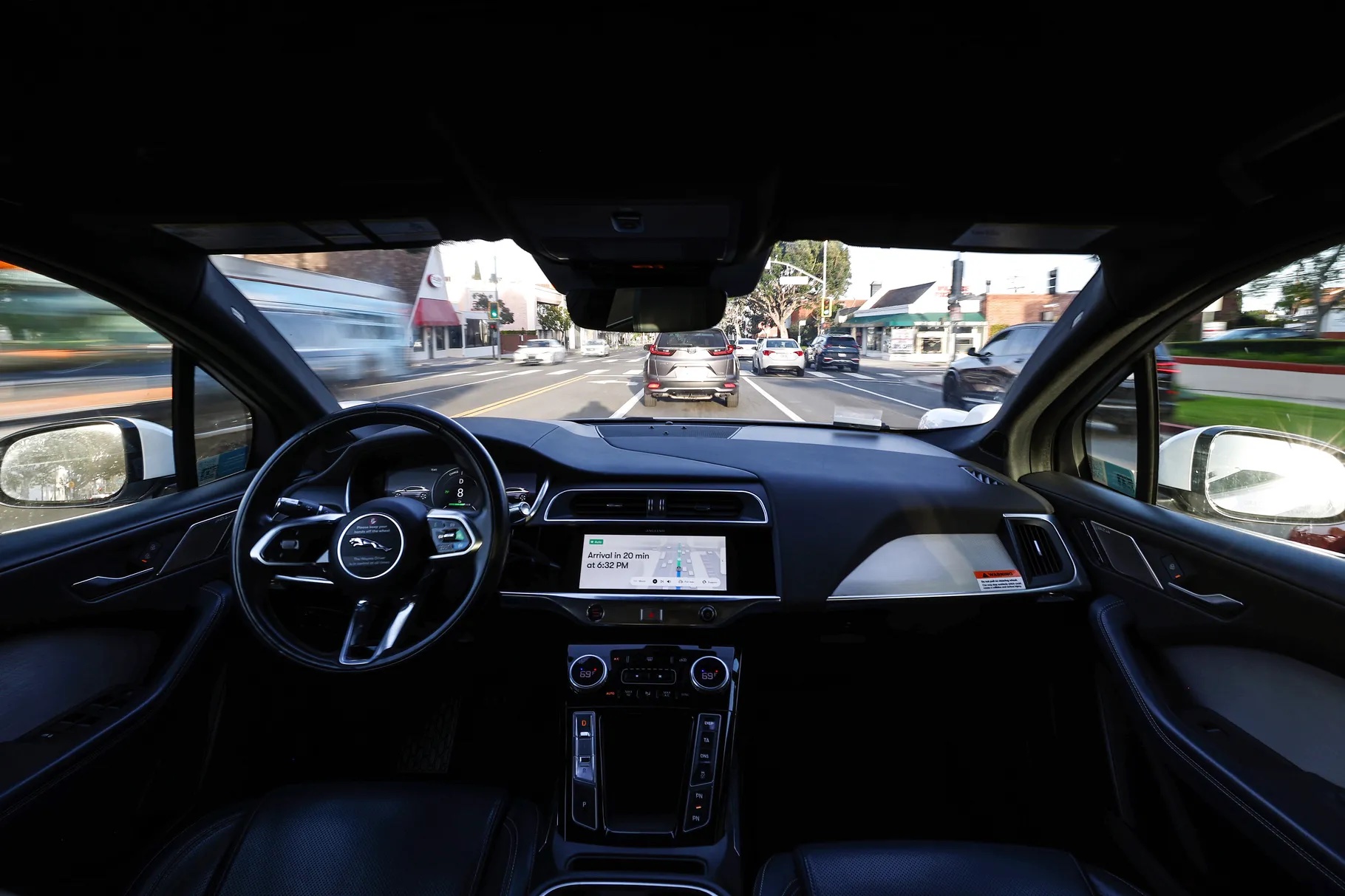
The automobile was one of the most transformative technologies of the 20th century. The invention of the internal combustion engine reshaped agriculture, personal transportation, and supply chains. It made suburban living possible, altered the design of cities, and drove the demand for fossil fuels. It also gave rise to some of the world’s largest and most influential companies. Now, as we stand on the cusp of reinventing this cornerstone technology, it’s clear that the potential of self-driving cars is immense, though not fully understood by the public or the media.

Self-driving technology, if scaled successfully, could reshape society in ways as profound as the original automobile revolution. However, the full magnitude of this transformation is often underreported. The technology itself, the industries it could disrupt, and the broader implications for daily life are often overlooked in discussions of autonomous vehicles.

Continue reading… “The Reinvention of the Automobile: The Impact of Self-Driving Technology”

AI Model at Washington State University Revolutionizes Disease Detection in Tissue Samples

A groundbreaking “deep learning” artificial intelligence (AI) model developed at Washington State University (WSU) is showing promising results in identifying signs of disease in both animal and human tissue. This model, which is faster and often more accurate than human pathologists, could significantly accelerate disease research and improve medical diagnoses, particularly in the early detection of cancers.

Published in Scientific Reports, the study highlights the AI’s ability to analyze pathology images with remarkable speed and precision. For example, the model can detect cancer from biopsy images in just a few minutes—far outpacing the hours of work typically required by human pathologists. According to Michael Skinner, a biologist at WSU and co-author of the study, this AI system has the potential to “revolutionize” medical diagnostics and pathology, providing a crucial tool for both animal and human health analysis.

Continue reading… “AI Model at Washington State University Revolutionizes Disease Detection in Tissue Samples”

OpenAI CEO Sam Altman Predicts Artificial General Intelligence by 2025: Is AGI Within Reach?

As society continues to adjust to the rapid evolution of artificial intelligence, Sam Altman, CEO of OpenAI, has made a bold prediction: Artificial General Intelligence (AGI) could arrive as soon as 2025. This announcement marks a significant shift in the timeline many experts expected, raising questions about how close we really are to achieving a form of AI that can match or even surpass human intelligence in almost all domains.

AGI refers to an AI system that possesses cognitive abilities comparable to, or more advanced than, humans in virtually every intellectual area. For years, it has been the “holy grail” of AI development, with predictions suggesting it was at least a decade or more away. However, Altman now believes that AGI is not a distant dream but a pressing engineering challenge that could be solved sooner than expected.

Continue reading… “OpenAI CEO Sam Altman Predicts Artificial General Intelligence by 2025: Is AGI Within Reach?”

Pentagon Tests AI-Enabled Autonomous Robotic Gun to Tackle Drone Threats

Amid a surge in low-cost, weaponized drones targeting U.S. troops abroad, the Pentagon is ramping up its efforts to protect forces from the growing threat of aerial attacks. While expensive munitions, advanced directed energy weapons, and an expanding fleet of military drones are among the options on the table, a new, simpler solution is gaining attention: reinventing the gun.

At the Technology Readiness Experimentation (T-REX) event in August, the U.S. Department of Defense (DoD) showcased a cutting-edge, AI-powered autonomous gun system designed to combat drone threats with unparalleled precision. Developed by the fledgling defense contractor Allen Control Systems (ACS), the system, dubbed “Bullfrog,” is a robotic gun mounted with a 7.62-mm M240 machine gun, designed to deliver small arms fire with superior accuracy compared to conventional firearms like the M4 carbine or the new XM7 rifle.

Continue reading… “Pentagon Tests AI-Enabled Autonomous Robotic Gun to Tackle Drone Threats”

Breakthrough in Robotic Surgery: AI Trains Da Vinci Robot to Perform Tasks as Well as Human Surgeons

Researchers from Johns Hopkins University (JHU) and Stanford University have achieved a major milestone in robotic surgery: teaching a robotic system to perform complex surgical tasks as skillfully as human surgeons, simply by training it using videos of real surgical procedures. This development could significantly accelerate the path to fully autonomous robots in the operating room.

The study was conducted using the da Vinci Surgical System, a robotic platform that is already used in many surgeries today. This system, typically controlled remotely by a surgeon, features robotic arms that manipulate instruments for delicate tasks such as dissection, cutting, suction, and vessel sealing. Known for its precision, the da Vinci system gives surgeons enhanced control and a more detailed view of the surgical site, but the latest model can cost over $2 million, excluding accessories and training expenses.

Continue reading… “Breakthrough in Robotic Surgery: AI Trains Da Vinci Robot to Perform Tasks as Well as Human Surgeons”

China’s Tiangong: The World’s First Full-Size Electric Running Robot Goes Open Source

Tiangong, the world’s first full-size, purely electric humanoid robot capable of running, has officially gone open source, signaling a major leap forward in the field of robotics. This move is intended to foster secondary development, accelerate the integration of humanoid robots into daily life, and encourage broader collaboration in the robotics community.

Developed by the state-supported Beijing Humanoid Robot Innovation Center, Tiangong is a versatile and highly capable robot that can maintain a steady pace of 3.73 miles per hour (6 kilometers per hour). The robot was unveiled in the Beijing Economic-Technological Development Area in 2024, where it has already been deployed for practical tasks like power plant patrols and warehouse pick-and-place operations.

Continue reading… “China’s Tiangong: The World’s First Full-Size Electric Running Robot Goes Open Source”

Clone Robotics Unveils Human-Like Torso, Paving the Way for Biomimetic Robots

Clone Robotics, a forward-thinking robotics startup based in Poland, has revealed a remarkable new achievement: a humanoid torso capable of intricate, human-like movements. In its demo video, the robotic torso is ghostly white—almost eerily so, with a design that could easily fit into a horror film. But beneath its unsettling appearance lies a feat of engineering that is both innovative and impressive.

While companies like Tesla have made waves with their bipedal robots that can jump, dance, and eventually assist with everyday tasks, Clone Robotics has a different vision. Their humanoid torso, while seemingly less advanced, represents a step in a much more complex and ambitious direction.

Continue reading… “Clone Robotics Unveils Human-Like Torso, Paving the Way for Biomimetic Robots”

Xpeng Unveils Humanoid Robot “Iron” at 2024 AI Day, Expanding Into Robotics and AI Innovation

At its 2024 AI Day event, Chinese electric vehicle (EV) manufacturer Xpeng took a bold step into the world of robotics by unveiling its first humanoid robot, named Iron. This move echoes Tesla’s strategy of integrating AI and robotics into its broader vision, positioning Xpeng as a key player in the emerging robotics sector.

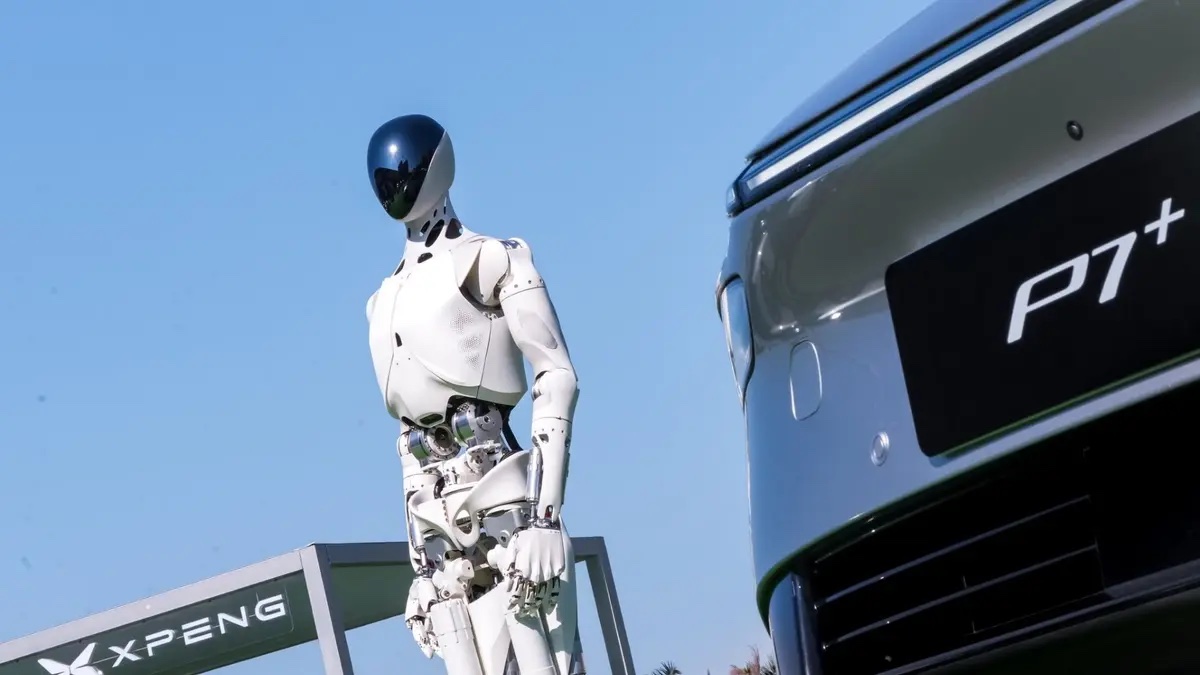
Iron stands at 5’8″ tall and weighs 154 pounds (70 kg), designed with over 60 joints and an impressive 200 degrees of freedom, allowing it to perform a range of tasks with remarkable flexibility. Built on the same AI technologies powering Xpeng’s electric vehicles, the robot is already operational on the company’s production lines, where it is assisting in the assembly of the upcoming P7+ electric car.

Continue reading… “Xpeng Unveils Humanoid Robot “Iron” at 2024 AI Day, Expanding Into Robotics and AI Innovation”

Stanford Researchers Turn Oncogenes Into Cancer-Killing Signals in Revolutionary New Approach

Certain genes have the potential to mutate into oncogenes, which can drive the development of cancer by promoting uncontrolled cell proliferation and blocking the normal process of apoptosis (cell death). For years, cancer treatments have focused on shutting down these rogue genes and the proteins they produce. However, a new study from researchers at Stanford University takes a completely different approach—one that aims to harness the power of oncogenes to treat cancer.

“Since oncogenes were discovered, people have been trying to shut them down in cancer,” said Roman Sarott, co-first author of the study. “Instead, we’re trying to use them to turn signaling on that, we hope, will prove beneficial for treatment.” This innovative strategy targets a specific oncogene protein called BCL6, which is known to play a key role in diffuse large B-cell lymphoma (DLBCL), a type of blood cancer. In its mutated form, BCL6 binds to DNA near genes that would normally trigger apoptosis, effectively turning them off and allowing cancer cells to continue dividing uncontrollably.

Continue reading… “Stanford Researchers Turn Oncogenes Into Cancer-Killing Signals in Revolutionary New Approach”

Physicists Capture First Images of a New Quantum Phase: The Wigner Molecular Crystal

Under the right conditions, electrons can “freeze” into an unusual and highly ordered solid state. In a groundbreaking achievement, physicists at Berkeley Lab have successfully captured the first-ever direct images of this phenomenon, revealing a new quantum phase of matter known as the Wigner molecular crystal.

At its core, the Wigner molecular crystal is a unique variation of a solid electron phase. Unlike typical Wigner crystals, where individual electrons arrange themselves into a regular lattice, the Wigner molecular crystal features groups of electrons that settle together in each lattice position, forming what can be described as “electron molecules.”

Continue reading… “Physicists Capture First Images of a New Quantum Phase: The Wigner Molecular Crystal”

Plants May Be ‘Screaming’ in Silence: Study Finds Plants Emit Distress Sounds

It turns out that Roald Dahl’s fantastical notion of plants “screaming” when hurt may not be as fictional as we once thought. In a study published in 2023, researchers revealed that plants do indeed produce ultrasonic popping or clicking sounds in response to stress—sounds that are outside the range of human hearing but may play a role in how plants communicate with their surroundings.

“Even in a quiet field, there are actually sounds that we don’t hear, and those sounds carry information,” said Lilach Hadany, an evolutionary biologist at Tel Aviv University in Israel. “There are animals that can hear these sounds, so there is the possibility that a lot of acoustic interaction is occurring.”

Continue reading… “Plants May Be ‘Screaming’ in Silence: Study Finds Plants Emit Distress Sounds”
Discover the Hidden Patterns of Tomorrow with Futurist Thomas Frey
Unlock Your Potential, Ignite Your Success.

By delving into the futuring techniques of Futurist Thomas Frey, you’ll embark on an enlightening journey.

Learn More about this exciting program.