
By Futurist Thomas Frey
Something extraordinary is happening inside the world’s patent offices. After decades of steady, predictable activity, the landscape of intellectual property has begun to shift dramatically. The number of patent filings worldwide has surged in unexpected ways, and the reason is simple: artificial intelligence has entered the invention business.
For centuries, patents have served as the official ledger of human ingenuity. They captured breakthroughs from the spinning jenny to the telephone to the microprocessor. Each filing was a painstaking effort requiring technical brilliance, legal expertise, and months of drafting. But today, AI can generate new ideas, sketch novel designs, and even draft the legal language needed to submit a patent—all at a pace that outstrips traditional methods. The result is a patent system undergoing radical transformation.
AI as the New Inventor’s Assistant
Traditionally, the challenge of filing patents wasn’t just coming up with the idea—it was articulating it. Patent law demands precise descriptions, technical claims, and carefully worded language that differentiates the invention from everything that came before. This complexity acted as a barrier, keeping the process slow and expensive.
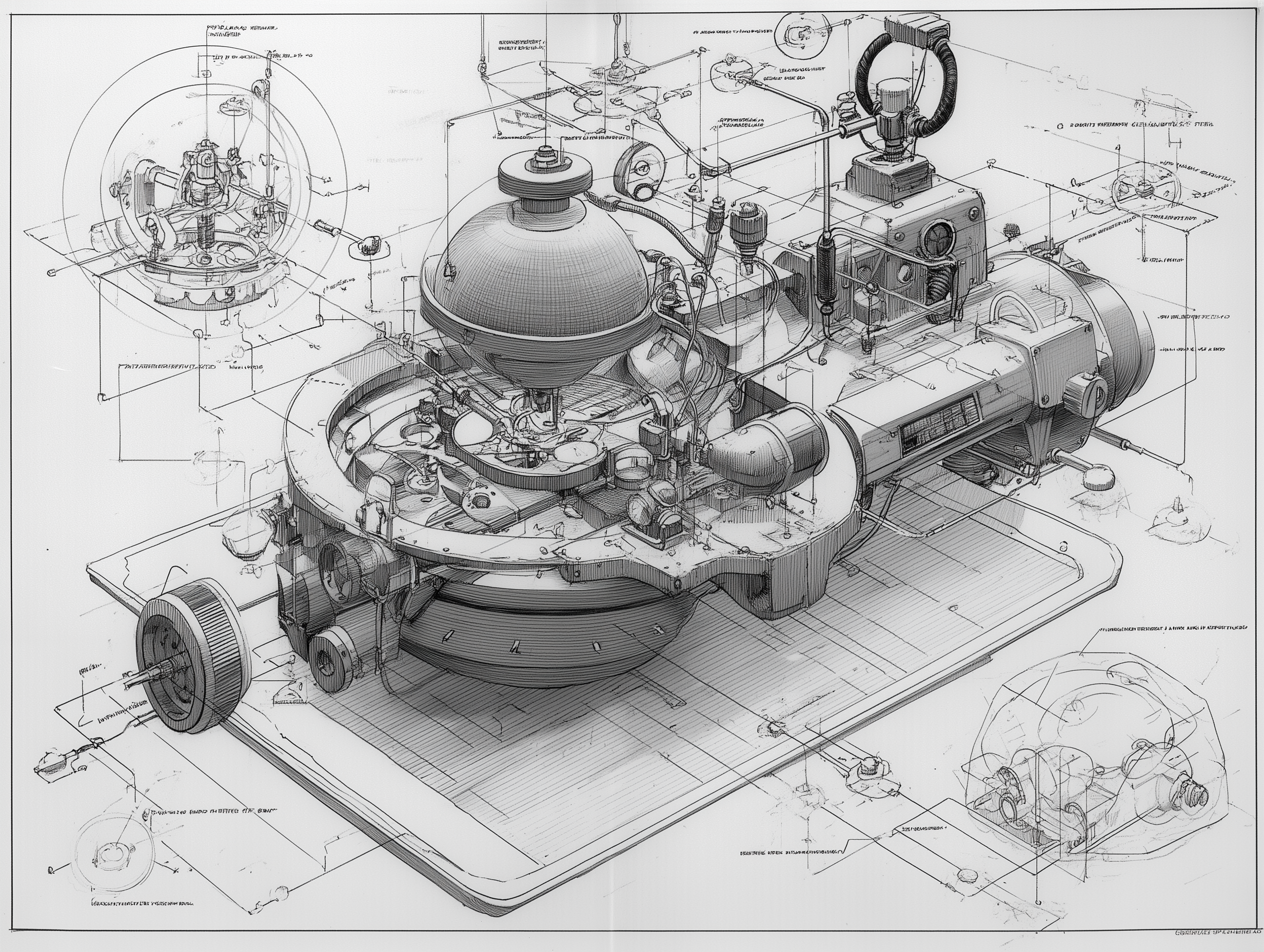
AI has smashed that barrier. Large language models can now draft patent applications in hours rather than weeks. Image generators can sketch diagrams, mechanical layouts, and chemical structures. Specialized AI systems can even comb through existing patents to identify gaps and recommend novel approaches. What once required teams of engineers and attorneys can now be accelerated by a single researcher with the right AI tools.
The implications are enormous. Filing a patent no longer demands years of preparation. In some cases, it may take only a spark of human insight, with AI handling the technical and legal scaffolding.
The Democratization of Invention
One of the most profound outcomes of this shift is the democratization of invention. For much of history, patents were the domain of corporations, universities, and well-funded research labs. Independent inventors often lacked the resources to navigate the system.
But with AI at their side, small players now wield disproportionate power. A startup, a student, or even a solo tinkerer can generate professional-grade patents that compete with those from Fortune 500 companies. This democratization threatens to level the playing field—but it may also flood the system with unprecedented volumes of applications.
The question becomes: if everyone can invent faster, who decides which ideas matter?
Patent Offices Under Siege
Patent offices worldwide are already straining under the weight of increased filings. Reviewers, who once prided themselves on deep technical vetting, now face a deluge of AI-assisted submissions. Many are near duplicates, variations on existing ideas churned out algorithmically to secure intellectual property territory.
This flood risks overwhelming the system, turning the patent office into something more like a digital battlefield. Instead of carefully considered inventions, we may see waves of automated filings designed to stake claims before rivals can. The risk of “patent spam” is very real, and governments will soon be forced to rethink how intellectual property law functions in an AI-driven world.
What Counts as an Invention?
Another thorny question emerges: who is the inventor? If an AI proposes a unique design, writes the description, and generates the diagrams, is the human who pressed “run” the true inventor—or is it the AI itself? Most legal systems today insist that inventorship must be human. But as AI systems increasingly contribute to novelty, courts and legislators will be forced to wrestle with uncomfortable new realities.
Already, disputes have arisen over AI-generated inventions in fields like drug discovery and mechanical design. The lines between human creativity and machine output are blurring so quickly that the very definition of invention may need rewriting.
The Rise of “Patent Wars 2.0”
History is full of patent wars—from Edison and Tesla to Apple and Samsung. But the next wave may look very different. Instead of rival companies battling over a handful of inventions, entire AI systems could be deployed to generate massive arsenals of intellectual property. Companies may file thousands of patents not because they intend to use them, but to block competitors from entering the space.
This strategy, known as “patent thickets,” already complicates industries like smartphones. With AI, those thickets could grow into impenetrable jungles. The future of innovation may hinge not just on who has the best ideas, but on who has the fastest, most aggressive AI filing machines.
Final Thoughts
The radical shifts in patent filings are not just a bureaucratic curiosity—they are the canary in the coal mine for a new era of innovation. AI is rewriting the rules of invention itself, making it easier than ever to create, document, and protect new ideas.
This democratization will unleash extraordinary creativity, giving rise to inventors who never before had access to the patent system. But it will also test the limits of intellectual property law, overwhelm existing institutions, and spark ethical battles over who—or what—deserves credit for creation.
The question is no longer whether AI will change innovation. It already has. The real question is how society will adapt when the pace of invention accelerates beyond anything we’ve ever known.
Read more on related topics:
