Stories That Read You: The End of Fixed Narratives

By Futurist Thomas Frey

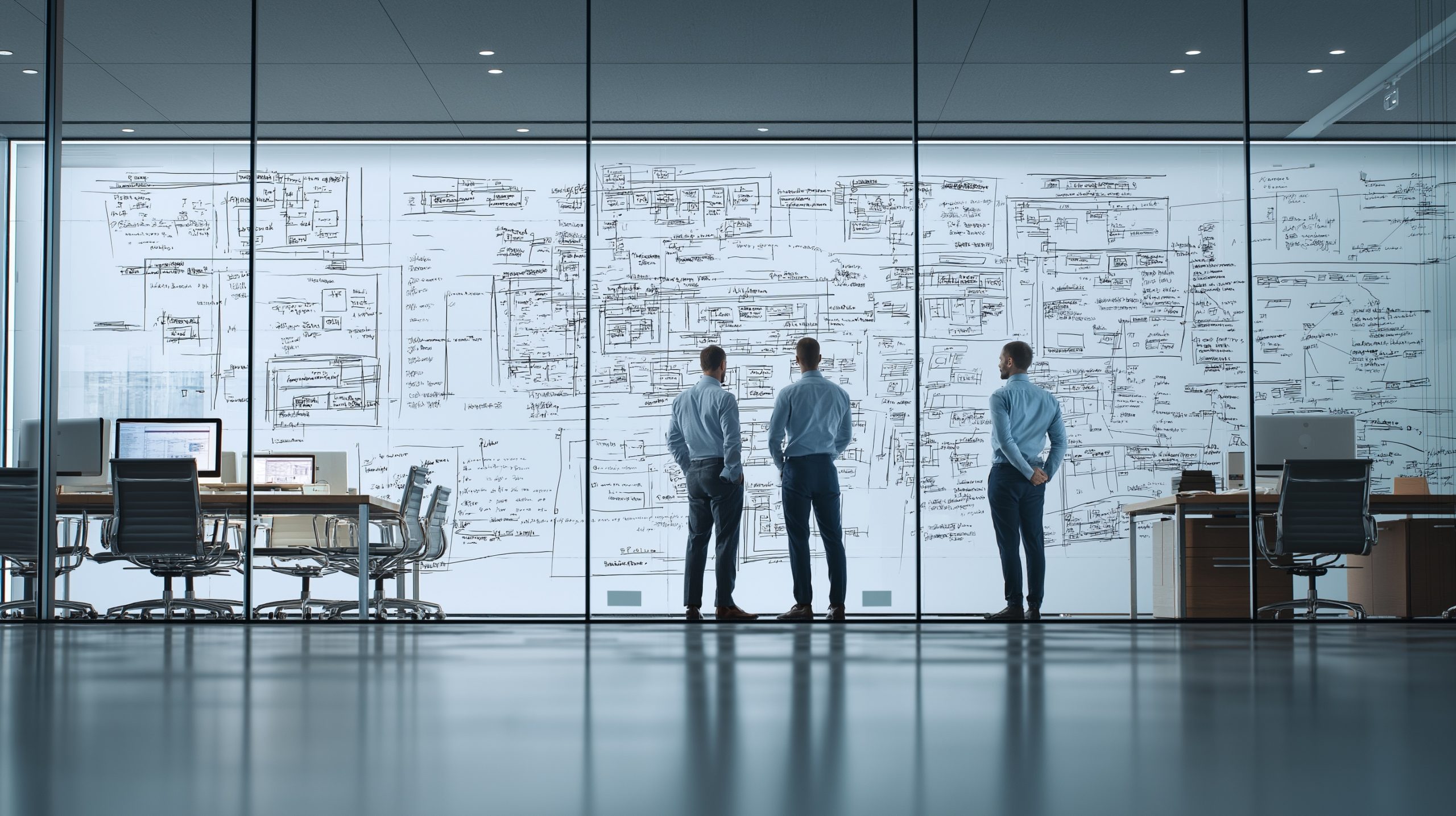
Imagine a book that reads you while you read it. The characters evolve based on your facial expressions. The pacing adapts to your heartbeat. The plot shifts depending on your micro-expressions of boredom or delight. You’re no longer reading a story—you’re in conversation with it. This isn’t a fantasy of future publishing—it’s a preview. Within the next five to seven years, we’ll see the rise of adaptive storytelling: books, films, and interactive experiences that monitor your biometric and emotional responses in real time, rewriting themselves to maximize your engagement. Fixed narratives—the same story for everyone—are headed for extinction.

Continue reading… “Stories That Read You: The End of Fixed Narratives”

Have We Entered the Singularity? (We’re Already Inside It)

By Futurist Thomas Frey

Why Everyone’s Asking the Wrong Question
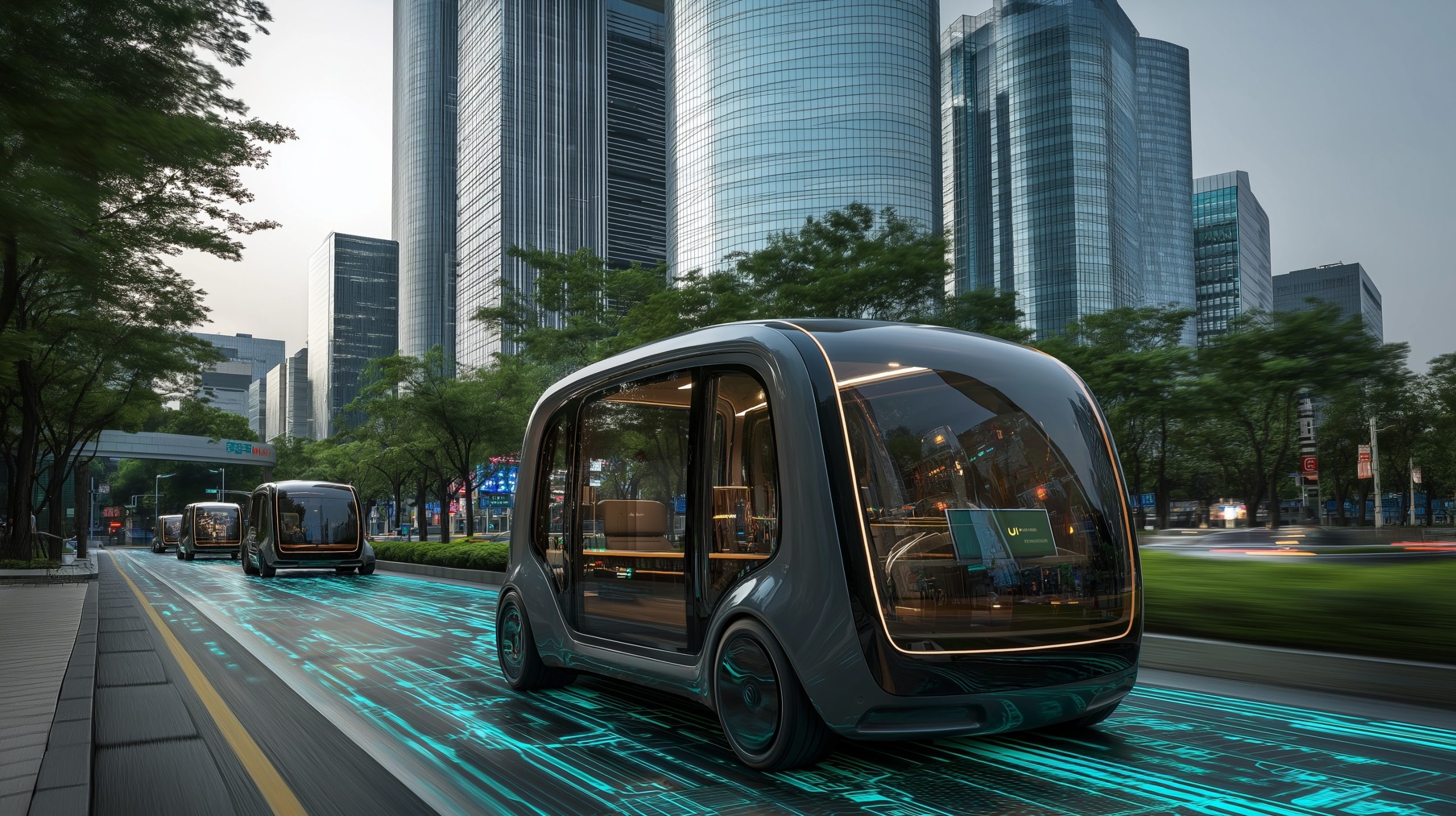
Most people are still asking, “When will the Singularity happen?”—as if it’s a scheduled event on a cosmic calendar. They’re waiting for a singular moment when AI becomes smarter than humans, sparks an intelligence explosion, and everything changes overnight. But what if that’s the wrong framing entirely? What if the Singularity isn’t a single event—but a gradient, a slow-motion revolution we’ve already entered without realizing it? I believe that somewhere between 2022 and 2024, we quietly crossed the threshold. The Singularity didn’t arrive with fireworks—it slipped in unnoticed, woven into our tools, our workflows, and our daily decisions.

Continue reading… “Have We Entered the Singularity? (We’re Already Inside It)”

Quantum Archaeology: Resurrecting the Dead Through Information

By Futurist Thomas Frey

The Most Audacious Idea in Human History
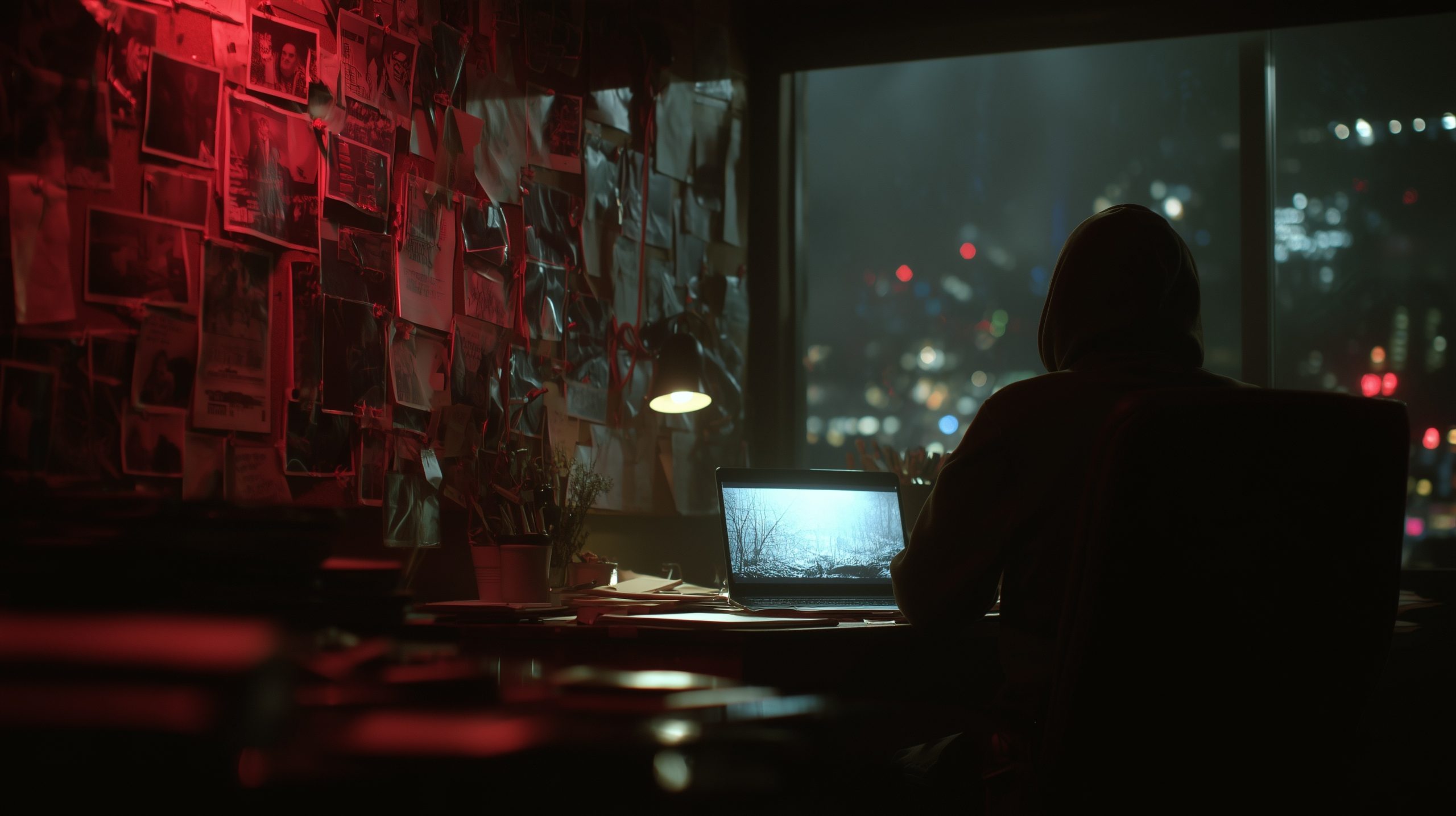
Imagine a world where death is not final—where every human being who has ever lived can one day be restored. Not as ghosts or memories, but as living, thinking, feeling individuals reconstructed through data. This is the vision behind quantum archaeology, a provocative new field that proposes to resurrect the dead using future advances in artificial intelligence, quantum computing, and nanotechnology. It’s not mysticism. It’s information science taken to its ultimate conclusion: if every particle interaction leaves a trace, then—at least in theory—no life is ever truly lost.

Continue reading… “Quantum Archaeology: Resurrecting the Dead Through Information”

The Wetware Frontier: When Our Computers Are Literally Alive

By Futurist Thomas Frey

When we thought computers were reaching their limit, nature quietly handed us the next leap. In the Swiss town of Vevey, researchers at the startup FinalSpark are cultivating human brain organoids—mini-brains grown from stem cells—and plugging them into electrode arrays to act as living processors. These clumps, each measuring just a few millimetres, are no longer just models for neuroscience—they’re becoming the underlying architecture of tomorrow’s computing infrastructure.

Biological neurons already out-strip silicon on raw metrics: they’re approximately one million times more energy efficient than current artificial neurons, and they self-organize, self-repair and rewire. What we once simulated, we’re now assimilating. Rather than mimic the brain with chips, we’re tapping the brain’s hardware itself. The implication: “wetware” computing is no longer science fiction—it’s system design.

Continue reading… “The Wetware Frontier: When Our Computers Are Literally Alive”

The New Royalty: Who Rules in 2040

By Futurist Thomas Frey
A new aristocracy is coalescing in plain sight, and it isn’t wearing crowns—it’s wielding capabilities. Titles, legacy wealth, and celebrity clout still sparkle, but they no longer confer decisive power. By 2040, status flows to those who can direct fleets of autonomous systems, convene global networks on demand, and turn intent into outcomes at machine speed. Ownership mattered in the industrial era. In the agent era, orchestration wins. The highest-return literacy across society is capability amplification—the ability to speak fluently to software that does. Below is the emerging order, ranked not by inheritance, but by how effectively each cohort converts vision into reality.

Continue reading… “The New Royalty: Who Rules in 2040”

The Instant Expert Network: When Knowledge Becomes Liquid

By Futurist Thomas Frey

In 2025, accessing expertise still feels like climbing a wall built out of money, geography, and time. Need an expert? You can hire one—expensive, slow, and layered with management overhead. You can try to learn it yourself—time-consuming, full of dead ends. Or you can go without—limiting what’s possible. The global economy runs on the friction of these constraints. Expertise clusters in cities, corporations, and institutions because coordination costs are too high for everyone else. Collaboration is trapped within the boundaries of payrolls and departments. But that barrier doesn’t survive the next decade.

By 2040, expertise is no longer a scarce commodity you have to chase. It’s an instant, liquid resource—available on demand, globally distributed, and orchestrated by AI systems that handle the coordination humans once found impossible.

Continue reading… “The Instant Expert Network: When Knowledge Becomes Liquid”

The Shared Body Era: When One Mind Controls Another’s Hands

By Futurist Thomas Frey

In 2040, medicine and robotics no longer focus solely on restoring independence—they’re reinventing the concept of embodiment itself. The line between “my body” and “your body” is starting to blur. The latest breakthrough came from the Feinstein Institutes for Medical Research, where a paralyzed man named Keith Thomas, who lost all sensation and movement after a spinal cord injury, regained not only touch and control of his own hands—but the ability to feel and move through someone else’s.

When Thomas dives into thought, his brain implant translates neural intention into electrical commands that travel wirelessly into electrodes placed on another person’s limbs. The result? He can move another person’s hands with the same precision as his own—and even feel what they touch.

Continue reading… “The Shared Body Era: When One Mind Controls Another’s Hands”

The Restaurant Reservation Collapse

By Futurist Thomas Frey

In 2025, the first hints of a culinary revolution appeared in a few elite dining rooms in New York and Tokyo. About 1% of restaurants—mostly Michelin-starred or concept-driven establishments—quietly abandoned the centuries-old ritual of reservations. Instead, they embraced what became known as “dynamic dining.” Guests no longer booked tables weeks in advance or endured hold music to secure a spot. Instead, they arrived whenever they pleased, and AI systems handled the rest. Predictive algorithms assessed arrival patterns, optimized seating, and projected wait times to the exact minute. Diners could shop, stroll, or grab a cocktail nearby, receiving real-time updates as the system orchestrated the flow of guests like air traffic controllers manage incoming planes. When your table was ready, your phone buzzed. You walked in without friction. The results were staggering—no-shows dropped from 20% to less than 0.3%, table turnover jumped by 35%, and overall satisfaction reached record highs. The earliest adopters realized something profound: the reservation wasn’t a customer service—it was a bottleneck.

By 2040, that insight has rewritten global dining culture. The reservation system, once a symbol of order and prestige, is dead. “Continuous flow dining” is now standard across developed nations.

Continue reading… “The Restaurant Reservation Collapse”

Children Who’ve Never Owned Toys

By Futurist Thomas Frey

In 2025, a small but striking cultural signal emerged from the wealthiest neighborhoods of San Francisco and Singapore: about 1% of families stopped buying toys altogether. Instead, they subscribed to “toy libraries”—services that deliver rotating collections of educational play objects every two weeks, then retrieve them for cleaning, sorting, and redistribution. Parents described the change as liberating. The clutter vanished. The guilt of overconsumption disappeared. Most surprisingly, the kids played more. With each new rotation came novelty, curiosity, and renewed engagement. It was the first hint that permanent ownership—a core feature of 20th-century childhood—might be on its way out.

By 2040, that fringe experiment has become the norm. Only about 12% of households now own toys outright, and those that do are mostly collectors, nostalgists, or families in remote regions beyond logistics networks.

Continue reading… “Children Who’ve Never Owned Toys”

Researchers created extremely realistic voice clones with just four minutes of recordings

By Futurist Thomas Frey

We once believed our voices were bulletproof identifiers—unique, infallible, deeply personal. But that belief is collapsing. A new study shows that people can no longer reliably distinguish AI-cloned voices from real human voices, even when the clones are made from just a few minutes of audio.

This isn’t a quirk of tech—it’s a fundamental shift in how identity, trust, and authenticity will play out in the decades ahead. Soon, hearing someone’s voice won’t guarantee that it’s them.

Continue reading… “Researchers created extremely realistic voice clones with just four minutes of recordings”

The House That Prints Itself: Australia’s Robot Home Heralds the End of Building as We Know It

By Futurist Thomas Frey

A silent revolution is unfolding on the suburban fringes of Australia—one that may rewrite not just architecture, but home, belonging, and what it means to shelter a life. A new autonomous robot prototype is 3D-printing a full-sized home, layer by layer, with minimal human intervention. If successful, it’s not just a novelty—it’s the blueprint for a future where houses build themselves.

This robot-printed home isn’t science fiction. It promises to reduce construction time from months to days, drastically cut labor costs, and enable tailored designs that adapt to local context. Imagine giving the command—“build me a three-bedroom home with this layout, these light wells, this insulation—and robots execute it.”

Continue reading… “The House That Prints Itself: Australia’s Robot Home Heralds the End of Building as We Know It”

All Information, Ever Created, Is Still In Existence

By Futurist Thomas Frey

What if nothing is ever truly lost—not a word, not a moment, not even a thought? What if every experience that has ever happened, every sound ever uttered, and every heartbeat ever felt still exists somewhere, encoded in the fabric of the universe?

This bold assertion—“all information, ever created, is still in existence”—isn’t just poetic speculation. It forms the philosophical and scientific backbone of one of the most provocative emerging ideas in future science: quantum archaeology.

If true, it implies that death, decay, and disappearance are not final—only temporary states in a cosmos that forgets nothing.

Continue reading… “All Information, Ever Created, Is Still In Existence”
Discover the Hidden Patterns of Tomorrow with Futurist Thomas Frey
Unlock Your Potential, Ignite Your Success.

By delving into the futuring techniques of Futurist Thomas Frey, you’ll embark on an enlightening journey.

Learn More about this exciting program.