The Death of Higher Education Is Already Happening

The United Arab Emirates just declared war on the American university system, and most people don’t even realize it. By becoming the first nation to provide free AI tutoring to every citizen, the UAE isn’t just modernizing education—it’s exposing the fundamental obsolescence of institutions that charge $200,000 for what artificial intelligence can deliver for pennies.

This isn’t a distant threat. Universities are facing their Kodak moment, and the disruption is accelerating faster than anyone anticipated.

Continue reading… “The Death of Higher Education Is Already Happening”

The Scary Truth About AI and Your Child’s Education

Picture this: your teenager proudly shows you an A+ essay they “wrote” for English class. The writing is polished, the arguments are sophisticated, and the research seems thorough. But when you ask them to explain their main points, they stare blankly and can’t remember what they supposedly wrote just hours earlier. Welcome to the AI generation, where brilliant-looking work can be produced in minutes—but nothing sticks in the brain.

A shocking new study from MIT reveals just how serious this problem has become. When students use ChatGPT to write essays, 83% can’t recall or explain what they “wrote” shortly afterward. Compare that to students who research and write traditionally—only 11% struggle with recall. We’re witnessing the birth of a generation that can produce without understanding, and it should terrify every parent and teacher.

Continue reading… “The Scary Truth About AI and Your Child’s Education”

From Ancient Bazaars to One-Click Shopping: How Marketplaces Changed Everything

Imagine spending four hours just to buy a single item. You’d have to travel to a crowded marketplace, search through dozens of vendors, haggle over prices, and hope the quality matched your expectations. This wasn’t unusual—it was how shopping worked for most of human history. Fast-forward to today, and you can order almost anything with a few smartphone taps and have it delivered to your door within hours. This dramatic transformation didn’t happen overnight; it’s the result of centuries of innovation that has fundamentally changed not just how we shop, but how millions of people make a living.

Continue reading… “From Ancient Bazaars to One-Click Shopping: How Marketplaces Changed Everything”

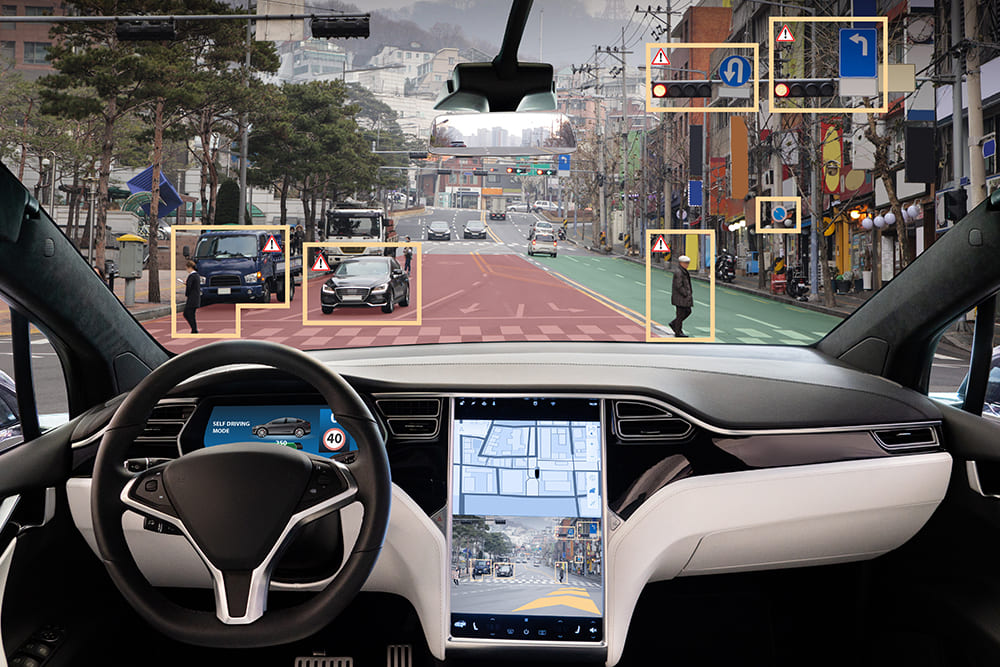
The Future of Transportation Is Here: What Tesla’s Robotaxi Launch Means for You

Imagine stepping out of your home, opening an app on your phone, and summoning a car that arrives within minutes—no driver behind the wheel, just advanced artificial intelligence guiding you safely to your destination. This isn’t science fiction anymore. Tesla has officially launched its robotaxi service in Austin, Texas, marking what could be the beginning of the most significant transformation in transportation since the invention of the automobile itself.

Continue reading… “The Future of Transportation Is Here: What Tesla’s Robotaxi Launch Means for You”

Turning Urine into Power and Fertilizer: Stanford’s Solar Innovation

At Stanford, researchers have done what sounds unthinkable: they’ve turned human urine into a clean source of both fertilizer and energy. Their solar-powered system, small enough to operate without a grid, separates ammonia from urine and converts it into ammonium sulfate—one of the world’s most common fertilizers. What makes the breakthrough even more impressive is its efficiency. By capturing and reusing the waste heat from solar panels, the process doesn’t just accelerate—it also boosts power output by nearly 60% while improving ammonia recovery by over 20%. The very act of keeping solar panels cooler makes them perform better, creating a virtuous cycle of energy and production.

Continue reading… “Turning Urine into Power and Fertilizer: Stanford’s Solar Innovation”

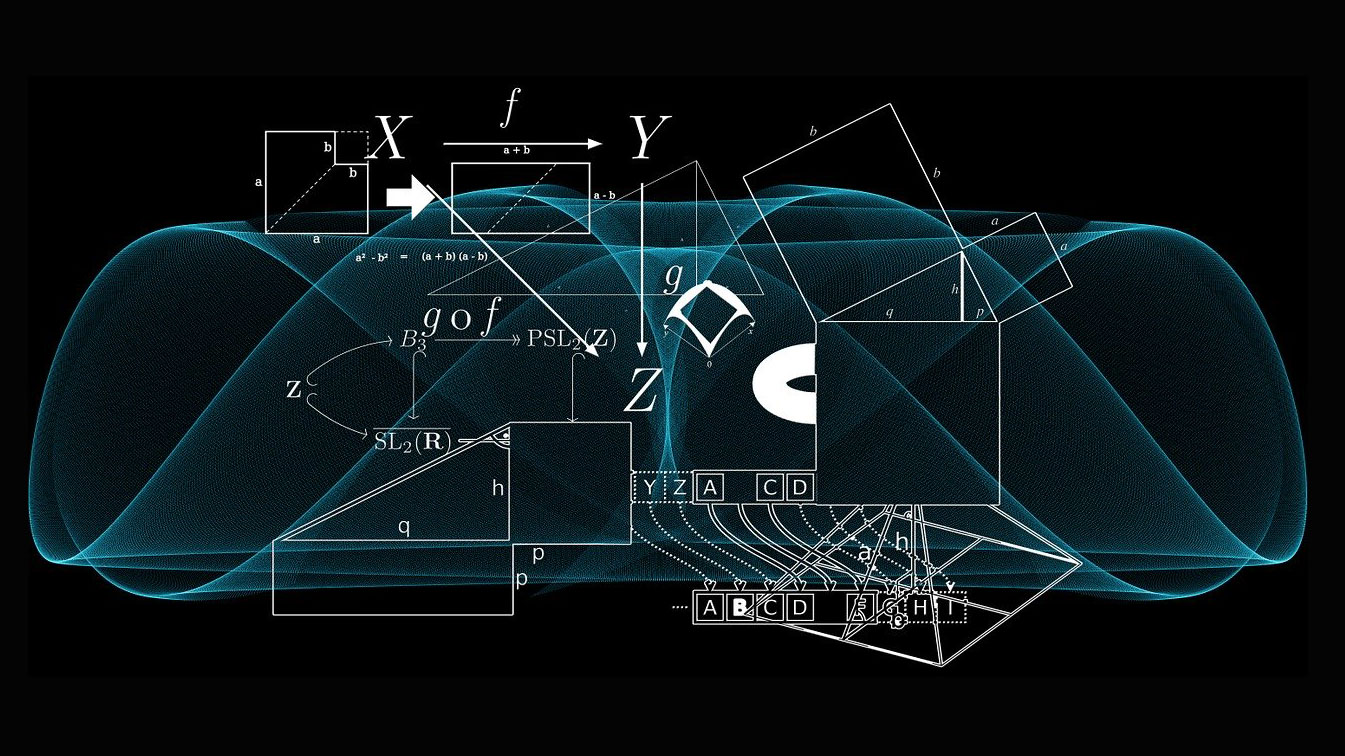
When AI Stops Guessing and Starts Discovering: The Machine That Found New Physics

Most AI headlines these days read like cautionary tales—machines pumping out soulless essays, deepfake politicians, and hallucinated “facts” with the confidence of a drunk poker player. But every once in a while, AI steps off the hype treadmill and does something so extraordinary, it reminds us why we started building these systems in the first place.

That’s exactly what happened at Emory University, where a machine-learning model didn’t just crunch numbers or speed up experiments—it discovered an entirely new phenomenon in plasma physics that scientists had only theorized about before. And it did it without the usual hand-holding from human experts.

The subject was dusty plasma—a charged gas filled with tiny, electrically charged dust particles, found everywhere from deep space to wildfire smoke. While physicists had studied dusty plasmas for decades, one key mystery remained unsolved: the strange “non-reciprocal forces” acting between particles, where one particle attracts another but doesn’t get the same force in return.

Continue reading… “When AI Stops Guessing and Starts Discovering: The Machine That Found New Physics”

AI Roadside Guardians: How Australia’s LAARMA Tech Could End the Era of Roadkill

Every year, highways become killing fields—not just for humans, but for the animals whose habitats those highways slice apart. Fences can block some crossings, but they’re expensive, high-maintenance, and often just push the problem elsewhere. Now, Australian researchers believe they’ve found a smarter, faster, and more adaptable answer: AI that sees animals before you do—and warns you in real time.

Meet LAARMA—the Large Animal Activated Roadside Monitoring and Alert system. It’s an open-source, self-learning AI platform that uses sensors to detect large animals up to 200 meters away, in any weather, day or night. When a detection is made, roadside signs instantly flash a tailored warning to drivers, naming the animal and signaling urgency. The result? In a recent five-month trial in cassowary country, drivers slowed down by as much as 10%, with the system correctly spotting the birds 97% of the time.

Continue reading… “AI Roadside Guardians: How Australia’s LAARMA Tech Could End the Era of Roadkill”

The Chip That Speaks Two Languages: Bridging Light and Terahertz for the Next Communication Leap

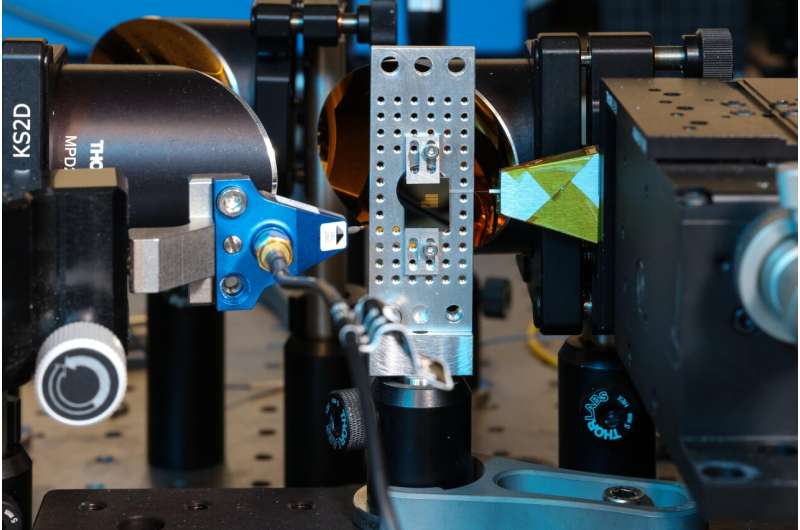
For decades, engineers have dreamed of a single device that could fluently translate between the lightning-fast language of light and the high-bandwidth whisper of terahertz waves. Now, a team at EPFL and Harvard has done exactly that—on a chip so small it could ride on your fingernail.

Terahertz (THz) radiation sits in the electromagnetic no man’s land between microwaves and infrared light—too fast for conventional radio tech, too tricky for optical systems to harness directly. But if you could get THz signals to talk to existing optical networks, you’d open the door to ultra-secure 6G communications, millimeter-precision radar, and data transfer speeds that make today’s fiber optics look like dial-up.

Continue reading… “The Chip That Speaks Two Languages: Bridging Light and Terahertz for the Next Communication Leap”

The Propeller Revolution Is Here—and It’s Loopy

Since the age of steamships, propellers haven’t changed much. Same basic shape. Same basic inefficiencies. Until now.

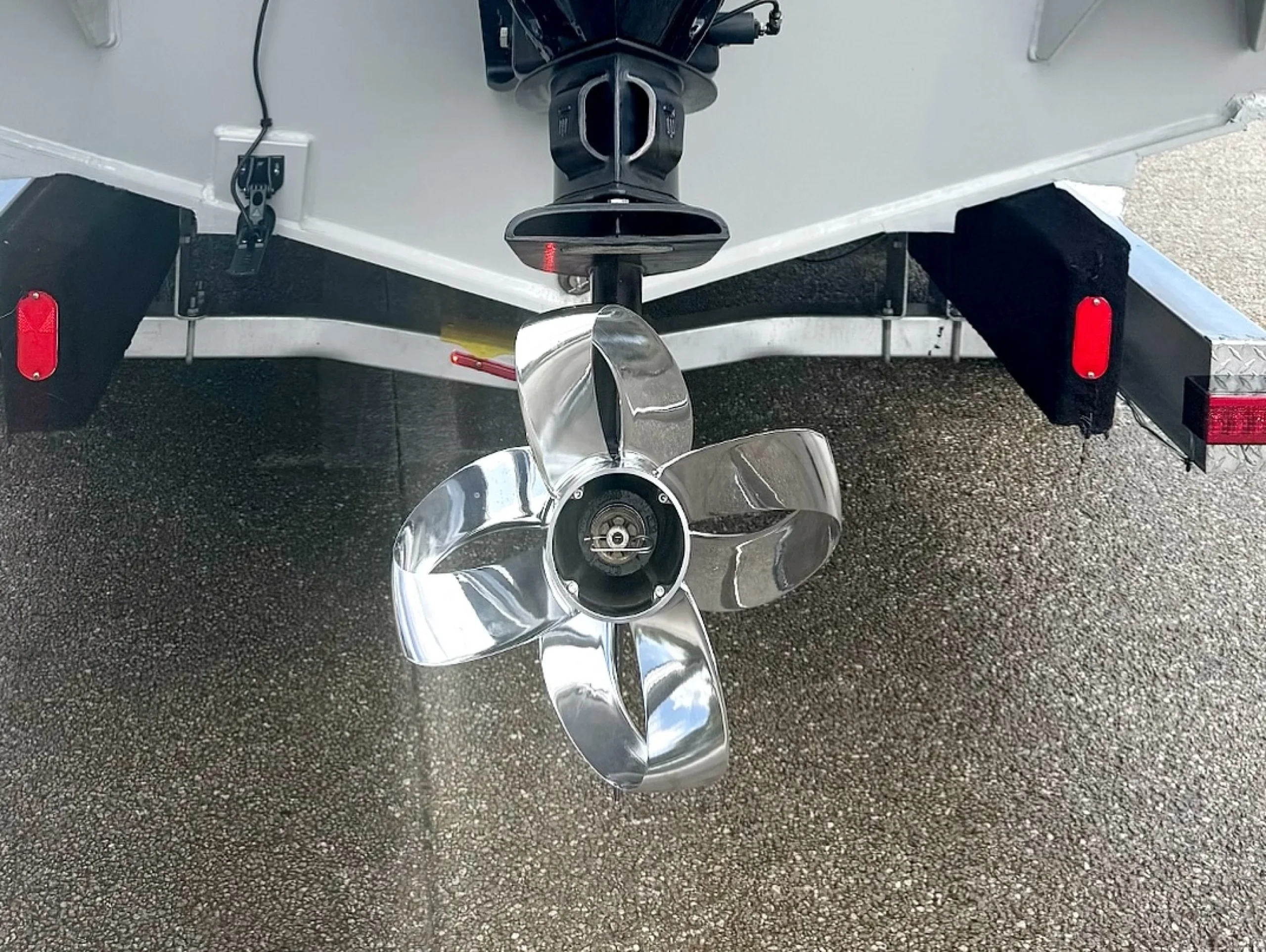
Enter Sharrow Engineering—a Detroit-based disruptor with a bold claim: they’ve reinvented the propeller. Not tweaked. Not optimized. Reinvented.

Their invention? A hypnotic, closed-loop design that looks more like modern art than marine hardware. But this loopy shape isn’t just for show—it eliminates the drag-inducing tip vortices that have plagued traditional propellers since the 1830s. The result? Up to 30% more fuel efficiency, drastically reduced noise and vibration, and handling so smooth it feels like piloting a completely different vessel.

Continue reading… “The Propeller Revolution Is Here—and It’s Loopy”

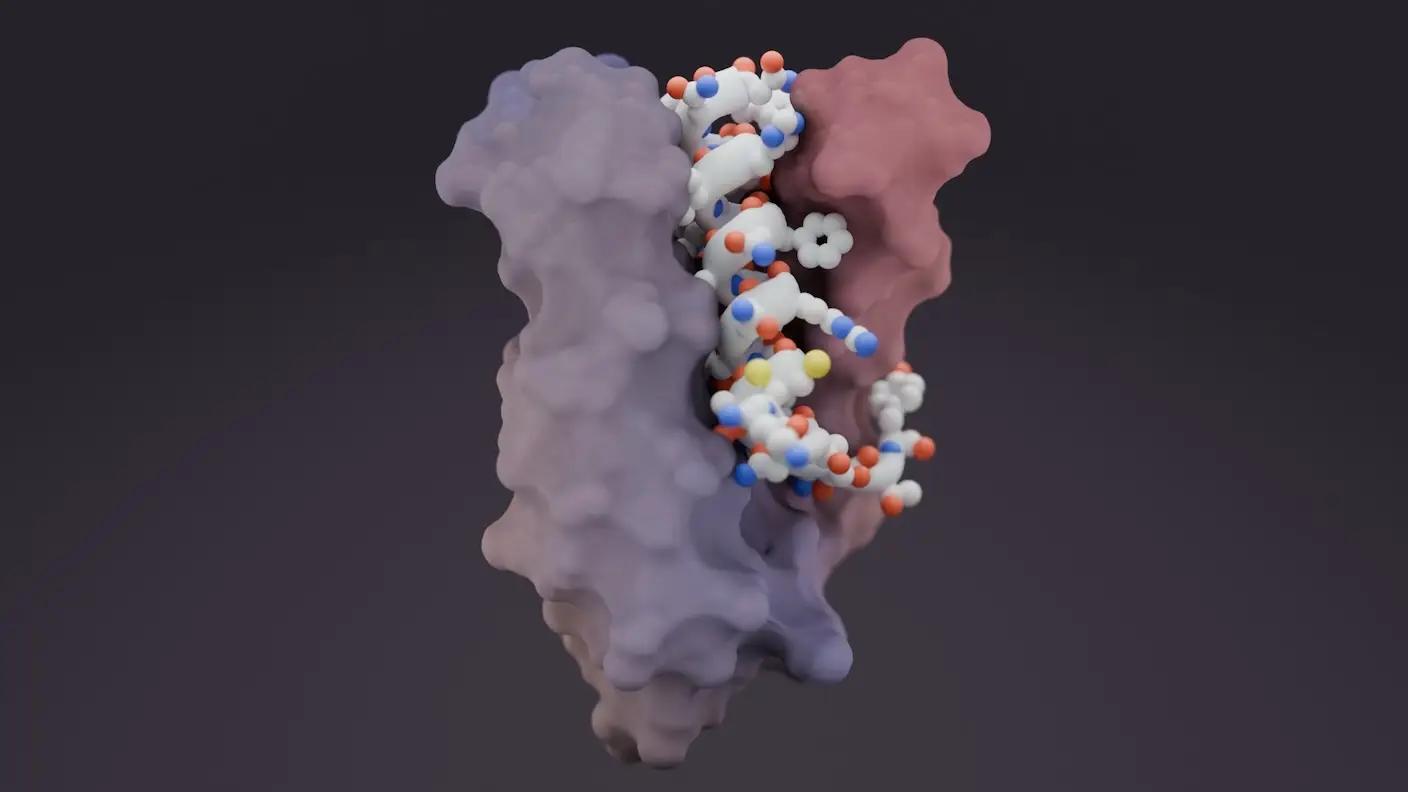
AI Just Cracked the Code on the “Undruggable”—And Nothing in the Human Body Is Off-Limits Anymore

For decades, certain diseases have loomed like unsolvable riddles—cancers that resist every treatment, brain disorders that defy pharmaceutical logic. The reason? Many of the proteins behind them simply can’t be drugged. They’re too chaotic, too slippery, too structurally unstable for anything to stick.

Until now.

Scientists at the University of Washington have just pulled off what many in the biotech world thought impossible: using AI to design protein binders that can target these so-called “undruggable” proteins—shapeshifting molecules at the heart of some of the deadliest diseases we know. Alzheimer’s. Advanced cancers. Chronic pain conditions. All suddenly within reach.

Continue reading… “AI Just Cracked the Code on the “Undruggable”—And Nothing in the Human Body Is Off-Limits Anymore”

RoboTire: The Next Frontier in Automotive Maintenance

Autonomous robot cars may be grabbing headlines, but their mechanical counterparts are not far behind. Meet RoboTire, a cutting-edge technology that has the potential to revolutionize tire changing. This innovative system can replace all four tires on a vehicle two to three times faster than a human mechanic, marking a significant leap in efficiency. While the process currently requires human assistance, RoboTire’s ultimate goal is to achieve full autonomy.

When a vehicle pulls onto the platform, RoboTire’s artificial intelligence-driven machine vision system goes into action. It swiftly identifies the wheels, locates the lugs, and guides the robot arms to unscrew and remove the nuts or lug bolts, subsequently removing the wheels and tires. The system then seamlessly transfers them to a Hunter tire-changing machine, sharing information about tire size and type for a smooth tire swap. During this process, a human technician facilitates the transition between the two systems, loads the new tire into the changer, and monitors the operation.

Continue reading… “RoboTire: The Next Frontier in Automotive Maintenance”

Unleash Your Creativity with This AI-Powered Video Transformation App

The use of AI-generated images has become increasingly accessible, with tools like DALL-E allowing users to easily create visuals from a basic prompt. While AI video generation is still in its early stages, a new app from AI startup Runway offers a glimpse into the technology’s potential.

The recently launched Runway ML iOS app enables users to transform existing videos from their photo gallery or captured on the app into entirely new videos using prompts, images, or presets. The app’s video-to-video technology, Gen-1, has been available for desktop use since February, and the app version streamlines the process, making it more accessible to users.

Although the results from Runway’s technology can sometimes appear warped or disfigured, it is important to keep in mind that unexpected outputs are common with generative AI, especially in the early stages of AI video generation.

Runway ML iOS app is free to download from the Apple App Store and already ranks 19th in the Photo & Video category. However, in-app purchases are available to access different subscription plans, which provide users with varying credit limits and features. The Free plan includes a limit of 125 credits and grants users three video projects with 720p video exports. The Standard plan costs $143.99 annually and provides 625 credits, unlimited video projects, watermark removals, 1080p exports, and additional features. The Pro plan, which costs $334.99, provides users with 2,250 credits per month, unlimited video projects, ProRes exports, 500GB of assets, and premium perks. The app also teases Runway’s Gen-2 text-to-video technology, which is “coming soon.”

By The ImpactLab

Discover the Hidden Patterns of Tomorrow with Futurist Thomas Frey
Unlock Your Potential, Ignite Your Success.

By delving into the futuring techniques of Futurist Thomas Frey, you’ll embark on an enlightening journey.

Learn More about this exciting program.