Weaving the Future: NTU Scientists Pioneer Ultra-Thin Semiconductor Fibers for Smart Textiles

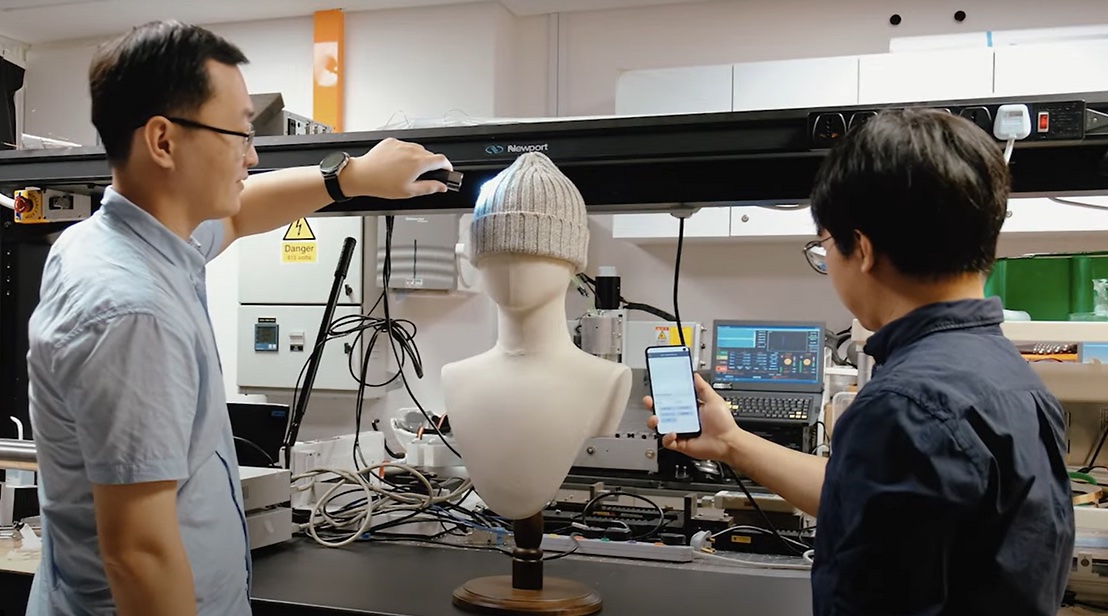
A groundbreaking achievement in wearable technology has emerged from the labs of Nanyang Technological University, Singapore (NTU Singapore), where scientists have developed ultra-thin semiconductor fibers that seamlessly integrate into fabrics, revolutionizing ordinary textiles into smart electronics.

The impetus for this breakthrough stemmed from the demand for flexible and defect-free materials crucial for stable signal transmission. Traditional manufacturing methods often resulted in stress-induced cracks and deformities, impeding performance and scalability. To overcome this challenge, NTU scientists conducted rigorous modeling and simulations to identify stress factors during manufacturing, leading to a meticulous selection of materials and production techniques.

Continue reading… “Weaving the Future: NTU Scientists Pioneer Ultra-Thin Semiconductor Fibers for Smart Textiles”

Harnessing the Body: The Future of Implantable Batteries

Innovations in battery technology are extending beyond traditional applications, as demonstrated by experts at China’s Tianjin University of Technology. By leveraging a combination of gold, salt, and the body’s own oxygen, researchers are pioneering body-based batteries with the potential to power life-saving medical devices and even combat diseases.

These remarkable batteries, highlighted in a research summary from ScienceDaily, represent a promising advancement in the field of medical technology. Initial studies conducted on rats have shown the compatibility of this technology within a biological system, without any adverse effects observed. If successfully implemented in humans, these innovative power sources could eliminate the need for surgical interventions when batteries fail in crucial implants like pacemakers and neurotransmitter devices.

Continue reading… “Harnessing the Body: The Future of Implantable Batteries”

Harnessing Heat: Finland’s Innovative Sand Battery

In a bid to combat the challenges of cold polar winters, Finland is set to introduce an industrial-scale ‘sand battery’ boasting impressive power and thermal energy capacities. Developed by Polar Night Energy, this groundbreaking technology promises to revolutionize energy storage and utilization in the region.

The new sand battery, approximately 10 times larger than its pilot predecessor operational since 2022, presents a clever concept. Essentially, it comprises a sizable steel silo filled with sand or a similar solid material, heated via a buried heat exchanger at its core. This process utilizes surplus electricity from the grid, particularly during renewable energy spikes, making it an environmentally friendly solution.

Continue reading… “Harnessing Heat: Finland’s Innovative Sand Battery”

Biomimicry in Action: Australian Scientists Develop Super Strong, Lightweight Metamaterial Inspired by Nature

Drawing inspiration from the remarkable resilience of plants, Australian scientists have pioneered a groundbreaking metamaterial, leveraging lasers and metal powder to achieve unprecedented strength-to-weight ratios. This sci-fi-like creation, born from nature’s blueprint, holds immense potential across diverse industries.

The quest for materials that combine strength with lightweight properties has long captivated material scientists, with applications ranging from medical implants to aerospace engineering. Seeking to emulate the hollow lattice structures found in resilient plants like the Victoria water lily, researchers have endeavored to replicate nature’s design in metal. However, previous attempts utilizing conventional manufacturing methods fell short, primarily due to an uneven distribution of load stress.

Continue reading… “Biomimicry in Action: Australian Scientists Develop Super Strong, Lightweight Metamaterial Inspired by Nature”

South Korea’s KSTAR Breaks Fusion Record, Taking a Step Closer to Clean Energy

South Korea’s Korea Superconducting Tokamak Advanced Research (KSTAR) reactor has achieved a groundbreaking milestone in fusion energy research. Scientists have announced that the reactor successfully superheated a plasma loop to a scorching 180 million degrees Fahrenheit (100 million degrees Celsius) for 48 seconds, setting a new world record and surpassing its own previous record of 31 seconds set in 2021.

This achievement marks a significant step forward in the pursuit of near-limitless clean energy. For over 70 years, scientists have been striving to replicate the process of nuclear fusion, which powers stars like the sun. Fusion involves fusing hydrogen atoms to create helium under extreme temperatures and pressures, producing immense energy without emitting greenhouse gases or generating long-lasting radioactive waste.

Continue reading… “South Korea’s KSTAR Breaks Fusion Record, Taking a Step Closer to Clean Energy”

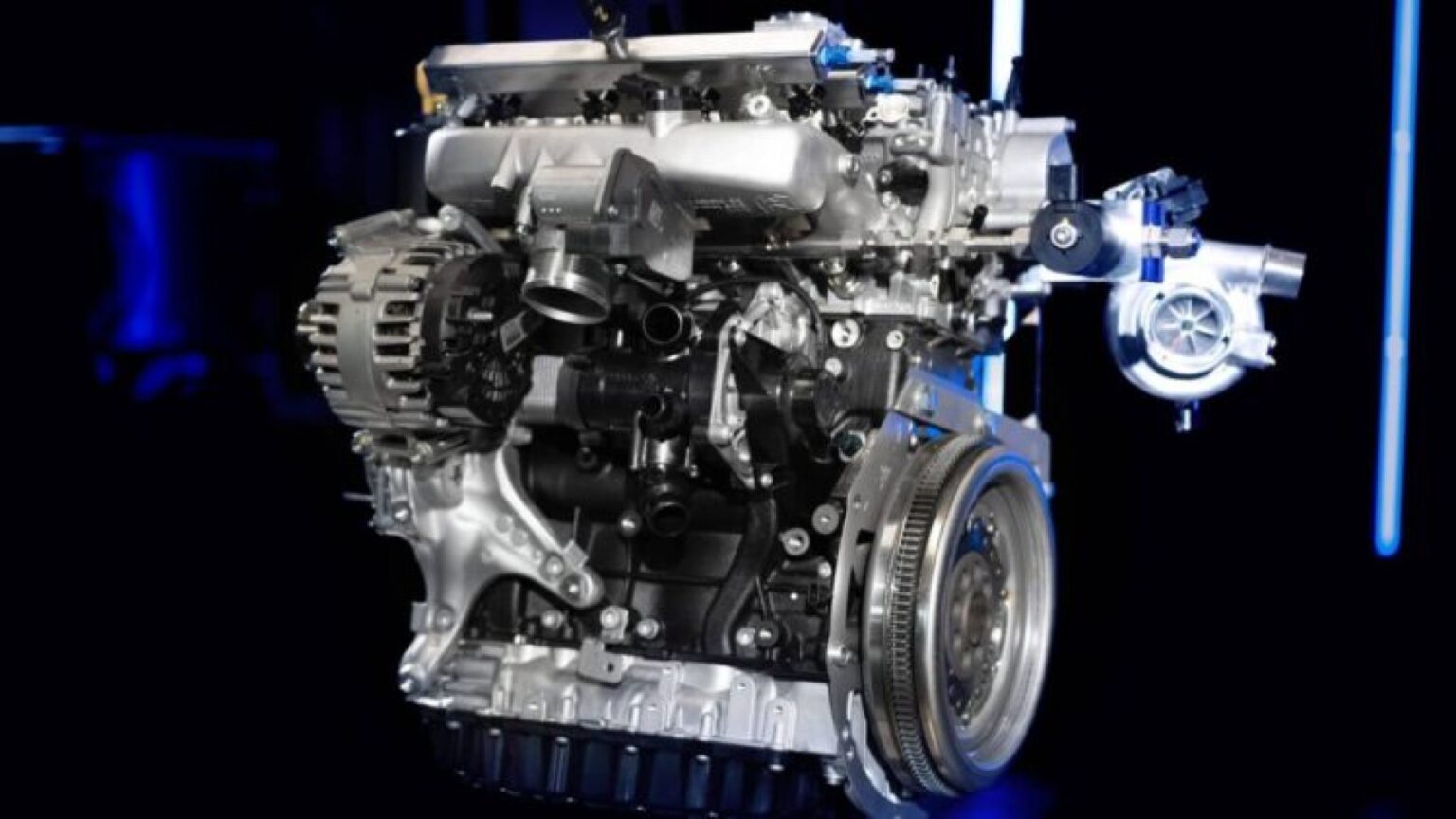
The Hydrogen Revolution: Unlocking Power with Water Engines

Excluding conventional hydrogen from the energy transition landscape presents challenges, but a breakthrough water-powered engine has emerged as a game-changer, setting power records and reshaping the role of hydrogen in decarbonizing the economy.

The production of hydrogen for energy purposes has garnered global interest, with a notable focus on green hydrogen as a promising energy source. Investments in hydrogen production are surging worldwide, with Spain accounting for a significant share of new hydrogen projects in 2022.

Continue reading… “The Hydrogen Revolution: Unlocking Power with Water Engines”

Diamond Breakthrough: Japan Unveils First N-Channel Transistor, Paving the Way for High-Temperature Processors

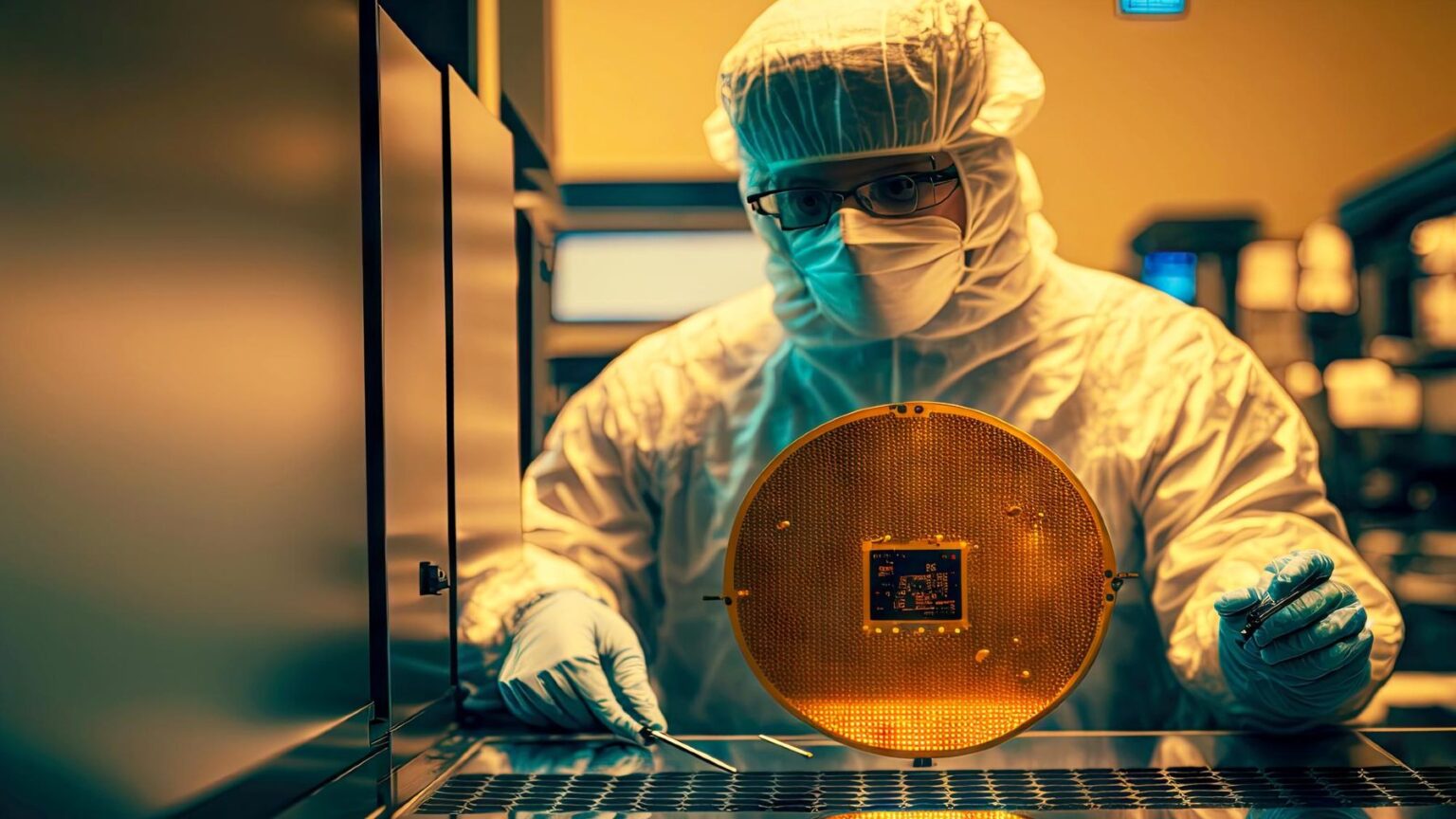
In a pioneering achievement, researchers in Japan have developed the world’s first “n-channel” diamond-based transistor, propelling us closer to processors capable of functioning at ultra-high temperatures. This breakthrough not only eliminates the necessity for direct cooling but also expands the operational range of processors to extreme environments.

By integrating diamond into a transistor—a fundamental component responsible for electrical switching between 1s and 0s when voltage is applied—the research heralds the prospect of smaller, faster, and more energy-efficient electronics. Unlike conventional components, diamond-based transistors exhibit resilience in harsh conditions, withstanding temperatures exceeding 572 degrees Fahrenheit (300 degrees Celsius) and enduring higher voltages before reaching breakdown.

Continue reading… “Diamond Breakthrough: Japan Unveils First N-Channel Transistor, Paving the Way for High-Temperature Processors”

Unveiling SCARF: Revolutionizing Ultrafast Imaging with Femtophotography

In the realm of capturing micro-events unfolding at lightning speed, scientists have introduced SCARF—Swept-Coded Aperture Real-time Femtophotography. This groundbreaking camera, developed by the team at Énergie Matériaux Télécommunications at the Research Centre Institut national de la recherche scientifique (INRS) in Quebec, Canada, is designed to observe phenomena too rapid for conventional sensors to detect. From semiconductor absorption to metal alloy demagnetization, SCARF has ventured into the realm of ultrafast imaging with unprecedented accuracy.

Unlike its predecessors, SCARF operates on passive femtosecond imaging principles, enabling the T-CUP system (Trillion-frame-per-second Compressed Ultrafast Photography) to capture trillions of frames per second. Spearheaded by Professor Jinyang Liang, a trailblazer in ultrafast imaging, this breakthrough builds upon his pioneering work in 2018, laying the foundation for the current project.

Continue reading… “Unveiling SCARF: Revolutionizing Ultrafast Imaging with Femtophotography”

Unveiling the Electric Wonders of Geobacter sulfurreducens: A Microbial Marvel

In the vast spectrum of Earth’s inhabitants, humans enjoy a comfortable existence compared to some extreme organisms. While we don’t endure the vacuum of space like tardigrades or cling to scorching hydrothermal vents like extremophile bacteria, one microbe, Geobacter sulfurreducens, thrives in anaerobic environments deep within the Earth, presenting scientists with a captivating puzzle of survival.

Researchers have long been intrigued by Geobacter’s ability to flourish underground, and recent discoveries shed light on its remarkable adaptation—a microbial electric grid beneath our feet. Geobacter employs nanowires, minuscule electric “hairs,” to transfer excess electrons, connecting with minerals and other microbes to create a biological network conducive to life. Yet, the origin of these electric charges has remained a mystery—until now.

Continue reading… “Unveiling the Electric Wonders of Geobacter sulfurreducens: A Microbial Marvel”

Introducing Power Mole: The Innovative Solution for Outdoor Device Power

California-based inventor Peter Bevelacqua has launched a Kickstarter campaign for his latest creation, the Power Mole, designed to provide power to outdoor devices such as security cameras and decorative lights when outdoor outlets are unavailable.

The Power Mole comprises two puck-shaped components: the transmitter, affixed to the interior surface of a window pane, and the receiver, mounted on the exterior surface. The transmitter is connected to an indoor household outlet, while the receiver is USB hard-wired to the outdoor device. As an alternating electric current passes through the transmitter’s induction coil, it generates a fluctuating magnetic field that penetrates up to 30 mm of glass, inducing an alternating electric current in the receiver’s coil. A built-in rectifier then converts this AC current to DC, effectively powering the connected device.

Continue reading… “Introducing Power Mole: The Innovative Solution for Outdoor Device Power”

The Dawn of the Reverse Microwave: Revolutionizing Kitchen Cooling

Home automation and smart robots have transformed our kitchens, but a crucial element was missing until now: a reverse microwave to cool food instead of heating it. This groundbreaking invention, operational without electricity and emission-free, promises to revolutionize kitchen dynamics.

The absence of a reverse microwave until now can be attributed to the fundamental principles of thermal dynamics. Unlike heat, which can be readily added to objects through various methods, achieving “coolness” requires the removal of heat, dissipating it into the surroundings. The lack of a viable, electricity-free technique for rapid household cooling posed a significant challenge, with existing solutions being either small-scale projects or energy-intensive.

Continue reading… “The Dawn of the Reverse Microwave: Revolutionizing Kitchen Cooling”

Peering Through Walls: Advancements in RF-based Human Activity Monitoring

Machine vision, propelled by artificial intelligence (AI), has revolutionized our ability to interpret images, facilitating tasks ranging from autonomous driving to medical diagnostics. Now, researchers are pushing the boundaries of perception further by harnessing machine learning to observe human activity through walls using low-power radio frequency (RF) signals.

This innovative approach, spearheaded by scientists at institutions like Massachusetts Institute of Technology (MIT) and Washington University in St. Louis, offers a glimpse into unseen realms, enabling insights into daily activities without invasive monitoring devices or cameras.

Continue reading… “Peering Through Walls: Advancements in RF-based Human Activity Monitoring”
Discover the Hidden Patterns of Tomorrow with Futurist Thomas Frey
Unlock Your Potential, Ignite Your Success.

By delving into the futuring techniques of Futurist Thomas Frey, you’ll embark on an enlightening journey.

Learn More about this exciting program.