
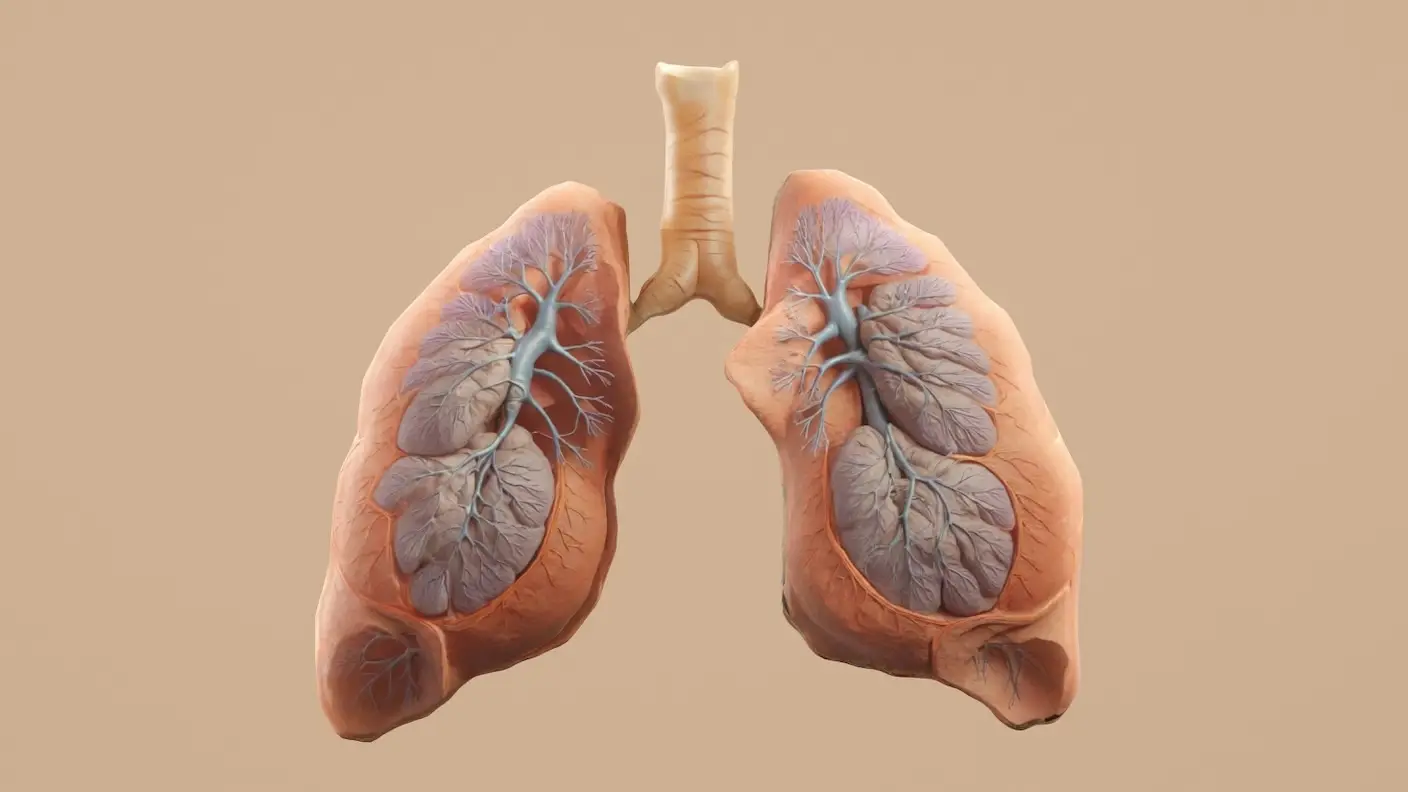
In medicine, some moments arrive that feel like science fiction made real. One of those moments just happened: scientists in China have transplanted a genetically engineered pig lung into a human body—and kept it alive for nine days. Reported in Nature Medicine, this milestone marks the first time a lung from another species has functioned inside a person, and while challenges remain, it signals a future where the global shortage of donor organs may no longer be a death sentence.
Continue reading… “Breathing the Future: The First Pig Lung Transplant Into a Human”The Day You Can “See” Stress With Your Smartphone

What if managing your stress was as simple as snapping a photo? For decades, cortisol—the body’s stress hormone—has been recognized as a central player in human health. It regulates blood pressure, metabolism, immune response, and even sleep cycles. When cortisol is out of balance, the ripple effects touch everything from heart disease to depression. Yet measuring it has always been a cumbersome process, trapped in the world of labs and clinical visits. Now, thanks to a breakthrough in protein design and smartphone integration, that barrier is about to fall.
Continue reading… “The Day You Can “See” Stress With Your Smartphone”The End of Chemo and Radiation? Stem Cell Transplants Enter a New Era

For decades, the road to a stem cell transplant has been paved with toxic compromise. Patients in need of lifesaving transplants have had to endure high-dose chemotherapy or radiation to clear out diseased bone marrow, trading one set of devastating risks for the hope of recovery. The harsh reality: many patients were too fragile to survive the very treatments meant to prepare them for healing. But a breakthrough at Stanford Medicine may mark the beginning of the end for this era. With an antibody-based approach, scientists are showing that stem cell transplants can be performed without toxic chemotherapy or radiation, opening doors to safer and more widely accessible cures.
Continue reading… “The End of Chemo and Radiation? Stem Cell Transplants Enter a New Era”Ice Batteries: Why the Future of Buildings May Be Frozen at Night

The idea sounds deceptively simple: use ice, one of the oldest cooling tricks known to humanity, to help power the future. But this isn’t about tossing cubes into your drink—it’s about freezing entire buildings. Researchers at Texas A&M University are refining “ice batteries,” thermal storage systems that could transform how cities manage energy, shifting demand from peak hours to off-peak times. It’s a vision where skyscrapers and homes alike chill themselves overnight and ride through the hottest hours of the day without straining the grid.
Continue reading… “Ice Batteries: Why the Future of Buildings May Be Frozen at Night”Printing the Future of Housing: Colorado’s Bold Leap Into 3D-Constructed Homes

In Buena Vista, Colorado, the future of housing has quietly arrived. Two residential homes—each roughly 1,100 square feet—have been built not by hammers and saws, but by the steady rhythm of a massive 3D construction printer. The company behind the project, VeroTouch, employed the BOD2 printer from Danish manufacturer COBOD, layering high-performance concrete into full-scale homes that are as durable as they are innovative. This marks the first time residential homes in the state have been completed using large-format 3D printing technology, and the implications are enormous.
Continue reading… “Printing the Future of Housing: Colorado’s Bold Leap Into 3D-Constructed Homes”The Rise of Wearable Robot Jackets: Reimagining Human Movement
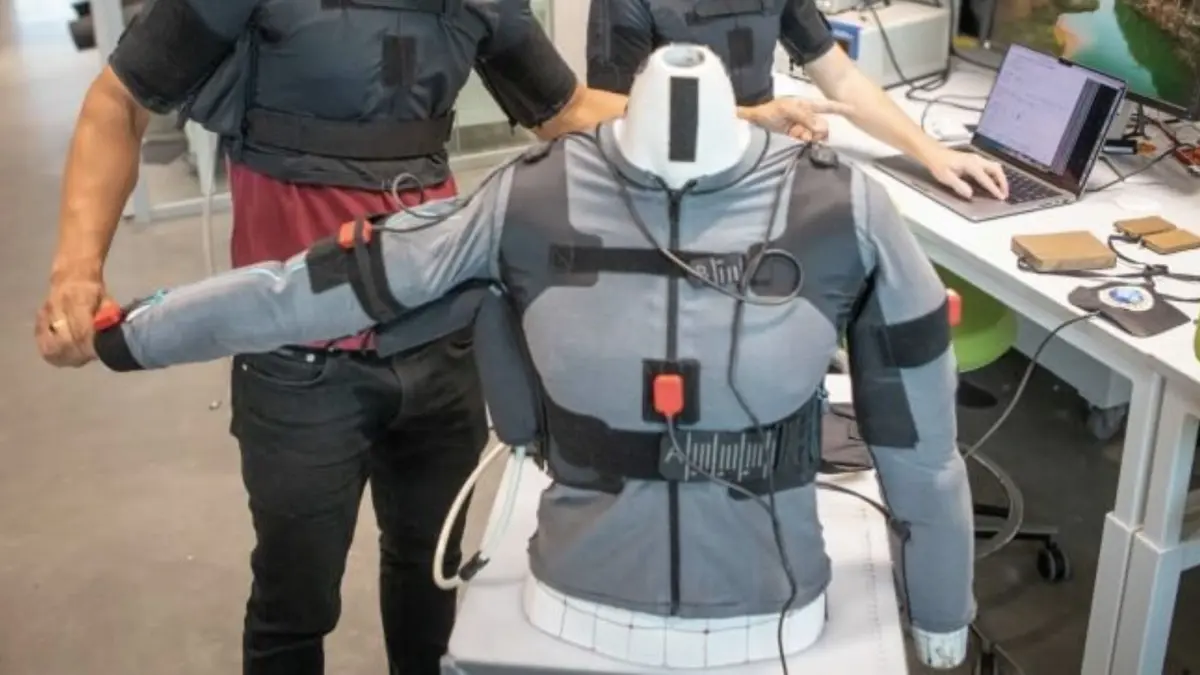
For centuries, humans have turned to tools, braces, and therapy to restore movement after injury or disease. But what if the next stage of mobility isn’t about therapy or external devices, but about slipping into a soft robotic jacket that learns your movements, adapts to your needs, and becomes a seamless extension of your body? That future is no longer science fiction. It is being stitched, wired, and programmed in research labs right now.
Continue reading… “The Rise of Wearable Robot Jackets: Reimagining Human Movement”Goodbye IV Drips, Hello Injection Pens: The Future of Medicine in Seconds
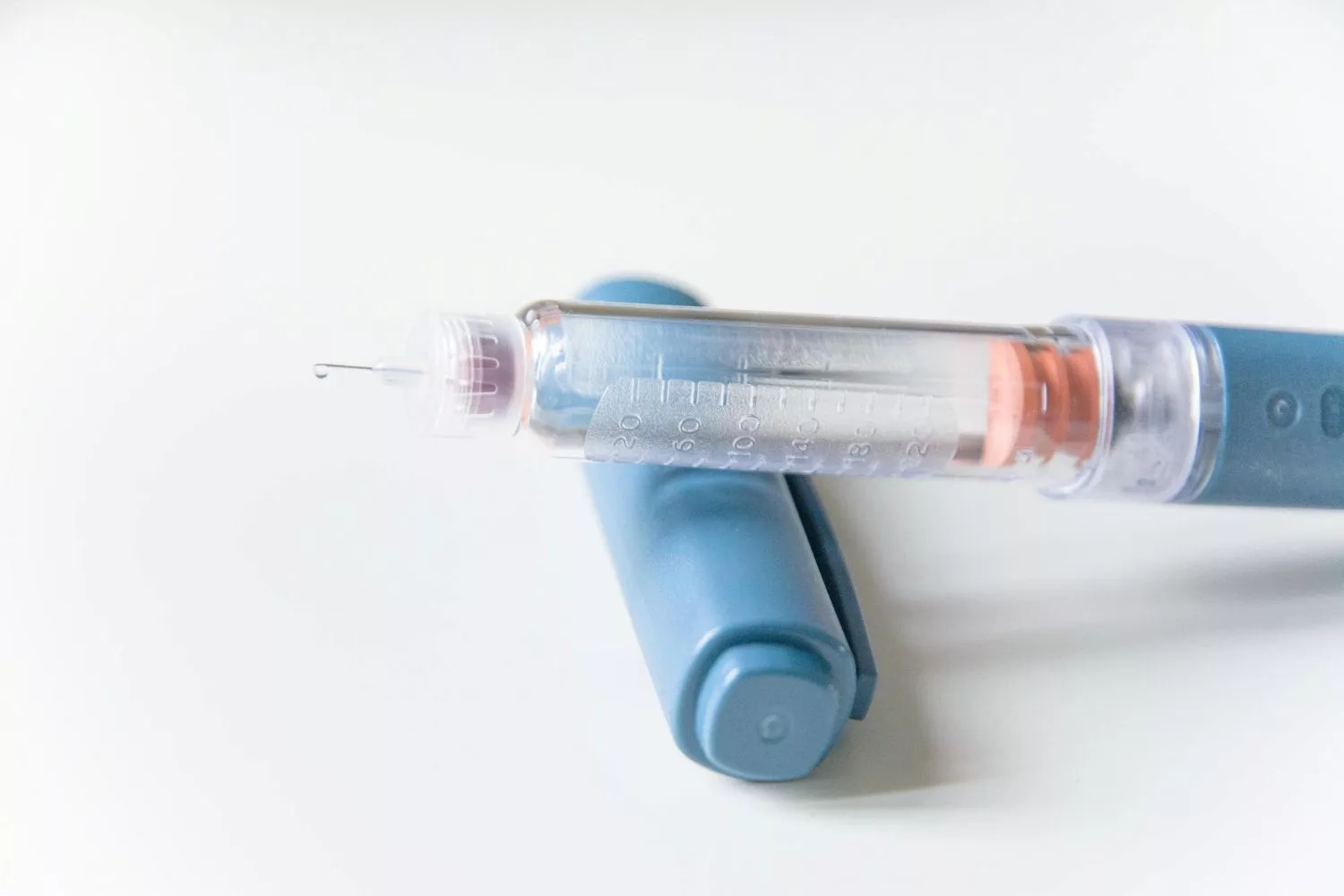
For more than a century, the IV drip has been a medical icon. A patient tethered to a bag of fluid, nurses carefully monitoring the slow infusion, hours passing as lifesaving drugs seep into the bloodstream. It is the picture of modern healthcare—but one that may soon vanish. Stanford researchers have developed a groundbreaking drug delivery platform that could replace IV drips with quick injections, turning long hospital stays into simple at-home treatments. If successful, this may mark the beginning of the end for one of medicine’s most familiar rituals.
Continue reading… “Goodbye IV Drips, Hello Injection Pens: The Future of Medicine in Seconds”The Future of Bunions: From Splints to Smart Bio-Corrections

For centuries, bunions—known medically as hallux valgus—have been an unavoidable source of discomfort for millions of people. The condition, where the big toe drifts inward and forms a painful bump, is so common that entire industries exist around “solutions” ranging from padded shoes to corrective surgery. At the center of non-surgical care are bunion splints, small devices that attempt to realign the toe and ease pressure on the joint. But while splints offer relief, they represent only the beginning of what could be a much larger revolution in foot health. (video)
Continue reading… “The Future of Bunions: From Splints to Smart Bio-Corrections”How Instant Magnetic Seals Could Redefine Industrial Risk
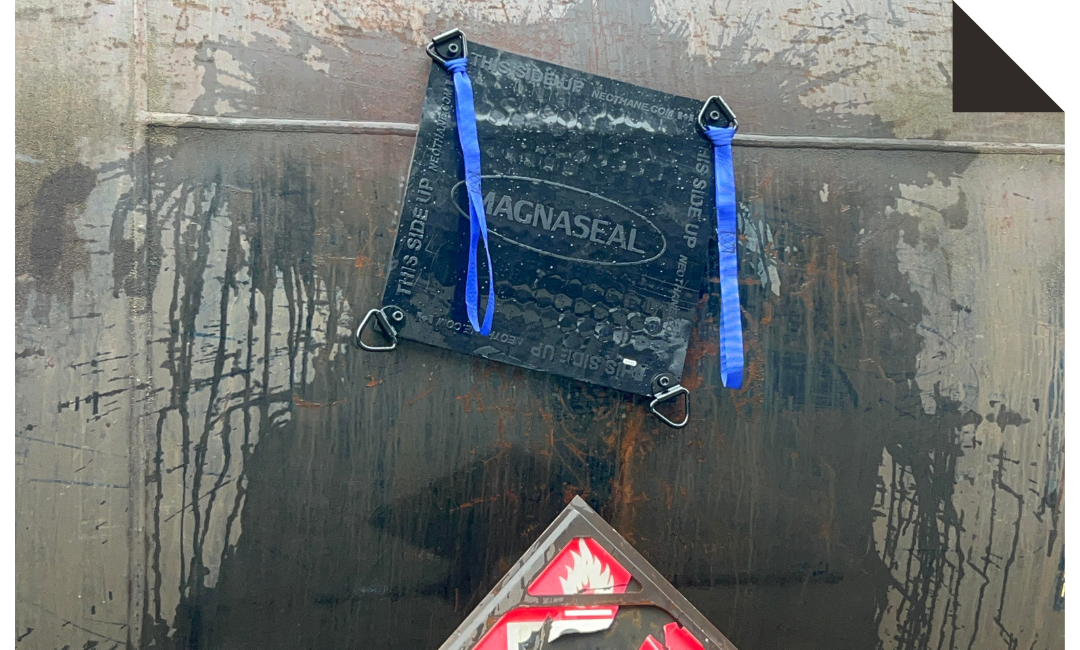
In the high-stakes world of hazardous materials, every second counts. A ruptured tank, a leaking pipe, or a chemical spill doesn’t just disrupt operations—it can cascade into catastrophic damage to equipment, infrastructure, and human health. For decades, first responders have relied on improvised fixes: wooden pegs, putty, or cumbersome bladder systems. These solutions were slow, messy, and often ineffective when time mattered most. But now, a breakthrough product is shifting the paradigm. With the speed of a magnet snapping into place, hazardous leaks can be stopped in seconds. (Video)
Continue reading… “How Instant Magnetic Seals Could Redefine Industrial Risk”AI Will Rewrite History—Literally

For centuries, history has been written by the victors, filtered through the lens of cultural biases, and confined by the limits of human memory and interpretation. But we may be entering an era where history is no longer pieced together solely by scholars and storytellers. Artificial intelligence is beginning to reconstruct the past with a level of precision, speed, and scale that no individual historian—or even entire generations of them—could ever achieve. The story of humanity may soon be told not just by people, but by machines capable of assembling forgotten fragments into a fuller, less biased narrative of who we are.
Continue reading… “AI Will Rewrite History—Literally”The Bandage of the Future: Healing With Electricity Instead of Drugs

At first glance, it looks like nothing more than a strip of fabric. But inside this unassuming wrap is a spark of science powerful enough to change medicine forever. Researchers in Switzerland have developed an “electric bandage” that uses tiny pulses of current to heal wounds up to four times faster than nature would on its own. No drugs, no antibiotics, no invasive procedures—just electricity guiding the body back to wholeness.
Continue reading… “The Bandage of the Future: Healing With Electricity Instead of Drugs”The State of Global Fertility
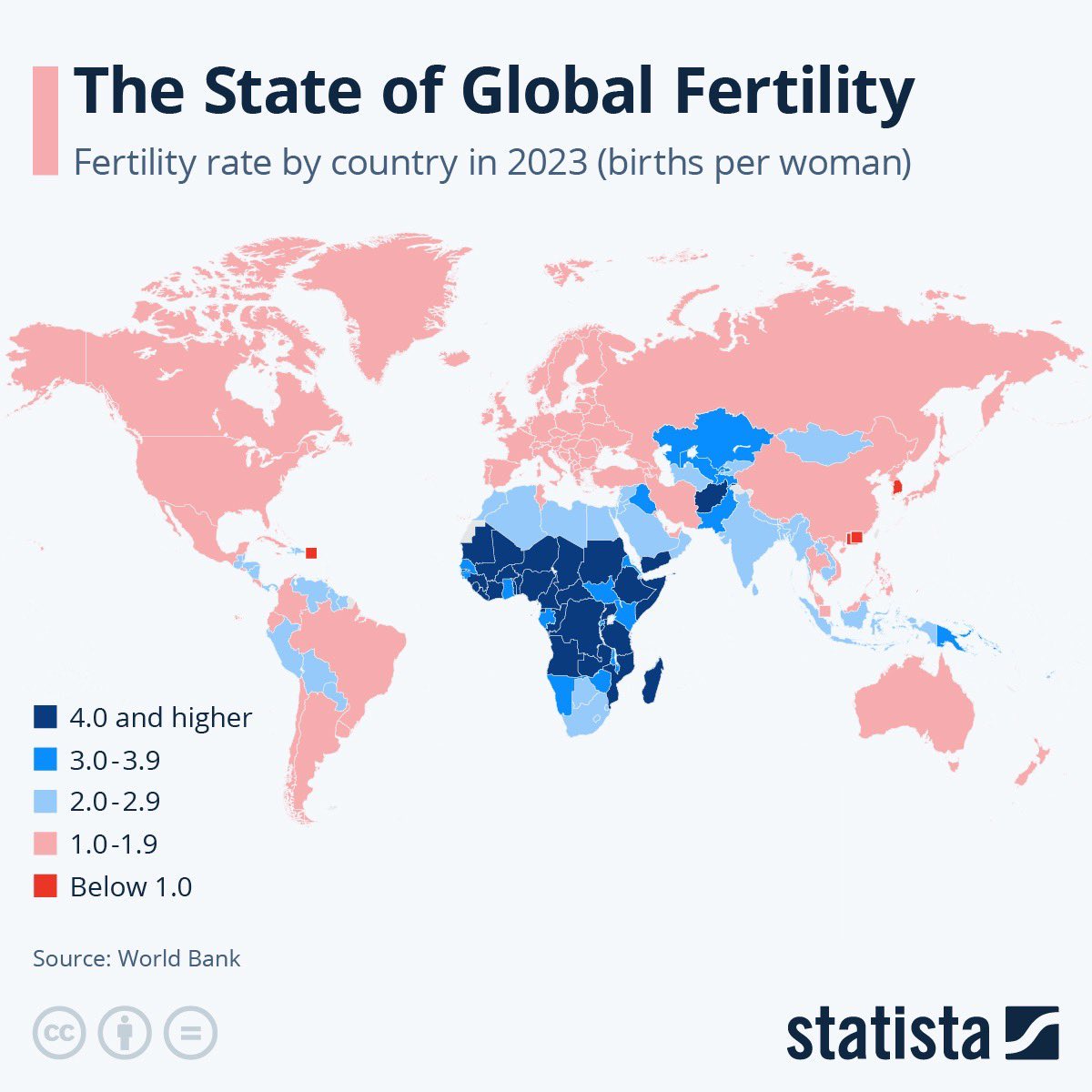
Elon Musk has never been shy about challenging humanity’s assumptions. His latest argument is as provocative as it is urgent: the world needs more people, not fewer. In an age where many nations see their populations shrinking, and where cultural narratives often paint humanity as a burden rather than a blessing, Musk is reframing the conversation. The real battle of our time, he says, is between expansionist and extinctionist philosophies. Do we grow, explore, and multiply, or do we allow civilization to wither into irrelevance?
Continue reading… “The State of Global Fertility”