
By Futurist Thomas Frey
You slide into a Tesla Robotaxi at 11 PM with your golden retriever. Your spouse thinks you’re working late. You tell the destination—your colleague’s apartment across town. Your dog settles on the seat beside you. The doors close. No driver. No witnesses. Just you, your dog, and your secret rendezvous, right?
Wrong. Catastrophically, documentably, permanently wrong.
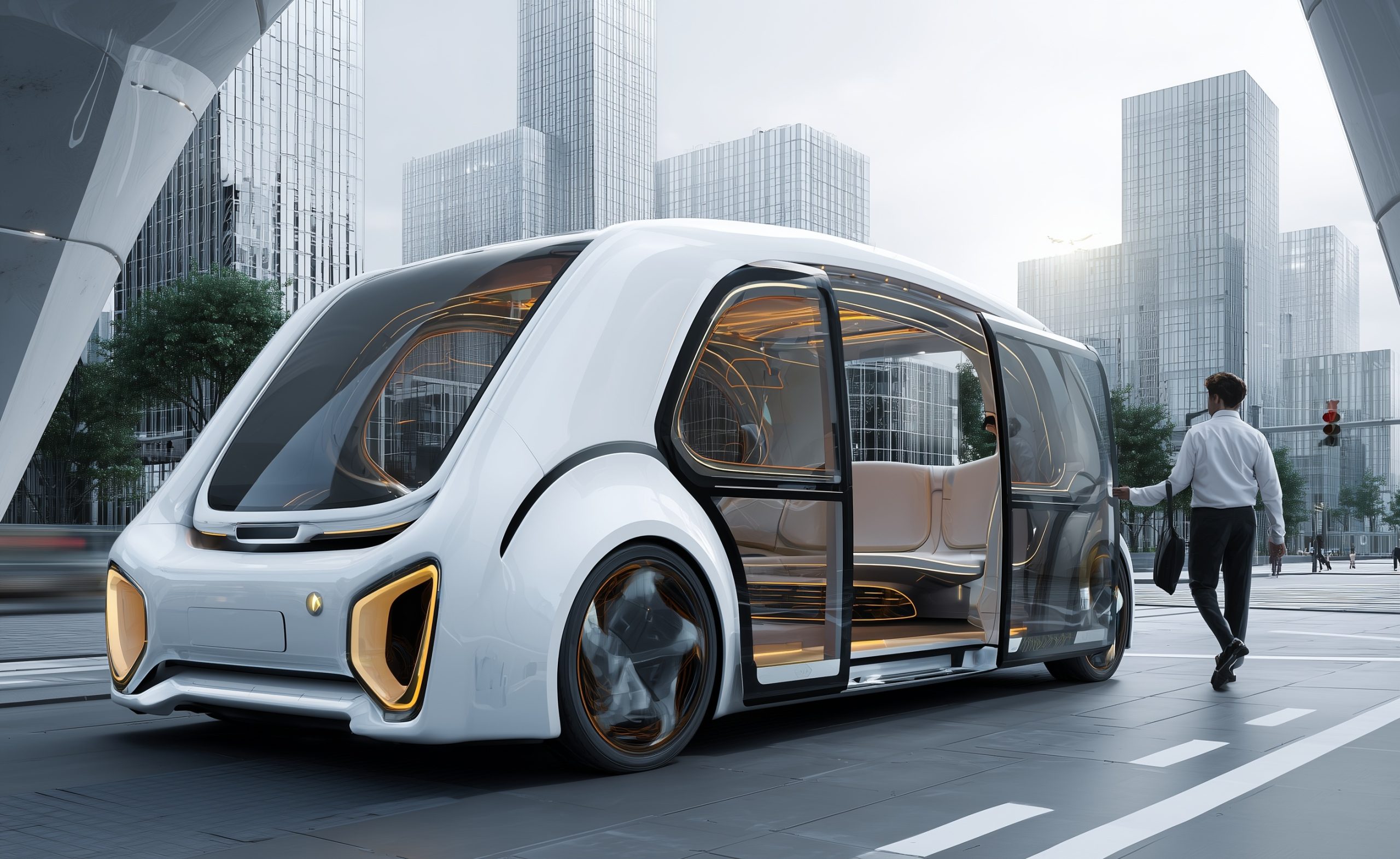
That driverless car isn’t a private space. It’s a rolling surveillance platform with cameras recording interior and exterior, microphones capturing audio (including your dog’s barking), sensors monitoring every movement—human and canine—GPS tracking precise routes, and AI analyzing passenger behavior for safety, liability, and—here’s the part nobody’s talking about—pet-related cleaning fees.
Tesla just announced their Robotaxi cleaning fee structure: $50 for moderate messes like food spills, $150 for severe issues like biowaste or smoking. But here’s what the fine print reveals: pet-related fees start at $75 for dog hair and dander requiring extra cleaning, escalate to $200 for pet accidents, and hit $350 for damage like scratched seats or chewed interior components. Every standard Robotaxi ride with pets is recorded, reviewed, and analyzed. Your dog’s behavior? Documented. Your affair? Recorded. Your pet’s anxiety episode that destroyed the seat fabric? Catalogued, timestamped, billed, and stored.
Welcome to the quirky reality of driverless cars: they’re public transportation masquerading as private space. But here’s the twist—privacy might still exist. You and your pet will just have to pay for it.
Continue reading… “The Driverless Car Paradox: Why Your Robot Taxi Knows Everything About You and Your Dog (Unless You Can Afford Privacy)”


