Space Babies: How Frozen Stem Cells Survived the Harshness of Orbit

The future of human reproduction in space just took a giant leap forward—thanks to some very small passengers.

Japanese researchers at Kyoto University have pulled off an audacious experiment: they cryopreserved mouse spermatogonial stem cells, shipped them to the International Space Station, left them in orbit for six months, brought them back down, thawed them out, and used them to create healthy offspring.

Yes, you read that right—mice conceived from stem cells that had been sitting in space freezers for half a year are alive and well.

Continue reading… “Space Babies: How Frozen Stem Cells Survived the Harshness of Orbit”
Sonic Agriculture: When Robots Start Listening to Your Crops

Robots are learning to hear what we can’t—and it could change farming forever.

At Carnegie Mellon University’s Robotics Institute, researchers have unveiled SonicBoom, a sensing tool that identifies crops not with cameras or lasers, but by listening to their vibrations. Forget the eye: this technology gives robots a new sense—the ability to “feel” and “hear” fruit through the clutter of leaves and branches.

For decades, the Achilles’ heel of farm robotics has been manipulation. Human hands can blindly reach through foliage and grab an apple with ease. Robots? Not so much. Their reliance on cameras makes them clumsy in orchards, where leaves hide fruit and confuse machine vision.

Continue reading… “Sonic Agriculture: When Robots Start Listening to Your Crops”

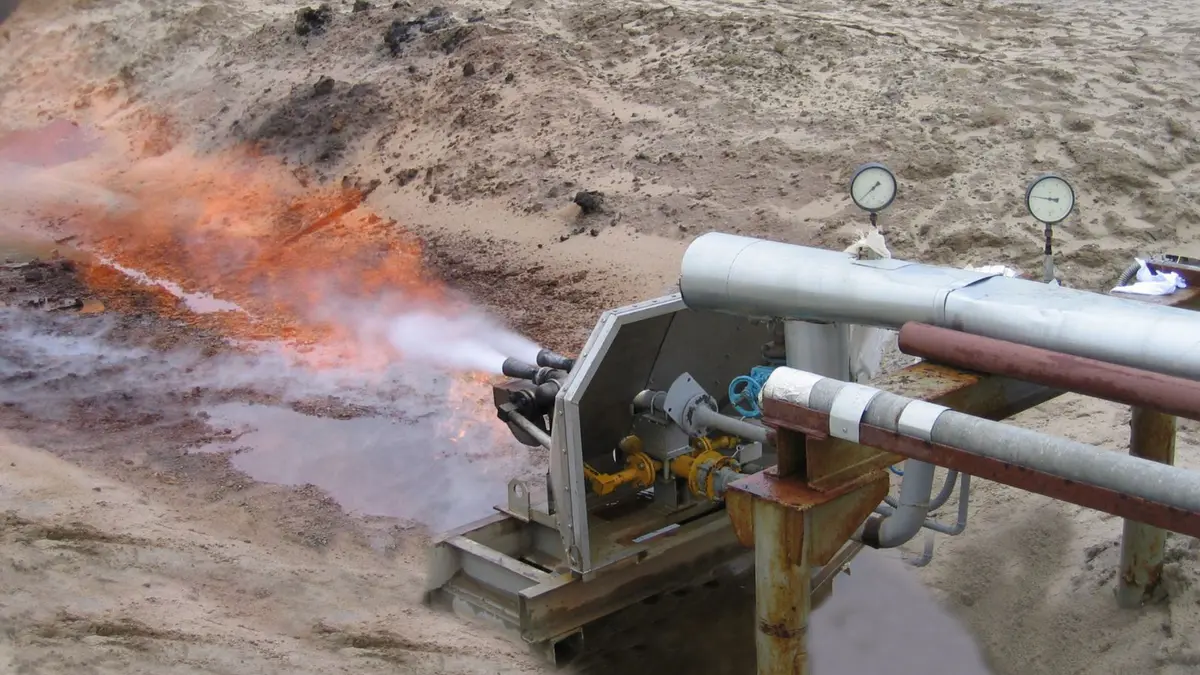
Waste to Power: Why the Next Fuel Revolution Might Come From Trash

The future of fuel might not be hidden in oil fields or lithium mines—it could be hiding in yesterday’s garbage.

Michaela Hissa, PhD, a researcher at Finland’s University of Vaasa, has been pushing the boundaries of what counts as “fuel.” Her work shows that industrial by-products and hazardous waste could be reimagined into clean, drop-in fuels powerful enough to run ships, heavy machinery, and off-road vehicles.

Her dissertation zeroed in on two surprising candidates: renewable naphtha made from crude tall oil (a pulp industry by-product) and marine gas oil refined from recycled lubricants. Both fuels proved ready to power internal combustion engines without costly redesigns or infrastructure overhauls. In other words, they could slip right into today’s fleets.

Continue reading… “Waste to Power: Why the Next Fuel Revolution Might Come From Trash”

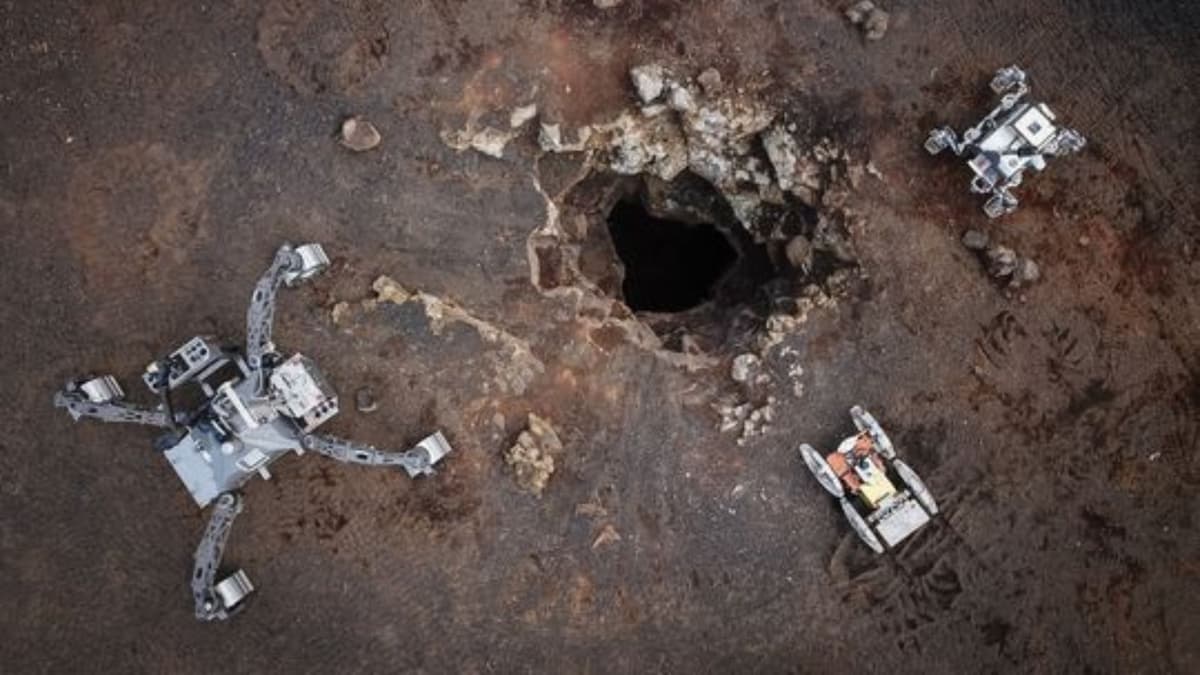
Robots in the Underworld: Lunar Cave Scouts Could Decide Where Humans Live Next

What if the first permanent human homes on Mars or the moon aren’t on the surface at all, but hidden deep beneath the ground in ancient lava tubes?

That’s exactly the frontier a team of scientists is preparing for—by sending autonomous robots into volcanic caves here on Earth. The testing ground: Lanzarote, a volcanic island in Spain’s Canary Islands. Its subterranean passages bear an uncanny resemblance to the underground caverns already confirmed on the moon and suspected on Mars.

Continue reading… “Robots in the Underworld: Lunar Cave Scouts Could Decide Where Humans Live Next”

IVF Reborn: The Stem Cell Hack That Could Rewrite Human Reproduction

For decades, IVF has felt like medicine stuck in amber—expensive, exhausting, and punishingly hard on women’s bodies. Hormone injections, egg harvesting, endless cycles of hope and disappointment: the emotional toll has always outweighed the technological progress.

Now, a young biotech named Gameto is dragging fertility treatment into the 21st century with a radical shift: maturing eggs outside the body using lab-grown ovarian support cells built from stem cells. It’s not science fiction—it’s already produced a live human birth.

Continue reading… “IVF Reborn: The Stem Cell Hack That Could Rewrite Human Reproduction”

Pollination Gets Automated: China’s Leap Into Robotized Farming

For centuries, farmers and scientists have relied on tedious, manual methods of cross-pollination to create new, hardier crops. But now China has dropped a technological bombshell: GEAIR, the world’s first autonomous AI-powered hybrid pollination robot. It doesn’t just mimic human labor—it outpaces it, promising to slash breeding costs, accelerate crop cycles, and inject near-perfect precision into a process once defined by trial and error.

Built by researchers at the Institute of Genetics and Development Biology, GEAIR combines AI, robotics, and gene editing into one closed-loop breeding machine. In a greenhouse trial, the robot proved it could identify a flower, extend a delicate robotic arm, and transfer pollen with inch-perfect accuracy—an act that once demanded painstaking human attention. The implications are staggering: hybrid seeds that once took years to develop could be created in a fraction of the time.

Continue reading… “Pollination Gets Automated: China’s Leap Into Robotized Farming”

Supersonic Without the Sonic Boom: The Jet That Could Shrink the Atlantic

The dream of supersonic travel didn’t die with the Concorde—it just went quiet. Literally. A Boston-based aerospace firm, Spike Aerospace, claims its upcoming S-512 Diplomat business jet will fly from New York to Paris in under four hours—without shattering windows or rattling eardrums along the way.

That’s the breakthrough. Since 1973, supersonic flight over U.S. territory has been banned because of the disruptive sonic booms that rattled cities and outraged regulators. If Spike delivers on its promise of a “low-boom” jet, it won’t just shrink the map—it will reopen airspace that’s been locked down for half a century.

Continue reading… “Supersonic Without the Sonic Boom: The Jet That Could Shrink the Atlantic”

The Protein That Could Turn Carbon Monoxide Poisoning from a Death Sentence into a Treatable Emergency

Carbon monoxide—the silent killer—claims 1,500 lives a year in the U.S. and sends 50,000 people to the emergency room. It seeps in without smell, taste, or warning, hijacking the body’s oxygen supply in minutes. For decades, our only defense has been to pump victims full of pure oxygen, sometimes in high-pressure chambers, and hope it’s not too late.

Now, a team at the University of Maryland School of Medicine may have cracked the code for a true antidote—one that doesn’t just help the body cope but actively hunts down and removes the toxin.

Continue reading… “The Protein That Could Turn Carbon Monoxide Poisoning from a Death Sentence into a Treatable Emergency”

The Self-Vanishing Heart Patch That Heals From Within

For centuries, heart surgery has been an engineering challenge wrapped inside a biological mystery. The heart is not only the most vital muscle in the body—it’s also the most unforgiving. Every beat is a test of strength, resilience, and precision. Now, a team of researchers has unveiled a breakthrough that could change cardiac repair forever: a bioengineered heart patch that seals, heals, and then… disappears.

Continue reading… “The Self-Vanishing Heart Patch That Heals From Within”

The “Master Key” Protein That Could Unlock Human Memory

What if the difference between losing your memories and keeping them sharp for decades came down to one overlooked protein?

Researchers at Rutgers University believe they may have found exactly that—a molecular “master key” called cypin that could redefine how we approach brain health, learning, and recovery after injury.

For more than two decades, neuroscientist Bonnie Firestein has been obsessed with this underappreciated protein. Her team’s latest findings reveal that cypin isn’t just a passive player in the brain—it’s an active architect, organizing and protecting the molecular machinery that keeps neurons talking to each other.

Continue reading… “The “Master Key” Protein That Could Unlock Human Memory”

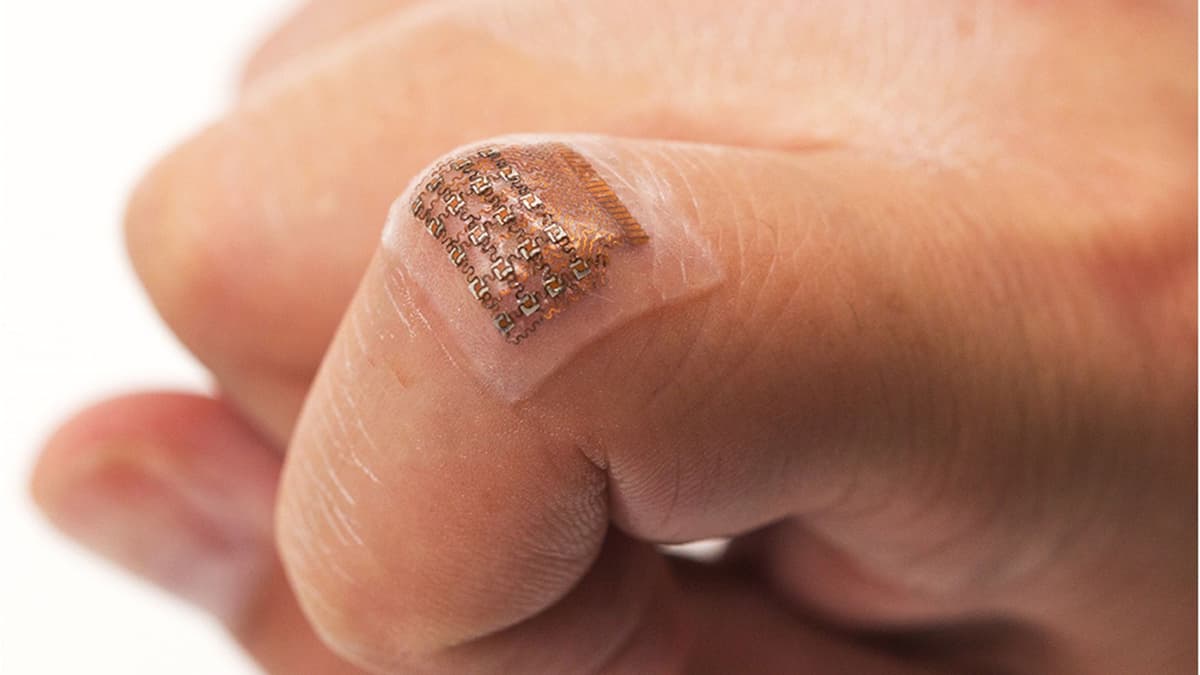
The Wearable That Could End the Era of the Blood Pressure Cuff

For more than a century, checking your blood pressure has meant wrapping a cuff around your arm, squeezing it until your fingers tingle, and sitting perfectly still while a machine spits out two numbers. Useful? Sure. Practical for real-time monitoring? Not even close.

That static, one-off measurement leaves doctors with an incomplete picture of what’s happening inside your arteries during the other 23 hours and 59 minutes of your day. And it’s part of why hypertension—one of the world’s most common and deadly conditions—still blindsides millions of people.

Continue reading… “The Wearable That Could End the Era of the Blood Pressure Cuff”

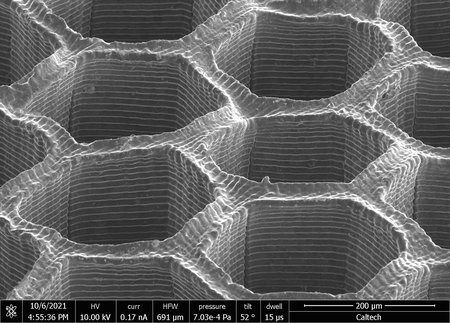
Metal Alchemy at the Speed of Light: Caltech’s 3D Printing Breakthrough Rewrites the Rules of Alloy Design

For centuries, metallurgy has been a slow, brute-force art—smelting, mixing, hammering, and hoping the end product has the right properties. But Caltech scientists have just detonated that tradition with a breakthrough that turns metalmaking into a precision craft, letting researchers dial in alloy compositions like a DJ spinning tracks.

Their new approach, an extension of hydrogel-infusion additive manufacturing (HIAM), doesn’t just make parts—it engineers metal at the atomic scale. The process starts with a 3D-printed hydrogel scaffold, which is soaked in metallic salt solutions. The hydrogel burns away in a high-heat calcination process, leaving behind metal oxides. Then, under a hydrogen-rich environment, oxygen is stripped out and the final alloy emerges—dense, strong, and shaped exactly as designed.

Continue reading… “Metal Alchemy at the Speed of Light: Caltech’s 3D Printing Breakthrough Rewrites the Rules of Alloy Design”
Discover the Hidden Patterns of Tomorrow with Futurist Thomas Frey
Unlock Your Potential, Ignite Your Success.

By delving into the futuring techniques of Futurist Thomas Frey, you’ll embark on an enlightening journey.

Learn More about this exciting program.