Revolutionary Carbon-Cement Supercapacitor Could Transform Energy Storage

Researchers at MIT, led by Damian Stefaniuk, have developed a groundbreaking material that could revolutionize energy storage. By combining water, cement, and carbon black—a highly conductive material commonly used in car tires—Stefaniuk and his team created a supercapacitor with the potential to significantly impact renewable energy storage.

Unlike lithium-ion batteries, supercapacitors are not ideal for long-term energy storage but excel at rapid charging and discharging. This makes them an intriguing complement to conventional batteries. The novel carbon-cement supercapacitor developed by Stefaniuk’s team could alleviate pressure on the electrical grid by providing efficient storage solutions for green energy, which often fluctuates throughout the day.

Continue reading… “Revolutionary Carbon-Cement Supercapacitor Could Transform Energy Storage”
The Future of Markets: Blockchain, Tokenization, and Financial Innovation

Blockchain and cryptoassets have not only revolutionized innovation and wealth creation globally but also sparked discussions on the future evolution of markets and payments. In the United States, these conversations have gained momentum, particularly as the Presidential election approaches. However, the broader point is that the advantages of blockchain and tokenized payments—faster, instantaneous, and cheaper transactions and record-keeping—are clear to both individuals and institutions. The next phase of these discussions, the tokenization and digitization of all assets, marks a significant advancement for blockchain, cryptoassets, and the broader opportunities of tokenization.

Despite the promise and reality of cryptoassets, the marketplace for these assets remains relatively small compared to traditional financial (TradFi) assets and markets. Tokenizing these assets has the potential to shift this dynamic. BlackRock, for example, estimates—and is investing in—initiatives to realize up to $10 trillion in value from the tokenization of real-world assets (RWA). Nevertheless, even with significant investment and interest, regulation or guardrails are necessary to ensure these efforts are successful.

Continue reading… “The Future of Markets: Blockchain, Tokenization, and Financial Innovation”

China Installs World’s Largest 18 MW Wind Turbine

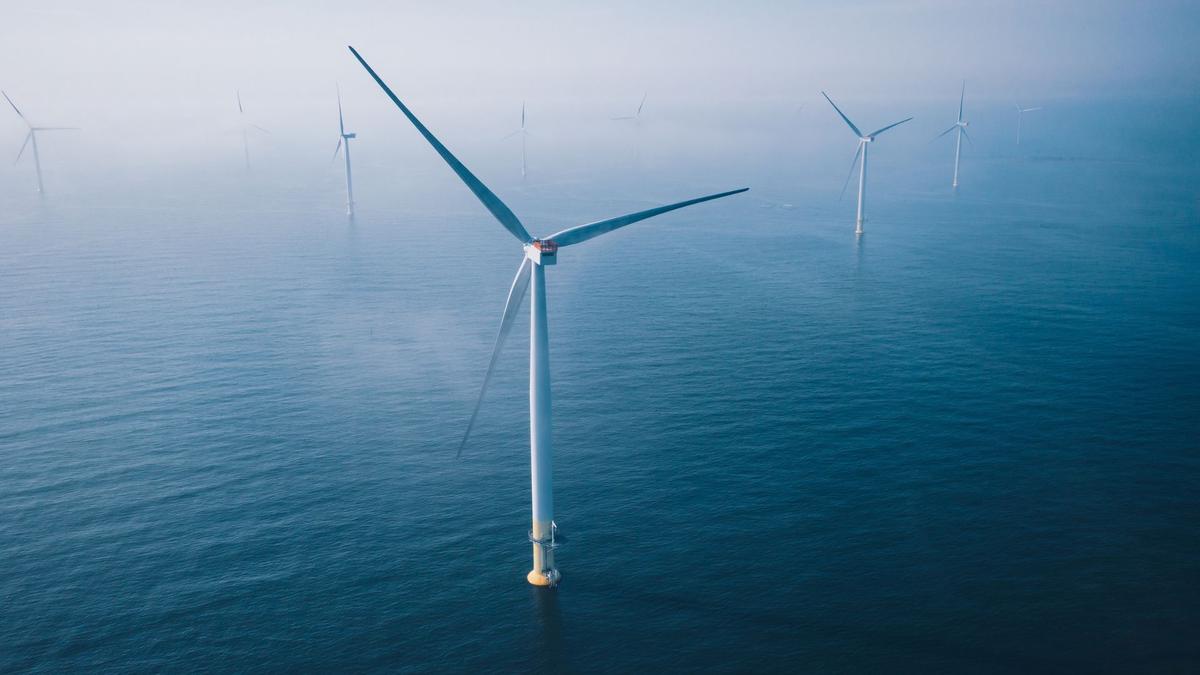
In a groundbreaking achievement, China has successfully installed an 18 MW wind turbine, the largest in the world by power rating. This monumental feat was accomplished by the state-owned Dongfang Electric Corporation on June 5 at a coastal test base in South China’s Guangdong province.

As the global push towards renewable energy intensifies, wind turbines are becoming increasingly vital. Original equipment manufacturers (OEMs) are now focused on building larger and more efficient turbines to harness the powerful winds of the seas, capable of supplying energy to numerous households with each rotation.

Continue reading… “China Installs World’s Largest 18 MW Wind Turbine”

Plasma Proteomics: A New Frontier in Sepsis Diagnosis and Prognosis

Analyzing the plasma proteins of patients with sepsis can provide critical insights into the severity and prognosis of the condition, researchers report. Their findings demonstrate how affordable, high-throughput proteomics using mass spectrometry (MS) can effectively map the plasma proteome, revealing differences in patient responses.

The study, published in Science Translational Medicine, identified three distinct clusters of sepsis patients based on their plasma proteomes. These clusters were indicative of the patients’ response states, disease severity, and outcomes. The researchers found that a patient’s assignment to a particular cluster could change over time, suggesting potential applications for therapeutic intervention and disease progression monitoring.

Continue reading… “Plasma Proteomics: A New Frontier in Sepsis Diagnosis and Prognosis”

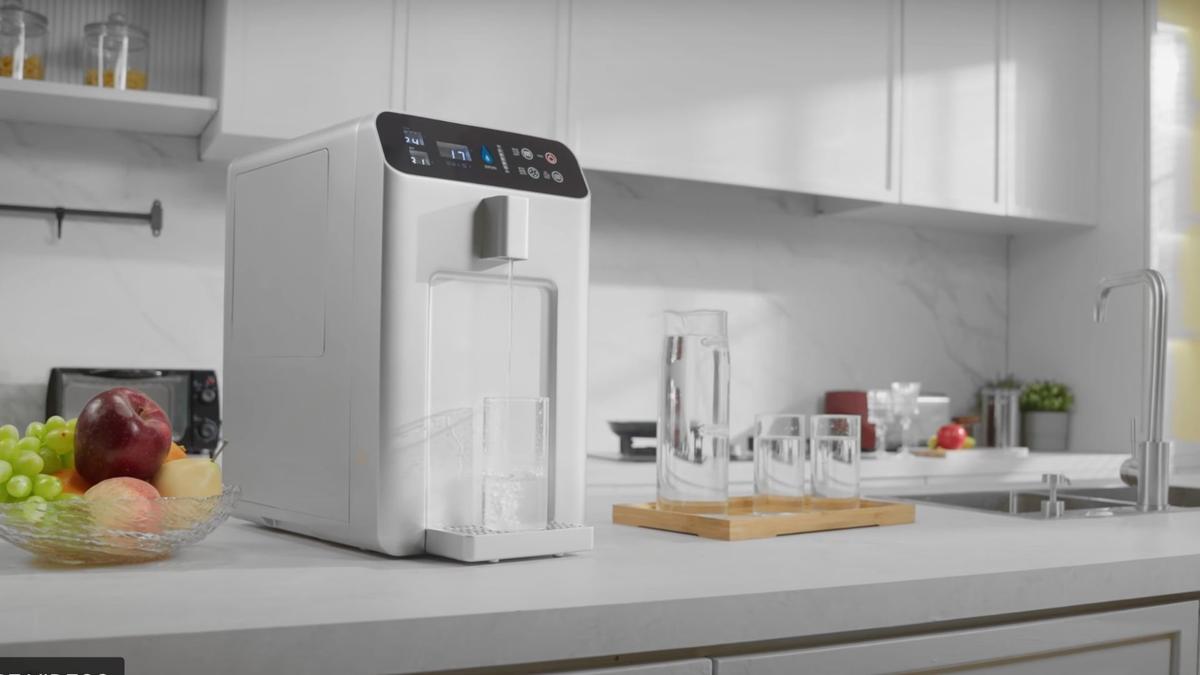
DrinkingMaker Unveils Solar-Powered Water Dispenser That Extracts Water from Air

A new trend in green technology focuses on converting energy from water or air into drinkable water. DrinkingMaker, an innovative company, is set to launch DrinkingWater, a solar-powered, multifunctional dispenser that extracts water from the air.

Amid the climate crisis and increasing water scarcity, DrinkingMaker drew inspiration from desert beetles and cacti to develop DrinkingWater, an advanced air-to-water (AWD) dispenser. This new technology is designed to yield up to 19 liters of water per day and offers optional mineral-rich filter cartridges, allowing users to customize their mineral water to personal preferences.

Continue reading… “DrinkingMaker Unveils Solar-Powered Water Dispenser That Extracts Water from Air”

AI-Powered Superconducting Magnet Breakthrough Promises Affordable MRIs and Future Electric Transport

In a potential game-changer for affordable magnetic resonance imaging (MRI) machines and future electrified transport systems, scientists have developed the world’s strongest iron-based superconducting magnet using artificial intelligence (AI).

Superconducting magnets are highly valued for their ability to produce strong and stable magnetic fields without significant power consumption. This capability is crucial for technologies such as MRIs, which rely on magnetic fields to generate clear, three-dimensional images of soft tissue.

Continue reading… “AI-Powered Superconducting Magnet Breakthrough Promises Affordable MRIs and Future Electric Transport”

Breakthrough in Dementia Prediction: New Method Boasts Over 80% Accuracy Up to Nine Years Before Diagnosis

A new method for predicting dementia, developed by researchers at Queen Mary University of London, has demonstrated over 80% accuracy and can identify the onset of the condition up to nine years before a formal diagnosis. This innovative approach surpasses traditional methods such as memory tests and measurements of brain shrinkage, which are currently used to diagnose dementia.

The significance of this advancement is underscored by the global impact of dementia, which affects over 55 million people worldwide. Early and accurate diagnosis has been a longstanding challenge in the medical community.

Continue reading… “Breakthrough in Dementia Prediction: New Method Boasts Over 80% Accuracy Up to Nine Years Before Diagnosis”

Coinbase Introduces Smart Wallets, Heralding Web3’s “iPhone Moment”

Crypto giant Coinbase has announced the launch of its smart wallets, which it is calling Web3’s “iPhone moment,” aiming to onboard over a billion users onchain. This announcement was highlighted by Luke Youngblood, founder of Base-native lending application Moonwell, in an interview with Unchained.

Unlike traditional wallets that rely on passwords, third-party installations, or seed phrases to recover private keys, smart wallets offer enhanced security through passkeys. Traditional wallets use a private key to sign transactions, whereas smart wallets utilize passkeys often based on biometric identification methods like facial recognition or fingerprints.

Continue reading… “Coinbase Introduces Smart Wallets, Heralding Web3’s “iPhone Moment””

Quantum Computing Breakthroughs Could Lead to “Electronic Nose” Smartwatches and Expanded Human Consciousness

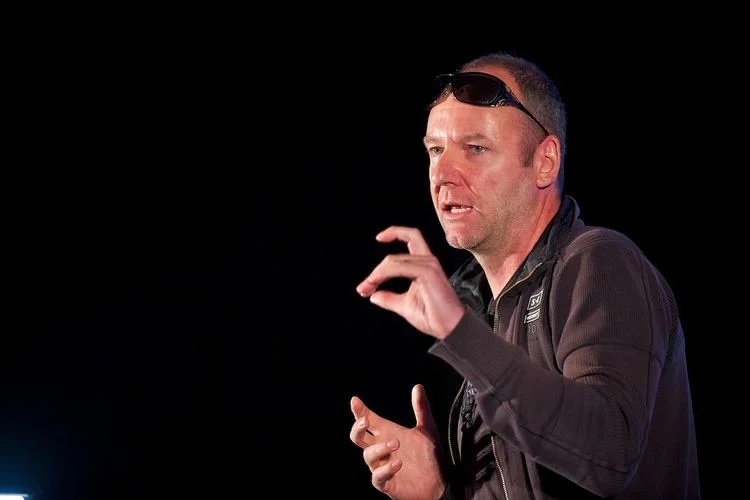
Future quantum computing technology could bring us an “electronic nose” on smartwatches capable of detecting dangerous viruses in the air or allergens in food, and might even expand human consciousness in space and time. These revelations were shared by Hartmut Neven, founder and manager of Google’s Quantum Artificial Intelligence Lab, in a recent TED Talk as part of The Brave and the Brilliant series.

Neven announced that Google is finalizing the design of an algorithm that may lead to the first commercial applications for quantum computing. “This quantum algorithm performs signal processing to enable new ways to detect and analyze molecules using nuclear electronic spin spectroscopy,” he explained.

Continue reading… “Quantum Computing Breakthroughs Could Lead to “Electronic Nose” Smartwatches and Expanded Human Consciousness”

Revolutionary 3D Nano-Printing Miniaturizes Photonic Lantern for High-Speed Communication and Advanced Imaging

3D nano-printing is revolutionizing photonics with the development of a miniaturized photonic lantern, a device merely 100 micrometers in size. This innovation promises to transform the manipulation of light waves, paving the way for future high-speed communication and advanced imaging techniques.

Traditionally, manipulating light waves required bulky equipment, limiting its application to high-end settings. The new 3D-printed photonic lantern offers a dramatic reduction in size and can be directly printed onto fiber optic tips or any solid substrate, seamlessly integrating into existing systems. This compact design opens doors for broader adoption across various technological contexts.

Continue reading… “Revolutionary 3D Nano-Printing Miniaturizes Photonic Lantern for High-Speed Communication and Advanced Imaging”

AI Reduces Radiologists’ Workload and Improves Breast Cancer Screening Efficiency

Researchers at the University of Copenhagen have demonstrated that using a commercially available AI system can reduce the workload of radiologists by over 33% while enhancing the overall performance of breast cancer screenings.

Mammography exams are routinely used for early detection of breast cancer, significantly reducing mortality rates. However, these exams create a substantial workload for radiologists, who must read numerous mammograms, most of which do not warrant patient recall. “The reading workload is further compounded when screening programs employ double reading to improve cancer detection and decrease false-positive recalls,” said Andreas D. Lauritzen, PhD, a researcher at the University of Copenhagen and Gentofte Hospital in Denmark. Recalling women for further tests also increases the workload, a challenge exacerbated by the shortage of specialized breast radiologists.

Continue reading… “AI Reduces Radiologists’ Workload and Improves Breast Cancer Screening Efficiency”

New Breakthrough in Treating Age-Related Macular Degeneration

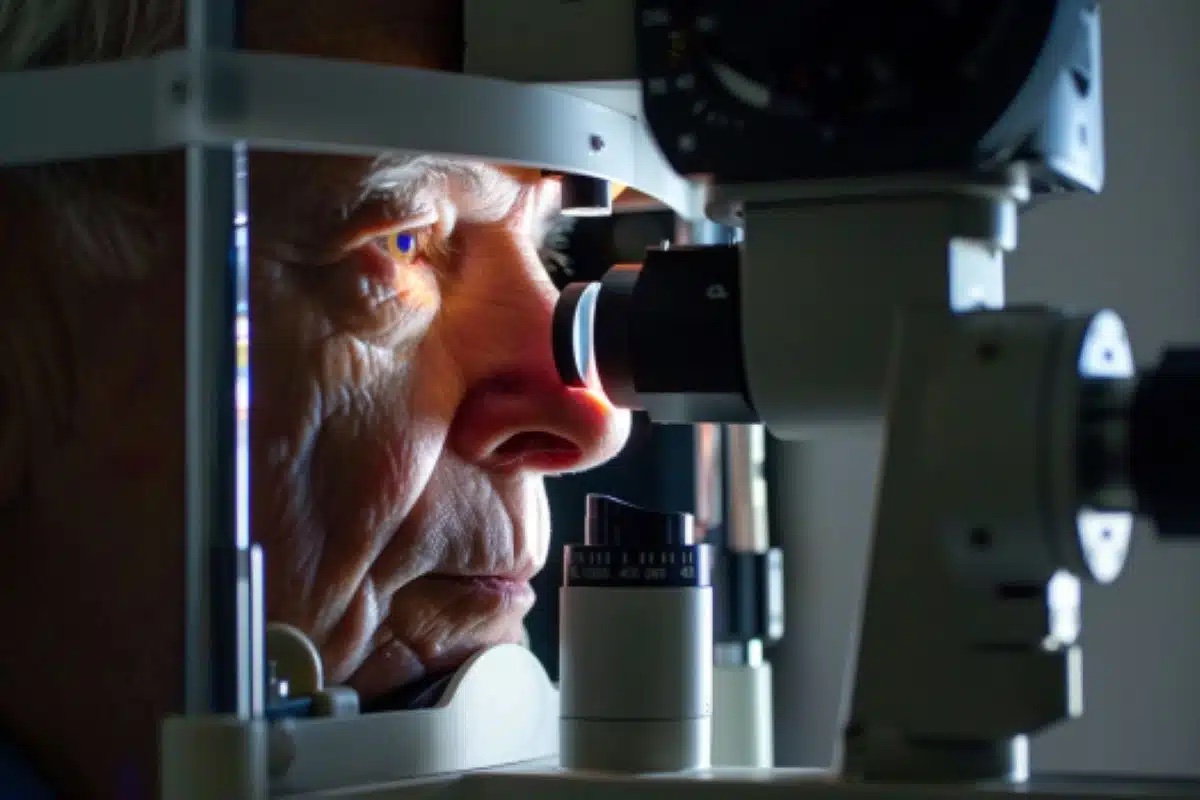
Cirrus Therapeutics, the University of Bristol, and London’s Global University Institute of Ophthalmology have unveiled a revolutionary treatment for age-related macular degeneration (AMD), the leading cause of vision loss among older adults. Highlighted on the cover of Science Translational Medicine, this groundbreaking research shows that increasing levels of a specific protein, IRAK-M, in retinal cells could offer a highly effective therapy for AMD.

AMD severely impacts vision, starting with blurred sight or a central black dot, which can expand, leading to complete central vision loss. Currently, around 200 million people worldwide suffer from AMD, with projections suggesting this number will rise to 288 million by 2040 due to aging populations. The exact cause of AMD is complex, involving a mix of aging, environmental, and lifestyle factors.

Continue reading… “New Breakthrough in Treating Age-Related Macular Degeneration”
Discover the Hidden Patterns of Tomorrow with Futurist Thomas Frey
Unlock Your Potential, Ignite Your Success.

By delving into the futuring techniques of Futurist Thomas Frey, you’ll embark on an enlightening journey.

Learn More about this exciting program.