Author: admin

Ambient Scientific Unveils Sparsh AI Module: Revolutionizing Battery-Powered On-Device AI

Ambient Scientific has introduced its innovative AI module, the Sparsh board, which operates on a coin cell battery, enabling a wide range of on-device AI applications. The module is designed to power tasks such as human activity recognition, voice control, and acoustic event detection, all while offering the remarkable capability to run for months without the need for frequent battery replacements.

The Sparsh board is equipped with a variety of components, including motion sensors, a digital microphone, a Bluetooth Low-Energy (BLE) module, and more. This makes it an ideal tool for developers looking to quickly prototype battery-operated AI applications.

Continue reading… “Ambient Scientific Unveils Sparsh AI Module: Revolutionizing Battery-Powered On-Device AI”
Cyanobacteria Pave the Way for Sustainable Plastics Production Using CO2

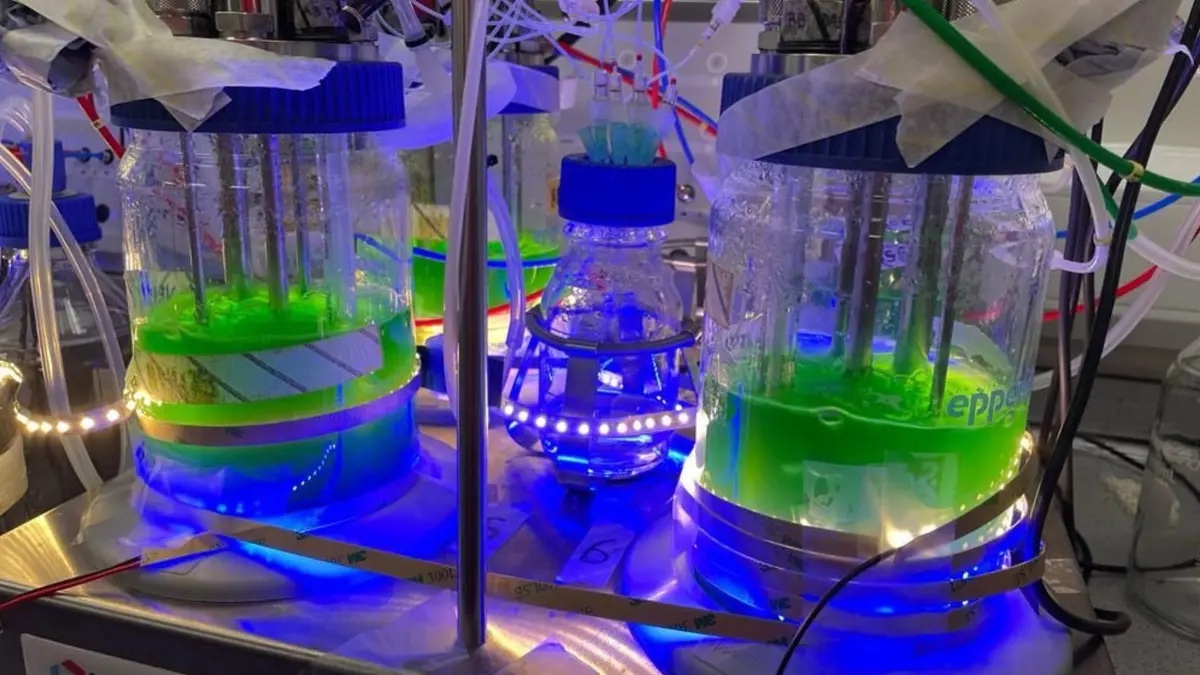
Cyanobacteria, also known as blue-green algae, have emerged as a promising tool in the development of sustainable plastics, such as Perspex, by producing citramalate—a key component in plastic production. Researchers from the University of Manchester have demonstrated that these photosynthetic microorganisms can convert CO2, a major greenhouse gas, into valuable materials. This breakthrough could accelerate the creation of eco-friendly plastic alternatives traditionally made from fossil fuel-derived chemicals, supporting the transition to a circular bioeconomy that reduces waste and carbon emissions.

Cyanobacteria are tiny organisms that harness sunlight to convert CO2 into organic matter, offering a sustainable method to produce valuable products without relying on agricultural resources like sugar or corn. Despite their potential, the slow growth and limited efficiency of cyanobacteria have hindered their large-scale industrial use.

Continue reading… “Cyanobacteria Pave the Way for Sustainable Plastics Production Using CO2”

Groundbreaking Quantum Communication Discovery Could Revolutionize Network Infrastructure

Imagine trying to float a soap bubble through a sandstorm without it popping. This is a rough analogy for the extraordinary achievement of Northwestern University researchers in the field of quantum communications. Instead of a delicate soap bubble, these scientists have successfully protected individual particles of light—carrying quantum information—from being overwhelmed by conventional internet traffic.

For years, experts believed that quantum communications would require a completely separate infrastructure, isolated from the busy highways of traditional internet traffic. However, these researchers have proven otherwise, demonstrating that quantum and classical signals can coexist on the same fiber optic cables without disrupting each other. This breakthrough is poised to accelerate the development of quantum networks, offering a more practical and cost-effective route for the future of communication.

Continue reading… “Groundbreaking Quantum Communication Discovery Could Revolutionize Network Infrastructure”

South Korean Researchers Develop Microrobots That Collaborate Like Ants for Complex Tasks

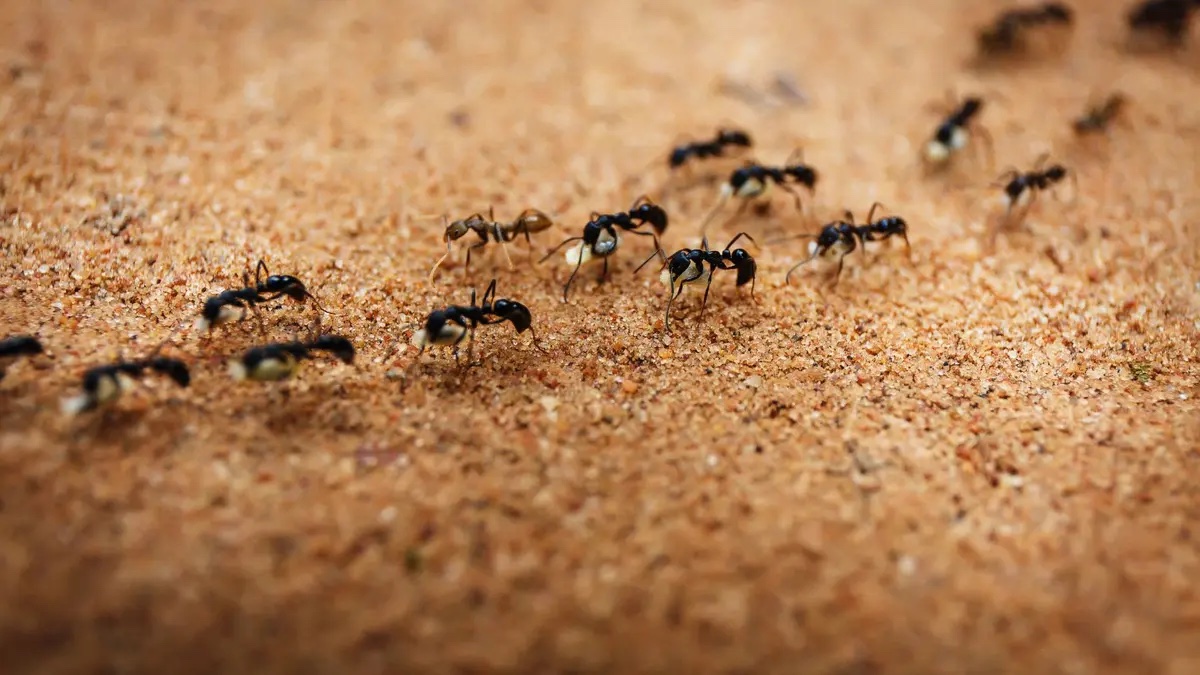
In a remarkable breakthrough, researchers at Hanyang University in Seoul, South Korea, have developed tiny magnetic robots that work together like ants to accomplish impressive tasks—moving and lifting objects much larger than themselves. This innovative system of microrobot swarms, powered by rotating magnetic fields, could open up new possibilities for a variety of complex applications, including minimally invasive medical treatments and environmental tasks in challenging conditions.

The research team, led by Jeong Jae Wie from the Department of Organic and Nano Engineering at Hanyang University, is harnessing the collective power of these robots, drawing inspiration from nature’s own cooperative workers: ants. “The high adaptability of microrobot swarms to their surroundings and their ability to perform tasks autonomously were surprising,” said Wie. “These robots work together to accomplish goals, much like how ants collaborate to build bridges or survive floods.”

Continue reading… “South Korean Researchers Develop Microrobots That Collaborate Like Ants for Complex Tasks”

Florida Atlantic University Develops AI System to Recognize American Sign Language with 98% Accuracy

In a groundbreaking advancement for communication technology, researchers at Florida Atlantic University (FAU) have developed an artificial intelligence (AI) system capable of recognizing American Sign Language (ASL) with remarkable precision. This innovation could revolutionize how deaf and hard-of-hearing individuals interact with both technology and the world around them, breaking down communication barriers that have long existed.

Imagine a world where every hand gesture is instantly understood—a world where the complex, nuanced language of ASL is as easily readable as spoken words. This vision is no longer a distant dream. By leveraging cutting-edge computer vision technology, the research team at FAU has created an AI model that can interpret ASL alphabet gestures with an astounding 98% accuracy.

Continue reading… “Florida Atlantic University Develops AI System to Recognize American Sign Language with 98% Accuracy”

Innovative Drug Delivery System Uses Metal-Biomolecule Networks for Safer, More Effective Therapies

A team of researchers from the University of Melbourne’s Caruso Nanoengineering Group has developed an innovative drug delivery system with significant potential to revolutionize drug development. The new system, known as a metal–biomolecule network (MBN), consists of a coordination network made up entirely of metal ions and biomolecules, eliminating the need for complex drug “carriers.” This breakthrough could offer a simpler, more efficient, and safer alternative for a wide range of biomedical applications.

Published in Science Advances, the research was led by Melbourne Laureate Professor and NHMRC Leadership Fellow Frank Caruso, from the Department of Chemical Engineering, along with Research Fellows Dr. Wanjun Xu and Dr. Zhixing Lin, who share first authorship. The MBN nanoparticles are created by combining non-toxic metal ions (such as calcium and iron, which are naturally absorbed through the diet) with phosphonate biomolecules like DNA. These nanoparticles are chemically and metabolically stable, and have demonstrated antiviral, antibacterial, antifungal, anti-inflammatory, and anti-cancer properties.

Continue reading… “Innovative Drug Delivery System Uses Metal-Biomolecule Networks for Safer, More Effective Therapies”

Breakthrough in Human Stem Cell Research: Scientists Create Notochord Model for Studying Early Human Development

Scientists at the Francis Crick Institute have made a groundbreaking advancement in developmental biology by creating human stem cell models that, for the first time, incorporate the notochord. This rod-shaped tissue plays a crucial role in guiding the formation of the spine and nervous system in developing embryos. The research, published on December 18 in Nature, marks a significant step forward in understanding how the human body forms during early stages of development.

The notochord is a defining feature of all vertebrates, serving as a structural guide in the developing body. It plays a key role in organizing tissues as the embryo grows, but due to its complexity, it has been notably absent in previous lab-grown models of human trunk development. This new breakthrough offers the potential to further our understanding of both normal and abnormal human development.

Continue reading… “Breakthrough in Human Stem Cell Research: Scientists Create Notochord Model for Studying Early Human Development”

The Environmental Impact of AI’s Data Centers and the Race for Sustainable Power

If you were to drive past one of the nearly 3,000 data centers across the United States, you might not give it a second thought. These nondescript buildings blend into the landscape, offering little visual distinction. However, behind their plain facades lies the infrastructure that supports the entire digital ecosystem, from social media to cloud computing. Yet, they come with a significant environmental cost. New research has revealed just how much their carbon emissions have surged during the AI boom.

Since 2018, carbon emissions from U.S. data centers have tripled, according to research from the Harvard T.H. Chan School of Public Health. This places data centers just below domestic commercial airlines as a major source of greenhouse-gas pollution. This escalating environmental impact presents a major dilemma for leading AI companies, which are under increasing pressure to meet sustainability goals while also pushing forward with energy-hungry AI models. With AI advancements such as video generators—like OpenAI’s Sora—demanding ever more computational power, the energy consumption of data centers is set to rise even further.

Continue reading… “The Environmental Impact of AI’s Data Centers and the Race for Sustainable Power”

Advances in Mitochondrial-Based Cancer Therapy: The Promise of mLumiOpto Technology

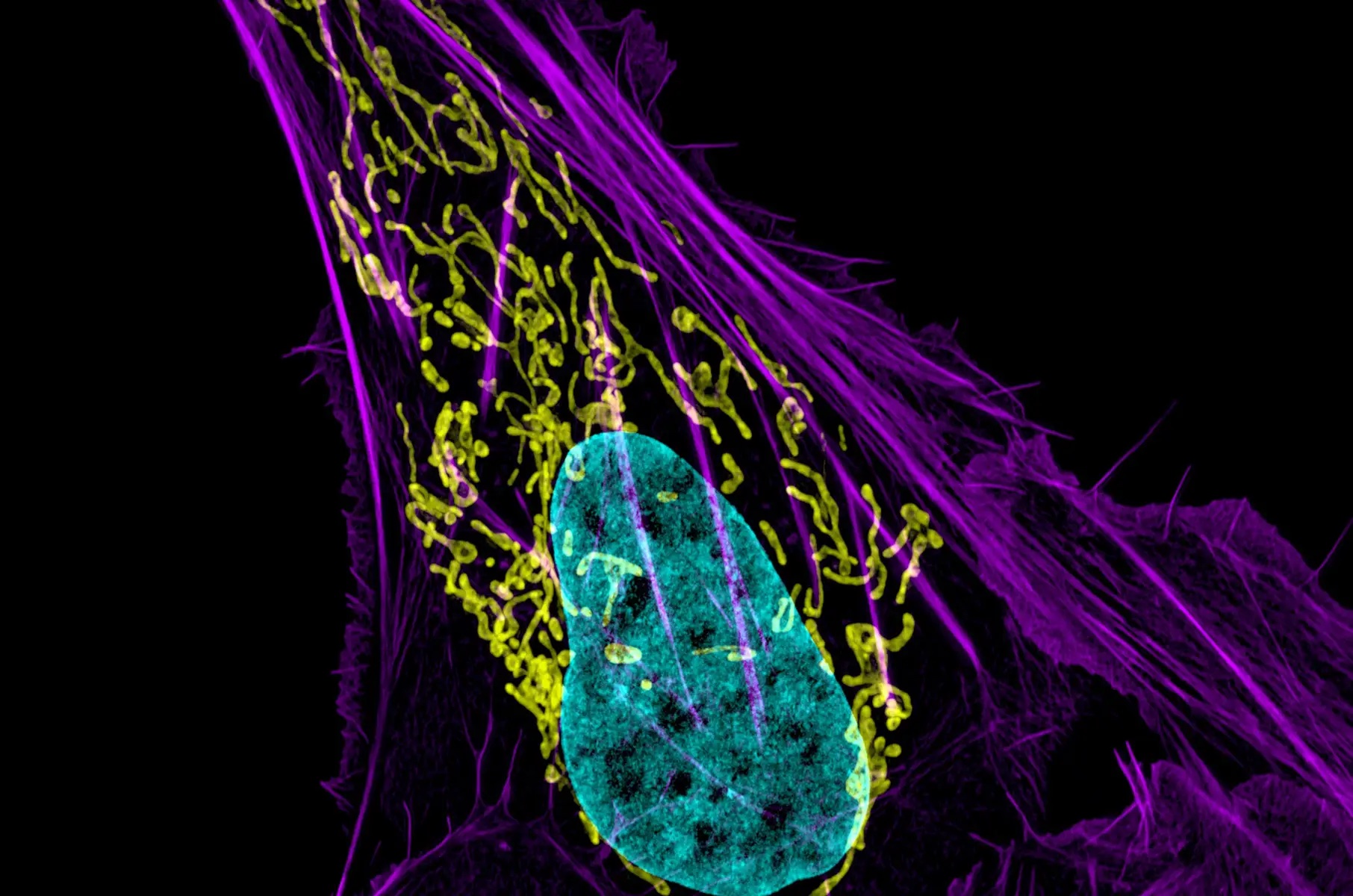
Mitochondria, the powerhouse of the cell, are critical in regulating cellular functions such as growth, survival, and energy production. Due to their central role in cancer cell metabolism, these organelles have become key targets for innovative cancer therapies. Mitochondrial genetics and metabolism contribute significantly to cancer progression, influencing processes like cell motility, invasion, and the tumor microenvironment. Despite these promising insights, the development of therapies targeting mitochondria has faced significant hurdles.

Current mitochondrial-targeted treatments, such as mitocans and mitochondriotoxics, focus on disrupting key signaling pathways and proteins involved in cellular energy processes, including hexokinase and Bcl2 family proteins. However, the presence of mutations in cancer cells limits the long-term effectiveness of these therapies, making it difficult to achieve sustained clinical success. A promising advancement in the field is mitochondrial optogenetics (mOpto), a technique that introduces light-gated channelrhodopsins into mitochondria, enabling controlled depolarization of the mitochondrial membrane potential (∆Ψm) and subsequent cell death. While this technology showed promise, its reliance on external light sources restricts its application to surface-level tumors.

Continue reading… “Advances in Mitochondrial-Based Cancer Therapy: The Promise of mLumiOpto Technology”

SPEE3D Demonstrates Successful Metal 3D Printing in Extreme Cold Environments

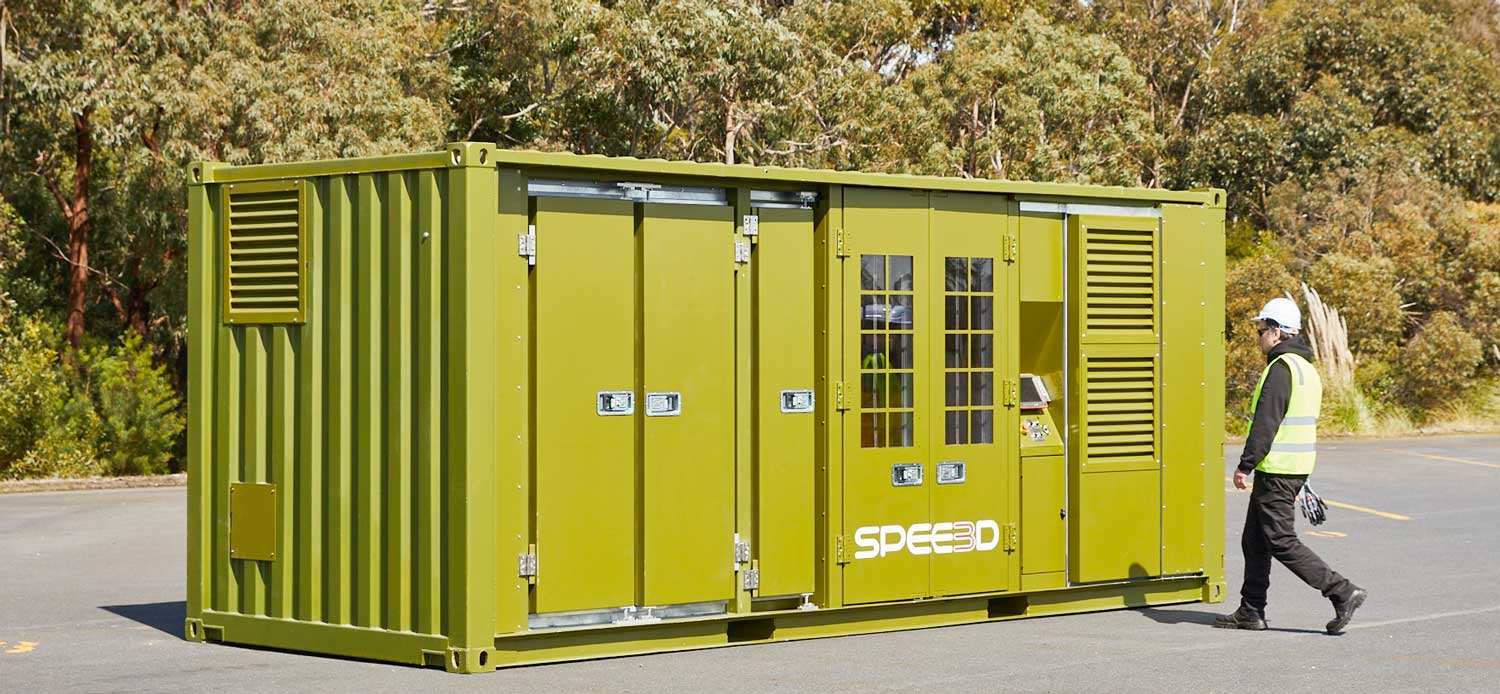
Australian company SPEE3D has successfully proven that its XSPEE3D technology for additive manufacturing of metal parts operates efficiently in extremely cold environments. As part of the U.S. Department of Defense’s “Point of Need Challenge” project, the company demonstrated that metal components produced in sub-arctic temperatures exhibit material properties comparable to those created under standard laboratory conditions.

The project aimed to assess manufacturing technologies capable of producing and repairing large metal parts in extreme climates. SPEE3D’s successful demonstration took place at the U.S. Army’s Cold Regions Research and Engineering Laboratory (CRREL) in Hanover, New Hampshire, at the end of 2023. The initiative was carried out in collaboration with the New Jersey Institute of Technology’s (NJIT) COMET project, Philips Federal, and the LIFT innovation platform in Detroit.

Continue reading… “SPEE3D Demonstrates Successful Metal 3D Printing in Extreme Cold Environments”

Figure 02: OpenAI-Backed Robotics Company Ships Second Humanoid Robot to Commercial Clients

OpenAI-backed robotics company, Figure, has begun shipping its second humanoid robot, Figure 02, to commercial clients. This development positions Figure as a key player in the humanoid robotics industry, alongside Agility Robotics’ Digit, both of which are deploying robots in warehouses and factories for paying customers.

Brett Adcock, CEO of Figure, shared the milestone on LinkedIn, stating, “It’s official: F.02 humanoid robots have arrived at our commercial customers. The robots are connecting to the network and performing pre-checks this morning. Our time from filing the C-Corp to shipping commercially was 31 months.”

Continue reading… “Figure 02: OpenAI-Backed Robotics Company Ships Second Humanoid Robot to Commercial Clients”

Gameto Announces First Live Human Birth Using Revolutionary Fertilo Technology

Gameto has achieved a historic milestone in reproductive health with the world’s first live human birth using Fertilo, a cutting-edge ovarian support cell (OSC) technology. The groundbreaking birth took place at Santa Isabel Clinic in Lima, Peru, and could represent a significant leap forward in fertility management.

Traditional in vitro fertilization (IVF) methods require women to undergo 10–14 days of high-dose hormonal injections to mature eggs. In contrast, Fertilo uses engineered, young ovarian support cells to replicate the natural egg maturation process outside the body. This innovative technology reduces the need for up to 80% fewer hormone injections compared to traditional IVF and shortens treatment cycles to just three days.

Continue reading… “Gameto Announces First Live Human Birth Using Revolutionary Fertilo Technology”
Discover the Hidden Patterns of Tomorrow with Futurist Thomas Frey
Unlock Your Potential, Ignite Your Success.

By delving into the futuring techniques of Futurist Thomas Frey, you’ll embark on an enlightening journey.

Learn More about this exciting program.