
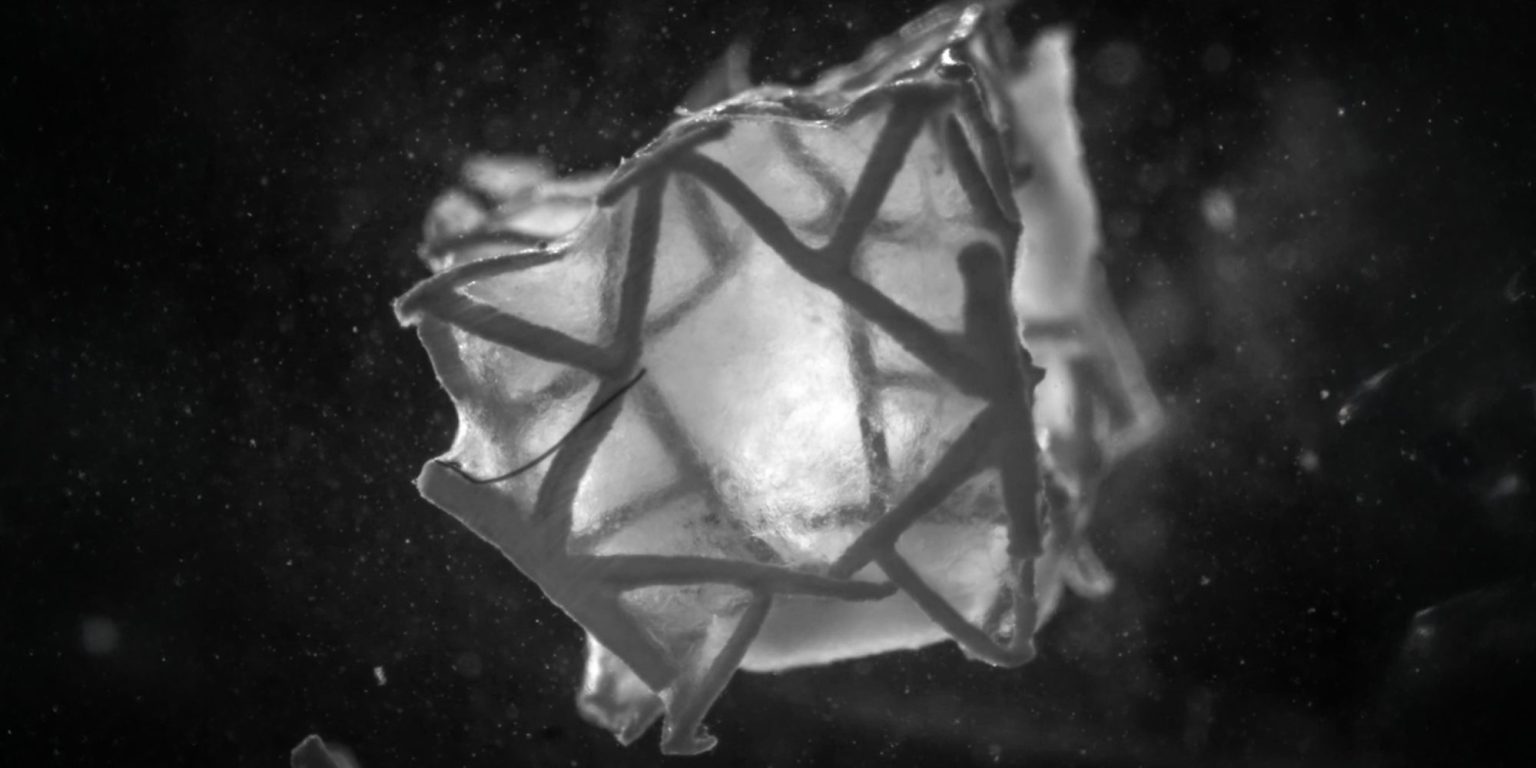
For centuries, heart surgery has been an engineering challenge wrapped inside a biological mystery. The heart is not only the most vital muscle in the body—it’s also the most unforgiving. Every beat is a test of strength, resilience, and precision. Now, a team of researchers has unveiled a breakthrough that could change cardiac repair forever: a bioengineered heart patch that seals, heals, and then… disappears.
Continue reading… “The Self-Vanishing Heart Patch That Heals From Within”The “Master Key” Protein That Could Unlock Human Memory

What if the difference between losing your memories and keeping them sharp for decades came down to one overlooked protein?
Researchers at Rutgers University believe they may have found exactly that—a molecular “master key” called cypin that could redefine how we approach brain health, learning, and recovery after injury.
For more than two decades, neuroscientist Bonnie Firestein has been obsessed with this underappreciated protein. Her team’s latest findings reveal that cypin isn’t just a passive player in the brain—it’s an active architect, organizing and protecting the molecular machinery that keeps neurons talking to each other.
Continue reading… “The “Master Key” Protein That Could Unlock Human Memory”No Scalpel, No Sternum, No Problem: Surgeons Replace Heart Valve Through the Neck in Robotic World First
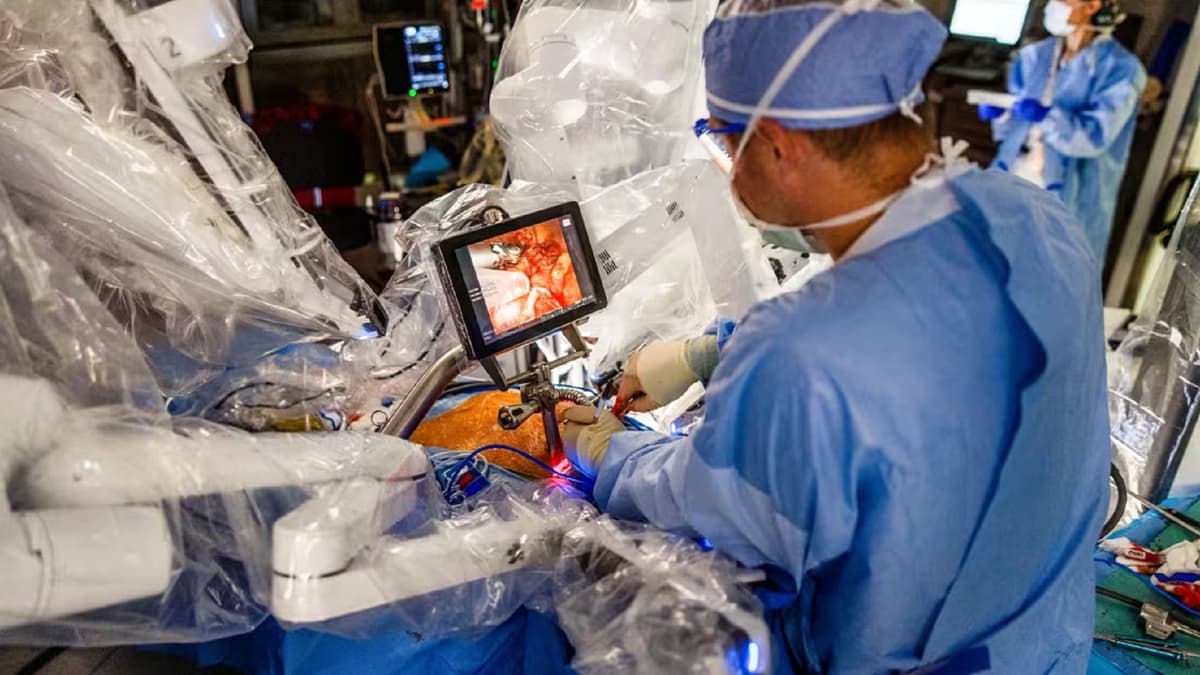
Heart surgery just went from brutal to barely noticeable.
In a world-first operation that borders on science fiction, surgeons at the Cleveland Clinic have replaced a failing heart valve through a tiny incision in the neck—no cracked chest, no rib spreaders, no weeks-long recovery. Just four precision-guided robotic arms, a hidden scar along a neck crease, and a surgical team that rewrote the rulebook on aortic valve replacement.
Dr. Marijan Koprivanac, the mastermind behind the procedure, didn’t just avoid the sternum—he eliminated it from the equation entirely. Traditional aortic valve replacement (AVR) means opening the chest wide, a brutal process that carries pain, risk, and lengthy rehab. Even the “minimally invasive” versions still involve partial sternotomies or rib incisions. But not this.
This time, the surgeons went in through the front of the neck.
Continue reading… “No Scalpel, No Sternum, No Problem: Surgeons Replace Heart Valve Through the Neck in Robotic World First”4,000 Miles, One Heart: Robotic Telesurgery Just Rewrote the Rules of Medicine

On July 19, 2025, something extraordinary happened—without boarding a plane, stepping into a hospital, or even crossing a time zone, a cardiac surgeon in France reached into a patient’s chest in India and repaired a hole in their heart.
This wasn’t science fiction. It was robotic reality.
Dr. Sudhir Srivastava, Chairman and CEO of SS Innovations, performed the world’s first intercontinental robotic cardiac telesurgery using the company’s proprietary SSi Mantra 3 system. He sat at a surgical console in Strasbourg, France. The patient lay 4,000 miles away in an operating room in Indore, India. And the robot? It bridged the entire planet—with surgical precision and near-zero latency.
Continue reading… “4,000 Miles, One Heart: Robotic Telesurgery Just Rewrote the Rules of Medicine”Building the Beating Heart: How 3D-Printed Patches Could Make Cardiac Failure Obsolete
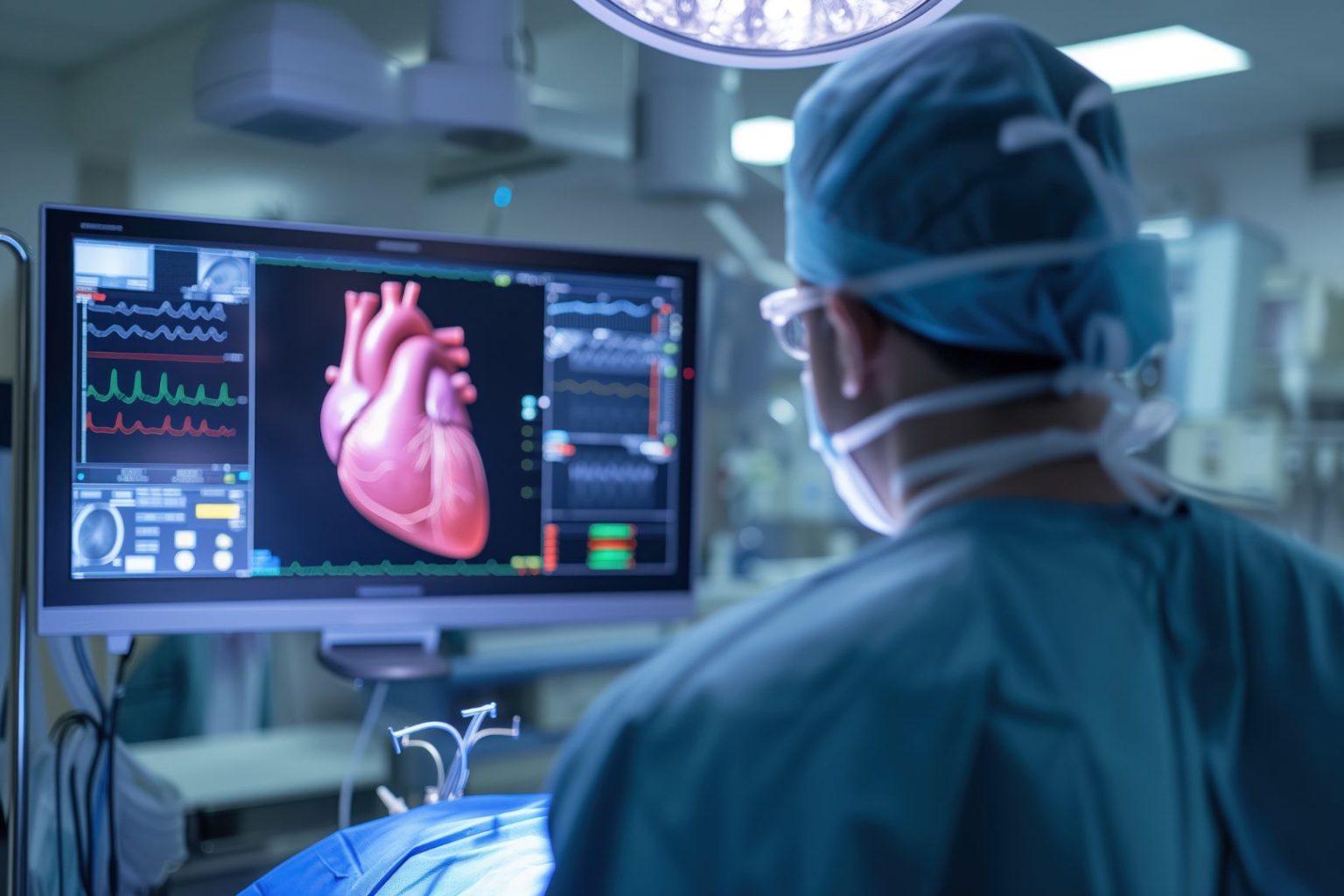
For decades, modern medicine has fought heart disease with stents, pacemakers, and drugs—tools designed to manage the damage, not reverse it. But what if, instead of patching up the symptoms, we could print the cure?
At the University of Texas at Arlington, a bold team of researchers led by bioengineering professor Yi Hong is doing exactly that. They’re not just designing a device—they’re creating a living, breathing substitute for damaged heart tissue. Their weapon of choice? A 3D-printed, elastic, electrically conductive heart patch that doesn’t just support a failing heart—it teaches it how to heal.
Continue reading… “Building the Beating Heart: How 3D-Printed Patches Could Make Cardiac Failure Obsolete”Plastic’s Replacement Is Alive—and It’s Spinning

The age of dead materials may be coming to a close. In a quietly radical experiment at the University of Houston, scientists have figured out how to grow a material strong enough to rival plastic—not from oil, but from living bacteria. And not just any bacteria. These microscopic workers are being trained, spun, and coaxed into building a future where plastic is obsolete.
At the heart of this breakthrough is bacterial cellulose—a naturally occurring biopolymer that’s strong, flexible, and fully biodegradable. Until now, it’s been treated more like a scientific curiosity than a global solution. But researcher Maksud Rahman and his team just changed that by teaching bacteria to spin stronger, smarter versions of this material in a rotating culture chamber that behaves more like a bioreactor than a petri dish.
Continue reading… “Plastic’s Replacement Is Alive—and It’s Spinning”Electric Healing: 3D-Printed Implants That Rewire the Spine
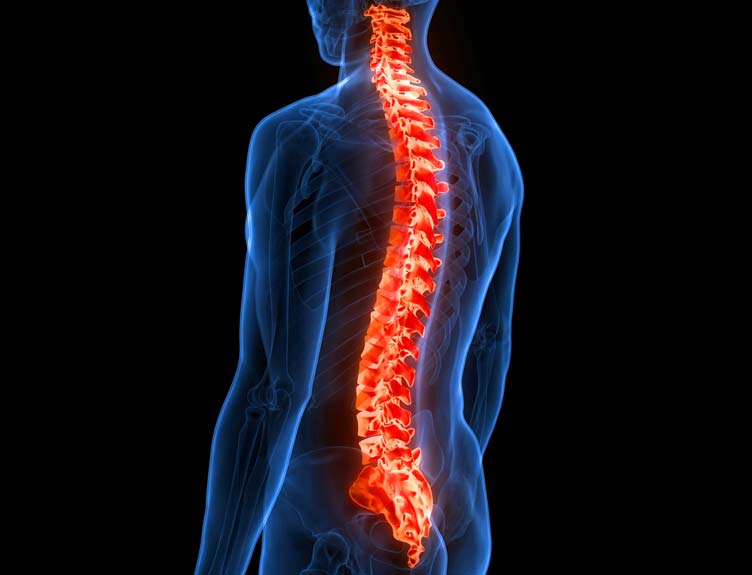
The spinal cord used to be a one-way street: once severed, there was no coming back. Nerve damage meant paralysis. Game over.
But a new innovation out of Ireland is rewriting that script—with electricity, nanomaterials, and a 3D printer.
Scientists at RCSI University of Medicine and Health Sciences have developed an experimental implant that doesn’t just sit passively in the body—it channels electric signals directly into damaged spinal tissue, coaxing neurons to regrow.
Yes, regrow.
This isn’t a support brace or a painkiller. It’s a smart scaffold—a neural bootloader—engineered to speak the language of the nervous system and kickstart biological repair from within.
Continue reading… “Electric Healing: 3D-Printed Implants That Rewire the Spine”Designing Health Before Birth: New Software Offers Genetic Insights for IVF Embryos

A U.S.-based biotech company has unveiled what it claims is the world’s first genetic optimization software designed to help parents pursuing in vitro fertilization (IVF) select embryos based on predicted health outcomes, disease risks, and even traits like height and intelligence. The technology, developed by Nucleus Genomics, marks a new chapter in reproductive decision-making—and has sparked both excitement and ethical debate.
The software analyzes DNA from up to 20 embryos, screening for more than 900 inherited conditions. It uses polygenic risk scores to estimate the likelihood of diseases such as heart disease, diabetes, cancer, depression, and anxiety. Alongside health data, the tool also offers predictions for physical and cognitive traits, including eye color, hair color, height, and genetic markers linked to IQ.
Continue reading… “Designing Health Before Birth: New Software Offers Genetic Insights for IVF Embryos”New Infrared-Enabled Contact Lenses Give Humans “Super-Vision” Without Power Source

In a remarkable technological leap, neuroscientists and materials scientists have developed infrared-enabled contact lenses that allow both humans and mice to see infrared light—without the need for a power source. Published in the journal Cell, the innovation represents a major step toward noninvasive, wearable “super-vision” devices that could transform security, communication, medical diagnostics, and more.
Unlike bulky infrared night vision goggles, these transparent contact lenses convert invisible near-infrared light (wavelengths between 800 and 1600 nanometers) into visible light detectable by the naked eye. Even more striking, wearers can simultaneously perceive both visible and infrared light, with enhanced infrared clarity when their eyes are closed.
Continue reading… “New Infrared-Enabled Contact Lenses Give Humans “Super-Vision” Without Power Source”iCares: Caltech’s Smart Bandage Detects Infections Early and Accelerates Wound Healing

In a significant leap forward for wound care technology, researchers at Caltech and the Keck School of Medicine of USC have developed iCares, a next-generation smart bandage that monitors wound conditions in real time, detects early signs of infection, and supports faster healing. Described as a “lab on skin,” this innovative device could transform the treatment of chronic wounds—particularly those caused by diabetes or poor circulation.
Led by Wei Gao, Caltech professor of medical engineering, the team has engineered a bandage that not only samples fluid from wounds but also analyzes biomarkers, delivering timely insights and even targeted therapies. The iCares system marks a shift from passive wound care to active, data-driven healing.
Continue reading… “iCares: Caltech’s Smart Bandage Detects Infections Early and Accelerates Wound Healing”Smart Face Masks Detect Kidney Disease Through Breath Analysis

Engineers and scientists from Italy have transformed a common post-pandemic accessory—the face mask—into a powerful diagnostic tool capable of detecting chronic kidney disease (CKD) by analyzing a person’s breath. The device uses embedded gas sensors to identify disease-linked compounds with over 93% accuracy, offering a non-invasive, low-cost method for monitoring a condition that affects nearly 10% of the global population.
The new technology is built into FFP2-style face masks and incorporates four miniature gas sensors positioned between the mask’s inner fabric layers. These sensors track chemical signatures in exhaled breath associated with poor kidney function, including ammonia, acetone, dimethyl sulfide, and trimethylamine. When kidney function declines, these substances accumulate in the body and become detectable in the breath.
Continue reading… “Smart Face Masks Detect Kidney Disease Through Breath Analysis”Caltech’s Smart Bandage Offers Early Detection and Predictive Healing for Chronic Wounds

Caltech engineers have advanced their flexible “lab-on-skin” smart bandage from animal testing to human trials, demonstrating its potential to revolutionize chronic wound care. In a recent study published in Science Translational Medicine (DOI: 10.1126/scitranslmed.adt0882), the device was tested on 20 patients with slow-healing wounds such as diabetic foot ulcers, poor-circulation sores, and post-surgical injuries. The bandage successfully collected and analyzed fresh wound fluid, identified early signs of inflammation and infection, and wirelessly transmitted data to smartphones up to three days before visible symptoms appeared.
This marks a critical milestone in translating laboratory technology into clinical practice. The device aims to reduce the burden on healthcare providers, give earlier warning of complications, and improve outcomes for millions of patients with chronic wounds.
Continue reading… “Caltech’s Smart Bandage Offers Early Detection and Predictive Healing for Chronic Wounds”