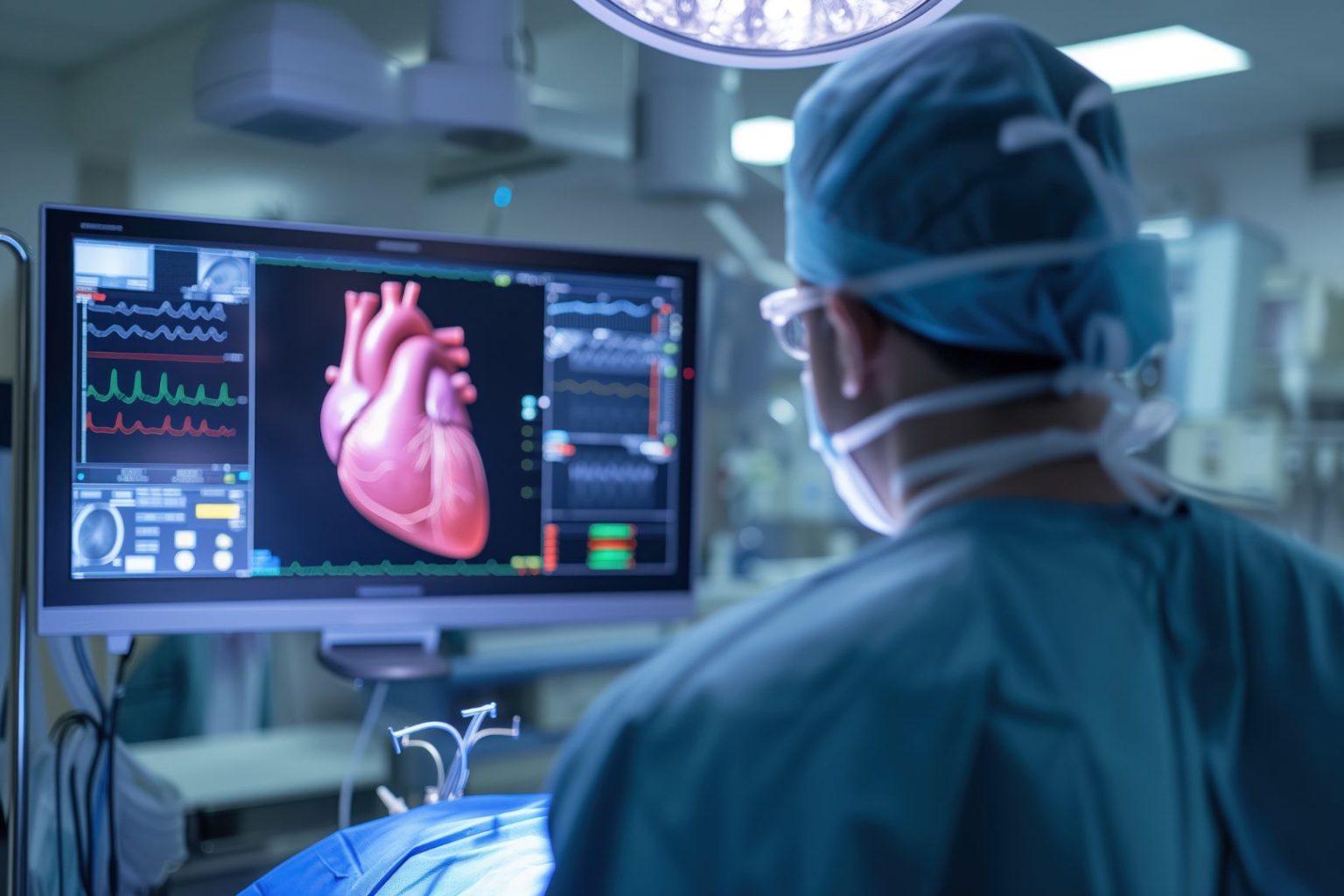
On July 19, 2025, something extraordinary happened—without boarding a plane, stepping into a hospital, or even crossing a time zone, a cardiac surgeon in France reached into a patient’s chest in India and repaired a hole in their heart.
This wasn’t science fiction. It was robotic reality.
Dr. Sudhir Srivastava, Chairman and CEO of SS Innovations, performed the world’s first intercontinental robotic cardiac telesurgery using the company’s proprietary SSi Mantra 3 system. He sat at a surgical console in Strasbourg, France. The patient lay 4,000 miles away in an operating room in Indore, India. And the robot? It bridged the entire planet—with surgical precision and near-zero latency.
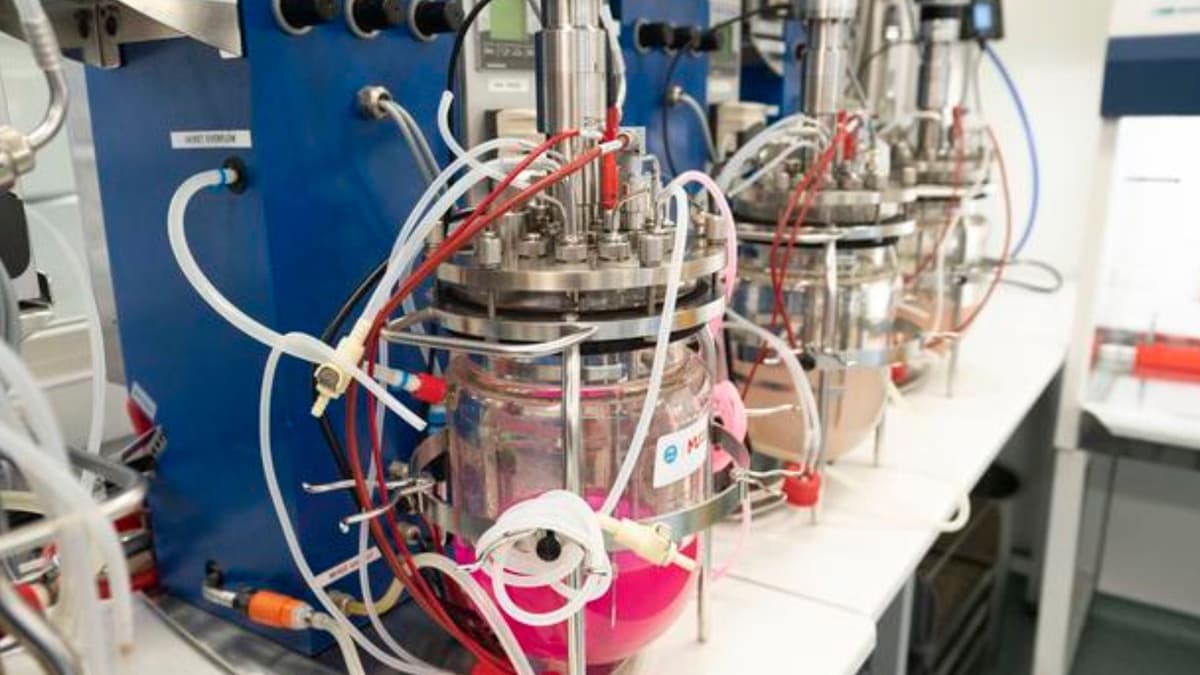
What if the solution to our plastic nightmare wasn’t some miracle machine or billion-dollar cleanup plan—but wild microbes, pulled straight from the dirt?
At Murdoch University in Western Australia, scientists have done exactly that. They’ve tapped into nature’s molecular black market and found bacteria that don’t just survive in harsh environments—they hoard resources, synthesize natural polymers, and spit out a plastic that doesn’t pollute, doesn’t linger, and doesn’t need a single drop of petroleum. When they’re done, it disappears—no toxic residue, no microplastics, no trace.
This isn’t your grandma’s compostable plastic. It’s not that flimsy “eco-friendly” fork that snaps in your hand or the greenwashed packaging that ends up in the same landfill as everything else. This is plastic reimagined from the microbial level up—engineered by nature, recovered by science, and destined to vanish like it was never there.
For decades, modern medicine has fought heart disease with stents, pacemakers, and drugs—tools designed to manage the damage, not reverse it. But what if, instead of patching up the symptoms, we could print the cure?
At the University of Texas at Arlington, a bold team of researchers led by bioengineering professor Yi Hong is doing exactly that. They’re not just designing a device—they’re creating a living, breathing substitute for damaged heart tissue. Their weapon of choice? A 3D-printed, elastic, electrically conductive heart patch that doesn’t just support a failing heart—it teaches it how to heal.
On July 21, 2014, two blockchain pioneers—Dan Larimer and Charles Hoskinson—launched BitUSD on the BitShares network, creating the world’s first stablecoin. Their ambitious experiment sought to solve cryptocurrency’s biggest problem: extreme volatility that made digital assets useless for everyday commerce. BitUSD failed spectacularly, losing its dollar peg in 2018, but it planted the seeds for a revolution that would reshape global finance.
Later in 2014, a project called RealCoin (later rebranded as Tether) introduced a simpler approach: backing digital tokens with actual dollar reserves held in traditional banks. Unlike BitUSD’s complex algorithmic mechanisms, Tether’s model was elegantly straightforward—one digital token for one physical dollar. Despite early controversies about reserve transparency and a $41 million regulatory fine, Tether proved the concept worked at scale.
The evolution accelerated rapidly. USD Coin launched in 2018, emphasizing regulatory compliance and audited reserves. DAI emerged as a decentralized alternative, backed by cryptocurrency collateral and governed by smart contracts. By 2020, the combined stablecoin market had grown to just $5 billion—a niche corner of the crypto ecosystem used primarily for trading.
For decades, we’ve been focused on building smarter robot minds. Now, scientists have unlocked the next frontier: bodies that grow, heal, and scavenge.
In a stunning leap out of Columbia University, researchers have created robots that can physically rebuild themselves—not in a factory, but in the wild, using parts from their surroundings or even other robots. Dubbed “Robot Metabolism,” this new form of machine autonomy marks the beginning of self-sustaining, self-improving machines that blur the line between design and evolution.
While most satellites dutifully beam raw data back to Earth for humans to analyze, Φsat-2 has a different job: thinking.
Launched in August 2024, this compact cubesat—roughly the size of a shoebox—quietly crossed a major threshold this year. It didn’t just start sending images back to Earth. It began making decisions. Real decisions. About what matters, what doesn’t, and what needs our attention now.
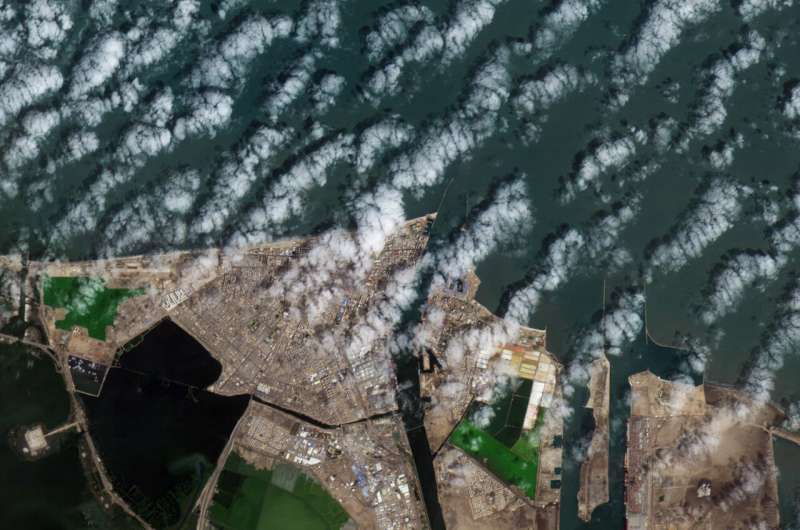
Orbiting 510 kilometers above us, Φsat-2 is equipped with AI powerful enough to sift through cloud-covered landscapes, ignore unusable images, and zero in on wildfire zones, oil spills, marine traffic, and even earthquake aftermath. It doesn’t wait for instructions. It triages. It prioritizes. It edits reality before we even see it.
A Tunisian startup is developing a 3D-printed bionic hand, hoping the affordable and solar-powered prosthetic will help amputees and other disabled people across Africa.
Unlike traditional devices, the artificial hand can be customised for children and youths, who otherwise require an expensive series of resized models as they grow up.
The company Cure Bionics also has plans to develop a video game-like virtual reality system that helps youngsters learn how to use the artificial hand through physical therapy.
The research team was led by University of California, Berkeley’s Dr Jennifer
Doudna, a joint winner of the 2020 Nobel Prize for chemistry. Photo: Reuters
California-based researchers develop a test that can detect the coronavirus using gene-editing technology and a modified mobile phone camera.
Mobile phones were used for ‘their robustness and cost-effectiveness, and the fact that they are widely available’, say the researchers.
A team of California-based researchers have developed a test that can detect the coronavirus in five minutes using gene-editing technology and a modified mobile phone camera, a discovery that could solve the issue of under-testing in epidemic-stricken countries.
Each arm from Unlimited Tomorrow is custom 3D-printed for a perfect match.
Easton LaChappelle was 14 years old when he designed and built his first robotic arm. Ten years later, he’s now the CEO of his own company, looking to upend the prosthetics industry.
Fabien Cousteau, grandson of famous undersea explorer Jacques-Yves Cousteau, is building on his family legacy by constructing a state-of-the art research facility—60 feet below the surface of the ocean.
Fabien Cousteau was born to be an aquanaut. The grandson of the famed explorer Jacques-Yves Cousteau learned how to scuba dive at the age of four and grew up joining his grandfather on research expeditions. “Scuba diving is an amazing blessing, but there’s a very real limit of time,” he says.
One way to circumvent that time limit is to live in an underwater habitat, which provides researchers the opportunity to do more extended work in the ocean. His grandfather pioneered such habitats in the 1960s, and today Fabien plans to continue that legacy with the construction of Proteus, an underwater habitat and research station that would be one of the largest ever built. The habitat will take three years to complete, located 60 feet underwater in a marine protected area off the cost of Curaçao, an island in the Caribbean Sea. And it will have room for up to 12 people to live underwater for weeks—possibly even months—at a time.
Carbon removal is increasingly seen as a vital part of any climate solution.
The United Nations calls on countries to curb their emissions and invest in carbon removal technologies to achieve goals set under the Paris climate agreement. Some of these methods are low-technology like planting trees and others, like direct air capture, are cutting-edge. You can join us by taking action here to help achieve the UN’s Global Goal 13 for climate action.
The same carbon that’s heating up the planet could soon be making your soda fizzy.
Climeworks, based in Switzerland, is one of several companies working to pull carbon dioxide from the atmosphere as a way to fight climate change — and soft drinks happen to be one of many destinations for the retrieved element. The majority of the CO2 that Climeworks removes gets stowed deep underneath Iceland, in natural formations made of basalt.
Microsoft Chief Technology Officer Kevin Scott rise to his current post is about as unlikely as you will find. He grew up in Gladys, Virginia, a town of a few hundred people. He loved his family and his hometown to such an extent that he did not aspire to leave. He caught the technology bug in the 1970s by chance, and that passion would provide a ticket to bigger places that he did not initially seek.
The issue was one of opportunity. In his formative years, jobs were decreasing in places like Gladys just as they were increasing dramatically in tech hubs like Silicon Valley. After pursuing a PhD in computer science at the University of Virginia, he left in 2003 prior to completing his dissertation to join Google. He would rise to become a Senior Engineering Director there. He left Google for LinkedIn in 2011. He would eventually rise to become the Senior Vice President of Engineering & Operations at LinkedIn. From LinkedIn he joined Microsoft three and a half years ago as CTO. He is deeply satisfied with the course of his career and its trajectory, but part of him laments that it took him so far from his roots and the hometown that he loves.
As he reflected further on this conundrum, he put his thoughts to paper and published the book, Reprogramming the American Dream in April, co-authored by Greg Shaw. As he noted in a conversation I recently had with him, “Silicon Valley is a perfectly wonderful place, but we should be able to create opportunity and prosperity everywhere, not just in these coastal urban innovation centers.”
Scott believes that machine learning and artificial intelligence will be key ingredients to aiding an entrepreneurial rise in smaller towns across the United States. These advances will place less of a burden on companies to hire employees in the small towns, as some technical development will be conducted by the bots. He also hopes that as some of these businesses blossom, more kids will be inspired to start their own businesses powered by technology, creating a virtuous cycle of sorts.