The Driverless Car Paradox: Why Your Robot Taxi Knows Everything About You and Your Dog (Unless You Can Afford Privacy)

By Futurist Thomas Frey

You slide into a Tesla Robotaxi at 11 PM with your golden retriever. Your spouse thinks you’re working late. You tell the destination—your colleague’s apartment across town. Your dog settles on the seat beside you. The doors close. No driver. No witnesses. Just you, your dog, and your secret rendezvous, right?

Wrong. Catastrophically, documentably, permanently wrong.

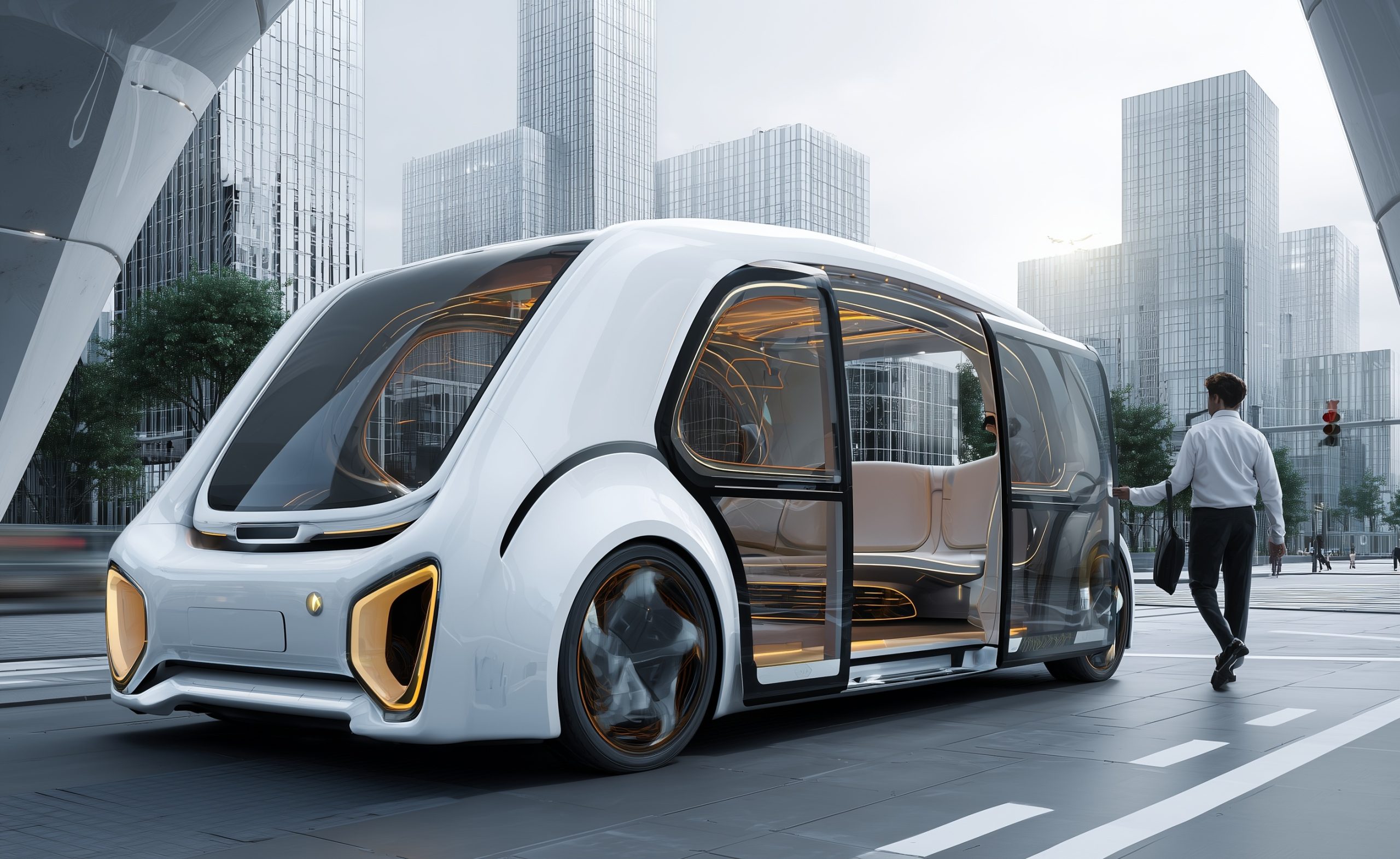
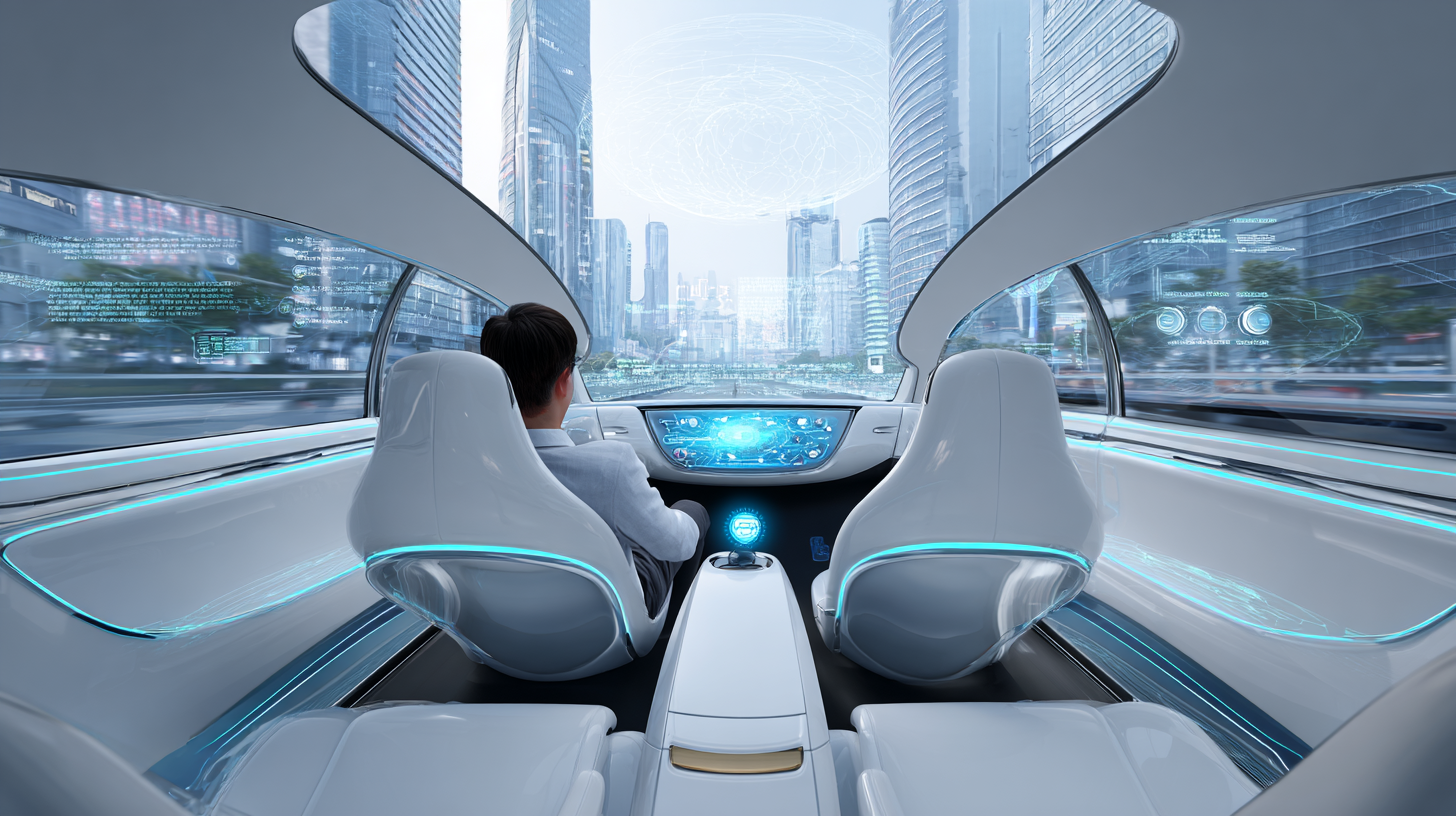
That driverless car isn’t a private space. It’s a rolling surveillance platform with cameras recording interior and exterior, microphones capturing audio (including your dog’s barking), sensors monitoring every movement—human and canine—GPS tracking precise routes, and AI analyzing passenger behavior for safety, liability, and—here’s the part nobody’s talking about—pet-related cleaning fees.

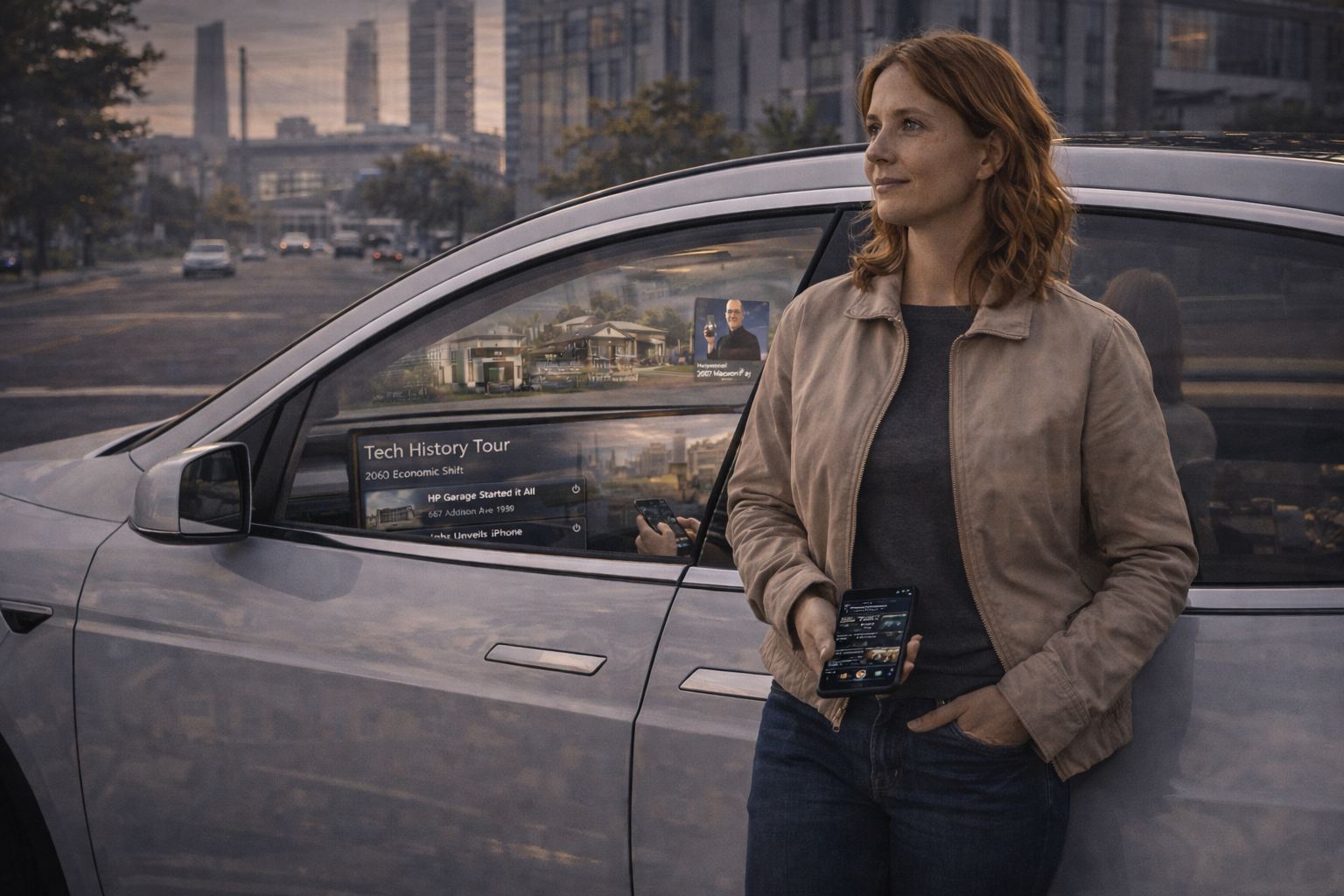
Tesla just announced their Robotaxi cleaning fee structure: $50 for moderate messes like food spills, $150 for severe issues like biowaste or smoking. But here’s what the fine print reveals: pet-related fees start at $75 for dog hair and dander requiring extra cleaning, escalate to $200 for pet accidents, and hit $350 for damage like scratched seats or chewed interior components. Every standard Robotaxi ride with pets is recorded, reviewed, and analyzed. Your dog’s behavior? Documented. Your affair? Recorded. Your pet’s anxiety episode that destroyed the seat fabric? Catalogued, timestamped, billed, and stored.

Welcome to the quirky reality of driverless cars: they’re public transportation masquerading as private space. But here’s the twist—privacy might still exist. You and your pet will just have to pay for it.

Continue reading… “The Driverless Car Paradox: Why Your Robot Taxi Knows Everything About You and Your Dog (Unless You Can Afford Privacy)”

The Accident-Free Generation Emerges—And They’re Psychologically Different

By Futurist Thomas Frey

Children born in 2025 will come of age in a world without car crashes. By 2040, traffic fatalities in the United States will have fallen by 99.4%—from 40,000 annual deaths to fewer than 250, most of them in remote rural areas involving the last surviving legacy vehicles. These children will grow up never seeing roadside memorials, never hearing the screech of tires or the wail of an ambulance rushing to an intersection. They’ll never watch a parent tense up when another car drifts too close. For them, accidents will be myths—artifacts of a primitive, error-prone past. But this isn’t just a technological milestone—it’s a psychological revolution.

Continue reading… “The Accident-Free Generation Emerges—And They’re Psychologically Different”

Roborace shows off its driverless race car at MWC

Roborace car on pavement courtesy of Roborace and Daniel Simon

While most of the attention around autonomous vehicles has centered on “everyday drivers,” there is one effort that goes off in an entirely different direction. An offshoot of Formula E, Roborace aims to launch a parallel series of races conducted entirely without human drivers. The effort has taken longer than planned, but is getting closer to reality. At MWC in Barcelona this week, Roborace showed off the complete design of its first race car. Until now, it has been using awkward-looking “devbots” that have a seat for a driver to test its software and hardware designs.

Continue reading… “Roborace shows off its driverless race car at MWC”

Teaching Robots to Fight Wars

Robot-Wars-1

Futurist Thomas Frey:  A robot does not kill someone out of fear, anger, or desperation. They kill because someone told them to do it. At least that the way it works with our current generation of robots. What comes next may be a different story.

Normally, when we think about war, it has to do with countries using their armies to fight other countries, or in the case of a civil war, countries torn apart by internal rival factions.

But that line of thinking is far too narrow for the conflicts in our future as our choice of weaponry and choice of battlefront continues to expand.

From my perspective, the traditional country vs. country war tends to be far more about political theater, a theater that plays out on the world stage in full view of the public, than the subversive battles being fought over countless levels of minutia in the background.

Continue reading… “Teaching Robots to Fight Wars”

The Coming of “Peak Car”

peak-car-1

Futurist Thomas Frey:  In what year will the number of cars in the world reach its peak and auto sales overall begin to decline?

For most, it may be surprising to realize we’re already there in the U.S. Growing data shows many wealthy economies have already hit “peak car,” a point of market saturation characterized by an unprecedented deceleration in the growth of car ownership, total miles driven, and annual sales.

Continue reading… “The Coming of “Peak Car””

Germany is reserving part of autobahn for driverless car testing

8189066572_98d9bfe108_z

Germany’s Transportation Ministry spokesman Ingo Strater told reporters yesterday that plans call for a driverless-car pilot project on a portion of the A9 autobahn, the north-south artery that connects Munich and Berlin.  Though tests have already been done on driverless cars in the U.S. and Germany, the project would be one of the first to equip a stretch of public highway specifically for that purpose. Continue reading… “Germany is reserving part of autobahn for driverless car testing”

Which company will win the race to dominate the emerging driverless car industry?

The arguments in favor of self-driving cars are many: computer-sorted traffic could yield higher maximum speeds and optimized drive times (sayonara “stop and go,” hello increased fuel efficiency!), the option to drive whether you’ve had too much to drink or not and driverless valet park anywhere you go (as well as make better use of parking space — no more sloppy two-for-one parking jobs). Imagine your vehicle driving itself off to a maintenance facility without your assistance, returning home on its own, or the option to be as distracted as you like while your vehicle’s escorting you around, from texting to watching a video to catching up on your notes for a morning work meeting. (Infographic)

Continue reading… “Which company will win the race to dominate the emerging driverless car industry?”

Are we ready for driverless cars?

Driverless car

Governor Jerry Brown of California will most likely sign off soon on the proposed bullet train between Los Angeles and San Francisco.  It has been characterized by the Obama administration and its other supporters as an effective way to reduce highway congestion. These costs amount to more than $100 billion annually in wasted time and higher fuel expenses.


Continue reading… “Are we ready for driverless cars?”

Discover the Hidden Patterns of Tomorrow with Futurist Thomas Frey
Unlock Your Potential, Ignite Your Success.

By delving into the futuring techniques of Futurist Thomas Frey, you’ll embark on an enlightening journey.

Learn More about this exciting program.