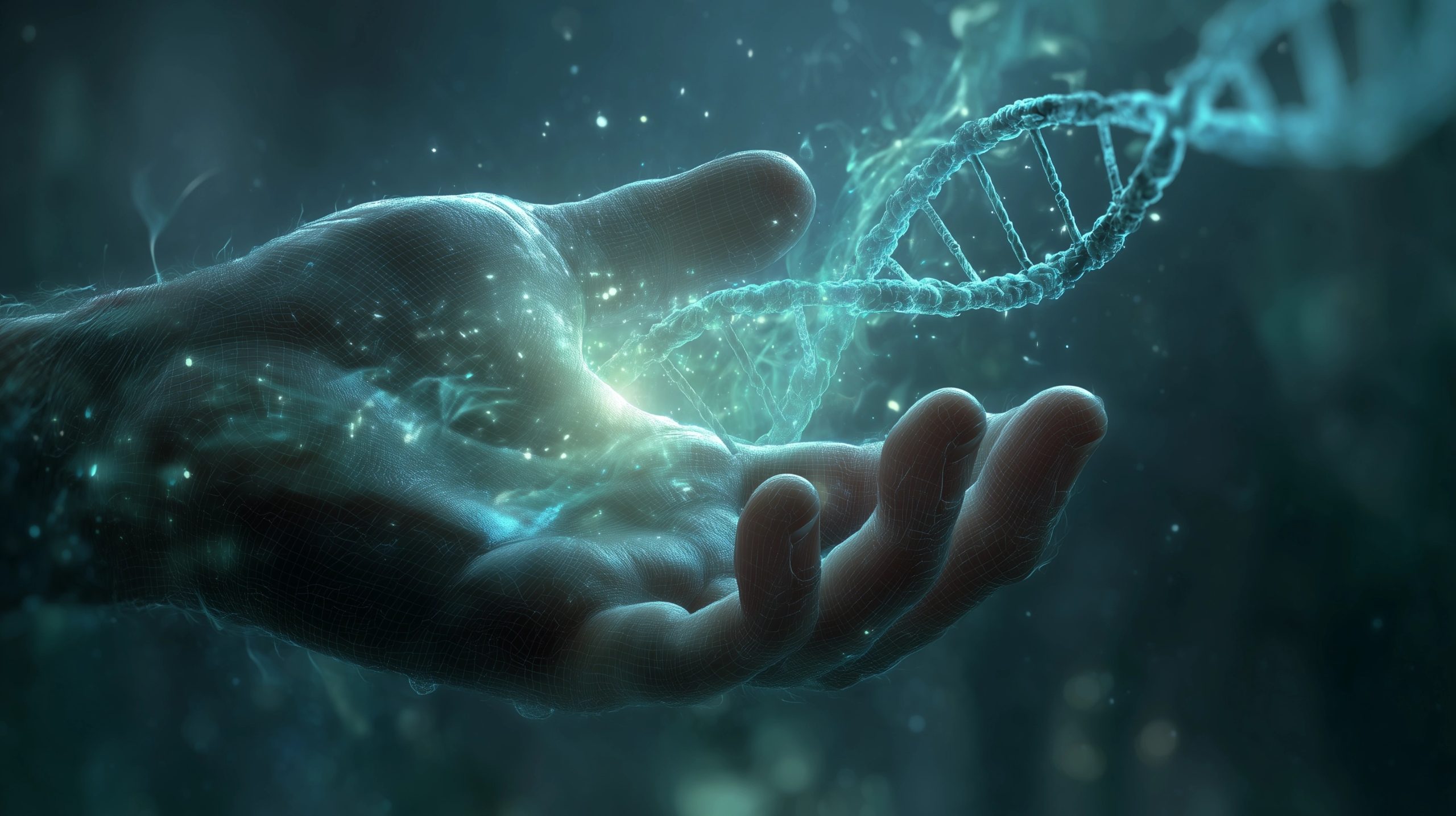
Mapping Every Atom in a Kernel of Wheat: The Next Impossible Project

By Futurist Thomas Frey

We are still a long ways away from being able to do this, but over time we will begin to understand the entire data set inside a single kernel of wheat. What role does every molecule play? What role do external forces play on its development?

This will be a project exponentially more complicated than the Human Genome Project, and it may be too complicated to start with wheat, but eventually we will get there. Once we can successfully map wheat, we can work on far more complicated organisms including animals and humans.

The Every-Atom Mapping Project sounds absurd—documenting the position, state, and interactions of every single atom in a kernel of wheat. But so did sequencing the human genome in 1990. That project took 13 years and $3 billion to map 3 billion base pairs. Today, you can sequence a genome in hours for under $1,000.

The every-atom map is vastly more ambitious. A kernel of wheat contains approximately 10^23 atoms—that’s 100,000,000,000,000,000,000,000 atoms. Each one has position, velocity, bonding state, and electromagnetic properties that change constantly. Documenting this makes the genome project look trivial.

But impossible projects become possible when technology advances exponentially. And the payoff for understanding matter at atomic resolution would be transformative beyond anything we’ve achieved.

Continue reading… “Mapping Every Atom in a Kernel of Wheat: The Next Impossible Project”
The Robot-Ready Home: Meet the Families Building Income-Generating Houses

By Futurist Thomas Frey

Sarah Bennett stands in what will become her robotics command center—a room that doesn’t exist in any house built before 2035.

“This is where the magic happens,” she tells the builder, gesturing at the 15-foot by 20-foot space with 12-foot ceilings. “Three hydroponic towers here, harvesting robot there, packaging station along that wall.”

Her builder, Tom Harrison, marks his tablet. This is his seventh robot-ready home this year. “You’re sure about the drainage? Hydroponic systems can leak.”

“Triple-redundant,” Sarah confirms. “I’ve been running a farm out of my garage for two years. I know what can go wrong.”

Continue reading… “The Robot-Ready Home: Meet the Families Building Income-Generating Houses”

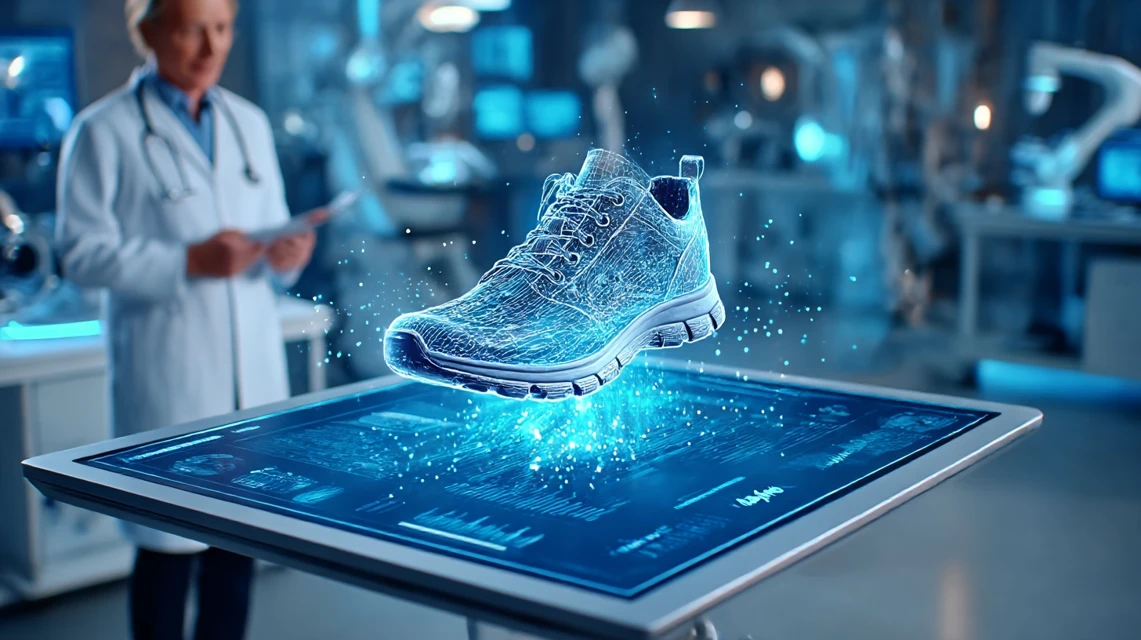
The Future of Shoes: When Footwear Becomes Your Personal Health System

By Futurist Thomas Frey

I personally have a number of foot issues. At age 19, I froze my feet working to repair an accident on our family farm in South Dakota—spending hours in subzero temperatures trying to fix equipment that broke at the worst possible time. I’ve dealt with the consequences ever since—circulation problems, sensitivity to cold, periodic pain that flares up without warning. But I’m not unique. Everyone has foot issues at one time or another—plantar fasciitis, bunions, arch pain, swelling, neuropathy, gait problems that cause knee or back pain. Foot problems are universal, often chronic, and profoundly affect quality of life.

That’s why the most taken-for-granted object in our lives—shoes—is about to become one of the most sophisticated health devices we own.

By 2040, shoes won’t just protect your feet—they’ll actively monitor your health, adjust to your body in real-time, prevent falls before they happen, and fix biomechanical problems that cause pain throughout your body. Footwear is about to go through its biggest transformation in history, evolving from passive protection to active health management.

Continue reading… “The Future of Shoes: When Footwear Becomes Your Personal Health System”

Synthetic Healing: The Next Frontier in Regenerative Medicine

By Futurist Thomas Frey

Healing is about to stop being something your body does and start being something we engineer.

For all of human history, recovery from injury has been a passive process—your body either heals itself or it doesn’t. Medicine could prevent infection, set bones, stitch wounds. But the actual healing? That happened on biology’s timeline, with biology’s limitations, leaving scars, incomplete repairs, and permanent damage.

Synthetic healing changes everything. Instead of waiting for your body to slowly regenerate damaged tissue, we’ll engineer the repair—using lab-grown tissues, programmable molecules, AI-guided nanorobots, and synthetic biological systems that don’t just match natural healing but exceed it.

This is the next frontier in regenerative medicine: making healing faster, more complete, and controllable. By 2040, synthetic healing will transform recovery from something that happens to you into something we design and deploy with precision.

Continue reading… “Synthetic Healing: The Next Frontier in Regenerative Medicine”

Biology Becomes Programmable: How Medicine Transforms by 2040 and Why Humans Still Matter

By Futurist Thomas Frey

By 2040, medicine will have fundamentally transformed from reactive treatment to anticipatory prevention. Aging won’t be inevitable—it will be optional, or at least dramatically slowed. People in their eighties will routinely start companies, run marathons, and live with vitality their grandparents couldn’t imagine at fifty.

This isn’t science fiction—it’s the convergence of technologies already emerging: AI-powered continuous health monitoring, CRISPR gene editing matured into therapeutic precision, senolytic drugs that clear aging cells, personalized medicine optimized to individual genetics, and biological understanding deep enough to reprogram cellular behavior.

But here’s what gets lost in the excitement: even as biology becomes programmable, human judgment, values, and lived experience remain irreplaceable. The technology enables transformation, but humans must decide what transformations matter, which risks are worth taking, and what kind of long lives are worth living.

Let me explain how we get there—and why human input stays essential even when machines can reprogram our cells.

Continue reading… “Biology Becomes Programmable: How Medicine Transforms by 2040 and Why Humans Still Matter”

The Vitalists: How Gen Z Women Decided to Populate the Universe

By Futurist Thomas Frey

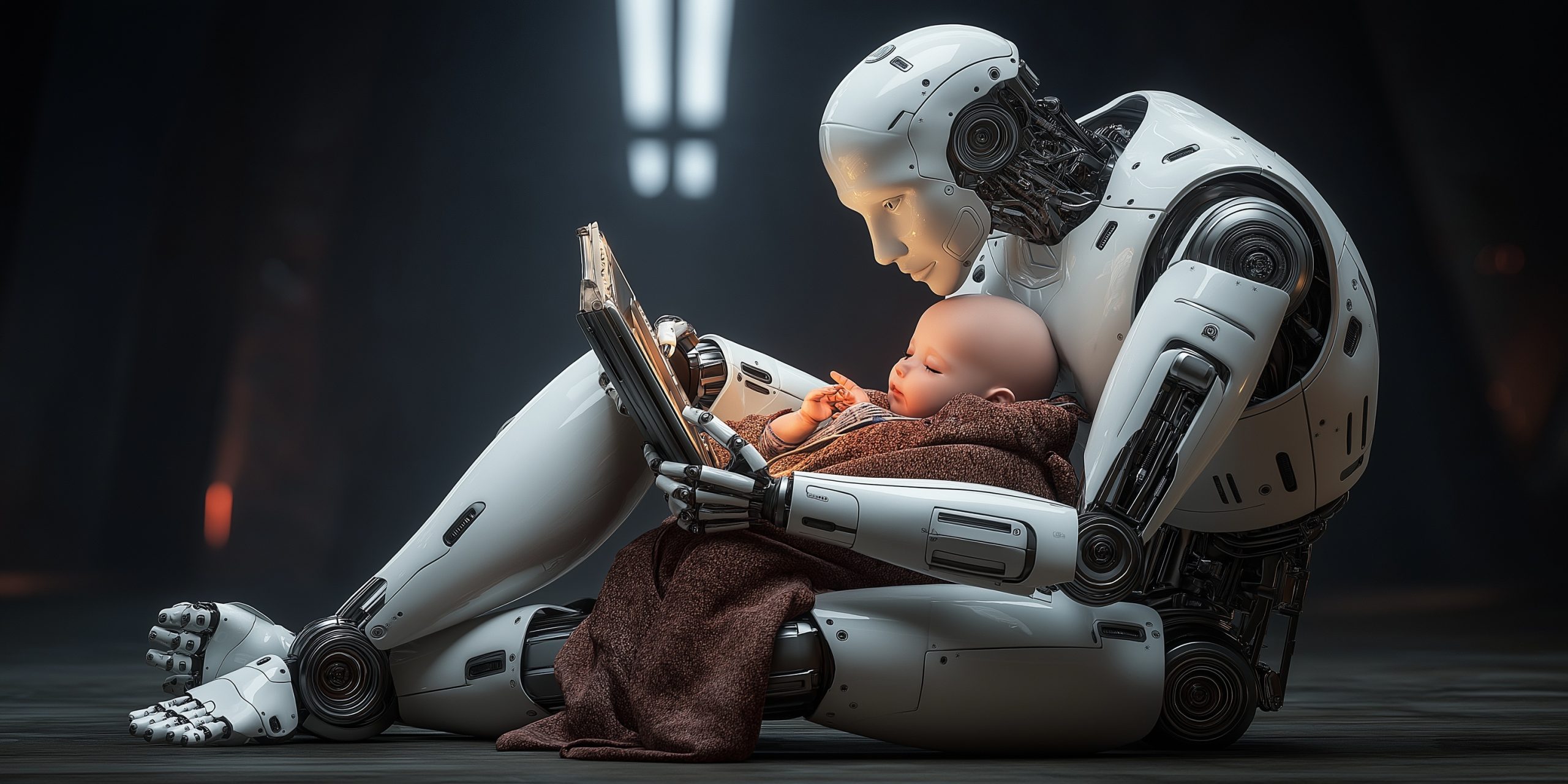
In 2031, Ashley Willows announced on social media that she was pregnant with her fourth child. She was 26, unmarried, and had no intention of ever getting married. Her three older children—ages 5, 3, and 18 months—were being raised primarily by AI-powered robotic caregivers in a communal housing complex in Austin specifically designed for women like her.

“I’m not a welfare mom,” she told the reporter interviewing her. “I’m a Vitalist. My job is to populate the universe, and I’m damn good at it.”

The Vitalists are the most unexpected social movement of the 2030s, and they’re rewriting everything we thought we knew about family, work, gender roles, and the future of civilization itself.

Continue reading… “The Vitalists: How Gen Z Women Decided to Populate the Universe”

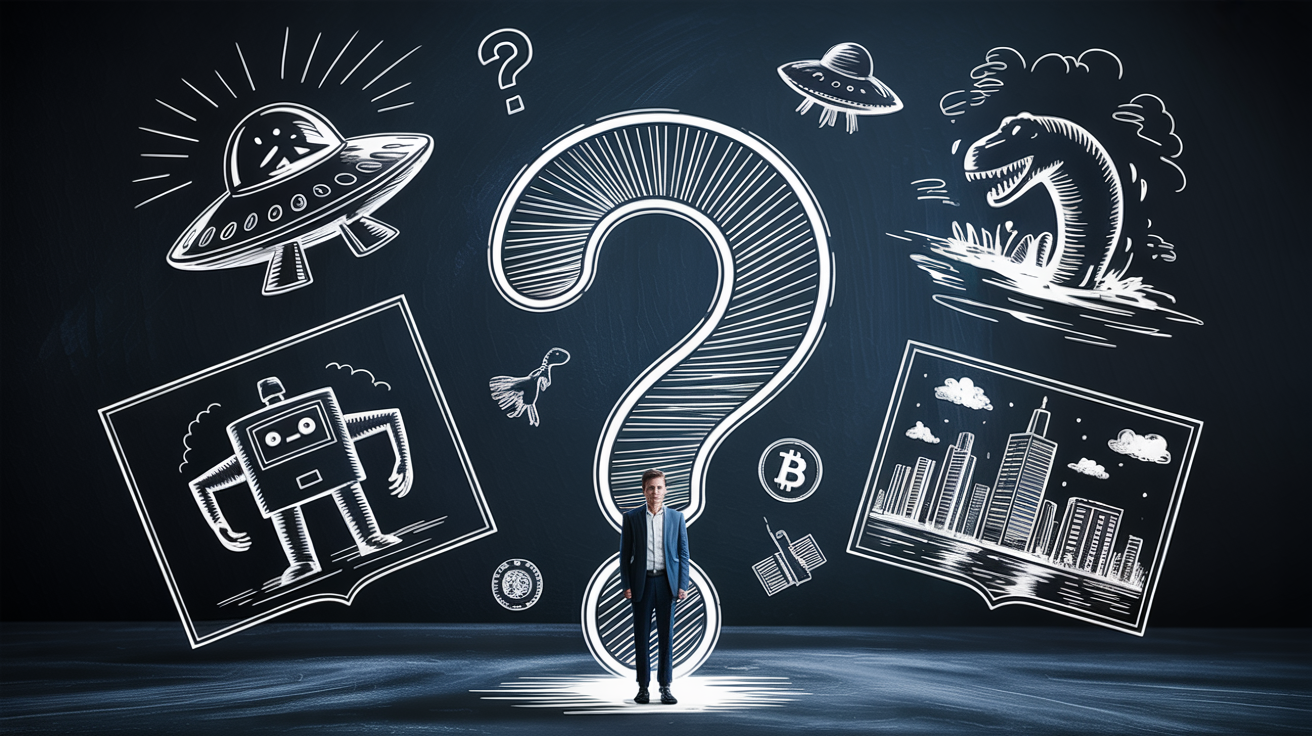
Beyond Unanswerable Questions: What Stumps the World When AI Can Answer Anything?

By Futurist Thomas Frey

For years, I’ve been known as the “unanswerable questions guy”—the person who asks questions that make people pause, scratch their heads, and admit they genuinely don’t know.

I’ve asked questions like “What comes after the Internet?” and “How many galaxies will humans eventually colonize?” Questions that neither science nor religion could definitively answer. Questions about managing systems that don’t exist yet, about unintended consequences we can’t foresee, about futures we can barely imagine.

But something fundamental has shifted. With AI, there are no questions that AI cannot answer. Some answers are speculative, some are wrong, some are poorly reasoned—but there are no “I don’t knows.” Ask an AI anything, and it will give you something.

So what’s the equivalent moving forward? What stumps the world when machines can generate plausible responses to anything we throw at them?

Continue reading… “Beyond Unanswerable Questions: What Stumps the World When AI Can Answer Anything?”

The Great Unraveling: When Three Generations Decide to Burn It All Down

By Futurist Thomas Frey

Harper James sat across from her mother at Thanksgiving 2034, and for the first time in years, they weren’t arguing about politics or money or whose generation had it worse.

They were planning which system to dismantle next.

Harper’s Gen Z cohort had already kneecapped the prison industrial complex with Ward the Warden. They’d begun the great banking exodus, routing around traditional finance entirely. They’d started rebuilding healthcare from scratch. Now her Gen X mother and Millennial brother were joining the fight—not as allies of convenience, but as co-conspirators who’d finally admitted they’d been screwed by the same con.

The American Dream, they agreed, had been the greatest rug pull in history. And they were done pretending otherwise.

Continue reading… “The Great Unraveling: When Three Generations Decide to Burn It All Down”

The Healthcare Revolution Gen Z Will Demand: Zero Pills, Maximum Results

By Futurist Thomas Frey

I’m about to make a lot of people in the pharmaceutical industry very uncomfortable. But my job isn’t to protect existing business models—it’s to accurately portray what future generations will demand. And what they’ll demand in healthcare will make today’s system look as outdated as bloodletting.

Continue reading… “The Healthcare Revolution Gen Z Will Demand: Zero Pills, Maximum Results”

The $50 Doctor Visit: How Robo-Doctors Will Destroy Insurance

By Futurist Thomas Frey

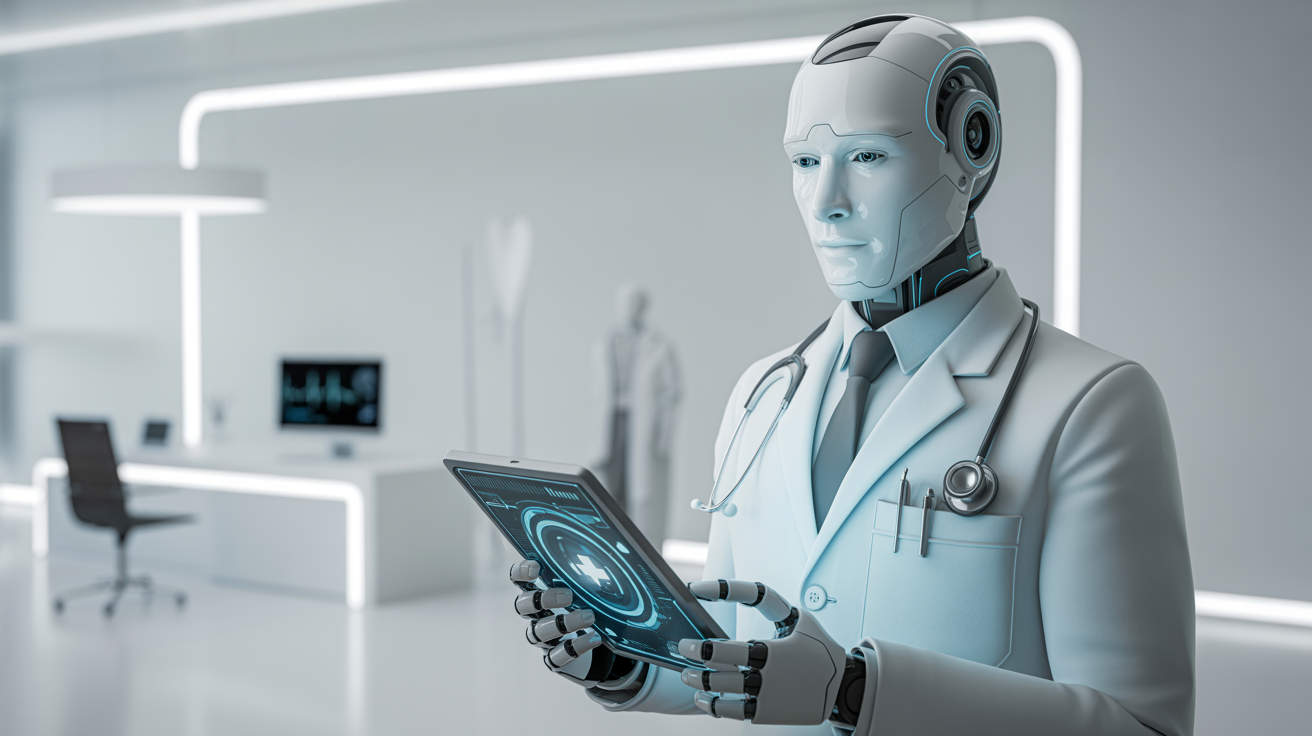
Dr. Sarah Austin opened her new practice in suburban Phoenix last month with an unusual setup: one human doctor (herself), eight humanoid robo-doctors, and a radical business model that’s about to upend American healthcare.

No insurance accepted. $50 per visit. Cash, credit, or digital payment. That’s it.

Here’s how it works: Patients are greeted by one of eight robo-doctors—humanoid robots with advanced diagnostic AI, medical knowledge databases updated daily, and the ability to conduct physical examinations. The robo-doctor spends 30-45 minutes with each patient—far longer than the 7-minute average at traditional practices—taking comprehensive medical histories, conducting thorough physical exams, and analyzing symptoms with superhuman diagnostic accuracy.

Continue reading… “The $50 Doctor Visit: How Robo-Doctors Will Destroy Insurance”

The New Normal: Three Lives, Three Different Perspectives, in 2040

By Futurist Thomas Frey

What does everyday life actually look like in 2040? Not the breathless tech announcements about Mars settlements or the philosophical debates about brain-computer interfaces, but the grinding, beautiful, mundane reality of paying bills, raising kids, navigating relationships, advancing careers, and trying to build a meaningful life in a world that’s been fundamentally transformed by technologies that are barely prototypes today.

When we think about the future, we tend to focus on the spectacular—the moon colonies, the flying cars, the medical miracles. But the real future is lived in the spaces between those headlines: the morning commute (or lack thereof), the career anxieties that keep you awake at 3 AM, the vacation you save for all year, the healthcare decisions that determine your quality of life, the housing costs that dominate your budget, the relationships you struggle to maintain despite infinite connectivity, the retirement planning that spans decades you’re not certain you’ll live to see.

Continue reading… “The New Normal: Three Lives, Three Different Perspectives, in 2040”

The Wetware Frontier: When Our Computers Are Literally Alive

By Futurist Thomas Frey

When we thought computers were reaching their limit, nature quietly handed us the next leap. In the Swiss town of Vevey, researchers at the startup FinalSpark are cultivating human brain organoids—mini-brains grown from stem cells—and plugging them into electrode arrays to act as living processors. These clumps, each measuring just a few millimetres, are no longer just models for neuroscience—they’re becoming the underlying architecture of tomorrow’s computing infrastructure.

Biological neurons already out-strip silicon on raw metrics: they’re approximately one million times more energy efficient than current artificial neurons, and they self-organize, self-repair and rewire. What we once simulated, we’re now assimilating. Rather than mimic the brain with chips, we’re tapping the brain’s hardware itself. The implication: “wetware” computing is no longer science fiction—it’s system design.

Continue reading… “The Wetware Frontier: When Our Computers Are Literally Alive”
Discover the Hidden Patterns of Tomorrow with Futurist Thomas Frey
Unlock Your Potential, Ignite Your Success.

By delving into the futuring techniques of Futurist Thomas Frey, you’ll embark on an enlightening journey.

Learn More about this exciting program.