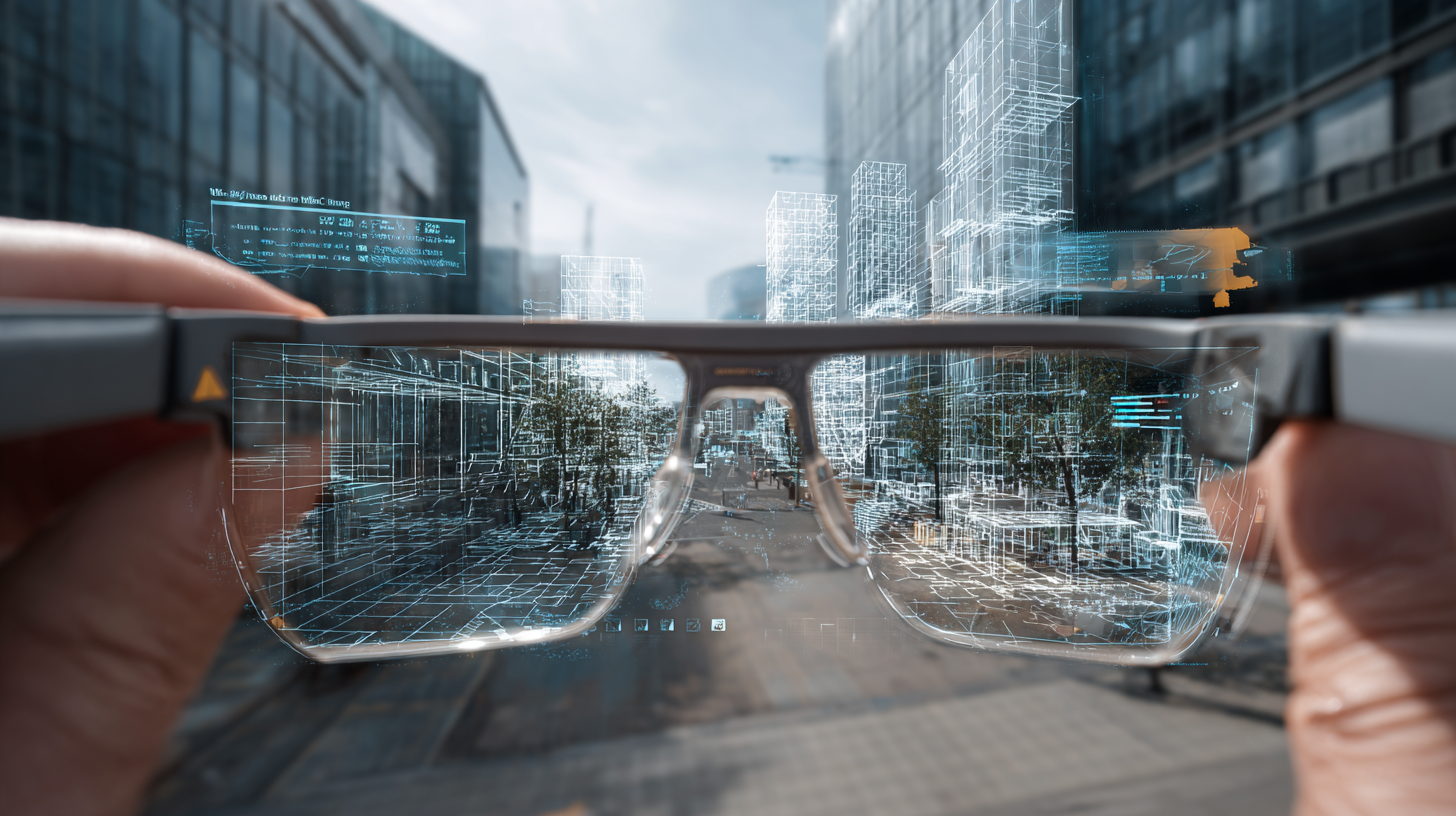
Smart Glasses: The Next Form Factor for Smartphones?

By Futurist Thomas Frey

The smartphone may go down as one of the most transformative devices in human history. It collapsed cameras, calculators, maps, radios, books, and computers into a device small enough to slip into a pocket. But as revolutionary as it has been, the smartphone is not the final form factor of personal technology. Something new is waiting to replace it—and all signs point to smart glasses.

Already, companies like Meta, Apple, and others are racing to perfect wearable devices that overlay data onto the real world. But what if smart glasses are not just the next interface for calls and texts, but the gateway to something far more radical: recording, storing, and replaying the entire human experience?

Continue reading… “Smart Glasses: The Next Form Factor for Smartphones?”
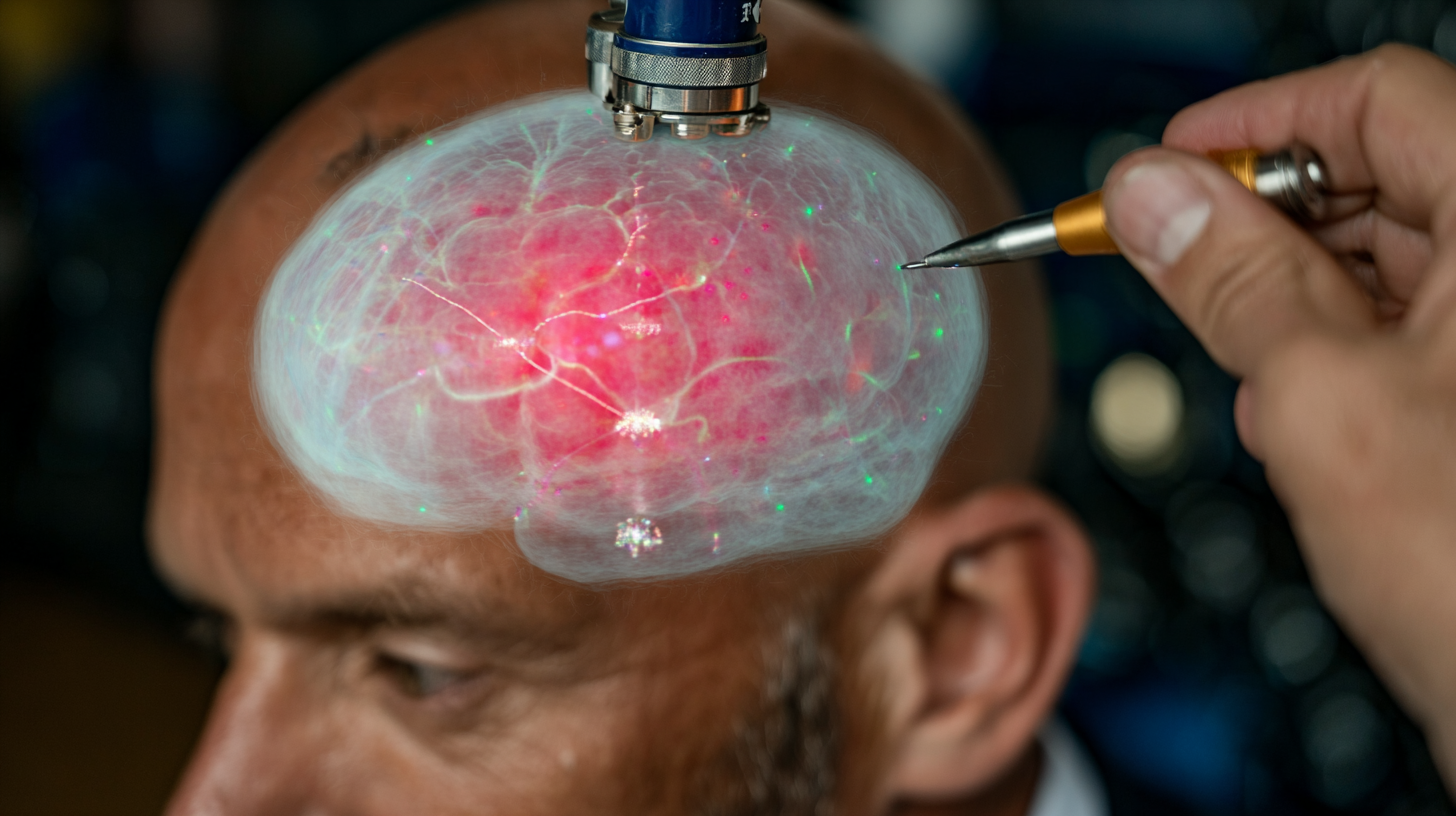
The Ultrasound Helmet: A Non-Surgical Gateway Into the Deep Brain

For centuries, the human brain has been described as the most complex object in the known universe. And while modern neuroscience has mapped countless neural pathways, the deepest regions of the brain—structures like the basal ganglia and the thalamus—remain a stubborn frontier. These areas govern movement, emotion, motivation, and decision-making, yet when they go awry, they spark conditions as devastating as Parkinson’s disease, depression, and essential tremor.

The problem has always been access. To study or influence these deep-brain circuits, medicine has relied on invasive surgery: drilling holes, implanting electrodes, or burning away malfunctioning tissue. These procedures can be life-changing, but they carry enormous risks. What if there were a way to reach the same circuits with no scalpel, no implant, and no irreversible damage?

Continue reading… “The Ultrasound Helmet: A Non-Surgical Gateway Into the Deep Brain”

3D Bioprinting the Placenta: Unlocking the Mysteries of Pregnancy

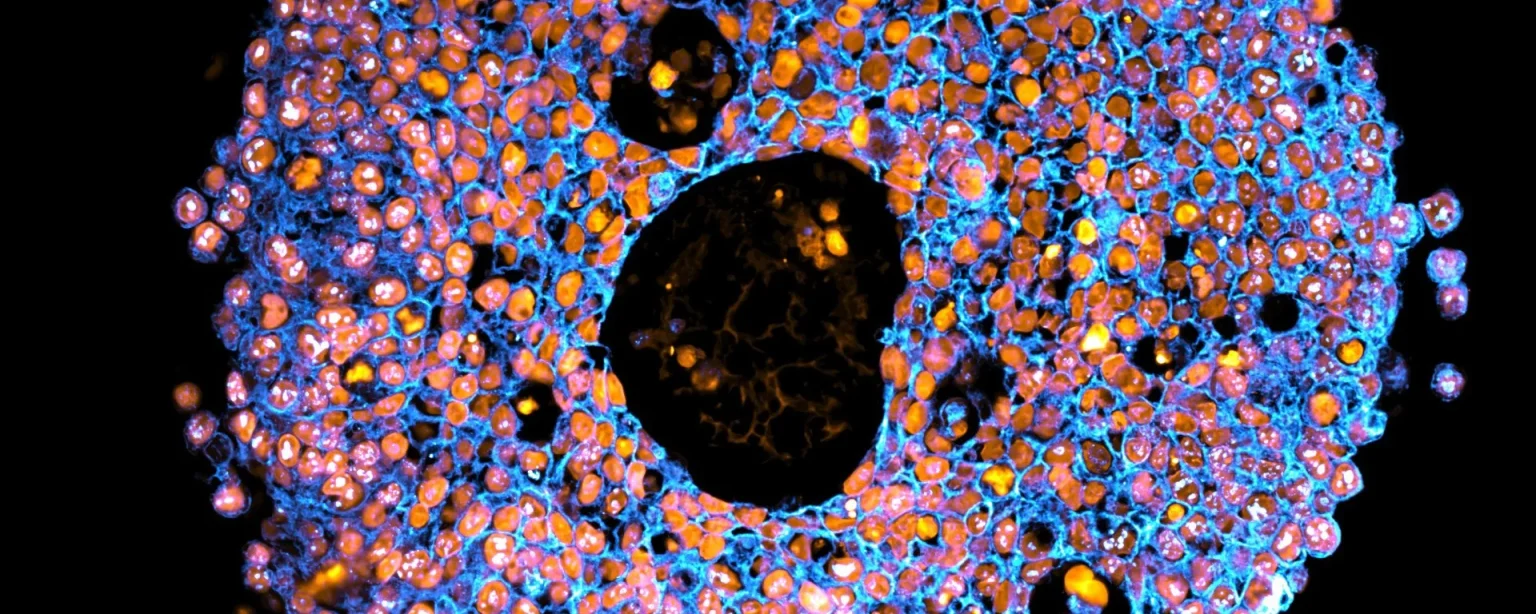
Few biological systems remain as enigmatic—and as critical to human survival—as the placenta. This temporary organ is the lifeline between mother and child, orchestrating the exchange of nutrients, oxygen, and hormones during pregnancy. When it works well, life thrives. When it malfunctions, the results can be devastating, leading to hundreds of thousands of maternal deaths and millions of infant deaths worldwide each year.

For decades, scientists have struggled to study the placenta during its earliest, most formative stages. By the time a pregnancy reaches full term, the placenta has already transformed so dramatically that it no longer reflects its early biology. Obtaining first-trimester tissue is nearly impossible without endangering the pregnancy. Animal models, meanwhile, fail to capture the uniquely human complexity of this organ.

Continue reading… “3D Bioprinting the Placenta: Unlocking the Mysteries of Pregnancy”

Meta’s Smart Glasses: The Beginning of AI Worn on Your Face

At Meta’s annual Connect conference, Mark Zuckerberg unveiled what could be remembered as a defining step in the evolution of human-computer interaction. Forget keyboards, forget touchscreens, forget even the smartphone—Meta believes the future is something you wear, something that sees what you see, hears what you hear, and responds to the subtlest flicker of a thought.

The newly launched Meta Ray-Ban Display glasses combine a tiny integrated display with an AI-powered neural wristband that reads barely perceptible movements. At $799, they are not a casual purchase, but Zuckerberg is clear about their role: this is the next stage of humanity’s digital interface.

Continue reading… “Meta’s Smart Glasses: The Beginning of AI Worn on Your Face”

Using Electricity To “Reprogram” the Immune System for Faster Healing

For centuries, medicine has relied on chemistry—pills, potions, injections, and therapies designed to alter biology through molecules. But a new frontier is emerging, one that swaps chemistry for circuitry. What if the body’s own immune system could be reprogrammed not by drugs, but by electricity?

That future may have just taken its first real step forward.

A team of scientists at Trinity College Dublin has discovered that a simple electric current can rewire one of the most important components of our immune system—the macrophage. By applying controlled electrical stimulation, these immune cells can be “persuaded” to suppress harmful inflammation and accelerate tissue repair. The work, published in Cell Reports Physical Science, signals the dawn of what could become an entirely new class of medicine: bioelectric healing.

Continue reading… “Using Electricity To “Reprogram” the Immune System for Faster Healing”

Empty Playgrounds: The Future Cost of Declining Birthrates

By Futurist Thomas Frey

Walk past an elementary school at recess in many parts of the world today, and you’ll notice something unusual: silence. Fewer children fill the swings, the monkey bars, or the soccer field. In some places, entire playgrounds sit locked, weeds growing through cracks in the pavement, as declining birthrates reshape societies faster than most people realize.

We are living in an age of shrinking childhood. Every year, fewer children are born across the globe, and the consequences will ripple far beyond the classroom. This isn’t just a story about demography—it’s about the future of work, culture, cities, and even human identity. The echo of empty playgrounds will be one of the defining sounds of the 21st century.

Continue reading… “Empty Playgrounds: The Future Cost of Declining Birthrates”

The Future of Off-Grid Housing: A 2035 Solution to High-Priced Homes

by Futurist Thomas Frey

The Crisis That Sparked Change

By the mid-2020s, the housing crisis had become unbearable. In major cities across the globe, the cost of owning or renting a home far outpaced wage growth. Utilities—electricity, water, waste—were draining family budgets as grids aged and struggled to keep up with demand. Younger generations gave up on the dream of home ownership, while developing nations watched populations pour into cities faster than infrastructure could be built.

History tells us that when pressures mount, innovation follows. Out of this crisis came an idea once dismissed as fringe or utopian: off-grid housing.

Continue reading… “The Future of Off-Grid Housing: A 2035 Solution to High-Priced Homes”

What Industries Will Produce the First Trillionaires?

by Futurist Thomas Frey

For most of modern history, the title of “richest person in the world” has been associated with billionaires—the Rockefellers, Carnegies, Gates, Bezoses, and Musks of their time. But we are quickly moving into a new era, one where the first trillionaire will emerge. The trillionaire milestone won’t just be about wealth; it will mark a structural shift in how industries generate value at global scale.

So which industries are poised to mint humanity’s first trillionaires? The answer lies in technologies and systems that do more than scale—they transform. These are not incremental plays. They are foundational shifts, unlocking new layers of human productivity and planetary resources.

Continue reading… “What Industries Will Produce the First Trillionaires?”

The End of Needles? Bubble-Powered Robots May Change Medicine Forever

Imagine a future where the dreaded needle prick at the doctor’s office becomes obsolete. No more cold steel, no more anxiety, no more crying children clutching their arms. Instead, drugs could be delivered by microscopic robots that ride shockwaves from collapsing bubbles—harnessing one of nature’s most violent yet controllable forces to perform delicate medical miracles.

A joint team of American and Chinese researchers has taken the first steps toward this future by turning bubble collapse—known as cavitation—into a propulsion system for microrobots. Cavitation is usually a destructive process, the same one that chews up ship propellers and turbine blades as vapor bubbles form and implode in liquid. But when carefully controlled, the violent energy from a bursting bubble can become an engine.

Continue reading… “The End of Needles? Bubble-Powered Robots May Change Medicine Forever”

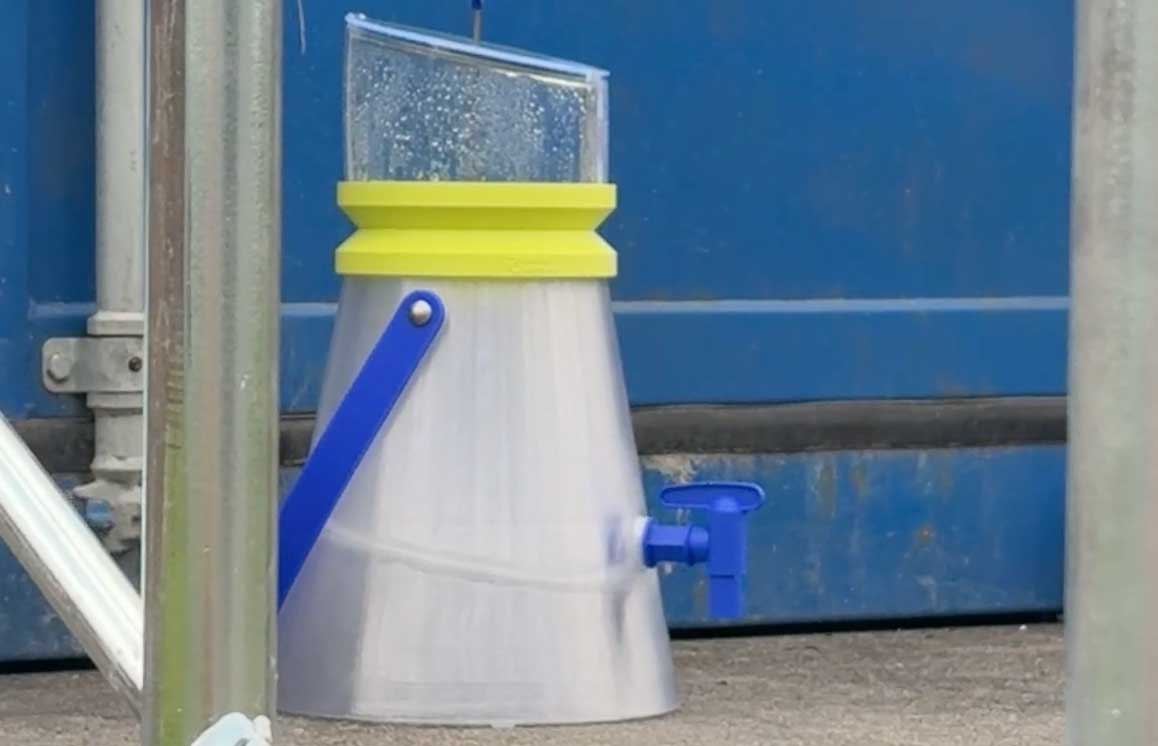
Drinking Water from Thin Air: How 3D Printing Could Solve Humanity’s Thirst

More than two billion people across the globe still lack reliable access to clean drinking water. We tend to think of water as a resource found in rivers, lakes, or deep underground, but the atmosphere itself holds more water than all the rivers on Earth combined. What if the very air around us could be tapped like an invisible reservoir?

That’s exactly what two students at Münster University of Applied Sciences have set out to do. Their project, Water from Air, takes a futuristic approach to one of humanity’s oldest problems—using 3D printing and advanced materials to harvest water directly from the atmosphere.

Continue reading… “Drinking Water from Thin Air: How 3D Printing Could Solve Humanity’s Thirst”

The Dawn of Light-Powered Computing: Microsoft’s Optical Leap Beyond Silicon

For half a century, computing has been chained to silicon. Chips packed with billions of transistors have carried us from room-sized mainframes to smartphones in our pockets, but Moore’s Law is running out of runway. The next frontier may not be smaller circuits at all—but light itself.

At Microsoft’s Cambridge Research Lab in the U.K., scientists have built a prototype analog optical computer (AOC) that doesn’t rely on electrons but beams of light to perform computations. This radical shift could accelerate artificial intelligence, financial modeling, and medical diagnostics by as much as 100 times, while consuming just a fraction of the energy required by today’s processors.

Continue reading… “The Dawn of Light-Powered Computing: Microsoft’s Optical Leap Beyond Silicon”

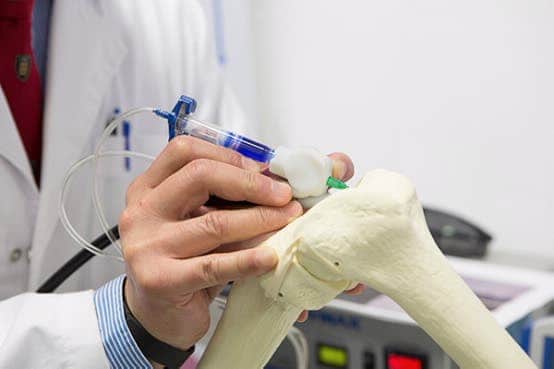
Printing Bones in Real Time: The Handheld Device That Could Redefine Surgery

Imagine a surgeon standing over a complex fracture, not with a tray of pre-made implants but with something that looks like a glue gun—only instead of glue, it prints living scaffolds that function like bone. With a squeeze of the trigger, the surgeon literally rebuilds the skeleton in real time, layer by layer, tailored perfectly to the patient’s unique injury. What sounds like medical science fiction is now a very real possibility, thanks to a new handheld 3D printing device developed by a collaboration of researchers in Korea, the U.S., and top institutions like MIT and Harvard.

Continue reading… “Printing Bones in Real Time: The Handheld Device That Could Redefine Surgery”