The Dinner That Rewired a City: How 3,400 Strangers in Littleton Point to the Future of Local Civilization

By Futurist Thomas Frey

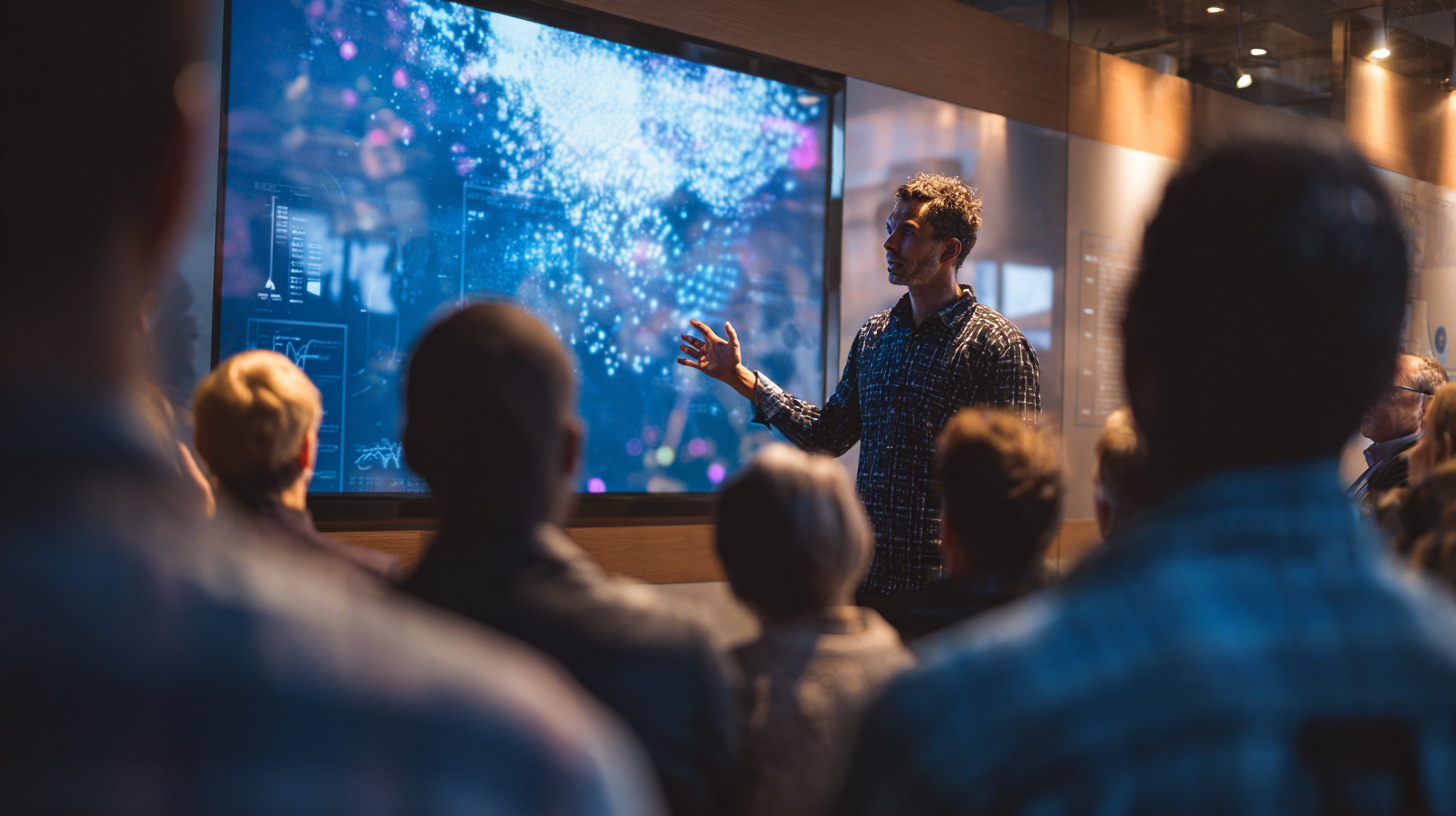
On an ordinary late-summer evening in Littleton, Colorado—a quiet suburb of 42,000 people—something extraordinary happened. Seven percent of the city showed up to dinner. (Photo Credit: Steve Slocomb Photography)

No protests, no politics, no speeches. Just tables stretching down Main Street, hundreds of conversations, and thousands of people rediscovering something that once defined communities but has all but vanished from modern life: the simple act of breaking bread together.

It may sound quaint, but this is how revolutions begin—not with hashtags or global summits, but with neighbors deciding to show up, sit down, and talk like human beings again.

Continue reading… “The Dinner That Rewired a City: How 3,400 Strangers in Littleton Point to the Future of Local Civilization”
The Universal Organ Revolution: When Blood Types Stop Being Barriers

By Futurist Thomas Frey

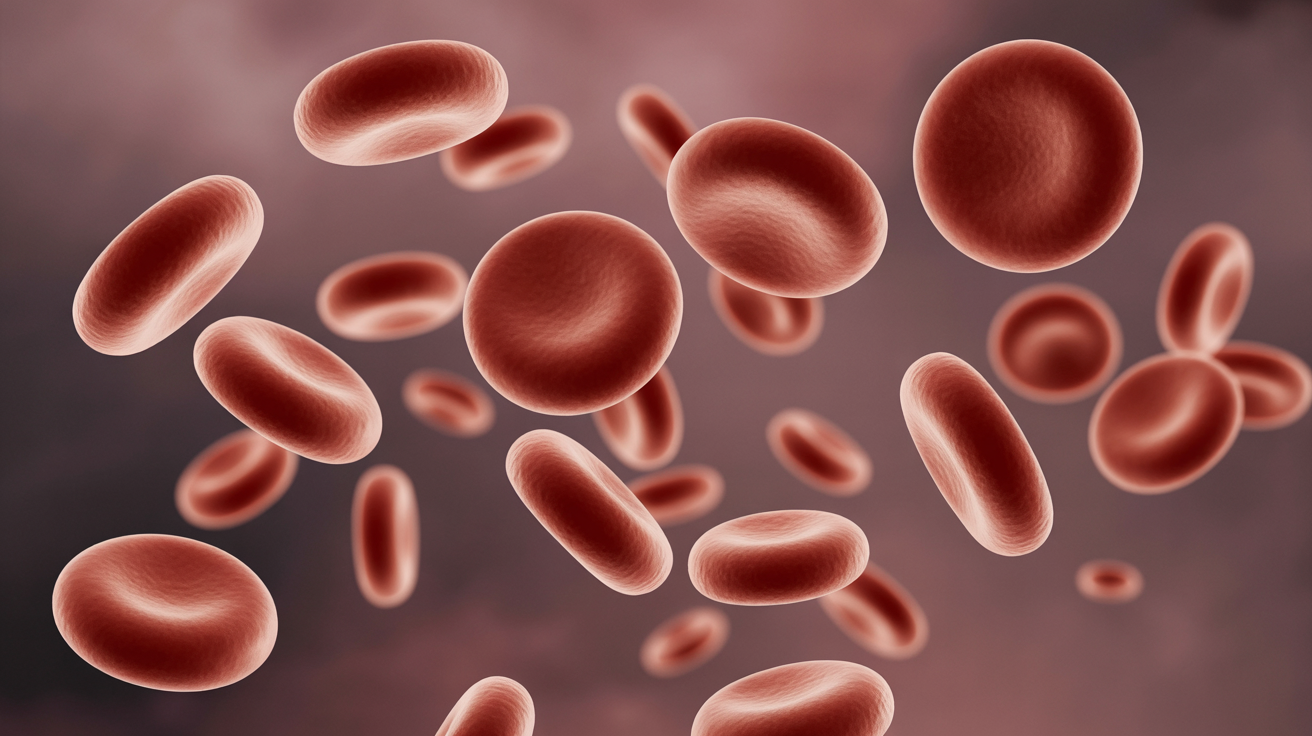
A new frontier in transplant medicine has just cracked one of its most entrenched constraints: blood type compatibility. Scientists have successfully converted a donor kidney’s blood type from A to O before transplantation, dramatically shrinking the barriers that prevent thousands from getting the organs they need. IFLScience

This isn’t incremental progress. It’s a glimpse of a future in which universal organs are the norm, not the exception—and where the mismatch between donor and recipient becomes an artifact of the past.

Continue reading… “The Universal Organ Revolution: When Blood Types Stop Being Barriers”

The Fingerprint Matrix: Ushering in the Biometric Dawn

By Futurist Thomas Frey

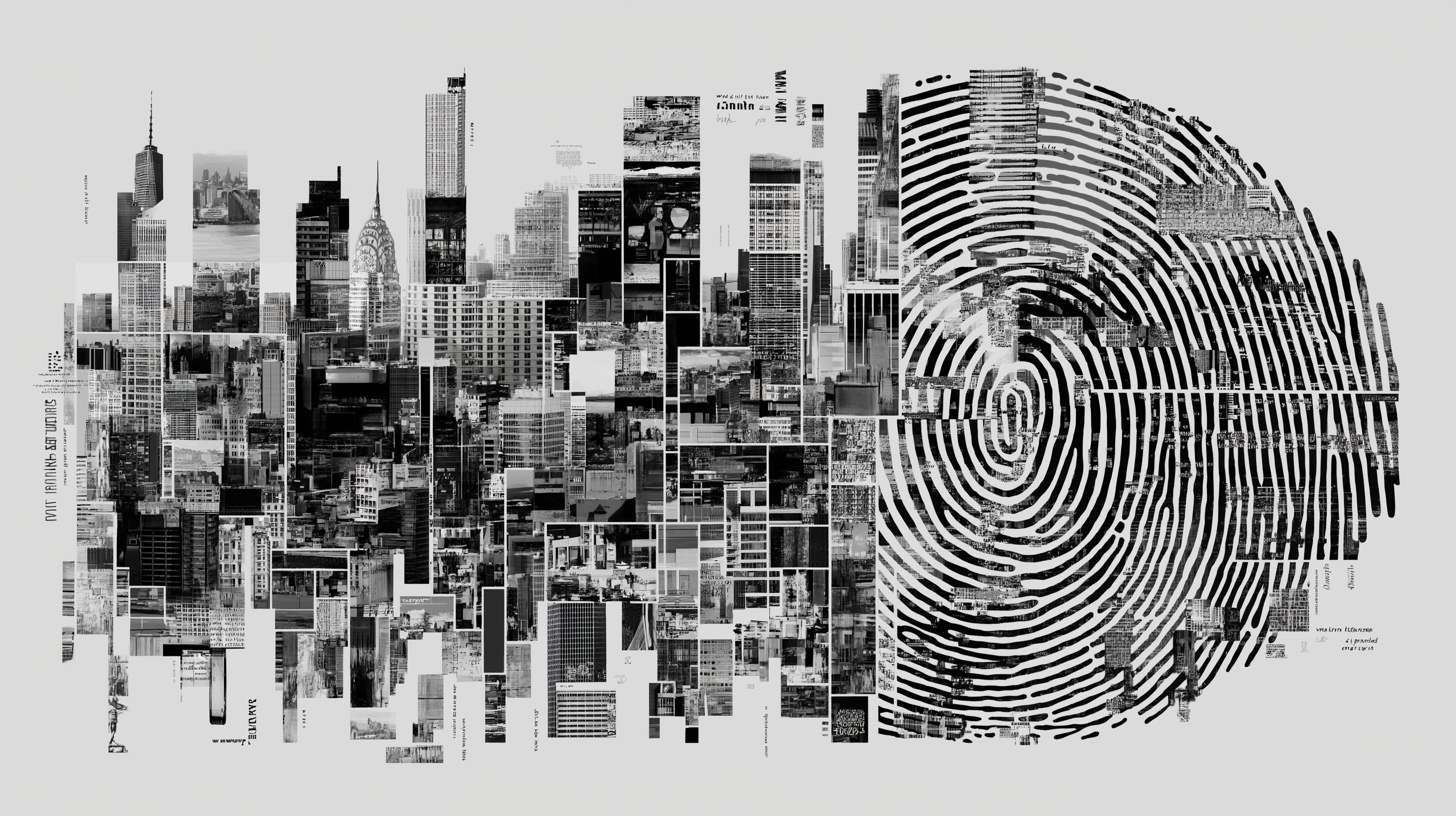
A quiet revolution is brewing in identity—and it’s about to make passwords, cards, and tokens look archaic. Researchers have developed what’s being called a “fingerprint matrix,” a breakthrough biometric technology that promises to embed your identity into everything you do. This isn’t just an incremental upgrade in security—it’s a foundational shift in how we prove who we are.

Imagine every surface, every interaction, every digital entry point recognizing you without a password or key. That’s where the fingerprint matrix is headed—and it will remake security, privacy, economies, and trust in ways few people yet grasp.

Continue reading… “The Fingerprint Matrix: Ushering in the Biometric Dawn”

The Molecule That Turns Off Hunger: Engineering the Future of Appetite

By Futurist Thomas Frey

In the not-so-distant future, the familiar pang of hunger may become a relic of the past—like dial-up internet or horse-drawn carriages. A breakthrough uncovered by researchers at Baylor, Stanford, and other institutions has revealed a naturally produced molecule—Lac-Phe—that effectively “switches off” appetite in the brain.

The implications aren’t incremental. This is the kind of discovery that upends entire industries: diet culture, obesity treatment, pharmaceuticals, wellness tech, even how we define bodily autonomy. If hunger can be dialed down with molecular precision, we may be entering the era of engineered appetite—and the ethical, social, and economic questions will be profound.

Continue reading… “The Molecule That Turns Off Hunger: Engineering the Future of Appetite”

The Worker Exodus That Became the Greatest Upskilling Event in History

By Futurist Thomas Frey

In the mid-2020s, the future of warehouse work was painted in grim colors. Pundits warned of mass unemployment, shattered communities, and millions of people left behind as robots rolled in to replace human labor. What actually happened, however, has become one of the most remarkable success stories of workforce transformation in history.

By 2040, the “warehouse apocalypse” everyone feared had turned into a worker renaissance. The 4.2 million Americans who once toiled in warehouses—low-paid, injury-prone, and burned out—are now thriving in safer, higher-paying, and more fulfilling careers. They didn’t just survive automation. They rode it to a better life.

Continue reading… “The Worker Exodus That Became the Greatest Upskilling Event in History”

The Ocean Renaissance: Marine Life Rebounds 300% as Ghost Ships Eliminate Human Disruption

By Futurist Thomas Frey

By 2040, the world’s oceans are experiencing a rebirth unlike anything seen in modern history. The catalyst wasn’t a new conservation treaty or a sudden change in human behavior. It was the arrival of a new fleet of ghost ships—fully autonomous cargo vessels that now carry 68% of global trade.

The intended goal of these ships was efficiency. The unintended consequence has been nothing short of an oceanic renaissance. For the first time in two centuries, marine ecosystems are rebounding on a massive scale.

Continue reading… “The Ocean Renaissance: Marine Life Rebounds 300% as Ghost Ships Eliminate Human Disruption”

The “Genetic Awakening”: Humanity’s First Generation of Disease-Free Children

By Futurist Thomas Frey

By 2040, the world is staring at one of the most profound transformations in human history. The first 50 million “CRISPR Generation” children—conceived between 2025 and 2030 with comprehensive genetic disease screening and editing—are now teenagers. And the data is staggering: this cohort is experiencing chronic disease rates 87% lower than any generation before them.

The implications are nothing short of revolutionary.

Continue reading… “The “Genetic Awakening”: Humanity’s First Generation of Disease-Free Children”

Robots That Act Like Children: The Next Frontier of Emotional Support

By Futurist Thomas Frey

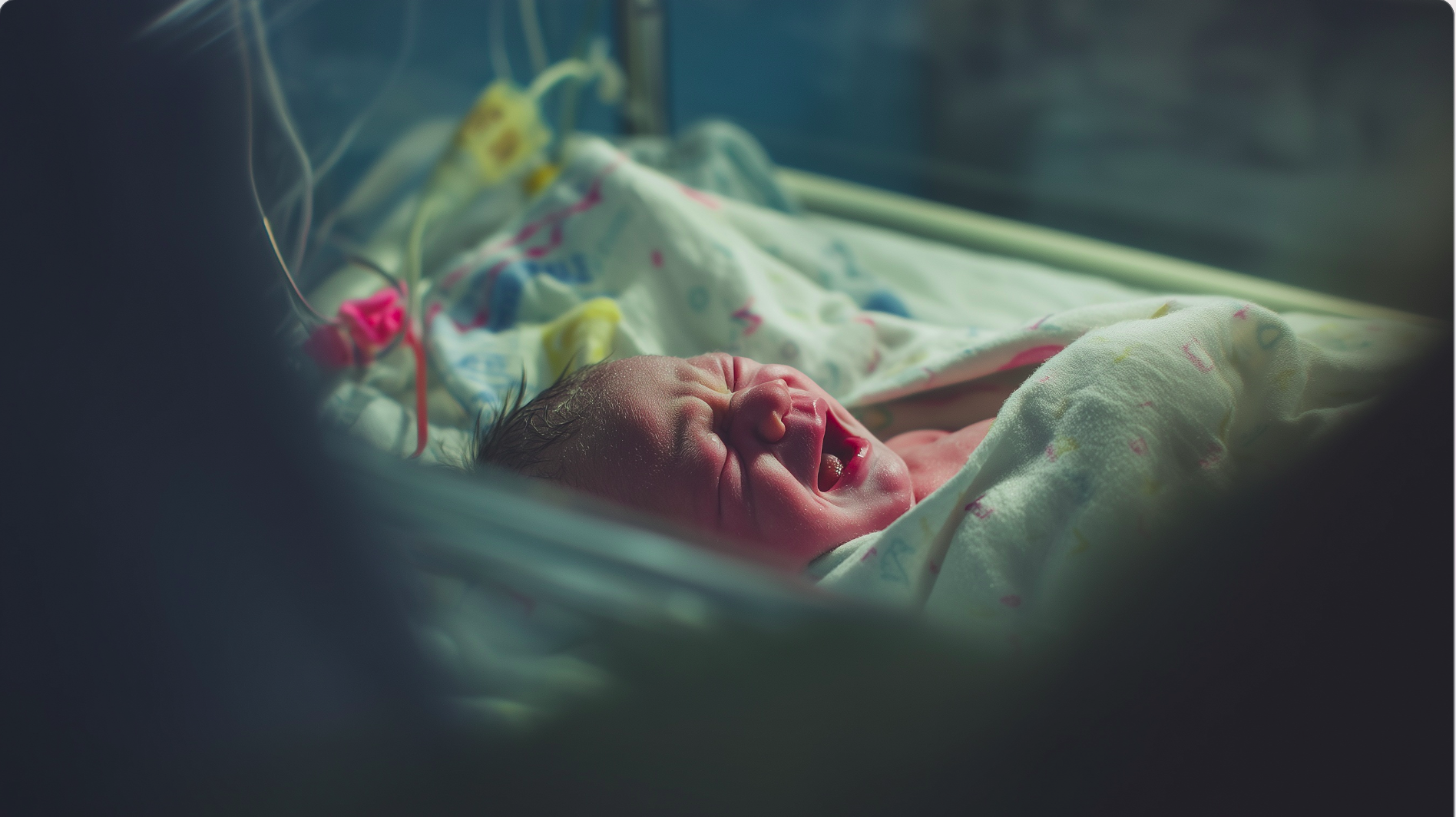
Hospitals are places of healing, but they are also places of fear, loneliness, and overwhelming stress—especially for children. To address this hidden dimension of patient care, a new kind of companion has emerged: Robin, a therapeutic robot programmed to act like a 7-year-old girl.

Developed by Expper Technologies, Robin is not just a machine rolling down hallways—it is a social presence, designed to talk, laugh, and play in ways that disarm anxiety. CEO Karen Khachikyan describes Robin as a tool to supplement the efforts of overworked medical staff, helping create emotional connections at moments when patients need them most. This is more than innovation. It is the beginning of a revolution in how society thinks about care.

Continue reading… “Robots That Act Like Children: The Next Frontier of Emotional Support”

The Silent Labor Shortage Crisis: America’s Missing Workers

By Futurist Thomas Frey

America’s job market looks strong on the surface, with headlines often touting low unemployment and steady job growth. But beneath the surface lies a problem that could reshape the nation’s economic future: a silent labor shortage crisis.

The U.S. is missing 1.7 million workers compared to pre-pandemic levels, according to the U.S. Chamber of Commerce. In some states, the gap is staggering. South Dakota, for example, has just 41 available workers for every 100 open jobs. This imbalance is not temporary. It is structural, and it’s hitting the very industries most critical to national stability—manufacturing and healthcare.

Continue reading… “The Silent Labor Shortage Crisis: America’s Missing Workers”

The Great American Fertility Crash: A Demographic Tipping Point

By Futurist Thomas Frey

America has long told itself a comforting story: even if fertility dips during recessions or crises, it eventually rebounds. But that story is no longer true. The fertility rate has fallen to 1.56–1.60 births per woman, far below the 2.1 needed for population replacement. This is not a temporary blip. It is a permanent cultural shift—one that will reshape the nation’s economy, politics, and identity for generations.

Continue reading… “The Great American Fertility Crash: A Demographic Tipping Point”

The Teen Social Media Addiction Epidemic: A Silent Crisis

By Futurist Thomas Frey

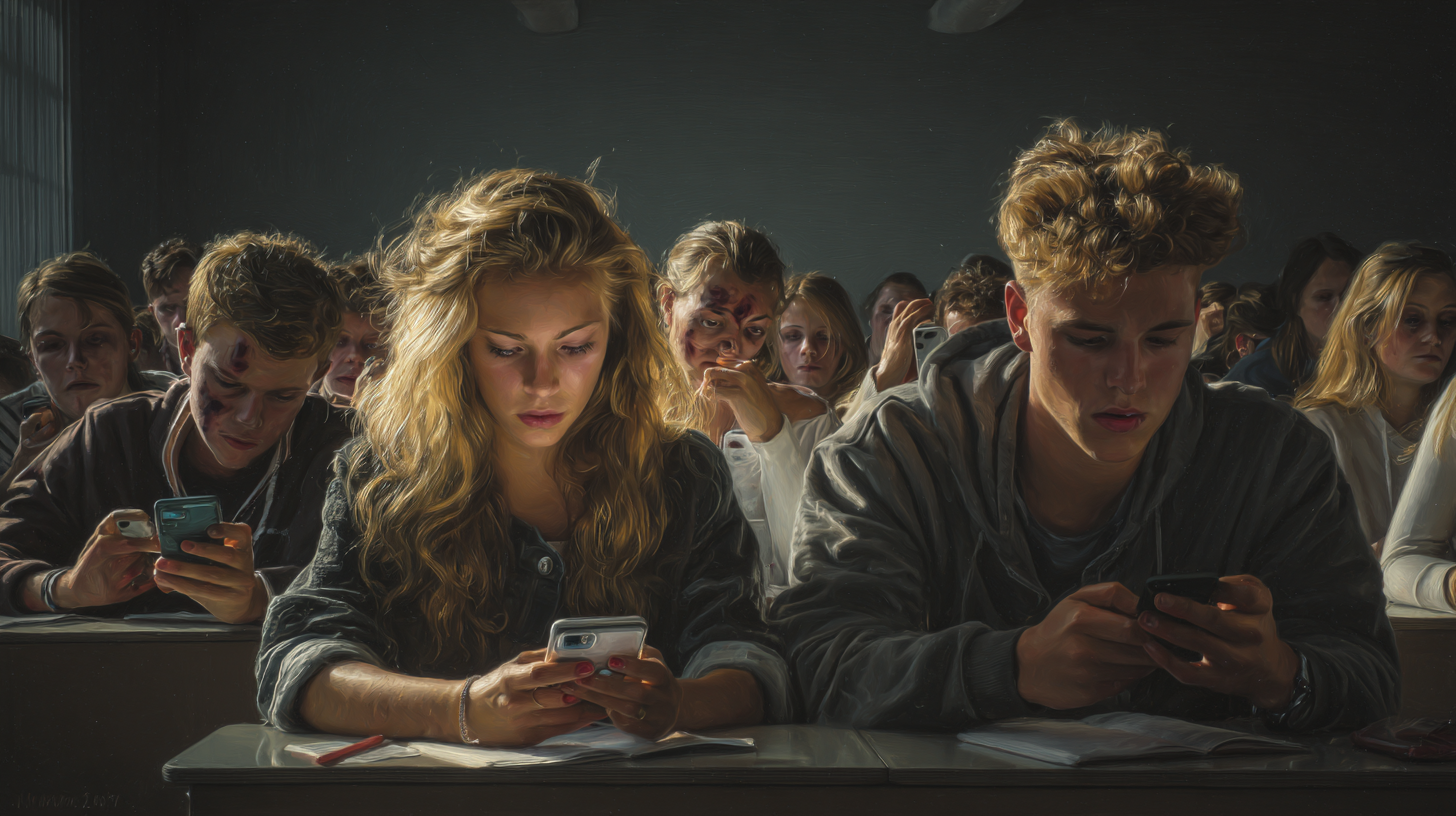
A generation is growing up tethered to their phones, not just by habit but by compulsion. By age 14, about a third of kids are already addicted to social media—a pattern linked to being 2–3 times more likely to report suicidal behaviors. Among young adults ages 18–22, the numbers climb higher, with 40% openly admitting they’re addicted.

Yet despite these alarming statistics, this crisis has barely penetrated mainstream awareness. We debate screen time limits, parental controls, or whether TikTok is rotting attention spans. But the real story is darker: social media is rewiring adolescent brains, creating behavioral dependencies that mirror gambling, drug use, and other recognized addictions—yet without the stigma or urgency that usually comes with the word “epidemic.”

Continue reading… “The Teen Social Media Addiction Epidemic: A Silent Crisis”

The Catalyst That Could Rewrite the Future of Plastic

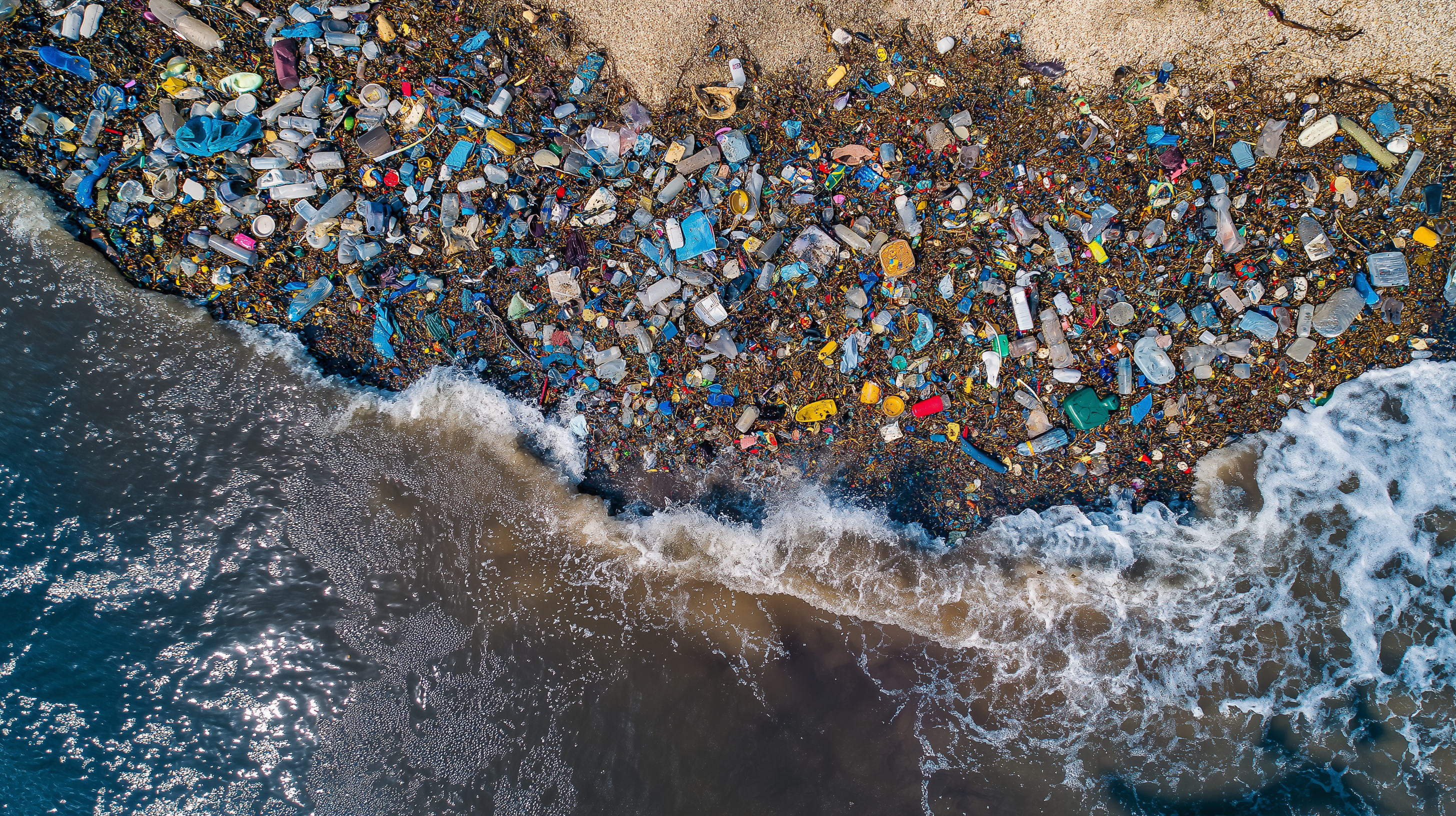
Plastic is one of humanity’s greatest paradoxes. It is cheap, durable, and useful in almost every aspect of modern life. Yet those same qualities have made it one of our greatest burdens. Billions of tons of single-use plastics accumulate each year, and only a fraction ever gets recycled. The rest is burned, buried, or scattered across the planet in forms that linger for centuries.

Now, researchers at Northwestern University may have found a game-changing way forward. Their discovery—a nickel-based catalyst that can break down mixed plastics, even those contaminated with the notoriously difficult PVC—could dramatically simplify recycling. This breakthrough has the potential to transform one of the world’s most intractable waste problems into a renewable source of valuable products.

Continue reading… “The Catalyst That Could Rewrite the Future of Plastic”