The Microbial Revolution: How Bacteria Are Building the Future of Plastic—and Then Erasing It

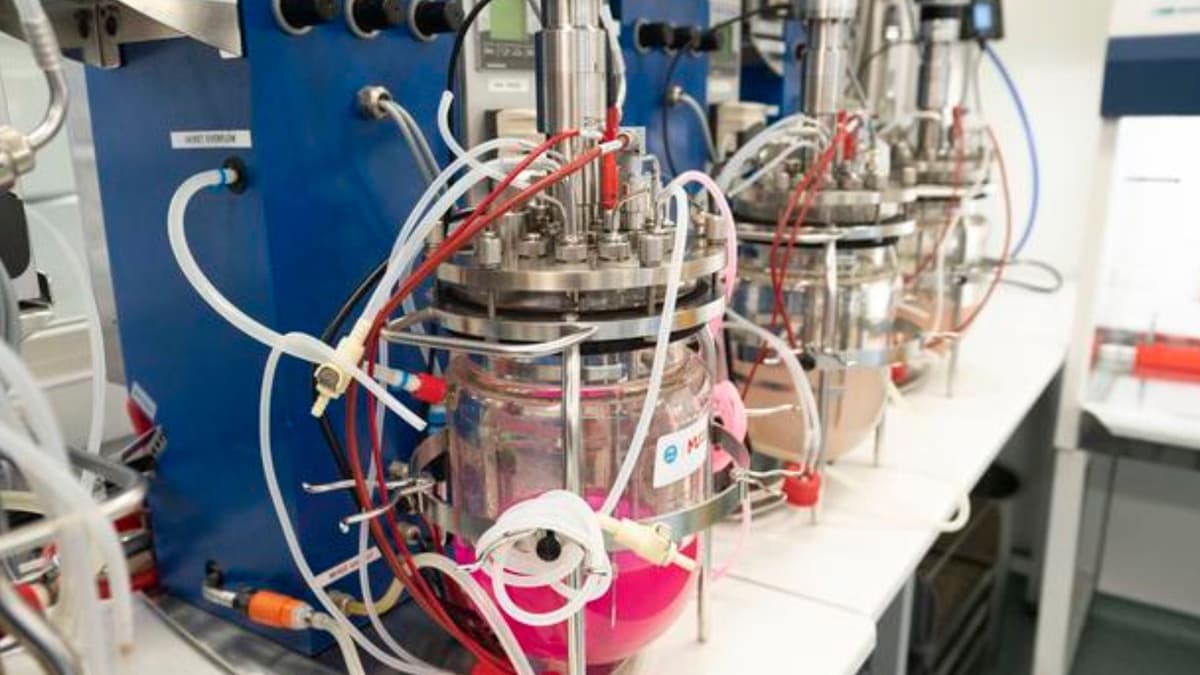
What if the solution to our plastic nightmare wasn’t some miracle machine or billion-dollar cleanup plan—but wild microbes, pulled straight from the dirt?

At Murdoch University in Western Australia, scientists have done exactly that. They’ve tapped into nature’s molecular black market and found bacteria that don’t just survive in harsh environments—they hoard resources, synthesize natural polymers, and spit out a plastic that doesn’t pollute, doesn’t linger, and doesn’t need a single drop of petroleum. When they’re done, it disappears—no toxic residue, no microplastics, no trace.

This isn’t your grandma’s compostable plastic. It’s not that flimsy “eco-friendly” fork that snaps in your hand or the greenwashed packaging that ends up in the same landfill as everything else. This is plastic reimagined from the microbial level up—engineered by nature, recovered by science, and destined to vanish like it was never there.

Continue reading… “The Microbial Revolution: How Bacteria Are Building the Future of Plastic—and Then Erasing It”
A New Era of Dairy-Free Cheese Begins

Cheese without cows? Milk without milking? It may sound like sacrilege to traditionalists—but the revolution is already fermenting.

In a lab tucked away in Europe, researchers have just pulled off a biotechnological feat that could shatter the global dairy industry: they’ve genetically engineered E. coli—yes, the same bacteria you’ve been warned about in undercooked meat—to produce casein, the protein powerhouse behind milk, cheese, and yogurt. And the implications are seismic.

Casein isn’t just a milk molecule—it’s the magic that gives cheese its stretch, yogurt its texture, and milk its calcium-carrying punch. For decades, scientists have struggled to recreate it without the cow. Whey protein? That’s been done. But casein? It’s a shape-shifting, calcium-grabbing diva of a protein—infamously hard to coax from yeast or bacteria. Until now.

Continue reading… “A New Era of Dairy-Free Cheese Begins”

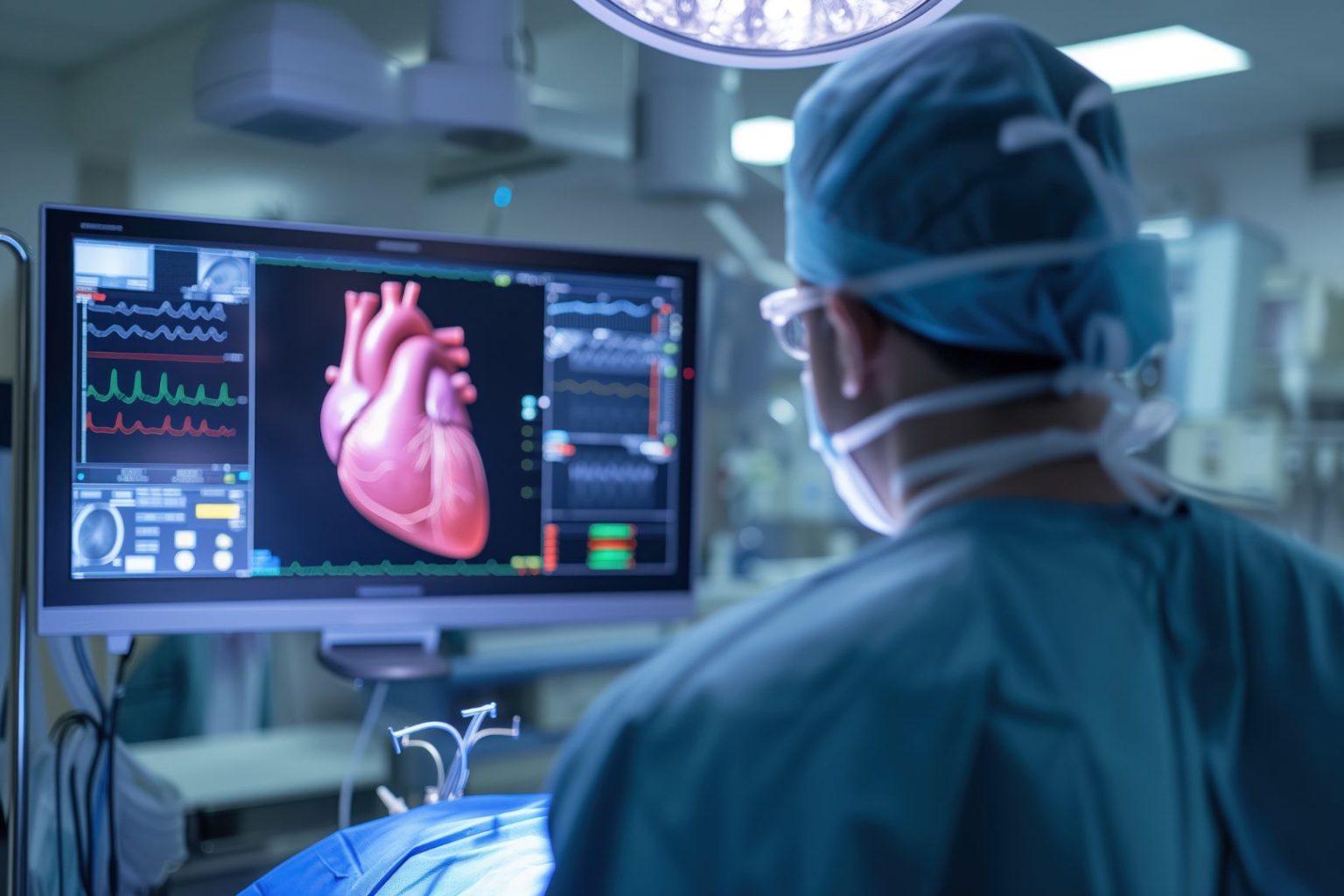
Building the Beating Heart: How 3D-Printed Patches Could Make Cardiac Failure Obsolete

For decades, modern medicine has fought heart disease with stents, pacemakers, and drugs—tools designed to manage the damage, not reverse it. But what if, instead of patching up the symptoms, we could print the cure?

At the University of Texas at Arlington, a bold team of researchers led by bioengineering professor Yi Hong is doing exactly that. They’re not just designing a device—they’re creating a living, breathing substitute for damaged heart tissue. Their weapon of choice? A 3D-printed, elastic, electrically conductive heart patch that doesn’t just support a failing heart—it teaches it how to heal.

Continue reading… “Building the Beating Heart: How 3D-Printed Patches Could Make Cardiac Failure Obsolete”

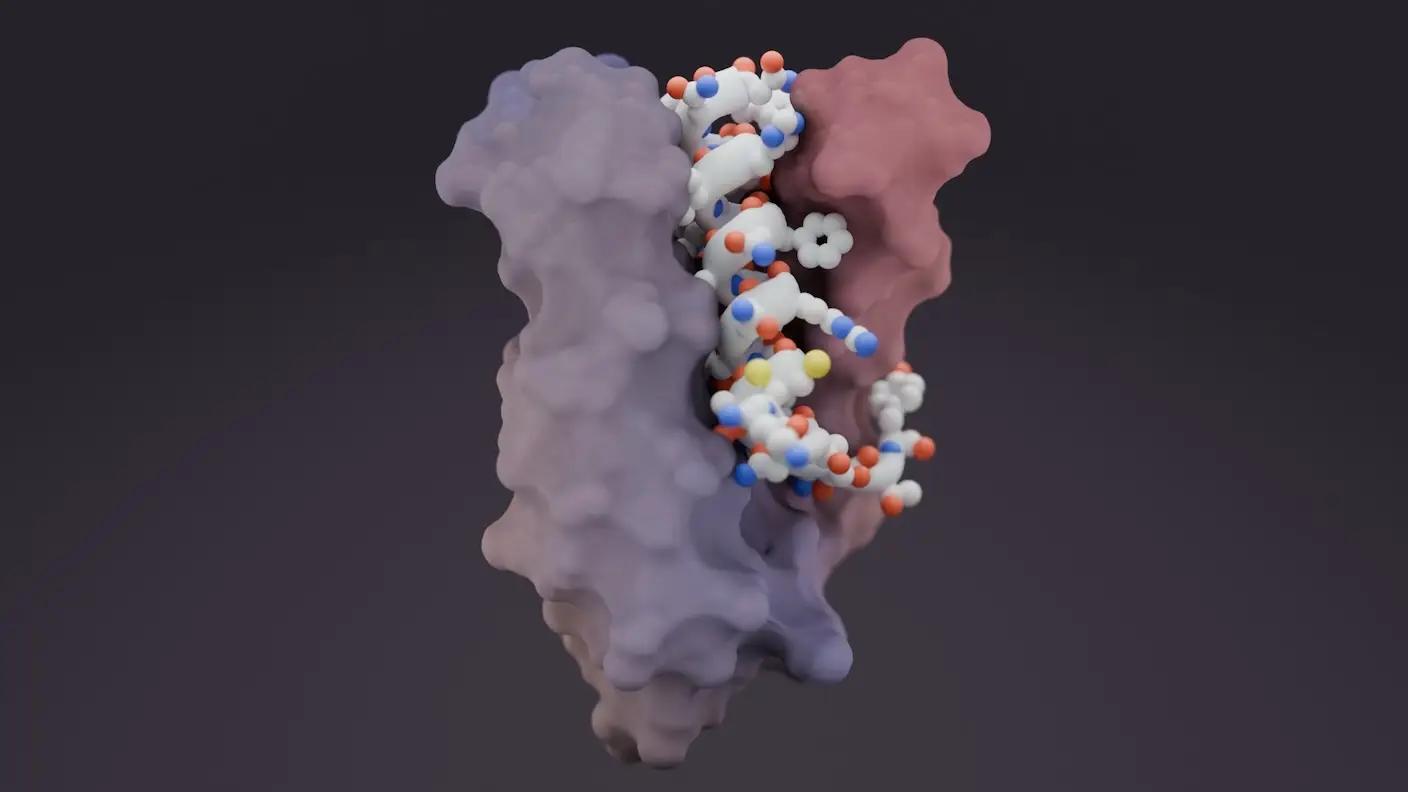
AI Just Cracked the Code on the “Undruggable”—And Nothing in the Human Body Is Off-Limits Anymore

For decades, certain diseases have loomed like unsolvable riddles—cancers that resist every treatment, brain disorders that defy pharmaceutical logic. The reason? Many of the proteins behind them simply can’t be drugged. They’re too chaotic, too slippery, too structurally unstable for anything to stick.

Until now.

Scientists at the University of Washington have just pulled off what many in the biotech world thought impossible: using AI to design protein binders that can target these so-called “undruggable” proteins—shapeshifting molecules at the heart of some of the deadliest diseases we know. Alzheimer’s. Advanced cancers. Chronic pain conditions. All suddenly within reach.

Continue reading… “AI Just Cracked the Code on the “Undruggable”—And Nothing in the Human Body Is Off-Limits Anymore”

Korea’s Hydrogen-Powered Tech: Farming Goes Off-Grid

Forget the tractor. The new icon of agriculture might just be a hydrogen fuel cell.

At a 660-square-meter greenhouse in Jeonju, South Korea, tomatoes are being cultivated in what could only be described as a technological fortress—one that produces its own power, reuses its own heat, and doesn’t flinch when the weather turns hostile. This isn’t a science fiction set. It’s a real, functioning smart farm powered by a fusion of hydrogen fuel cells, solar collectors, heat pumps, and adsorption chillers.

Built by the Korea Institute of Machinery and Materials (KIMM), this isn’t just another green experiment. It’s a declaration of energy independence for agriculture—a self-contained, AI-optimized, weather-proof growing system that slashes operating costs by over a third and cuts emissions by more than half.

Continue reading… “Korea’s Hydrogen-Powered Tech: Farming Goes Off-Grid”

The Cannibal Machines Are Coming—and They’re Evolving Without You

For decades, we’ve been focused on building smarter robot minds. Now, scientists have unlocked the next frontier: bodies that grow, heal, and scavenge.

In a stunning leap out of Columbia University, researchers have created robots that can physically rebuild themselves—not in a factory, but in the wild, using parts from their surroundings or even other robots. Dubbed “Robot Metabolism,” this new form of machine autonomy marks the beginning of self-sustaining, self-improving machines that blur the line between design and evolution.

Continue reading… “The Cannibal Machines Are Coming—and They’re Evolving Without You”

Plastic’s Replacement Is Alive—and It’s Spinning

The age of dead materials may be coming to a close. In a quietly radical experiment at the University of Houston, scientists have figured out how to grow a material strong enough to rival plastic—not from oil, but from living bacteria. And not just any bacteria. These microscopic workers are being trained, spun, and coaxed into building a future where plastic is obsolete.

At the heart of this breakthrough is bacterial cellulose—a naturally occurring biopolymer that’s strong, flexible, and fully biodegradable. Until now, it’s been treated more like a scientific curiosity than a global solution. But researcher Maksud Rahman and his team just changed that by teaching bacteria to spin stronger, smarter versions of this material in a rotating culture chamber that behaves more like a bioreactor than a petri dish.

Continue reading… “Plastic’s Replacement Is Alive—and It’s Spinning”

The Sky Is Thinking: Φsat-2 Ushers in the Era of Autonomous Earth Surveillance

While most satellites dutifully beam raw data back to Earth for humans to analyze, Φsat-2 has a different job: thinking.

Launched in August 2024, this compact cubesat—roughly the size of a shoebox—quietly crossed a major threshold this year. It didn’t just start sending images back to Earth. It began making decisions. Real decisions. About what matters, what doesn’t, and what needs our attention now.

Orbiting 510 kilometers above us, Φsat-2 is equipped with AI powerful enough to sift through cloud-covered landscapes, ignore unusable images, and zero in on wildfire zones, oil spills, marine traffic, and even earthquake aftermath. It doesn’t wait for instructions. It triages. It prioritizes. It edits reality before we even see it.

Continue reading… “The Sky Is Thinking: Φsat-2 Ushers in the Era of Autonomous Earth Surveillance”

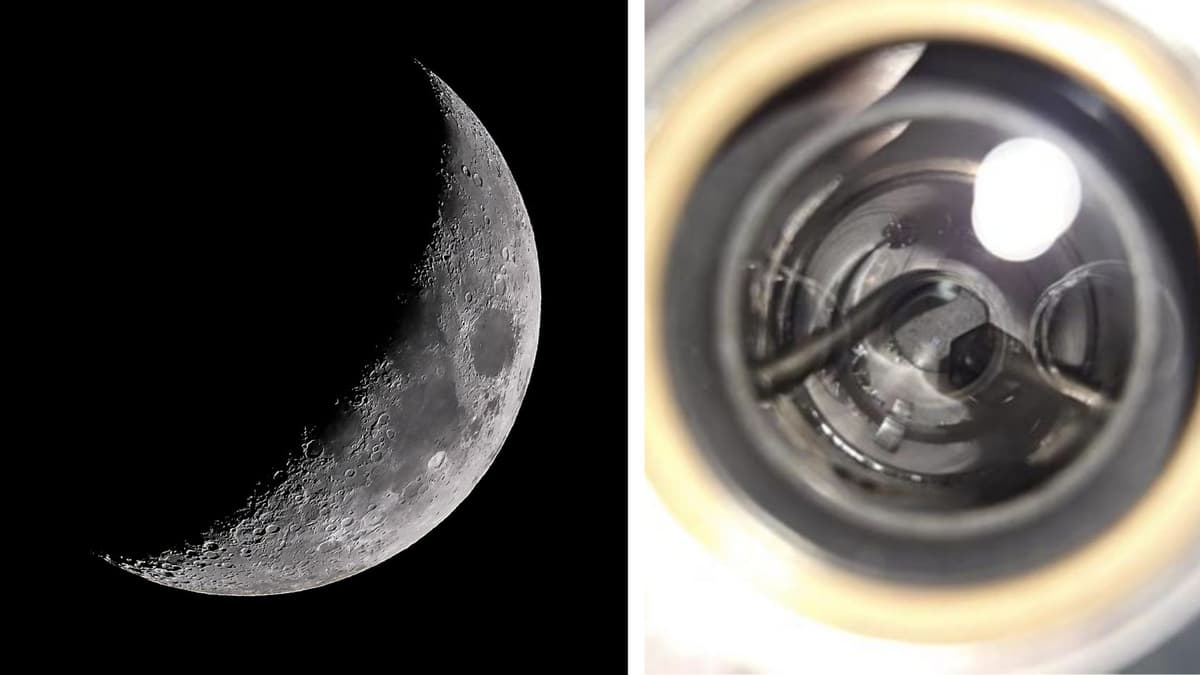
The Moon Just Became a Gas Station

While most nations are still debating the ethics of AI or struggling to regulate TikTok, China is quietly preparing for a permanent presence on the Moon—and they may have just cracked the code that turns lunar dirt into breathable air and rocket fuel.

In a scientific sleight of hand, researchers from the Chinese University of Hong Kong, Shenzhen, have demonstrated a breakthrough that reads more like science fiction than reality. Using actual moon dust collected by the Chang’e-5 mission, they’ve figured out how to extract water and convert astronauts’ carbon dioxide exhalations into usable fuel and oxygen—all in one elegant, light-powered reaction. No complicated supply chains. No Earth-bound logistics. Just sunlight, CO₂, and the Moon itself.

Continue reading… “The Moon Just Became a Gas Station”

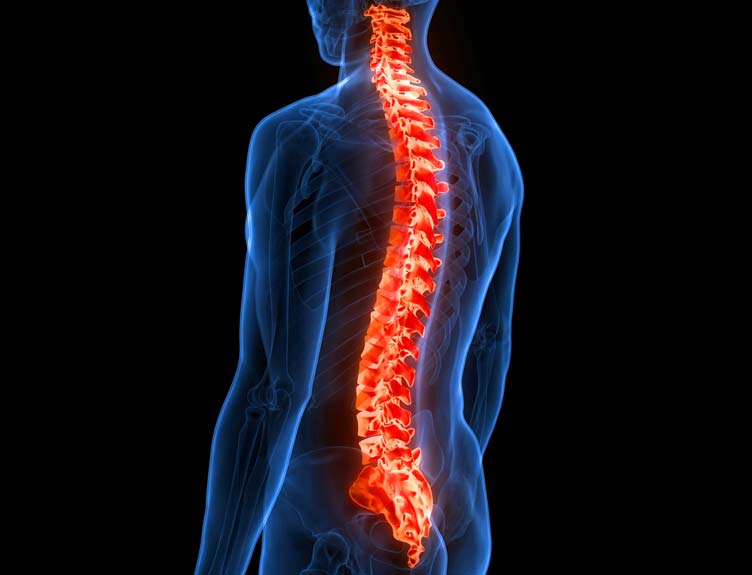
Electric Healing: 3D-Printed Implants That Rewire the Spine

The spinal cord used to be a one-way street: once severed, there was no coming back. Nerve damage meant paralysis. Game over.

But a new innovation out of Ireland is rewriting that script—with electricity, nanomaterials, and a 3D printer.

Scientists at RCSI University of Medicine and Health Sciences have developed an experimental implant that doesn’t just sit passively in the body—it channels electric signals directly into damaged spinal tissue, coaxing neurons to regrow.

Yes, regrow.

This isn’t a support brace or a painkiller. It’s a smart scaffold—a neural bootloader—engineered to speak the language of the nervous system and kickstart biological repair from within.

Continue reading… “Electric Healing: 3D-Printed Implants That Rewire the Spine”

The Molecule That Fights Stroke—and Might Rewrite the Future of Brain Health

Imagine a drug that protects your brain six hours after a stroke. Now imagine that same molecule quietly holds the key to reversing Alzheimer’s and other neurological killers—without the usual side effects, without the heartbreak, and without the ticking clock.

That’s the promise behind GAI-17, a small molecular disruptor developed by researchers in Japan that may become one of the most important brain interventions of our time.

And no one saw it coming.

Continue reading… “The Molecule That Fights Stroke—and Might Rewrite the Future of Brain Health”

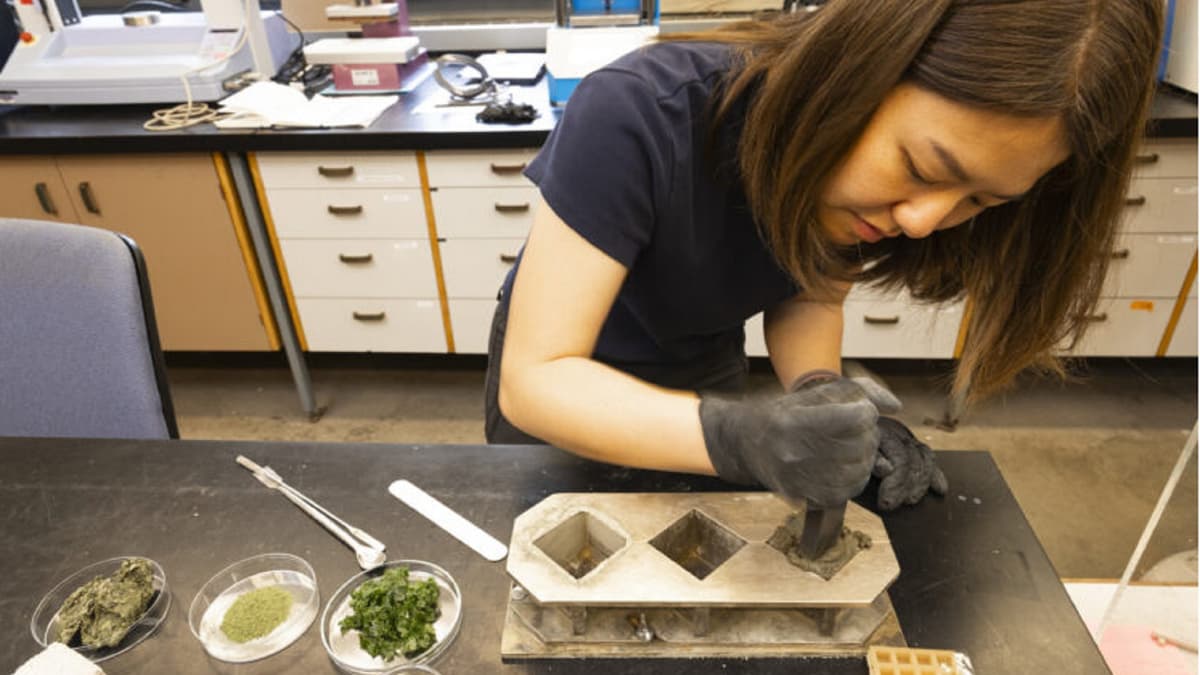
Concrete Goes Blue: How Seaweed and AI Are Cracking Cement’s Dirtiest Secret

It’s hard to overstate the paradox of cement: it holds up our buildings, our bridges, our entire civilization—yet it also quietly poisons the process. Pound for pound, producing cement releases almost as much CO₂ as the material itself weighs. It’s an unavoidable chemistry problem baked into the modern world.

Until now.

A team of scientists at the University of Washington, working in partnership with Microsoft, has taken an unexpected detour through the ocean—and come back with powdered seaweed as a concrete additive that radically alters the equation.

This isn’t just a quirky material swap. It’s the beginning of a full-blown materials intelligence revolution—where biology meets AI to rewrite what we think infrastructure should be made of.

Continue reading… “Concrete Goes Blue: How Seaweed and AI Are Cracking Cement’s Dirtiest Secret”
Discover the Hidden Patterns of Tomorrow with Futurist Thomas Frey
Unlock Your Potential, Ignite Your Success.

By delving into the futuring techniques of Futurist Thomas Frey, you’ll embark on an enlightening journey.

Learn More about this exciting program.