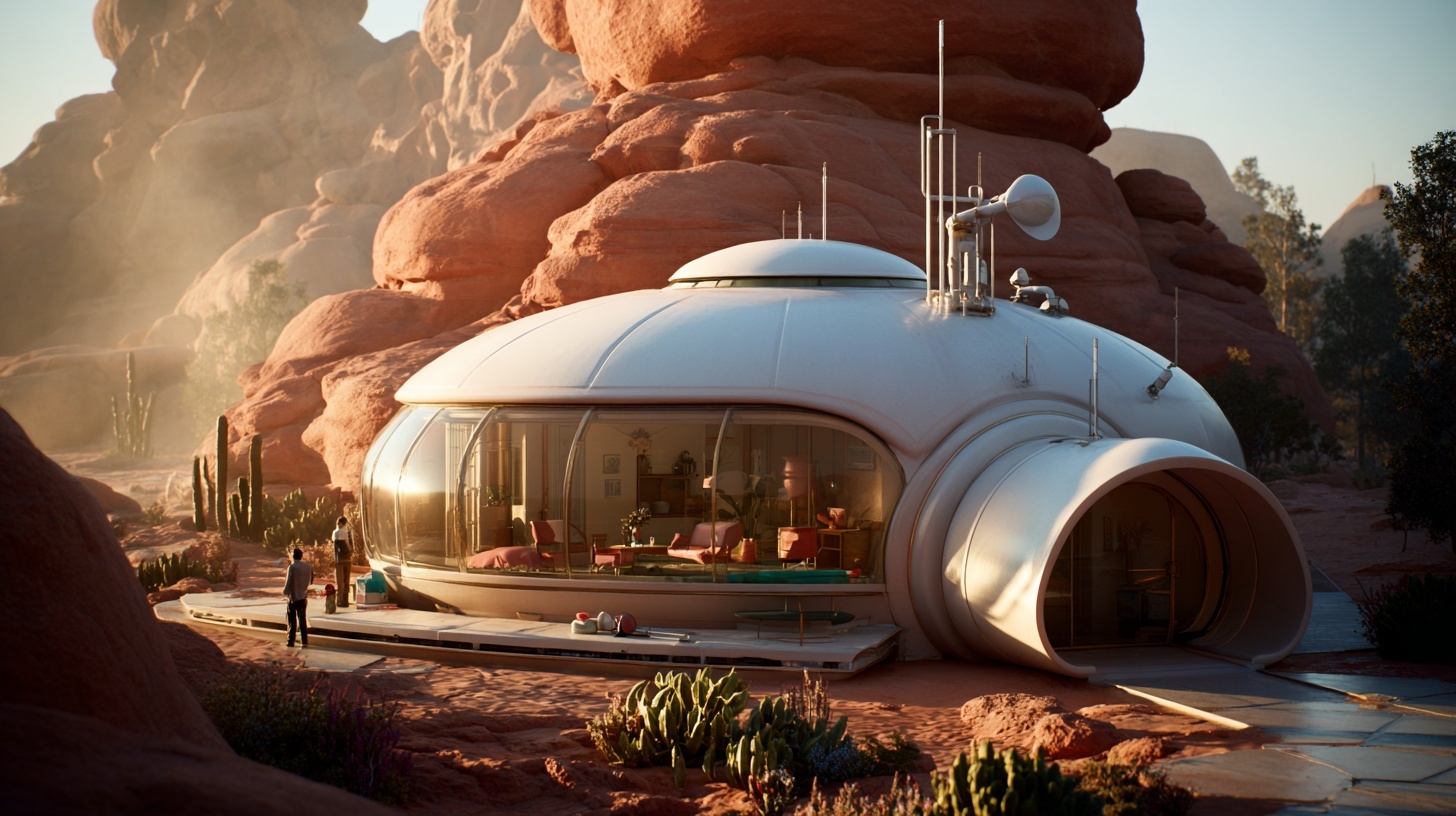
The Mars-Born Problem: Why Earth Humans and Mars Humans Won’t Be the Same Species

By Futurist Thomas Frey

The Question Nobody’s Asking About Mars Colonization

We obsess over getting to Mars—the rockets, the habitats, the life support systems. But here’s the question nobody’s seriously grappling with: what happens to humans born and raised on Mars?

Not tourists. Not astronauts rotating back to Earth. Actual Martian-born humans who spend their entire lives in 38% Earth gravity, breathing different air, eating different food, experiencing 24.6-hour days, enduring radiation levels that would kill Earth-born humans, and developing under fundamentally different physical constraints.

They won’t be “humans living on Mars.” Within a generation or two, they’ll be something else—a divergent branch of humanity adapted to Martian conditions in ways that make them incompatible with Earth. And Earth-born humans arriving on Mars will face a brutal choice: rapidly evolve or die trying to maintain Earth-normal biology in an environment fundamentally hostile to it.

This isn’t science fiction speculation. It’s straightforward biology. Change enough environmental variables and you get different organisms. Mars changes essentially everything about human development.

Let me walk you through the critical variables that differ between Earth and Mars—and why these differences mean Mars-born and Earth-born humans will have almost nothing in common physiologically, psychologically, or culturally within just a few generations.

Continue reading… “The Mars-Born Problem: Why Earth Humans and Mars Humans Won’t Be the Same Species”
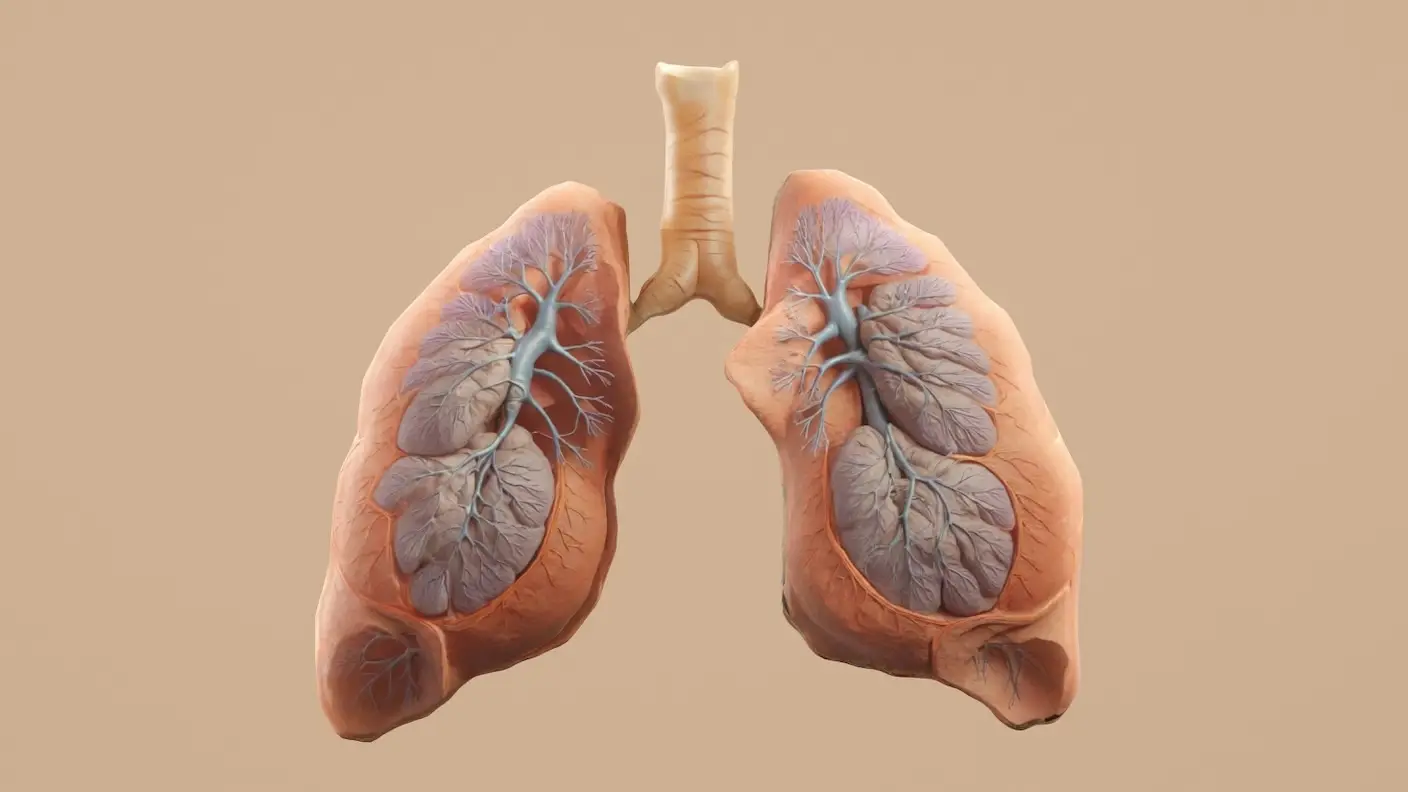
Breathing the Future: The First Pig Lung Transplant Into a Human

In medicine, some moments arrive that feel like science fiction made real. One of those moments just happened: scientists in China have transplanted a genetically engineered pig lung into a human body—and kept it alive for nine days. Reported in Nature Medicine, this milestone marks the first time a lung from another species has functioned inside a person, and while challenges remain, it signals a future where the global shortage of donor organs may no longer be a death sentence.

Continue reading… “Breathing the Future: The First Pig Lung Transplant Into a Human”

Advances made with new synthetic materials open possibilities for manned space exploration

silk-leaf

A man-made leaf absorbs carbon dioxide and water and releases oxygen. 

There are many challenges with space exploration. One inconvenient fact – the lack of oxygen in much of the universe – poses a real challenge to making off world exploration and living a reality. (Videos)


Continue reading… “Advances made with new synthetic materials open possibilities for manned space exploration”

World’s first artificial leaf that converts water and light into oxygen

breathing leaf

The man-made leaf could help us breathe in space.

Lack of oxygen throughout the universe is one of the persistent challenges of manned space exploration. Trees and other plant life do us a real solid by taking in our bad breath and changing it back to clean, sweet O2 here on Earth. (Video)


Continue reading… “World’s first artificial leaf that converts water and light into oxygen”

NASA plans to make water and oxygen on the surface of the Moon and Mars by 2020

apollo-17-jack-schmitt

NASA is taking steps that could lead to colonization of other planets.

NASA is working on plans to make water, oxygen, and hydrogen on the surface of the Moon and Mars. It is vital that we find a way of extracting these vital gases and liquids from moons and planets if we ever want to colonize other planets, rather than transporting them from Earth (which is prohibitively expensive, due to Earth’s gravity). The current plan is to land a rover on the Moon in 2018 that will try to extract hydrogen, water, and oxygen — and then hopefully, Curiosity’s successor will try to convert the carbon dioxide in the atmosphere into oxygen in 2020 when it lands on Mars.


Continue reading… “NASA plans to make water and oxygen on the surface of the Moon and Mars by 2020”

Triton scuba mask turns divers into human fish

 triton 1

Triton scuba mask

Jeabyun Yeon, a South Korean designer, just unveiled a conceptual scuba mask that would allow divers to breathe underwater without oxygen tanks. The mask, called the Triton, consists of two branching arms designed to serve as “gills” that extract oxygen from the water and deliver breathable air directly into their wearer’s lungs. Instead of hauling around heavy scuba equipment, swimmers could simply bite down on a plastic mouth piece.


Continue reading… “Triton scuba mask turns divers into human fish”

Scientists invent injectable oxygen that will let you live without breathing

You may soon breathe underwater by injecting oxygen into your bloodstream.

Researchers at Boston Children’s Hospital have designed microparticles that can be injected into your bloodstream to quickly oxygenate your body. Even if you can’t/aren’t breathing. And it can keep people alive for 15 to 30 minutes. It’s one of the best medical breakthroughs in recent years, and one that could save millions of lives every year.


Continue reading… “Scientists invent injectable oxygen that will let you live without breathing”

Oxygen injections could save lives when when patients can’t breathe

Oxygen

Oxygenating blood with microparticles.

Patients who can’t breathe need oxygen quickly to avoid cardiac arrest and brain injury is a big problem. Unfortunately, attempts in the early 1900s to intravenously supply this essential gas failed to oxygenate the blood and often caused dangerous air bubbles. Current treatments, such as blood substitutes, breathing masks, and tubes, aren’t always effective as well since they still rely on the lungs to function or require time to properly administer.

Continue reading… “Oxygen injections could save lives when when patients can’t breathe”

IBM’s oxygen powered battery

IBM-Supercomputer-builds-batter

IBM has built a battery that needs oxygen to live.

In an effort to build a battery capable of powering a car for 500 miles, IBM has designed a battery that produces power by taking in oxygen and then recharges by expelling oxygen. Such a battery can be significantly smaller and lighter than traditional lithium ion batteries, providing a much longer life per square inch since it is driven by the outside air. (Video)

Continue reading… “IBM’s oxygen powered battery”

U.S. Army develops sandwich that stays fresh for 2 years

2 year sandwich

The Two-Year Sandwich

The military’s Meal Ready to Eat (M.R.E.), or those freeze-dried packages full of gummy pastes and freeze dried dreck that soldiers carry into the field is getting a much-needed upgrade.  It’s not better tasting dehydrated foods or better freeze-drying technology. Rather, the U.S. Army has developed the world’s most cutting edge sandwich, one that can be served fresh after sitting on the shelf for two full years.


Continue reading… “U.S. Army develops sandwich that stays fresh for 2 years”

Discover the Hidden Patterns of Tomorrow with Futurist Thomas Frey
Unlock Your Potential, Ignite Your Success.

By delving into the futuring techniques of Futurist Thomas Frey, you’ll embark on an enlightening journey.

Learn More about this exciting program.