Cerebellum of CIVM postnatal rat brain atlas.
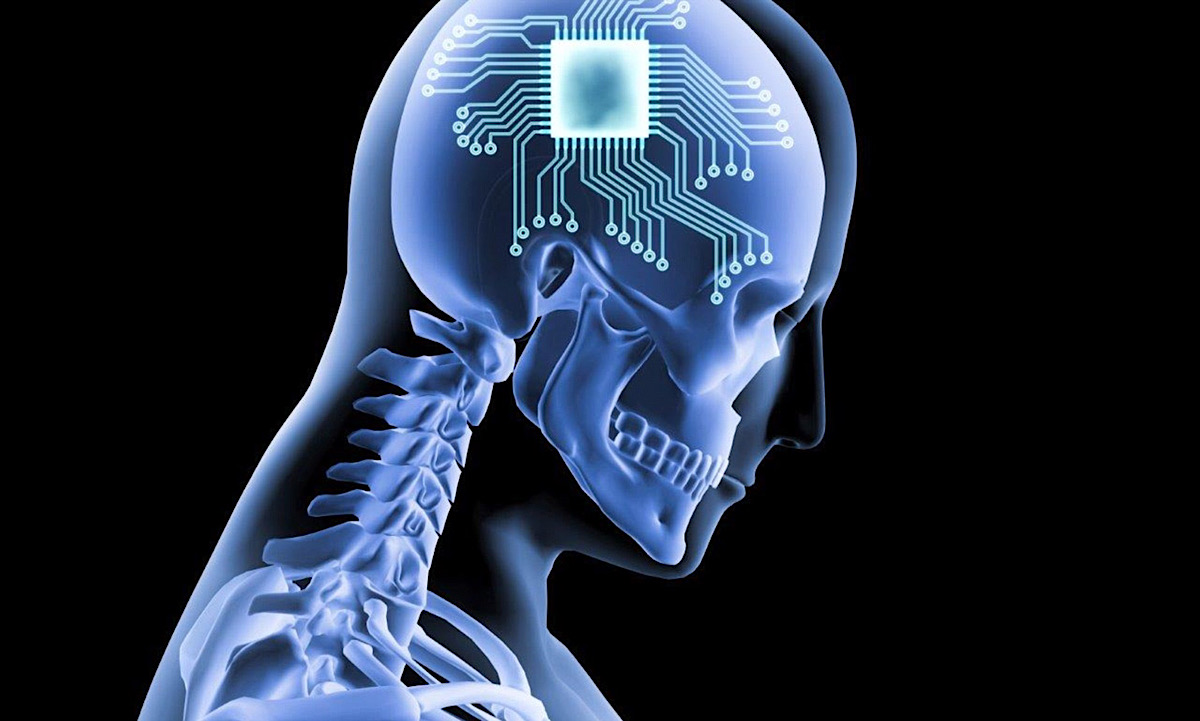
A computerized brain implant effectively relieves short-term and chronic pain in rodents, a new study finds.
The experiments, conducted by investigators at NYU Grossman School of Medicine, offer what the researchers call a “blueprint” for the development of brain implants to treat painsyndromes and other brain-based disorders, such as anxiety, depression, and panic attacks.
Publishing June 21 in the journal Nature Biomedical Engineering, the study showed that device-implanted rats withdrew their paws 40 percent more slowly from sudden pain compared with times when their device was turned off.
According to the study authors, this suggests that the device reduced the intensity of the pain the rodents experienced. In addition, animals in sudden or continuous pain spent about two-thirds more time in a chamber where the computer-controlled device was turned on than in a chamber where it was not.
Researchers say the investigation is the first to use a computerized brain implant to detect and relieve bursts of pain in real time. The device is also the first of its kind to target chronic pain, which often occurs without being prompted by a known trigger, the study authors say.
“Our findings show that this implant offers an effective strategy for pain therapy, even in cases where symptoms are traditionally difficult to pinpoint or manage,” says senior study author Jing Wang, MD, Ph.D., the Valentino D.B. Mazzia, MD, JD Associate Professor in the Department of Anesthesiology at NYU Langone Health.
Continue reading… “Implantable brain device relieves pain in early study”