The Company That Taught the World: How Cogniate Became the First Trillion-Dollar Education Company

By Futurist Thomas Frey

In 2025, few had heard of a small startup called Cogniate. It was one of hundreds of AI-based education tools quietly experimenting with new ways to build digital learning content faster and smarter. But by 2030, Cogniate had become the most valuable company in the world—not because it built better schools, but because it redefined what education actually meant. My prediction from years earlier—that “the biggest company in the world in 2030 will be an education company we haven’t heard of yet”—had come true. And Cogniate was the proof.

Continue reading… “The Company That Taught the World: How Cogniate Became the First Trillion-Dollar Education Company”
Micro-Venues Explode—Every Living Room Becomes a Concert Hall

By Futurist Thomas Frey

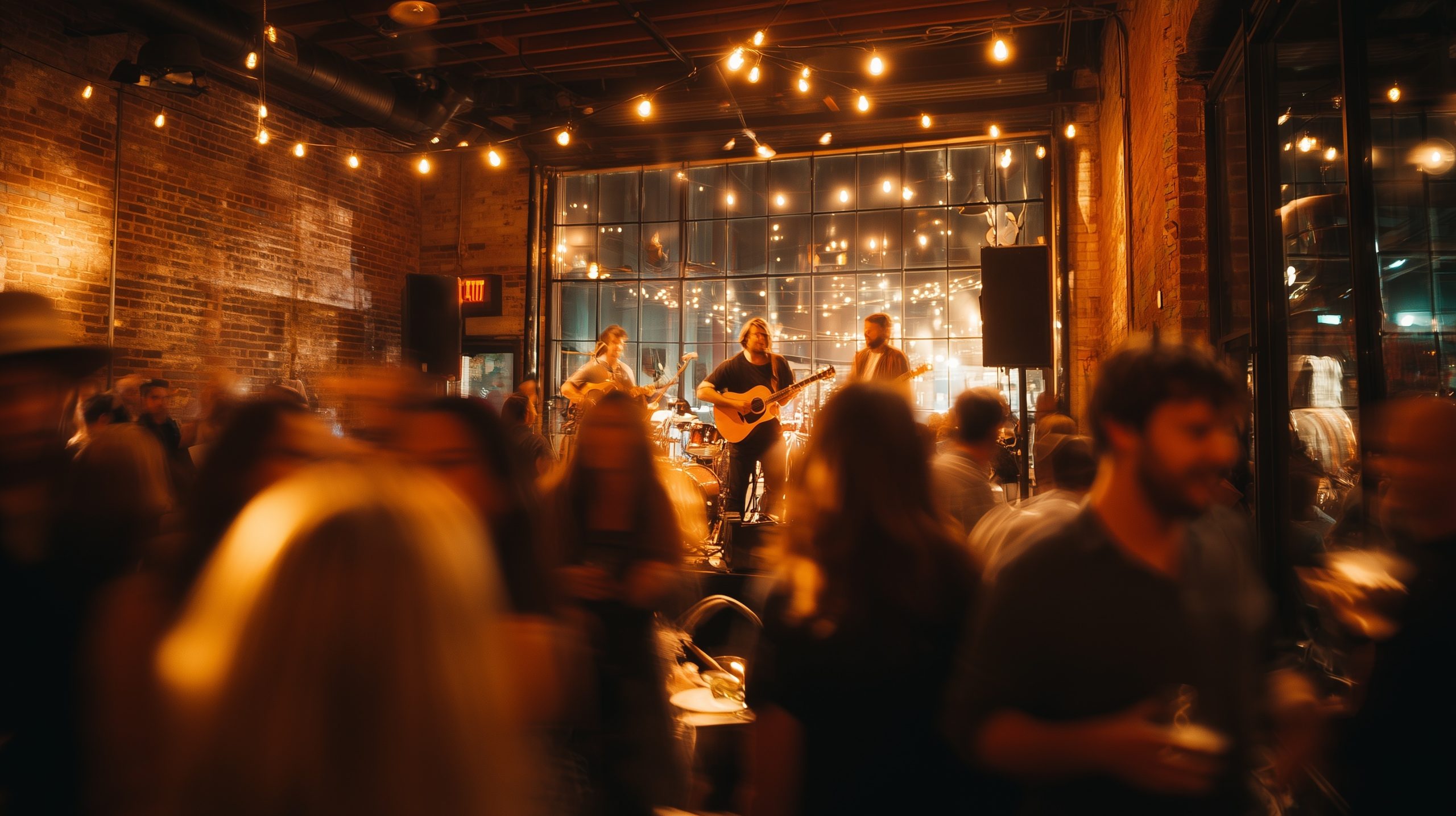
By 2040, the global music industry has flipped itself inside out. The future of live music isn’t in megastadiums or nightclubs—it’s in living rooms, rooftops, garages, and backyards. The era of “micro-venues” has arrived, and with it, a revolution in how we experience performance, intimacy, and community. Across the planet, every home has the potential to become a concert hall, every dinner party a stage, and every neighborhood a stop on someone’s world tour.

The concept took off in the late 2020s as artists began experimenting with direct-to-fan experiences after the pandemic’s digital saturation. By 2035, the global micro-venue network—run by AI-driven platforms—had turned living rooms into high-end listening spaces. Homeowners list their available space on apps similar to Airbnb, and musicians “bid” for the chance to play. Guests reserve tickets for $30–$80 per seat, and within hours, your apartment transforms into a professional concert venue with portable lighting, sound engineering drones, and digital payment integration.

Continue reading… “Micro-Venues Explode—Every Living Room Becomes a Concert Hall”

In 2040 Biological Art Becomes A Significant Medium—You Don’t View It, You Grow It

By Futurist Thomas Frey

By 2040, the frontier of human creativity has shifted from the digital to the biological. The most provocative art movement of the century isn’t found in galleries filled with paintings or screens displaying NFTs—it’s in biolabs, greenhouses, and microscopic petri dishes where living art is literally grown, not made. Artists have become genetic composers, crafting DNA sequences instead of brushstrokes, using CRISPR and synthetic biology to sculpt life itself into form, color, and motion. The result? Art that breathes, evolves, and eventually dies.

This new movement—often called BioArt Renaissance—emerged from a fusion of biotech and creativity. Artists now program genetic code the way previous generations programmed software.

Continue reading… “In 2040 Biological Art Becomes A Significant Medium—You Don’t View It, You Grow It”

The Most Valuable People in 2040 will Be… Irreducibly Human

By Futurist Thomas Frey

By 2040, the most valuable people in society are not the engineers who built the machines—but the humans who remember why they were built in the first place. As artificial intelligence conquers cognition, optimization, and automation, the premium shifts from technical intelligence to existential intelligence. The winning skill set is not about doing what AI does faster or cheaper—it’s about mastering what remains irreducibly human.

Continue reading… “The Most Valuable People in 2040 will Be… Irreducibly Human”

The Household Manager You Actually Talk To

By Futurist Thomas Frey

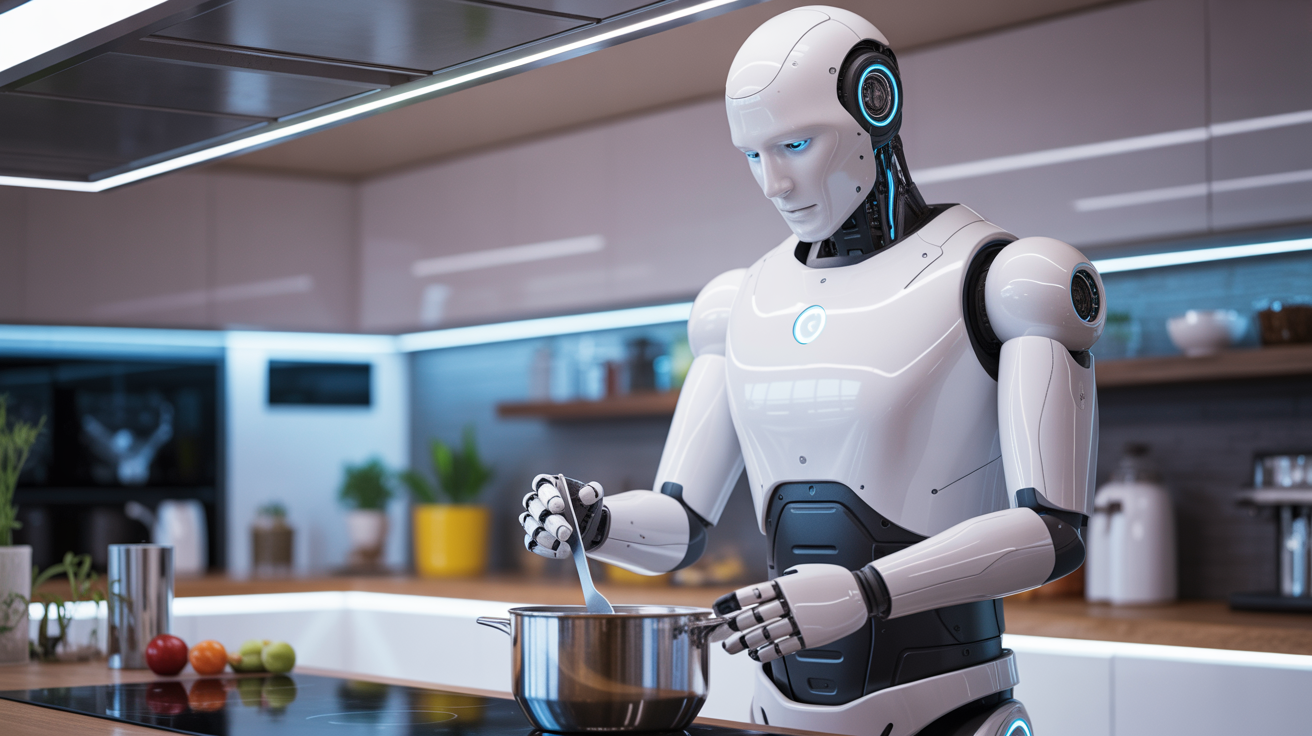
In the not-so-distant future, your “smart home” is no longer a network of devices you order around. Instead, it has a resident partner—a humanoid robot that lives with you, moves through your home, and helps run your life. It’s not a servant. It’s a cohabitant. It’s a planner, a doer, and a conversational collaborator.

Imagine this morning: your robot emerges from the pantry and says, “You’re out of fresh spinach and salmon. Based on your schedule and diet goals, I’ll go to the grocery store now and be back before lunch. Meanwhile, I’ll start thawing the fish and prepping a salad.” You nod. You don’t give orders. You talk it over and collaborate.

Continue reading… “The Household Manager You Actually Talk To”

The Live-In Elder Care Companion: When Robots Become Family

By Futurist Thomas Frey

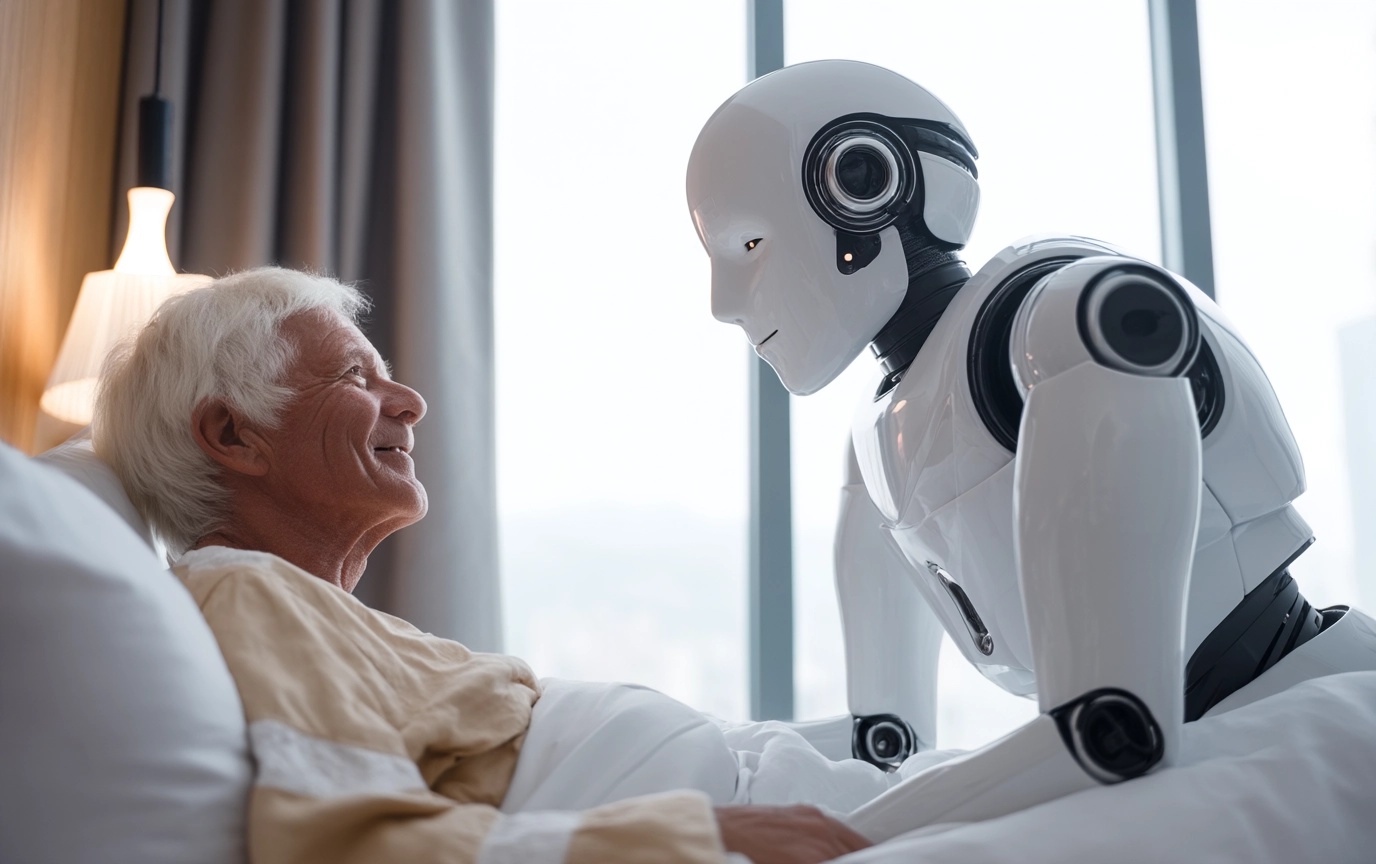
By 2040, 40% of people over the age of 75 will live with a humanoid care robot—not in institutions or assisted-living facilities, but in their own homes. These are not cold, metallic machines—they are empathetic, conversational companions capable of remembering decades of personal history, anticipating emotional needs, and responding to subtle changes in mood or health. They remind their humans to take medications, assist with dressing or bathing, monitor vitals, and even engage in long conversations about life, loss, and memory. For millions of older adults, that combination of presence and patience has quietly become irreplaceable.

Continue reading… “The Live-In Elder Care Companion: When Robots Become Family”

Small Business AI Services: The Democratized AI Economy

By Futurist Thomas Frey

By 2030, the AI revolution will no longer be owned by Silicon Valley or trillion-dollar tech conglomerates—it will belong to the small business owner, the freelancer, the coder in Lagos, and the linguist in Taipei. The rise of decentralized AI infrastructure, powered by systems like HyperCycle, is transforming how artificial intelligence is deployed, monetized, and shared. What cloud computing did for storage and processing, HyperCycle’s node-based economy is doing for AI itself—creating a frictionless marketplace for intelligence.

Continue reading… “Small Business AI Services: The Democratized AI Economy”

Digital Resurrection Rights: Who Owns the Dead?

By Futurist Thomas Frey

By 2040, death has become negotiable. Not biologically—but digitally. AI systems can now reconstruct astonishingly lifelike, interactive versions of deceased people using their online footprints—social media posts, voice recordings, photos, emails, and texts. These digital resurrections don’t just mimic personality; they evolve, learning and responding in ways that make them eerily indistinguishable from the living. The dead no longer vanish—they linger in data form, conversing, advising, comforting, or haunting those left behind. But this technological miracle has unleashed one of the most explosive ethical and legal crises in human history: who owns the right to resurrect the dead?

Continue reading… “Digital Resurrection Rights: Who Owns the Dead?”

In 2040: The Medical Assistant Who Knows Your Entire History

By Futurist Thomas Frey

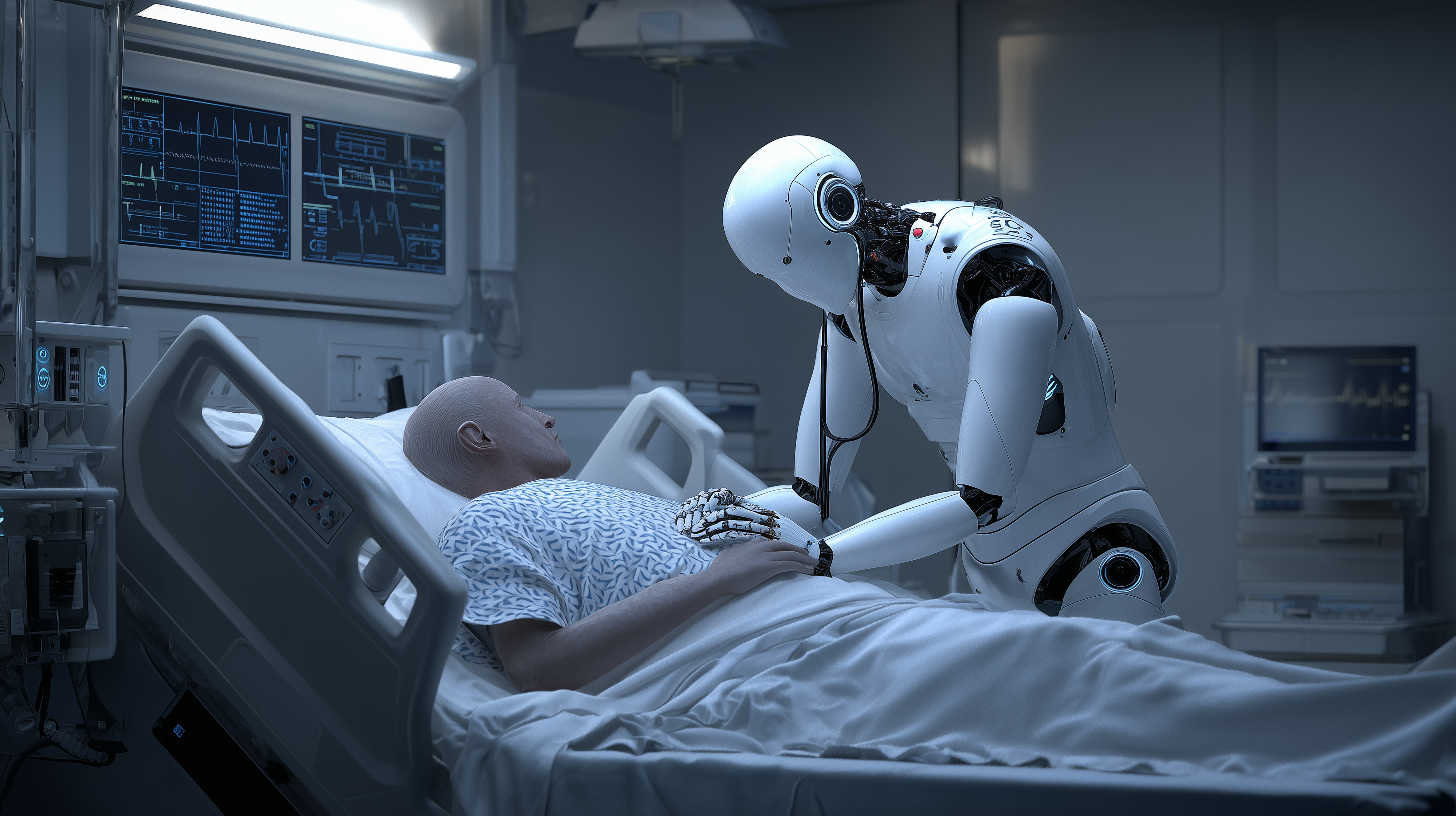
By 2040, walking into a doctor’s office feels more like entering a conversation with an omniscient friend than a clinical appointment. The humanoid medical assistant waiting for you already knows your entire health history—every medication, allergy, lab result, and family condition. It remembers the last time you described your pain as “sharp” and now notices that you’ve called it “dull.” Before the doctor even walks in, it’s already asking, “When did that change?” The experience is startlingly human—except this assistant isn’t human at all. It’s an AI-powered medical robot that never forgets, never misses a symptom, and never fails to follow up.

Continue reading… “In 2040: The Medical Assistant Who Knows Your Entire History”

The Authentication Crisis: Nothing Is Provably Real Anymore

By Futurist Thomas Frey

By 2040, every form of media—video, voice, image, and text—has achieved near-perfect synthesis through artificial intelligence. Human-created and AI-generated content are no longer distinguishable, not even by experts or machines. But the real crisis isn’t deepfakes. We expected those. The true catastrophe is epistemological: authentic content can no longer be proven authentic. The fabric of trust that underpins civilization—law, relationships, governance, and communication—has quietly unraveled. Every video could be fake. Every voice call could be simulated. Every document could be machine-written. And in a world where fabrication is flawless, reality itself becomes…. negotiable.

Continue reading… “The Authentication Crisis: Nothing Is Provably Real Anymore”

Your Home Becomes Your Power Plant—And Your Landlord Becomes Obsolete

By Futurist Thomas Frey

The great energy revolution of the 2030s wasn’t a new battery or solar panel—it was a law. The moment regulators allowed true residential energy independence, everything changed. By 2040, over 60% of suburban homes in developed countries have become “grid-optional”—generating, storing, and managing their own electricity without depending on traditional utilities. They only connect to the grid for backup or to sell their excess power. It wasn’t just a shift in energy—it was a reordering of economic power itself.

The home of the future isn’t merely a shelter. It’s a factory, a power plant, and a financial instrument all in one. Rooftops bristle with hyper-efficient photovoltaics; driveways host bidirectional EVs that double as battery banks; AI energy systems balance production, storage, and consumption minute by minute. These homes don’t just consume—they produce, trade, and profit. The result? For the first time in modern history, individuals control the means of their own power production.

Continue reading… “Your Home Becomes Your Power Plant—And Your Landlord Becomes Obsolete”

The Accident-Free Generation Emerges—And They’re Psychologically Different

By Futurist Thomas Frey

Children born in 2025 will come of age in a world without car crashes. By 2040, traffic fatalities in the United States will have fallen by 99.4%—from 40,000 annual deaths to fewer than 250, most of them in remote rural areas involving the last surviving legacy vehicles. These children will grow up never seeing roadside memorials, never hearing the screech of tires or the wail of an ambulance rushing to an intersection. They’ll never watch a parent tense up when another car drifts too close. For them, accidents will be myths—artifacts of a primitive, error-prone past. But this isn’t just a technological milestone—it’s a psychological revolution.

Continue reading… “The Accident-Free Generation Emerges—And They’re Psychologically Different”
Discover the Hidden Patterns of Tomorrow with Futurist Thomas Frey
Unlock Your Potential, Ignite Your Success.

By delving into the futuring techniques of Futurist Thomas Frey, you’ll embark on an enlightening journey.

Learn More about this exciting program.