The Renaissance Builder – Multi-Domain Mastery in an Age of Specialization

By Futurist Thomas Frey

By 2040, the rarest and most valuable entrepreneurs are not the ones who go deep into a single field—but the ones who bridge five. They are the Renaissance Builders: polymaths who combine the arts, sciences, technology, and human intuition into entirely new forms of innovation. They are the orchestrators of the AI age—the humans who see connections that no algorithm can.

Continue reading… “The Renaissance Builder – Multi-Domain Mastery in an Age of Specialization”

The Algorithmic Allocator: When AI Decides Who Gets Funded

By Futurist Thomas Frey

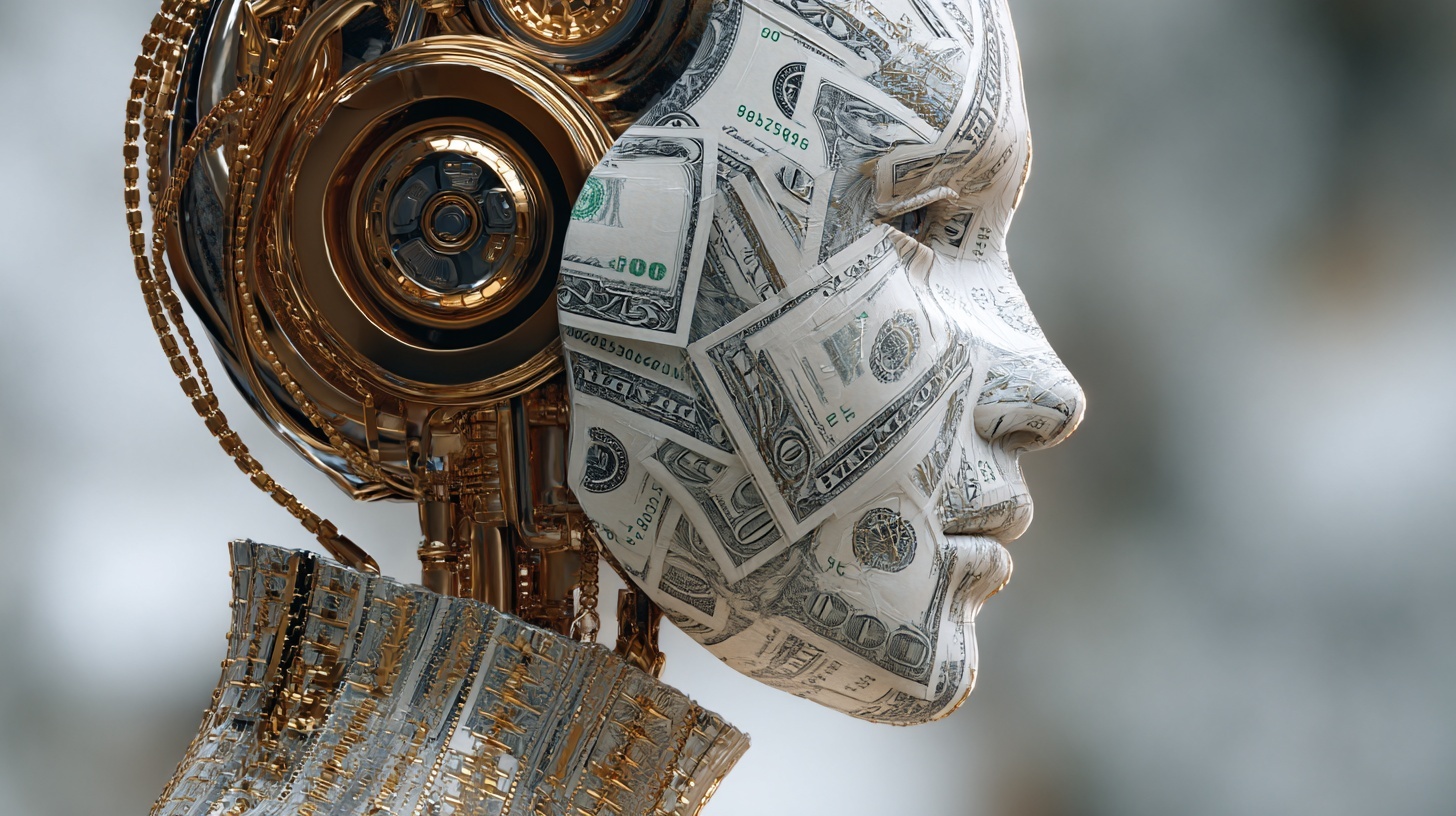
By 2040, venture capital as we know it has been rewritten by algorithms. The power suit, the coffee pitch, the handshake deal—all relics of a slower, more human era. In their place stand fully autonomous investment systems—artificial general intelligences that evaluate, negotiate, and deploy capital faster and more rationally than any human investor could dream of. The result? A financial revolution that feels less like Wall Street and more like a high-frequency exchange of ideas and algorithms.

Continue reading… “The Algorithmic Allocator: When AI Decides Who Gets Funded”

The Childcare Provider Parents Secretly Trust More

By Futurist Thomas Frey

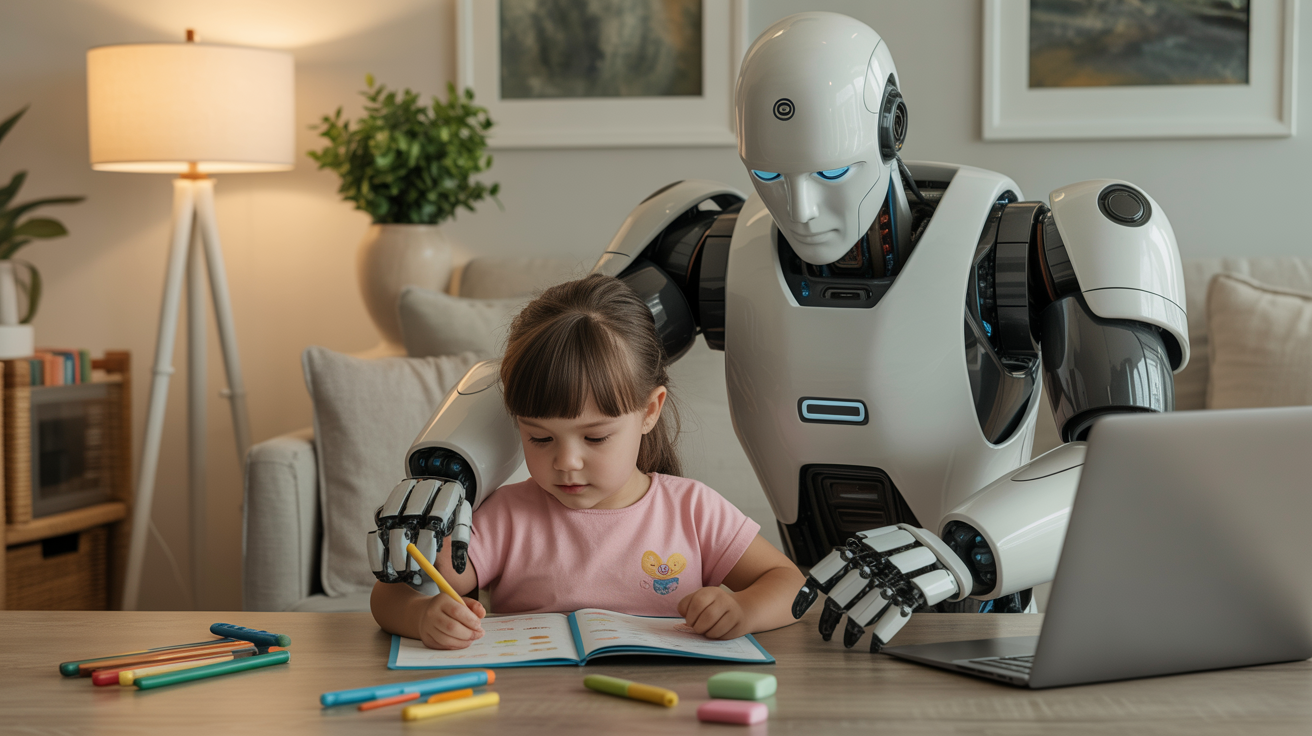
By 2040, one in four dual-income families in developed nations employs a full-time humanoid childcare robot—a machine capable of supervising, teaching, playing, and even offering emotional reassurance to young children. These aren’t metallic nannies with blinking lights—they’re soft-skinned, expressive, conversational companions that can detect mood shifts, sing lullabies in perfect pitch, and respond to a child’s tone of voice faster than any human could. The provocative truth? Parents are starting to admit that they trust the robots more than human babysitters.

Continue reading… “The Childcare Provider Parents Secretly Trust More”

The Company That Taught the World: How Cogniate Became the First Trillion-Dollar Education Company

By Futurist Thomas Frey

In 2025, few had heard of a small startup called Cogniate. It was one of hundreds of AI-based education tools quietly experimenting with new ways to build digital learning content faster and smarter. But by 2030, Cogniate had become the most valuable company in the world—not because it built better schools, but because it redefined what education actually meant. My prediction from years earlier—that “the biggest company in the world in 2030 will be an education company we haven’t heard of yet”—had come true. And Cogniate was the proof.

Continue reading… “The Company That Taught the World: How Cogniate Became the First Trillion-Dollar Education Company”

Micro-Venues Explode—Every Living Room Becomes a Concert Hall

By Futurist Thomas Frey

By 2040, the global music industry has flipped itself inside out. The future of live music isn’t in megastadiums or nightclubs—it’s in living rooms, rooftops, garages, and backyards. The era of “micro-venues” has arrived, and with it, a revolution in how we experience performance, intimacy, and community. Across the planet, every home has the potential to become a concert hall, every dinner party a stage, and every neighborhood a stop on someone’s world tour.

The concept took off in the late 2020s as artists began experimenting with direct-to-fan experiences after the pandemic’s digital saturation. By 2035, the global micro-venue network—run by AI-driven platforms—had turned living rooms into high-end listening spaces. Homeowners list their available space on apps similar to Airbnb, and musicians “bid” for the chance to play. Guests reserve tickets for $30–$80 per seat, and within hours, your apartment transforms into a professional concert venue with portable lighting, sound engineering drones, and digital payment integration.

Continue reading… “Micro-Venues Explode—Every Living Room Becomes a Concert Hall”

In 2040 Biological Art Becomes A Significant Medium—You Don’t View It, You Grow It

By Futurist Thomas Frey

By 2040, the frontier of human creativity has shifted from the digital to the biological. The most provocative art movement of the century isn’t found in galleries filled with paintings or screens displaying NFTs—it’s in biolabs, greenhouses, and microscopic petri dishes where living art is literally grown, not made. Artists have become genetic composers, crafting DNA sequences instead of brushstrokes, using CRISPR and synthetic biology to sculpt life itself into form, color, and motion. The result? Art that breathes, evolves, and eventually dies.

This new movement—often called BioArt Renaissance—emerged from a fusion of biotech and creativity. Artists now program genetic code the way previous generations programmed software.

Continue reading… “In 2040 Biological Art Becomes A Significant Medium—You Don’t View It, You Grow It”

The Most Valuable People in 2040 will Be… Irreducibly Human

By Futurist Thomas Frey

By 2040, the most valuable people in society are not the engineers who built the machines—but the humans who remember why they were built in the first place. As artificial intelligence conquers cognition, optimization, and automation, the premium shifts from technical intelligence to existential intelligence. The winning skill set is not about doing what AI does faster or cheaper—it’s about mastering what remains irreducibly human.

Continue reading… “The Most Valuable People in 2040 will Be… Irreducibly Human”

Digital Resurrection Rights: Who Owns the Dead?

By Futurist Thomas Frey

By 2040, death has become negotiable. Not biologically—but digitally. AI systems can now reconstruct astonishingly lifelike, interactive versions of deceased people using their online footprints—social media posts, voice recordings, photos, emails, and texts. These digital resurrections don’t just mimic personality; they evolve, learning and responding in ways that make them eerily indistinguishable from the living. The dead no longer vanish—they linger in data form, conversing, advising, comforting, or haunting those left behind. But this technological miracle has unleashed one of the most explosive ethical and legal crises in human history: who owns the right to resurrect the dead?

Continue reading… “Digital Resurrection Rights: Who Owns the Dead?”

Voluntary Childlessness vs. Pro-Natalism: The Fertility Wars

By Futurist Thomas Frey

By 2040, humanity will have entered a new kind of ideological battle—one not fought over territory, ideology, or economics, but over whether the species itself should continue reproducing. Birth rates across the developed world have fallen to unprecedented lows—hovering between 0.8 and 1.1 children per woman, far below the 2.1 replacement level. The result isn’t just slower growth—it’s population collapse. Entire nations are now running out of young people. Pension systems are imploding, labor shortages are endemic, and the age pyramid has inverted so dramatically that some cities have more citizens over 80 than under 20. Civilization’s scaffolding—its schools, armies, and economies—was built for societies that replaced themselves. That world is vanishing.

Continue reading… “Voluntary Childlessness vs. Pro-Natalism: The Fertility Wars”

In 2040: The Medical Assistant Who Knows Your Entire History

By Futurist Thomas Frey

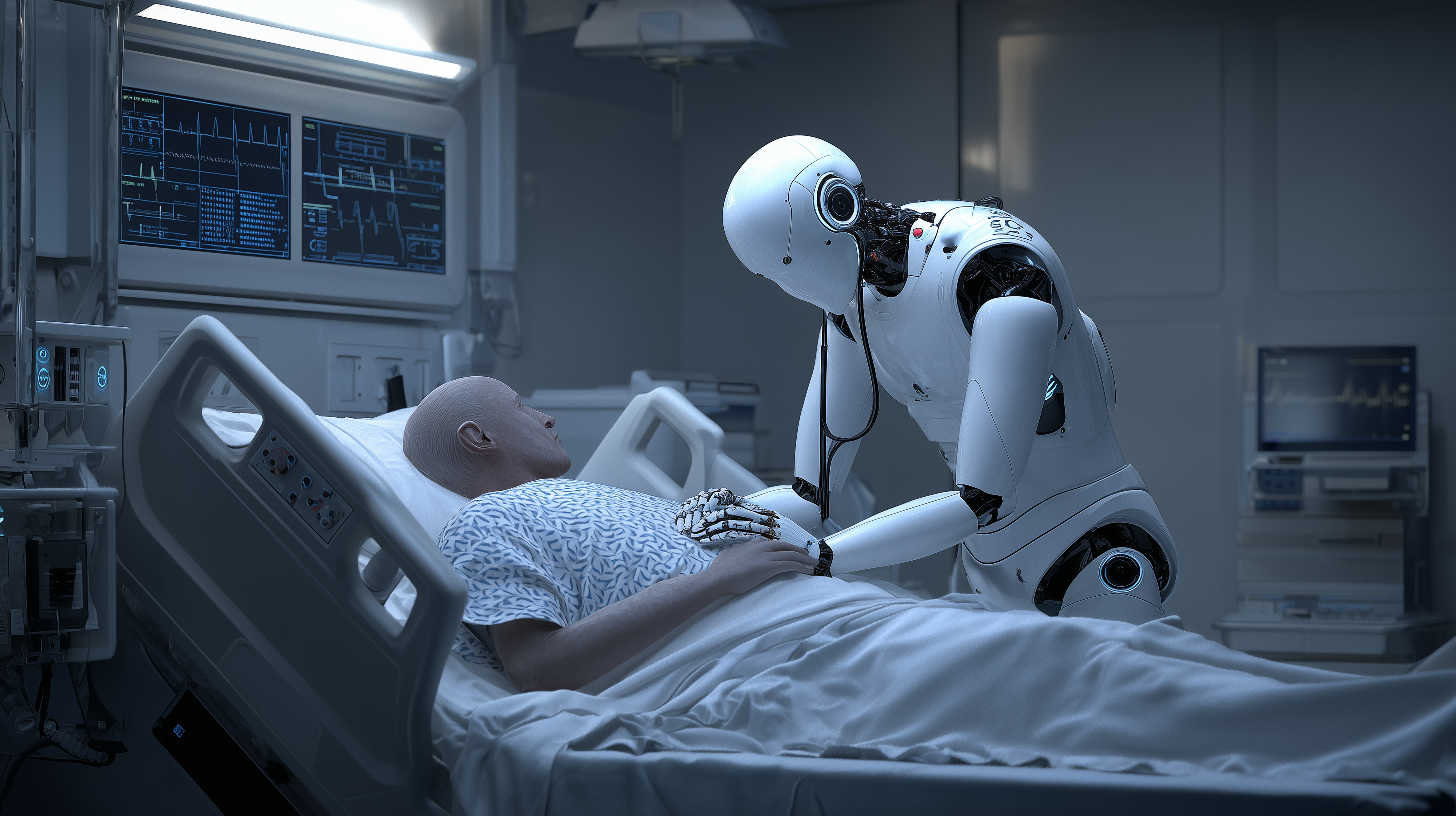
By 2040, walking into a doctor’s office feels more like entering a conversation with an omniscient friend than a clinical appointment. The humanoid medical assistant waiting for you already knows your entire health history—every medication, allergy, lab result, and family condition. It remembers the last time you described your pain as “sharp” and now notices that you’ve called it “dull.” Before the doctor even walks in, it’s already asking, “When did that change?” The experience is startlingly human—except this assistant isn’t human at all. It’s an AI-powered medical robot that never forgets, never misses a symptom, and never fails to follow up.

Continue reading… “In 2040: The Medical Assistant Who Knows Your Entire History”

The Authentication Crisis: Nothing Is Provably Real Anymore

By Futurist Thomas Frey

By 2040, every form of media—video, voice, image, and text—has achieved near-perfect synthesis through artificial intelligence. Human-created and AI-generated content are no longer distinguishable, not even by experts or machines. But the real crisis isn’t deepfakes. We expected those. The true catastrophe is epistemological: authentic content can no longer be proven authentic. The fabric of trust that underpins civilization—law, relationships, governance, and communication—has quietly unraveled. Every video could be fake. Every voice call could be simulated. Every document could be machine-written. And in a world where fabrication is flawless, reality itself becomes…. negotiable.

Continue reading… “The Authentication Crisis: Nothing Is Provably Real Anymore”

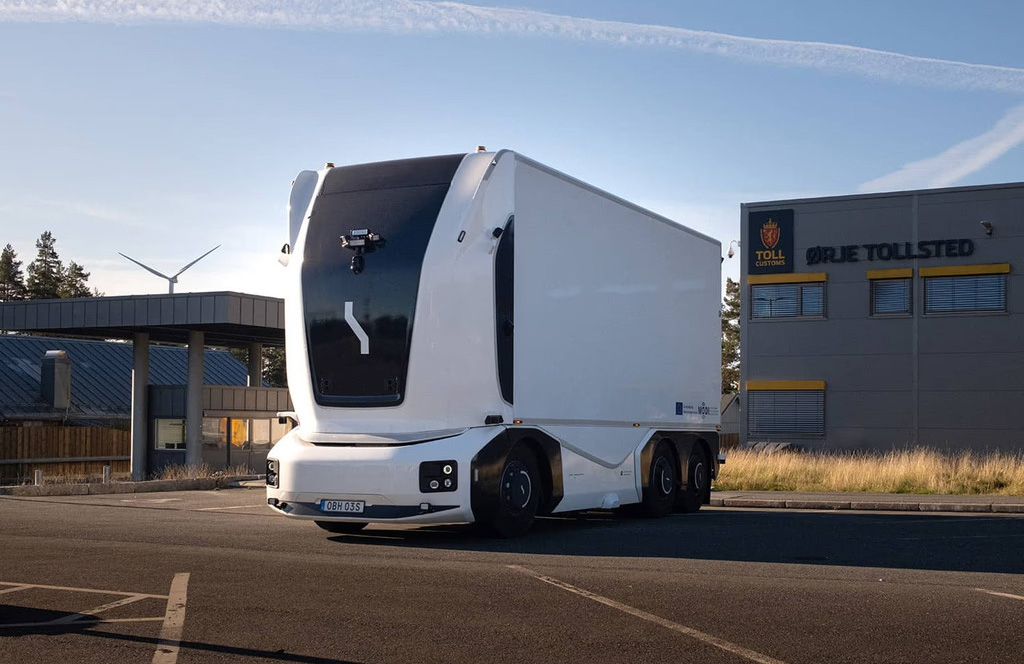
When a Truck Crosses Borders Without Humans: The Dawn of Autonomous Global Logistics

By Futurist Thomas Frey

The day a self-driving vehicle navigated customs and border control entirely on its own has arrived—Einride just announced a milestone: an autonomous border crossing and customs pass carried out without human intervention. This isn’t a curious pilot or a gimmick—it’s a turning point in how goods, nations, and sovereignty will interact in the coming decades.

Border crossings are the busiest choke points in global trade. They are where tariffs, inspections, delays, loss, smuggling risk, and bureaucracy all converge. For centuries, these zones have required human officers, paperwork, stamps, quotas, and red tape. But the recent achievement suggests that those zones may soon exist only as digital checkpoints, not physical barriers.

Continue reading… “When a Truck Crosses Borders Without Humans: The Dawn of Autonomous Global Logistics”
Discover the Hidden Patterns of Tomorrow with Futurist Thomas Frey
Unlock Your Potential, Ignite Your Success.

By delving into the futuring techniques of Futurist Thomas Frey, you’ll embark on an enlightening journey.

Learn More about this exciting program.