A startup out of Los Angeles, California, wants to bring small, pre-fabricated living spaces into the backyards of the country’s hottest real estate markets.
The homes range in size from 300 to 1,200 square feet — but don’t call them tiny homes.
When I was a kid I always wondered about how cool it would be if we could live in the world of the popular American animated sitcom The Jetsons. The show aired from 1962 to 1963, but the cartoon was set 100 years in the future. As it sometimes turns out with sci-fi stories, the future becomes reality. The Jetsons featured 3D printing, tablets, holograms, smart watches, flying cars and other strange inventions. While the flying cars may not have become a reality quite yet – they are testing drones as a method of delivery – I used to love the Jetsons’ food replicator that could churn out anything from asparagus to stroganoff. This now is a reality with companies like Foodini and CojoJet making it possible to create delicious 3D-printed entrées and desserts with the press of a button.
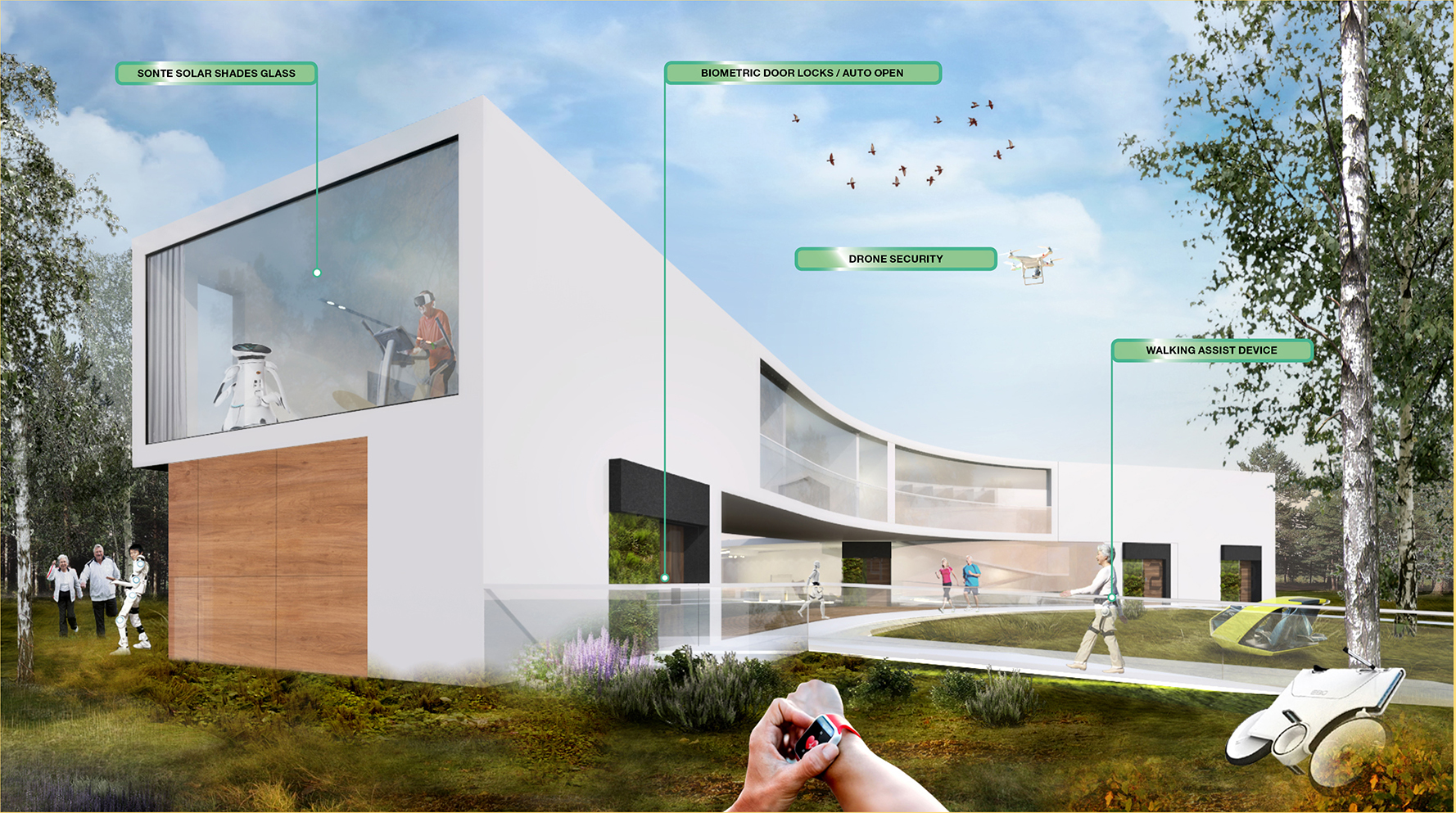
A new report predicts intelligent ‘Cognitive Homes’ of the future will be able to assess and manage our needs and desires in later life.
Almost 32 million people will be aged 60 or over in the UK by 2039. But what sort of living environment do older people face when they leave the workplace and embark on the next chapter of their lives?
I’m certainly not going to win any popularity contests for writing this article. The last thing anybody wants to talk about after a presidential election is a patent bubble. After all, most of us took a nice stock market beat down during the recent housing bubble and mortgage crisis.
More homeowners are investing in solar panels as a more environmentally (and budget) friendly energy source. But solar panels work best when the sun shines directly on them, which means they’re only working at their full potential for one or two hours of the day.