When the Oceans Drift Themselves: Redwing’s Voyage and the Age of Autonomous Sea Robots

By Futurist Thomas Frey

On October 10, 2025, something quietly extraordinary slipped beneath the waves. A robotic underwater glider named Redwing, developed by Teledyne Marine and Rutgers University, began what is likely humanity’s first fully autonomous circumnavigation of the globe. Its mission: traverse some 73,000 kilometers over five or more years, surfacing only to transmit data before diving deep again. This isn’t just a proof-of-concept—it’s a marker: the oceans are entering an age of autonomous sovereignty. (Photo credit: Teledyne Marine)

Continue reading… “When the Oceans Drift Themselves: Redwing’s Voyage and the Age of Autonomous Sea Robots”
The Rise of Mechanochemical Recycling

By Futurist Thomas Frey

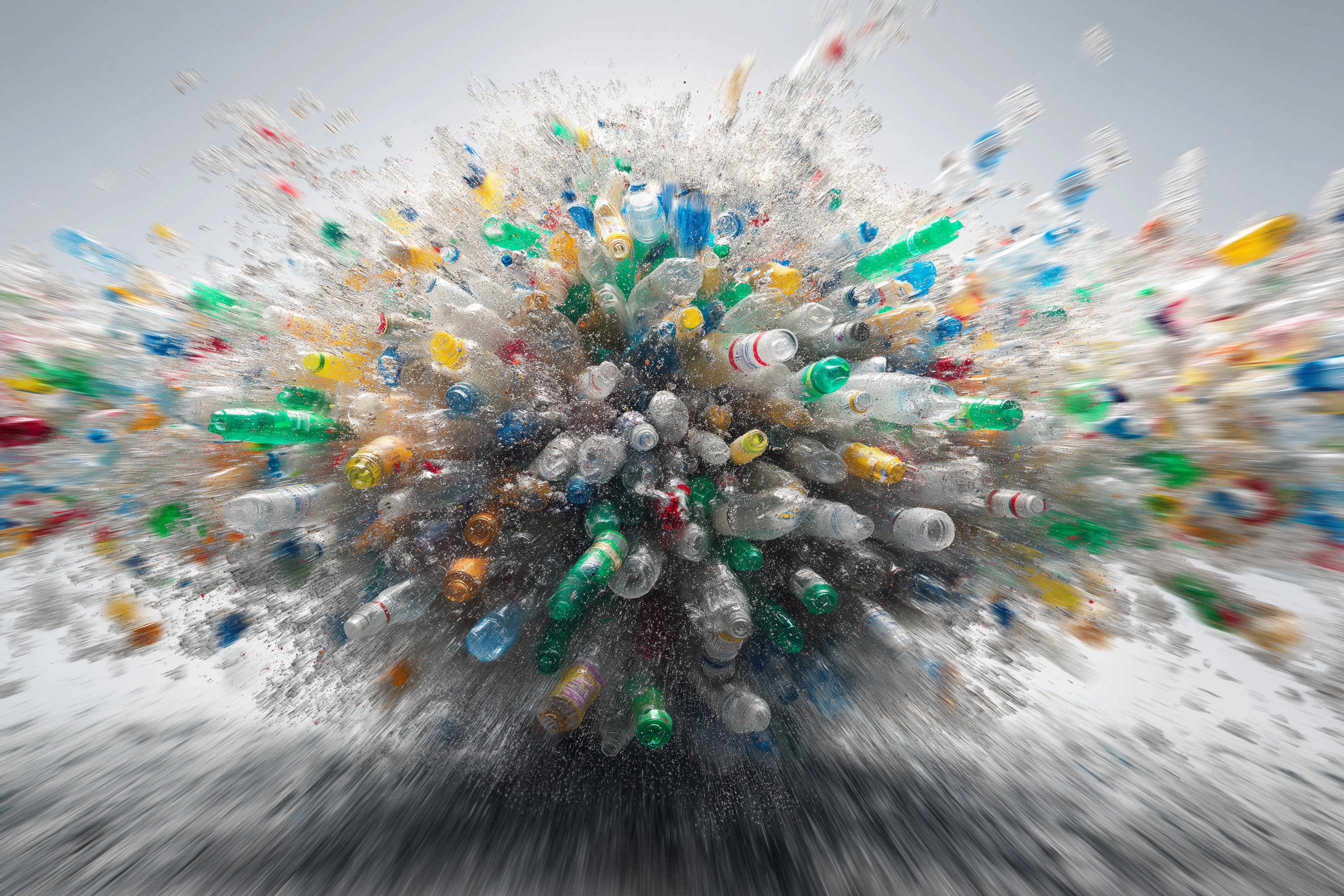
A quiet revolution is underway—one that may finally make plastic recycling truly circular. At Georgia Tech, scientists have pioneered a mechanochemical process to break down PET plastics without heat or solvents, using mechanical force alone. This method cracks the bonds by applying tension, shear, and compression in ball mills—turning waste back into raw materials for new plastics. The breakthrough: no toxic chemicals, lower energy input, and high selectivity.

The implications are vast. Today’s recycling systems often fail because mixed plastics, contamination, and the need for solvents or high-temperature reactions make reclamation costly and inefficient. But this mechanochemical method sidesteps those constraints. The mechanical impact momentarily liquefies local polymer segments, enabling depolymerization under mild conditions. No vats of acid, no thermal cracking at 600 °C, no massive separation steps.

Continue reading… “The Rise of Mechanochemical Recycling”

When the Rescue Doesn’t Wait: Germany’s Disaster-Response Robot Redefines First Aid

By Futurist Thomas Frey

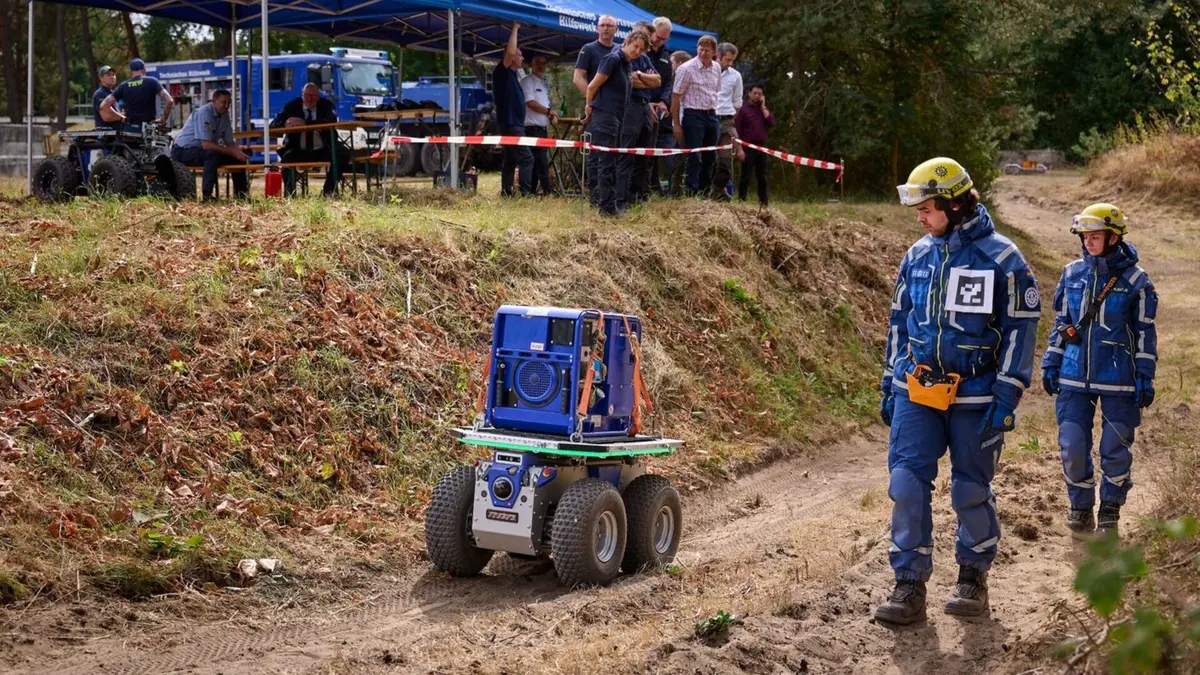
In a world where disasters strike without warning, the difference between life and death often relies on seconds. German engineers have now unveiled a robot explicitly engineered for disaster response—capable of entering rubble, traversing unstable terrain, sensing survivors, and operating autonomously or semi-autonomously under chaotic conditions. This isn’t just a better drone or remote tool—it’s the next generation of first responder.

Rescue robots have existed for decades—but they’ve always been handicapped by trade-offs: limited mobility, fragile sensors, weak decision logic, or dependence on constant human oversight. The new German design pushes those limits. It uses multi-modal sensing (lidar, thermal, acoustic), dynamic locomotion legs and tracks, built-in AI for pathfinding in shifting debris fields, and modular tools—cutters, cameras, medical deployers—swappable in the field.

Continue reading… “When the Rescue Doesn’t Wait: Germany’s Disaster-Response Robot Redefines First Aid”

The House That Prints Itself: Australia’s Robot Home Heralds the End of Building as We Know It

By Futurist Thomas Frey

A silent revolution is unfolding on the suburban fringes of Australia—one that may rewrite not just architecture, but home, belonging, and what it means to shelter a life. A new autonomous robot prototype is 3D-printing a full-sized home, layer by layer, with minimal human intervention. If successful, it’s not just a novelty—it’s the blueprint for a future where houses build themselves.

This robot-printed home isn’t science fiction. It promises to reduce construction time from months to days, drastically cut labor costs, and enable tailored designs that adapt to local context. Imagine giving the command—“build me a three-bedroom home with this layout, these light wells, this insulation—and robots execute it.”

Continue reading… “The House That Prints Itself: Australia’s Robot Home Heralds the End of Building as We Know It”

How Stem Cells Are Reversing Stroke Damage—and Rewriting What It Means to Be Human

By Futurist Thomas Frey

Imagine a future where a massive brain injury is not a life sentence, but a reversible condition. A world where stroke survivors don’t spend the rest of their lives fighting to reclaim fragments of motor skills or cognition—but instead regrow the lost brain tissue itself. Thanks to a new breakthrough from Zurich researchers, that future is unfolding before our eyes.

In mice, human neural stem cells have been transplanted into damaged brain regions, surviving, integrating, and even communicating with existing brain circuits. Within weeks, the animals recovered motor functions lost to stroke. Inflammation was reduced, blood–brain barriers restored, new blood vessels formed, and damaged neurons regenerated. In short: the brain began to heal itself.

Continue reading… “How Stem Cells Are Reversing Stroke Damage—and Rewriting What It Means to Be Human”

Finding 800 Invisible Cancer Markers: How DOLPHIN AI Is Remaking Disease Detection

By Futurist Thomas Frey

What if our medical future looked less like guesswork and more like guaranteed foresight? A leap forward just landed. McGill University researchers have unveiled DOLPHIN AI, a tool capable of uncovering hundreds of “invisible” cancer markers within individual cells—markers that conventional methods routinely miss.

This discovery isn’t just incremental. It signals a paradigm shift: from treating disease when it becomes visible, to diagnosing it before it ever crosses the threshold of detectability. The ripples of that change will cascade through healthcare, insurance, biotech, and the very way we live.

Continue reading… “Finding 800 Invisible Cancer Markers: How DOLPHIN AI Is Remaking Disease Detection”

The Catalyst That Could Rewrite the Future of Plastic

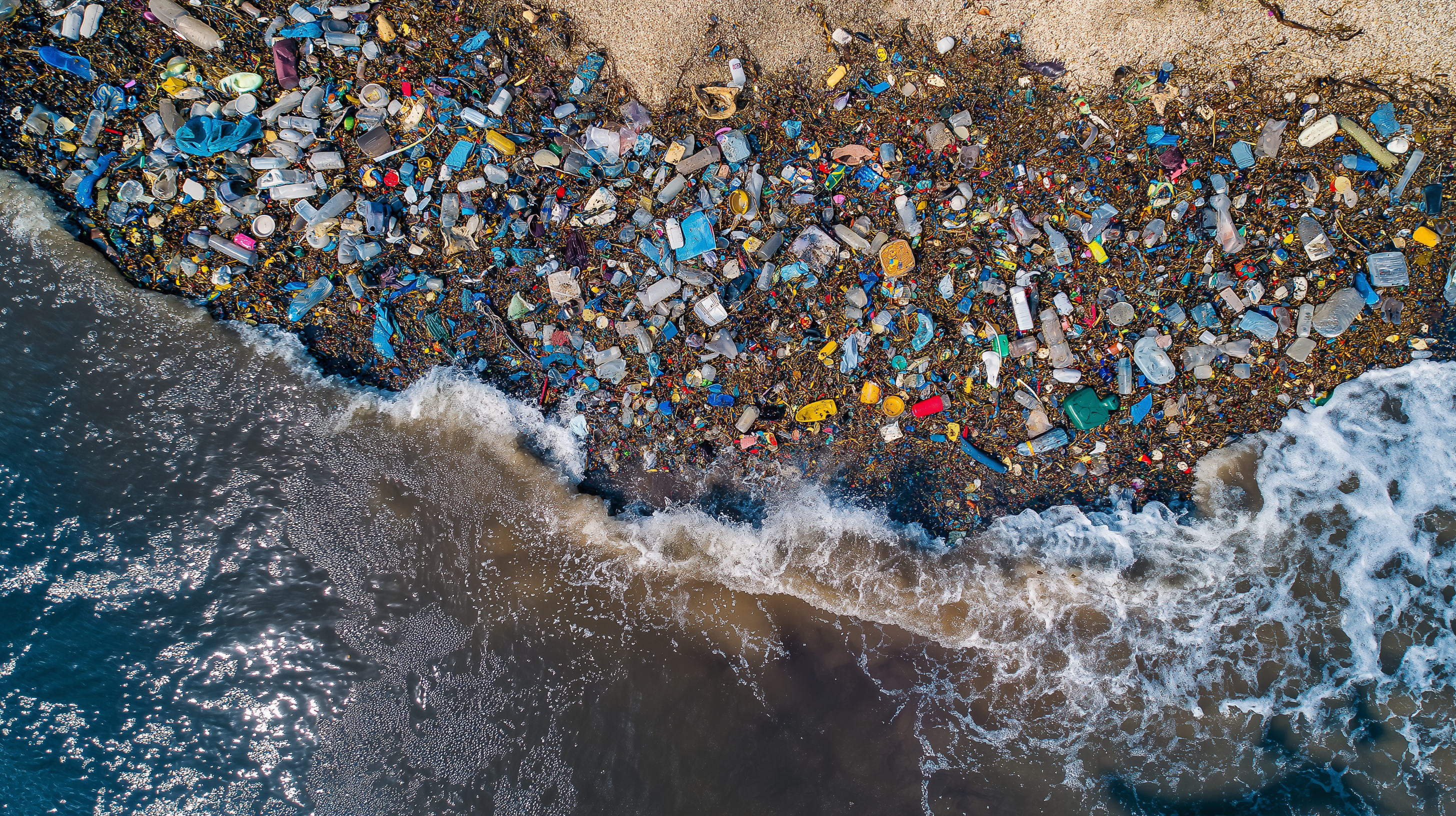
Plastic is one of humanity’s greatest paradoxes. It is cheap, durable, and useful in almost every aspect of modern life. Yet those same qualities have made it one of our greatest burdens. Billions of tons of single-use plastics accumulate each year, and only a fraction ever gets recycled. The rest is burned, buried, or scattered across the planet in forms that linger for centuries.

Now, researchers at Northwestern University may have found a game-changing way forward. Their discovery—a nickel-based catalyst that can break down mixed plastics, even those contaminated with the notoriously difficult PVC—could dramatically simplify recycling. This breakthrough has the potential to transform one of the world’s most intractable waste problems into a renewable source of valuable products.

Continue reading… “The Catalyst That Could Rewrite the Future of Plastic”

The Rise of Drone Mailboxes: Redefining the Last Mile of Delivery

By Futurist Thomas Frey

For over a century, the humble mailbox has barely changed. A metal box by the curb or a slot in the door has served as the final checkpoint of global commerce. Letters, bills, and eventually Amazon packages all end up in the same simple container. But as drones, delivery robots, and autonomous couriers take flight, that old mailbox suddenly looks obsolete.

The future of delivery isn’t just about drones. It’s about the infrastructure that supports them—and companies like Arrive AI and Valqari are betting big on a new age of “smart mailboxes” designed to handle packages from air, land, and everything in between.

Continue reading… “The Rise of Drone Mailboxes: Redefining the Last Mile of Delivery”

Meta’s Smart Glasses: The Beginning of AI Worn on Your Face

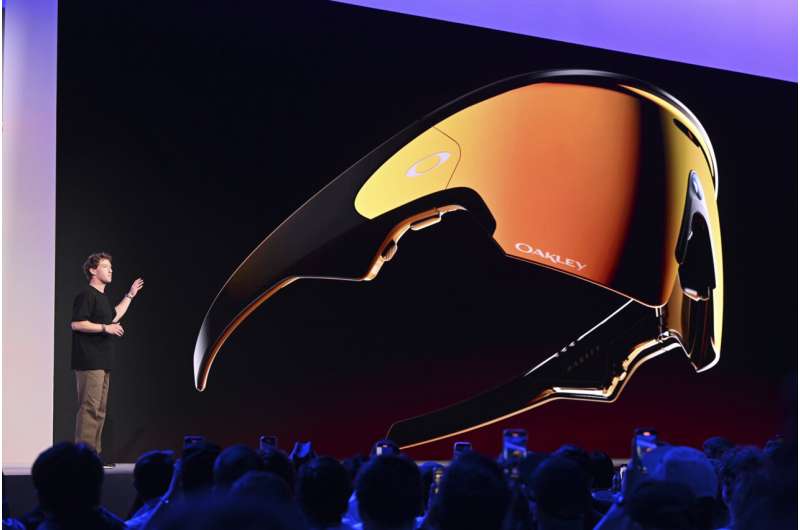
At Meta’s annual Connect conference, Mark Zuckerberg unveiled what could be remembered as a defining step in the evolution of human-computer interaction. Forget keyboards, forget touchscreens, forget even the smartphone—Meta believes the future is something you wear, something that sees what you see, hears what you hear, and responds to the subtlest flicker of a thought.

The newly launched Meta Ray-Ban Display glasses combine a tiny integrated display with an AI-powered neural wristband that reads barely perceptible movements. At $799, they are not a casual purchase, but Zuckerberg is clear about their role: this is the next stage of humanity’s digital interface.

Continue reading… “Meta’s Smart Glasses: The Beginning of AI Worn on Your Face”

The Era of Enhanced Memory: How AI and Smart Glasses Will Redefine What It Means to Remember

by Futurist Thomas Frey

For most of human history, memory has been unreliable. We forget faces, misplace details, and misinterpret events. Our brains were never designed as perfect recorders; they were designed for survival, filtering only what seemed useful at the moment. But a revolution is coming—one that will redefine memory not as a fragile biological function but as an augmented capability, seamlessly integrated into our daily lives.

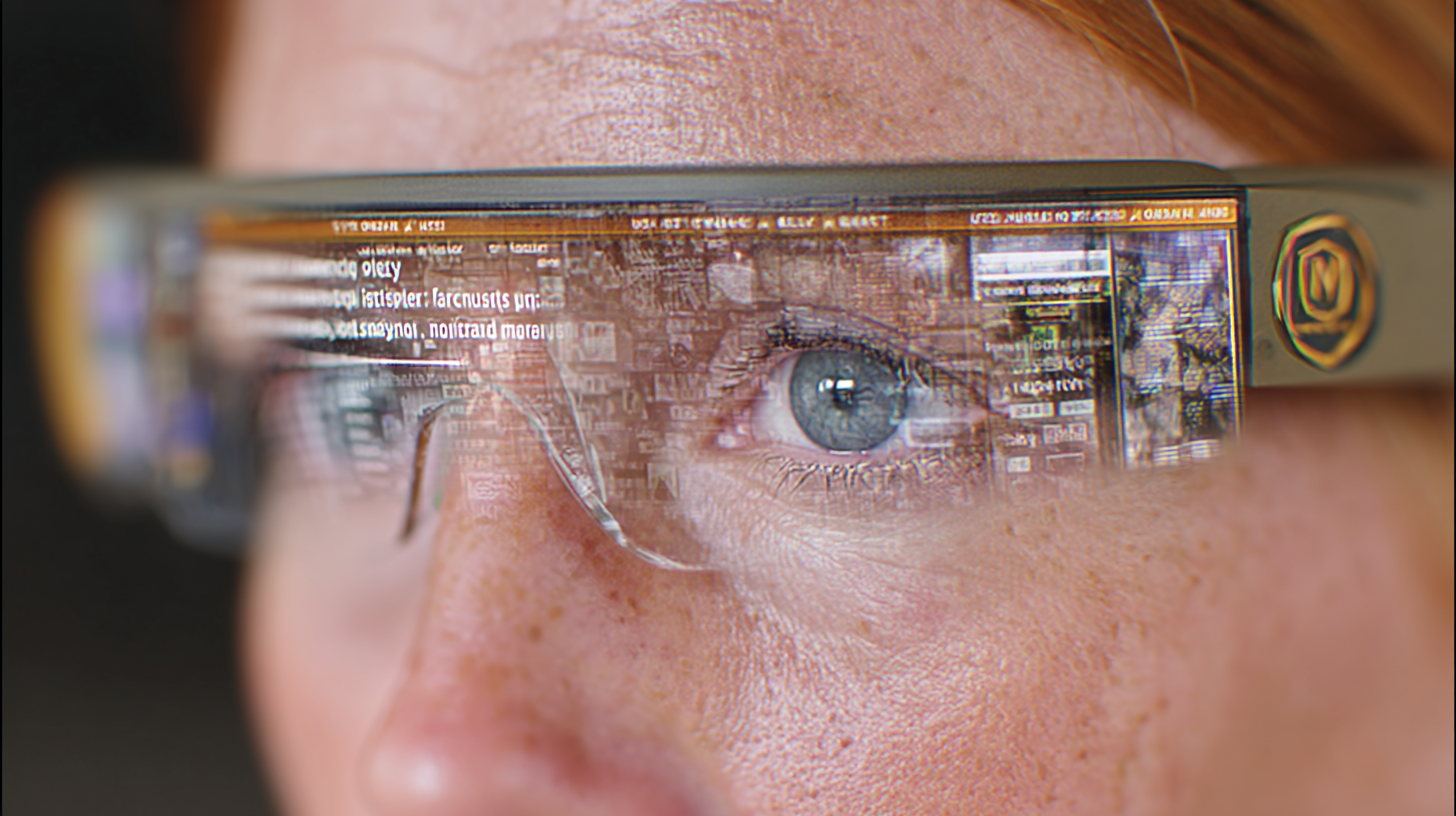
In earlier predictions, I suggested that future generations would wear smart glasses and sensors to record the totality of their life experiences. Imagine living with a complete archive of your existence—every conversation, every event, every fleeting glance captured and retrievable. It would be like carrying a second brain in the cloud, an external memory system with perfect recall.

Continue reading… “The Era of Enhanced Memory: How AI and Smart Glasses Will Redefine What It Means to Remember”

The Rise of Global Cultural Centers in the Age of Mega-Regions

By Futurist Thomas Frey

The 21st century is moving toward a world where power will no longer be concentrated in single cities or even nations, but in sprawling economic mega-regions—vast interconnected corridors of talent, infrastructure, and capital. From the BosWash corridor in the U.S. to the Pearl River Delta in China, these mega-regions are already redefining how economies function. But their influence will not stop at trade and GDP. They will also become cultural engines—places where humanity’s boldest ideas, most radical experiments, and shared future visions take physical form.

Imagine traveling across these regions in 2035 and finding not just business districts and technology parks but global cultural centers designed to inspire, provoke, and unite. These centers will act as the cathedrals of tomorrow—not religious in nature, but dedicated to the forces shaping civilization itself. Here is a glimpse at what they may include:

Continue reading… “The Rise of Global Cultural Centers in the Age of Mega-Regions”

Drinking Water from Thin Air: How 3D Printing Could Solve Humanity’s Thirst

More than two billion people across the globe still lack reliable access to clean drinking water. We tend to think of water as a resource found in rivers, lakes, or deep underground, but the atmosphere itself holds more water than all the rivers on Earth combined. What if the very air around us could be tapped like an invisible reservoir?

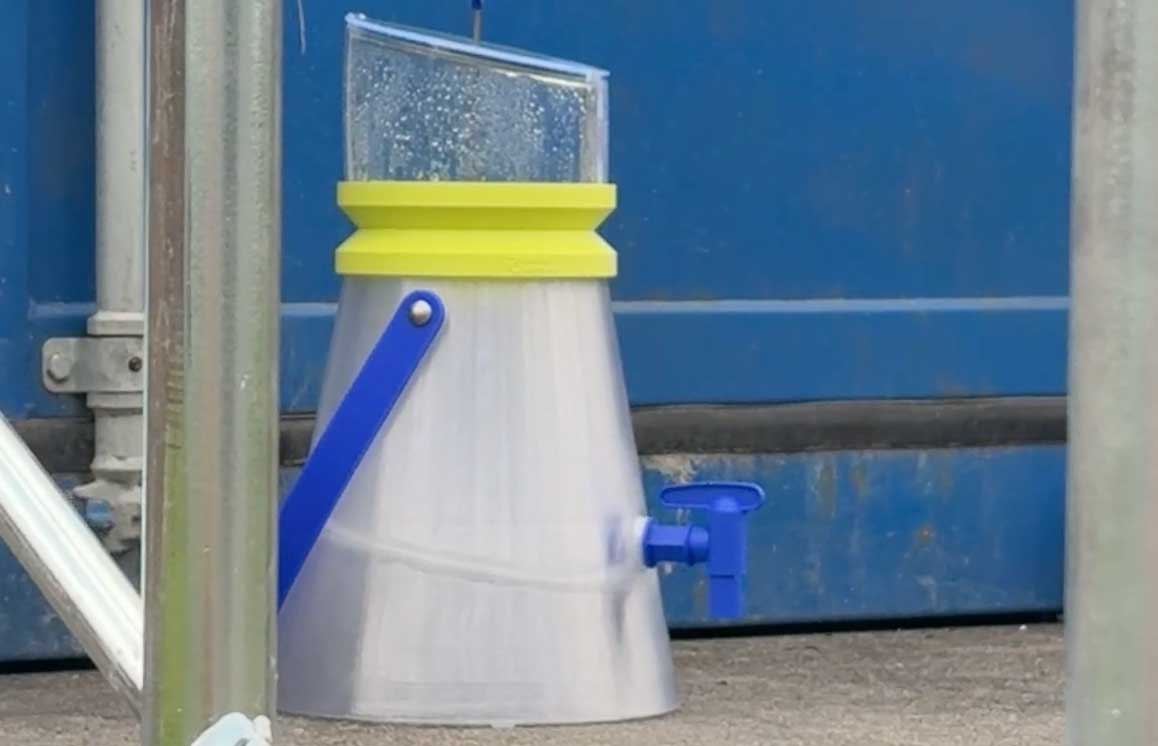
That’s exactly what two students at Münster University of Applied Sciences have set out to do. Their project, Water from Air, takes a futuristic approach to one of humanity’s oldest problems—using 3D printing and advanced materials to harvest water directly from the atmosphere.

Continue reading… “Drinking Water from Thin Air: How 3D Printing Could Solve Humanity’s Thirst”
Discover the Hidden Patterns of Tomorrow with Futurist Thomas Frey
Unlock Your Potential, Ignite Your Success.

By delving into the futuring techniques of Futurist Thomas Frey, you’ll embark on an enlightening journey.

Learn More about this exciting program.