The New Digital Divide: AI in the Classroom

By Futurist Thomas Frey

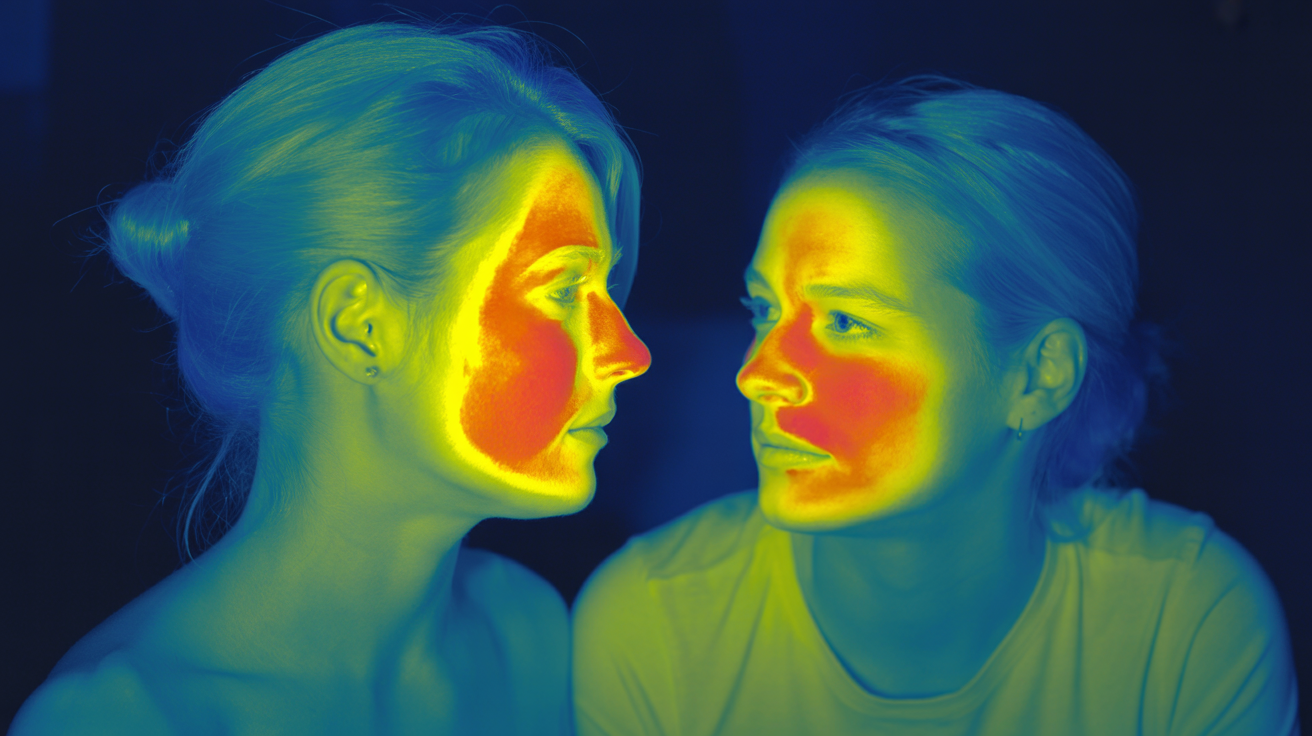
Not long ago, the mere presence of a computer in a student’s home was enough to change their educational trajectory. Studies from the 1990s and early 2000s showed that kids with consistent computer access performed significantly better than those without. They could type faster, research quicker, and develop the digital fluency that employers increasingly valued. In many ways, the computer became the great differentiator in education.

Fast forward to today, and the same story is repeating—but with far higher stakes. The technology at the center isn’t the desktop computer. It’s artificial intelligence.

Continue reading… “The New Digital Divide: AI in the Classroom”

The Patent Explosion: How AI Is Rewiring Innovation

By Futurist Thomas Frey

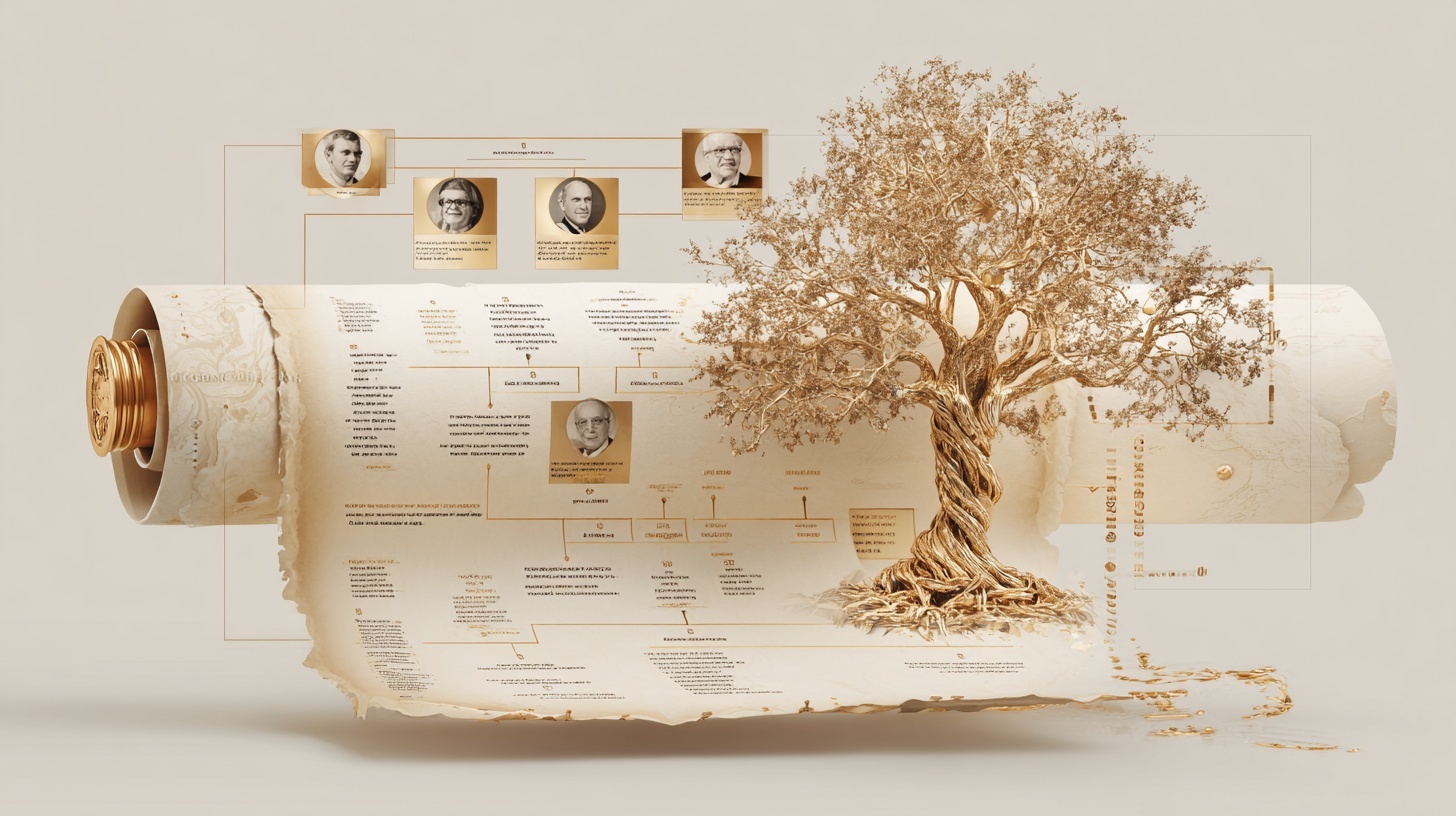
Something extraordinary is happening inside the world’s patent offices. After decades of steady, predictable activity, the landscape of intellectual property has begun to shift dramatically. The number of patent filings worldwide has surged in unexpected ways, and the reason is simple: artificial intelligence has entered the invention business.

For centuries, patents have served as the official ledger of human ingenuity. They captured breakthroughs from the spinning jenny to the telephone to the microprocessor. Each filing was a painstaking effort requiring technical brilliance, legal expertise, and months of drafting. But today, AI can generate new ideas, sketch novel designs, and even draft the legal language needed to submit a patent—all at a pace that outstrips traditional methods. The result is a patent system undergoing radical transformation.

Continue reading… “The Patent Explosion: How AI Is Rewiring Innovation”

The Ultrasound Helmet: A Non-Surgical Gateway Into the Deep Brain

For centuries, the human brain has been described as the most complex object in the known universe. And while modern neuroscience has mapped countless neural pathways, the deepest regions of the brain—structures like the basal ganglia and the thalamus—remain a stubborn frontier. These areas govern movement, emotion, motivation, and decision-making, yet when they go awry, they spark conditions as devastating as Parkinson’s disease, depression, and essential tremor.

The problem has always been access. To study or influence these deep-brain circuits, medicine has relied on invasive surgery: drilling holes, implanting electrodes, or burning away malfunctioning tissue. These procedures can be life-changing, but they carry enormous risks. What if there were a way to reach the same circuits with no scalpel, no implant, and no irreversible damage?

Continue reading… “The Ultrasound Helmet: A Non-Surgical Gateway Into the Deep Brain”

The Monolith: A 3D-Printed Fuel Cell That Could Redefine Aviation and Space Travel

For more than a century, humanity has been chasing the dream of lighter, more powerful energy systems that could propel us farther, faster, and more sustainably. Batteries promised part of the answer, but their weight has kept them grounded. Hydrogen fuel cells offered another path, but they’ve been too heavy and too fragile for practical use in aerospace. That may have just changed.

A team at the Technical University of Denmark (DTU) has unveiled a revolutionary new design called the Monolithic Gyroidal Solid Oxide Cell—or simply, The Monolith. This isn’t just another tweak to existing technology. It’s a 3D-printed, coral-inspired ceramic fuel cell that’s ten times faster at producing hydrogen, one-tenth the weight of conventional cells, and durable enough to withstand the punishing demands of flight and space.

Continue reading… “The Monolith: A 3D-Printed Fuel Cell That Could Redefine Aviation and Space Travel”

The Shape-Shifting Future of Medicine: How Magnet-Controlled Metamaterials Could Transform Healthcare

In the quest to reimagine medicine, sometimes the biggest breakthroughs don’t come from new drugs or surgical techniques, but from the materials that surround them. At Rice University, researchers have created a soft metamaterial that bends, twists, and locks into shape on command—all controlled remotely by magnetic fields. It’s a material that remembers, adapts, and survives in conditions that would destroy conventional medical devices.

This may sound like science fiction, but it could soon be saving lives inside the human body.

Continue reading… “The Shape-Shifting Future of Medicine: How Magnet-Controlled Metamaterials Could Transform Healthcare”

3D Bioprinting the Placenta: Unlocking the Mysteries of Pregnancy

Few biological systems remain as enigmatic—and as critical to human survival—as the placenta. This temporary organ is the lifeline between mother and child, orchestrating the exchange of nutrients, oxygen, and hormones during pregnancy. When it works well, life thrives. When it malfunctions, the results can be devastating, leading to hundreds of thousands of maternal deaths and millions of infant deaths worldwide each year.

For decades, scientists have struggled to study the placenta during its earliest, most formative stages. By the time a pregnancy reaches full term, the placenta has already transformed so dramatically that it no longer reflects its early biology. Obtaining first-trimester tissue is nearly impossible without endangering the pregnancy. Animal models, meanwhile, fail to capture the uniquely human complexity of this organ.

Continue reading… “3D Bioprinting the Placenta: Unlocking the Mysteries of Pregnancy”

Why Entrepreneurship Will Be the Job of the Future

By Futurist Thomas Frey

The future of work is arriving faster than anyone expected. Artificial intelligence, robotics, and automation are steadily absorbing jobs that once seemed untouchable. Entire industries are being reshaped as machines take on tasks with greater efficiency, lower cost, and tireless precision. In this shifting landscape, one profession rises above the rest as both resilient and essential: entrepreneurship.

Entrepreneurship is more than starting a business. It is the art of creating something from nothing, of carving value out of chaos, and of directing your own destiny when traditional career paths crumble. As machines become better at executing instructions, humans will need to double down on the uniquely human capacity to imagine, to risk, and to lead. The job of the future will not be about climbing corporate ladders—it will be about building the ladders themselves.

Continue reading… “Why Entrepreneurship Will Be the Job of the Future”

Meta’s Smart Glasses: The Beginning of AI Worn on Your Face

At Meta’s annual Connect conference, Mark Zuckerberg unveiled what could be remembered as a defining step in the evolution of human-computer interaction. Forget keyboards, forget touchscreens, forget even the smartphone—Meta believes the future is something you wear, something that sees what you see, hears what you hear, and responds to the subtlest flicker of a thought.

The newly launched Meta Ray-Ban Display glasses combine a tiny integrated display with an AI-powered neural wristband that reads barely perceptible movements. At $799, they are not a casual purchase, but Zuckerberg is clear about their role: this is the next stage of humanity’s digital interface.

Continue reading… “Meta’s Smart Glasses: The Beginning of AI Worn on Your Face”

Using Electricity To “Reprogram” the Immune System for Faster Healing

For centuries, medicine has relied on chemistry—pills, potions, injections, and therapies designed to alter biology through molecules. But a new frontier is emerging, one that swaps chemistry for circuitry. What if the body’s own immune system could be reprogrammed not by drugs, but by electricity?

That future may have just taken its first real step forward.

A team of scientists at Trinity College Dublin has discovered that a simple electric current can rewire one of the most important components of our immune system—the macrophage. By applying controlled electrical stimulation, these immune cells can be “persuaded” to suppress harmful inflammation and accelerate tissue repair. The work, published in Cell Reports Physical Science, signals the dawn of what could become an entirely new class of medicine: bioelectric healing.

Continue reading… “Using Electricity To “Reprogram” the Immune System for Faster Healing”

The Dawn of Bird-Like Flight

For centuries, humanity has envied the effortless mastery of flight we see in birds. Their takeoffs, landings, and elegant soaring patterns remain a pinnacle of natural engineering. Airplanes gave us speed and distance, drones gave us maneuverability, but the intimate grace of flapping, feathered flight has largely remained out of reach—until now.

A breakthrough out of China suggests that we are entering an entirely new chapter of aviation. Scientists have unveiled RoboFalcon 2.0, a flapping-wing robot capable of bird-style self-takeoff and sustained low-speed flight. It’s not just another drone—it’s a proof of concept that could one day reshape how machines share the skies with us.

Continue reading… “The Dawn of Bird-Like Flight”

Empty Playgrounds: The Future Cost of Declining Birthrates

By Futurist Thomas Frey

Walk past an elementary school at recess in many parts of the world today, and you’ll notice something unusual: silence. Fewer children fill the swings, the monkey bars, or the soccer field. In some places, entire playgrounds sit locked, weeds growing through cracks in the pavement, as declining birthrates reshape societies faster than most people realize.

We are living in an age of shrinking childhood. Every year, fewer children are born across the globe, and the consequences will ripple far beyond the classroom. This isn’t just a story about demography—it’s about the future of work, culture, cities, and even human identity. The echo of empty playgrounds will be one of the defining sounds of the 21st century.

Continue reading… “Empty Playgrounds: The Future Cost of Declining Birthrates”

The Coming Age of Predictive Medicine: AI That Sees Disease Before It Happens

What if your doctor could look five years into your future and tell you exactly which diseases your body is trending toward? Not vague risk factors or general warnings, but a precise, personalized forecast—your medical future, predicted with the same confidence as a weather report.

That’s no longer science fiction. Scientists across Europe have just unveiled Delphi-2M, an artificial intelligence model that can forecast the likelihood of over 1,000 diseases—sometimes years in advance.

Built on the same transformer architecture that powers today’s large language models, Delphi-2M doesn’t just process text. It processes the grammar of your medical life. Every blood test, MRI, prescription, and diagnosis forms part of a sentence that tells a larger story. And this AI is learning to read that story better than any physician ever could.

Continue reading… “The Coming Age of Predictive Medicine: AI That Sees Disease Before It Happens”
Discover the Hidden Patterns of Tomorrow with Futurist Thomas Frey
Unlock Your Potential, Ignite Your Success.

By delving into the futuring techniques of Futurist Thomas Frey, you’ll embark on an enlightening journey.

Learn More about this exciting program.