The Road That Powers Your Car: Why Florida’s Charging Highway Is Just the Beginning

By Futurist Thomas Frey

The Question Nobody Expected Florida to Answer First

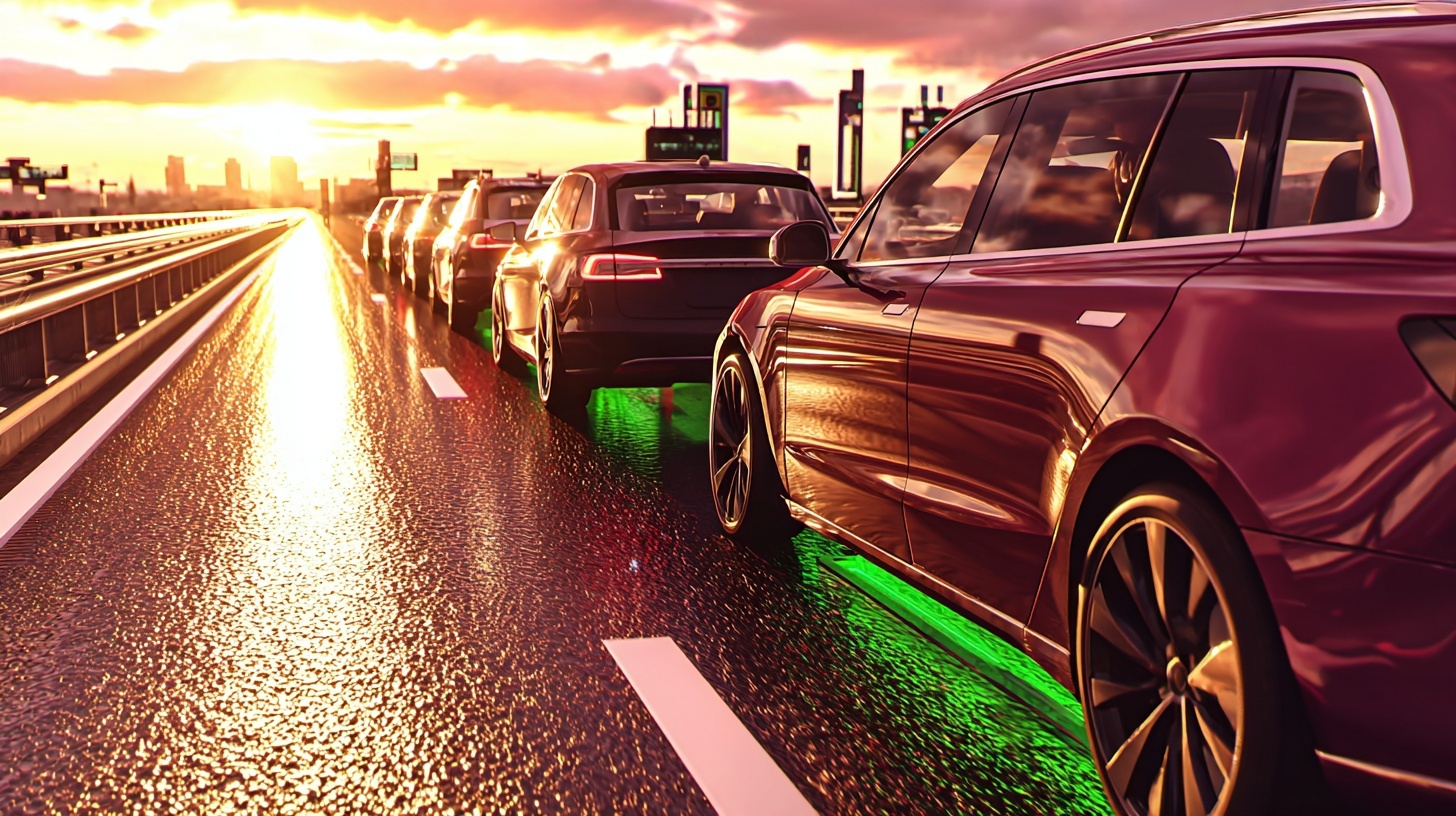
A 4.4-mile stretch of highway in Central Florida will do something no American road has ever done: charge electric vehicles while they drive. State Road 516, connecting Lake and Orange counties, will embed inductive charging coils beneath the pavement, wirelessly transferring up to 200 kilowatts to compatible vehicles at highway speeds. Construction begins this spring. Partial opening expected by 2027. Full operation by 2029.

This isn’t a gimmick. It’s the opening move in infrastructure’s biggest transformation since the Interstate Highway System. And it forces an uncomfortable question: once roads become energy delivery systems, what else changes? How quickly does this spread? And what happens when autonomous vehicles that never stop driving meet highways that never stop charging?

Let me walk you through the forces driving this shift, where it leads in an autonomous era, and why this becomes national infrastructure faster than anyone expects.

Continue reading… “The Road That Powers Your Car: Why Florida’s Charging Highway Is Just the Beginning”

The Coming Maintenance Apocalypse: When Everything Breaks and Nobody Knows How to Fix It

By Futurist Thomas Frey

The Complexity Crisis Nobody’s Preparing For

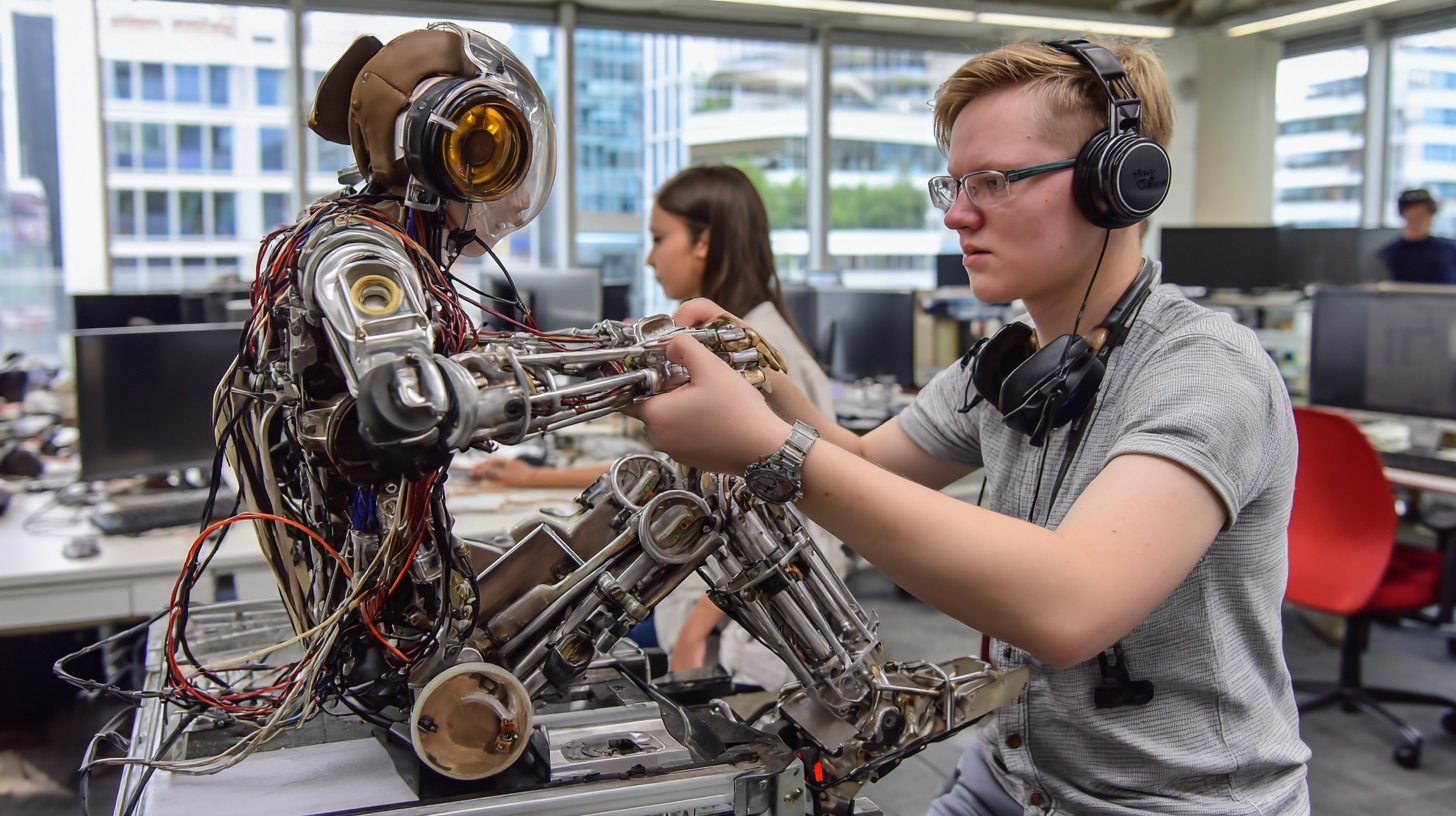
By 2040, you’ll own or interact with autonomous vehicles, humanoid robots, delivery drones, smart home systems, medical devices, and infrastructure so complex that when they break—and they will break—almost nobody will know how to fix them. We’re building a world of sophisticated machines faster than we’re training people to maintain them, and the gap between complexity and repair capability is widening catastrophically.

Here’s the uncomfortable truth: we’re imagining robots repairing robots, AI diagnosing AI, autonomous systems maintaining themselves. That’s the fantasy. The reality is a brutal 15-20 year transition period where machines break constantly, repair expertise is scarce, and downtime costs escalate exponentially because we built complexity faster than we built the maintenance culture to support it.

This isn’t a minor inconvenience. It’s an approaching crisis that will reshape labor markets, create massive business opportunities, and determine which technologies actually scale versus which ones fail because nobody can keep them running.

Continue reading… “The Coming Maintenance Apocalypse: When Everything Breaks and Nobody Knows How to Fix It”

25 Shocking Predictions About the Coming Driverless Car Era (Revised for 2025)

By Futurist Thomas Frey

I’ll admit it: I got some things wrong about autonomous vehicles.

Back when I made my original predictions about the driverless car era, I was too optimistic about timelines and too conservative about what would actually change. I thought we’d have fully autonomous vehicles everywhere by 2020. I underestimated regulatory resistance. I didn’t anticipate how COVID would reshape urban transportation priorities.

But I also got some things right—and more importantly, I’ve learned what questions to ask differently. So here’s my revised take on 25 shocking predictions for the driverless car era, updated with what we’ve learned and what’s actually coming.

Continue reading… “25 Shocking Predictions About the Coming Driverless Car Era (Revised for 2025)”

The Unwritten Rules of Driverless Cars

By Futurist Thomas Frey

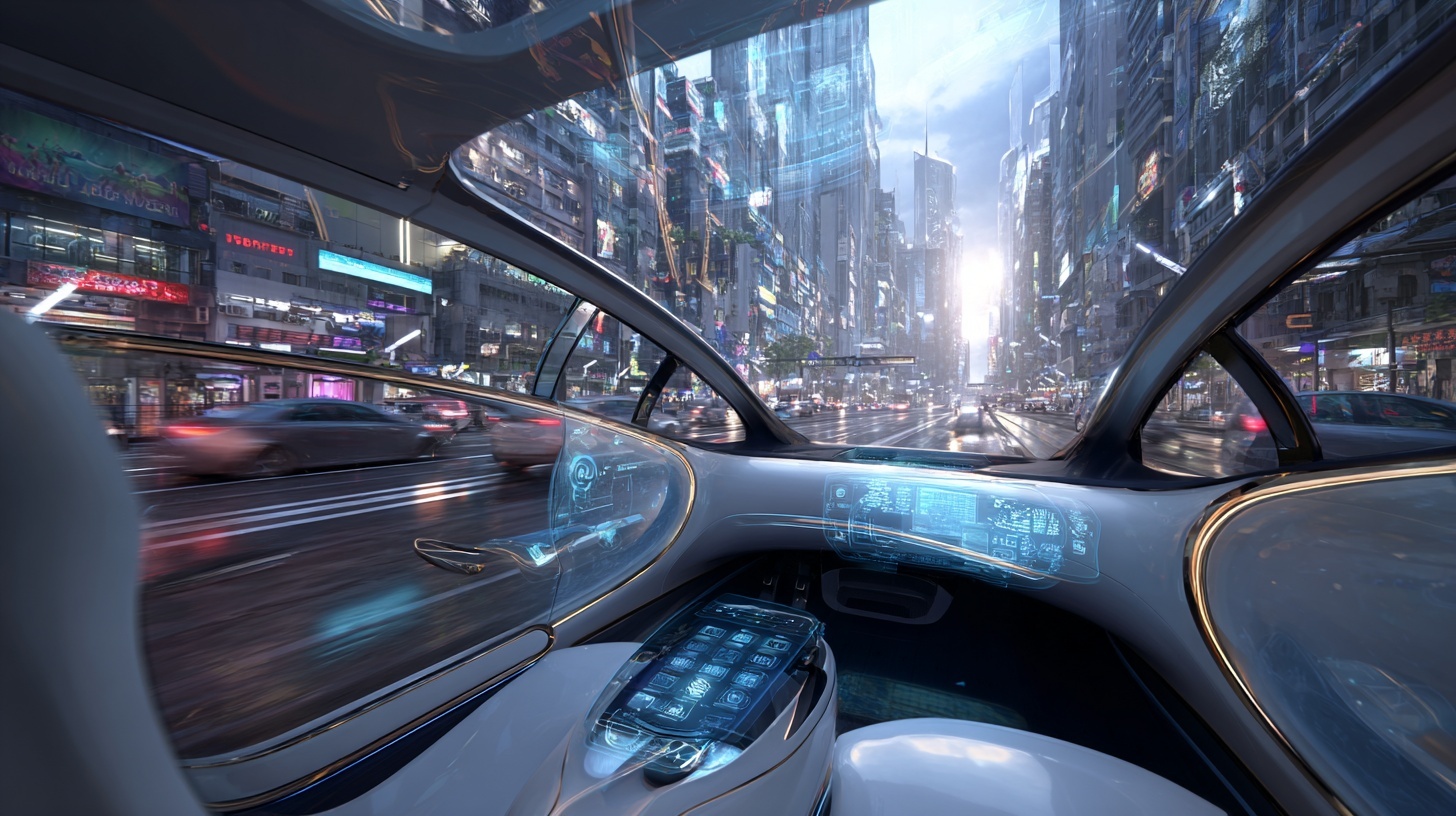
The driverless car is no longer science fiction—it’s here, humming quietly in test fleets, edging into city streets, and waiting for regulators to catch up. But while engineers have solved many of the mechanical and digital challenges, society hasn’t even begun to grapple with the social ones.

Here’s a simple but unsettling question: How young is too young to ride alone in a driverless car? Imagine a six-year-old, buckled into a fully autonomous pod at home, ferried ten minutes to school, and greeted by a waiting teacher at the other end. Is that safe? Is it ethical? Is it legal? And if ten minutes seems fine, what about thirty? What about an hour-long commute across town?

We don’t have answers yet—because the rules haven’t been written.

Continue reading… “The Unwritten Rules of Driverless Cars”

When Cars Learn to Hear: The Next Leap in Autonomous Intelligence

For more than a decade, the race to build autonomous vehicles has focused on vision. Cameras, lidar, and radar have been tasked with teaching machines to “see” the world as humans do. But sight alone doesn’t tell the whole story of the road. Humans don’t just drive with their eyes—they also rely on their ears. Now researchers are adding that missing sense to machines, and the result could redefine what it means for a car to be truly aware.

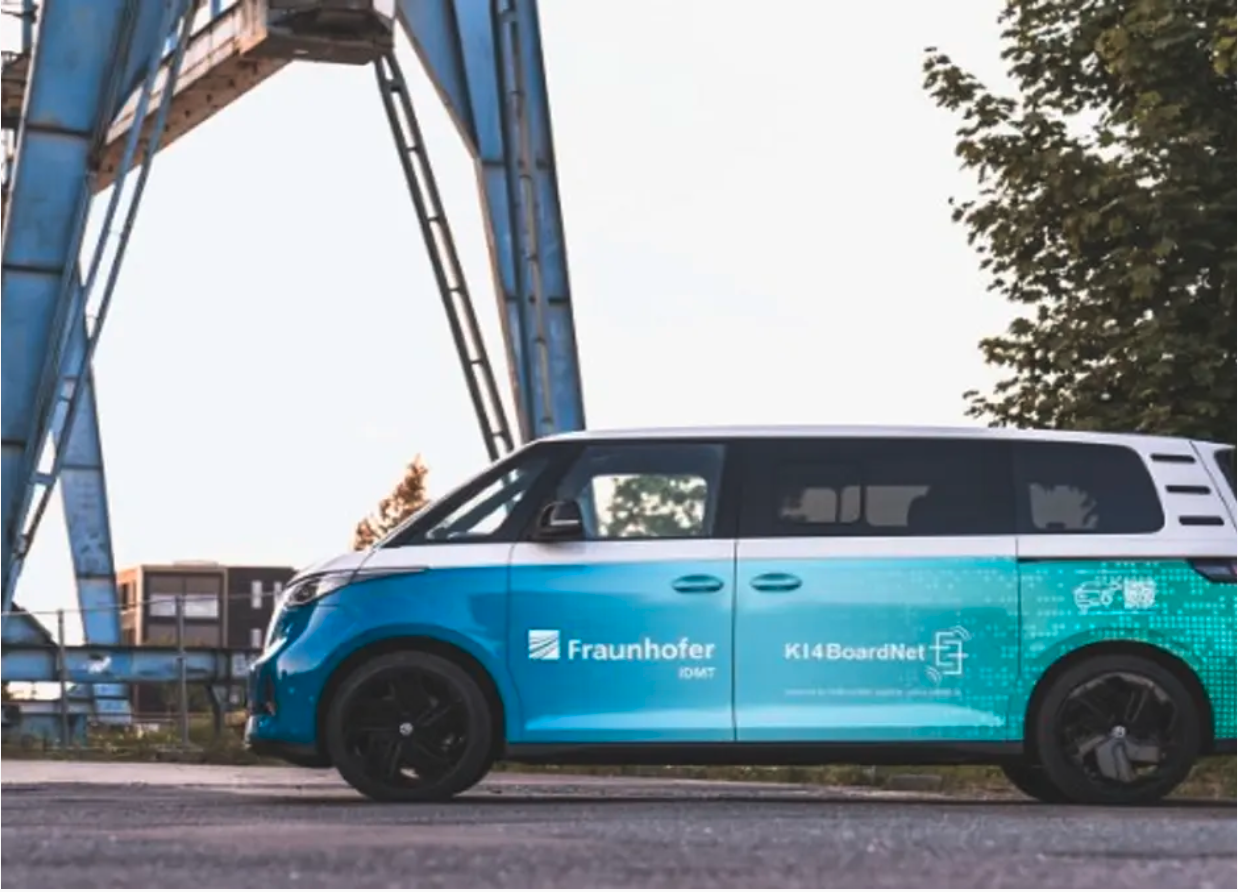
At the Fraunhofer Institute for Digital Media Technology in Germany, engineers have unveiled The Hearing Car, a prototype equipped with microphones and acoustic AI designed to interpret the sounds of the street. It’s not a gimmick. Sirens from ambulances, horns from impatient drivers, or the chatter of pedestrians often precede visual cues. Being able to recognize and react to these sounds could give autonomous systems the extra milliseconds they need to avoid disaster.

Continue reading… “When Cars Learn to Hear: The Next Leap in Autonomous Intelligence”

Scientists claim to have created an algorithm that makes self-driving cars ‘accident-proof’ – as long as human drivers drive legally

3EAFB193-06BD-4A39-813D-538DECC06DCF

  • New research presents algorithm that ensures a fail-safe trajectory for vehicles
  • It works on the principle that other human drivers act responsibly on the roads
  • Getting self-driving cars to react to unique situations is an obstacle in a roll out

An algorithm makes self-driving cars ‘accident-proof’ as long as other human drivers on the road act responsibly, scientists claim.

German researchers developed the algorithm with data collected from vehicles in the real-world and tested it in computer simulations.

Continue reading… “Scientists claim to have created an algorithm that makes self-driving cars ‘accident-proof’ – as long as human drivers drive legally”

What is our plan for zero-occupancy vehicles?

5D32C16E-80C7-4E56-8C99-40DBE920D398

In the transportation world, there has always been consensus that there is nothing worse than the single-occupancy vehicle. But there soon could be.

A common techno-utopian vision of the near-future city is one where automated vehicles come when called and whisk you to your destination, as you sit, relaxed and untroubled by traffic. But consider the opposite vision, that gridlock will be made worse by autonomous vehicles, which will spend much of their time driving around the city with no passengers. There is simply nothing about a vehicle being autonomous that makes it more likely to achieve higher occupancy. In fact, the current trajectory of AV deployment roadmaps and our transportation policy response ensures its average occupancy will be lower.

Continue reading… “What is our plan for zero-occupancy vehicles?”

China’s robocars are being lapped by their U.S. competitors

AE8E8A56-FC7C-4E80-AD38-025A20EB384B

The autonomous Lincoln MKZ started turning left at a Beijing intersection when a speeding truck aggressively cut in front of it. Sensors in the car detected the approach and instantly froze it in place.

 But that put the Lincoln directly in the truck’s path, so Baidu Inc. engineer Sun Lei grabbed the steering wheel, spun it to the right and floored the accelerator to get out of harm’s way. The truck zoomed by as Sun’s colleague in the passenger seat calmly took notes on a tablet computer—just another learning exercise for the self-driving fleet being tested around the nation.

“We hope to see more interventions during the road tests so that we can improve our technology,” said Calvin Shang, general manager of strategy and operations for Baidu’s Intelligent Driving Group. “It won’t help if you only run the cars on simple routes even for 10,000 or even 100 million miles.”

Though disaster was averted, the incident shows how China’s push into autonomous vehicles is barely out of first gear, with only a handful of cities allowing limited trials by search-engine giant Baidu, startup Pony.ai, trucker TuSimple Inc. and others since last year. Domestic and foreign testers are putting cars, buses, trucks and delivery vans through self-driving trials to teach them how to navigate the notoriously congested streets of the world’s biggest auto market.

Continue reading… “China’s robocars are being lapped by their U.S. competitors”

Discover the Hidden Patterns of Tomorrow with Futurist Thomas Frey
Unlock Your Potential, Ignite Your Success.

By delving into the futuring techniques of Futurist Thomas Frey, you’ll embark on an enlightening journey.

Learn More about this exciting program.